

Open Salt Cellar
When you search for an open salt cellar, you look at small vessels designed to hold loose salt at the dining table before the invention of the shaker.
Open Salt Cellar
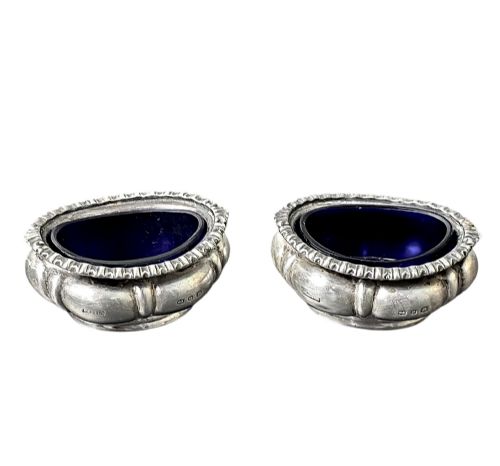
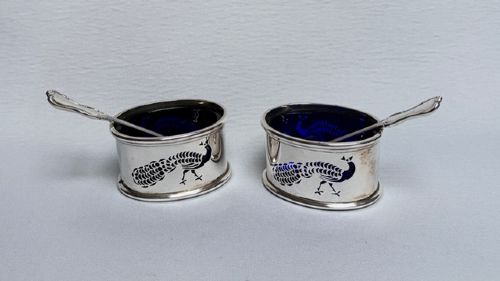
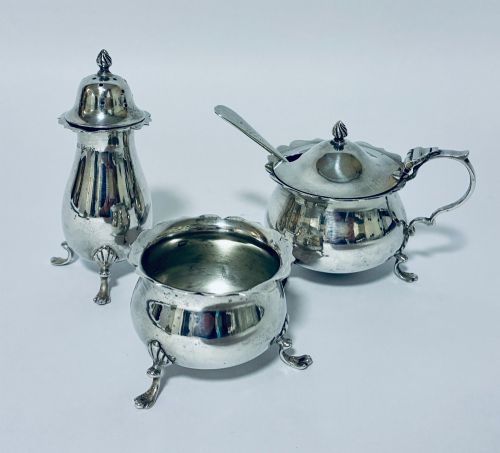
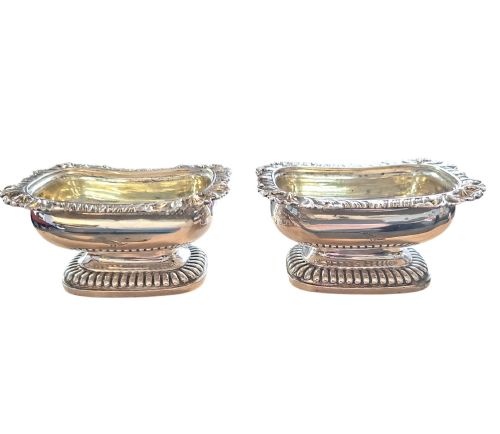
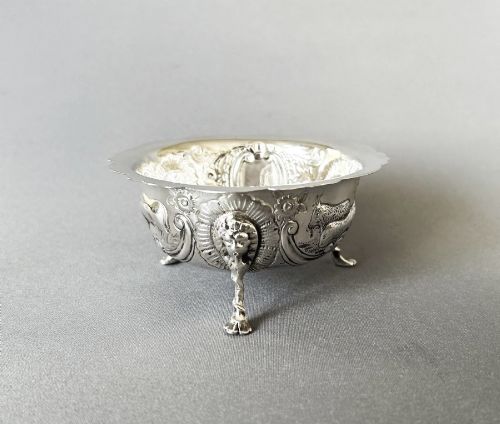
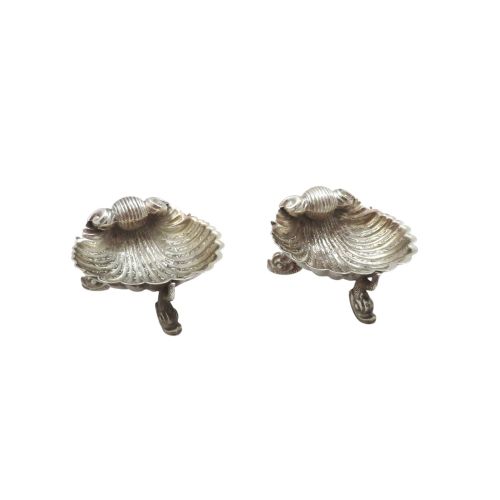
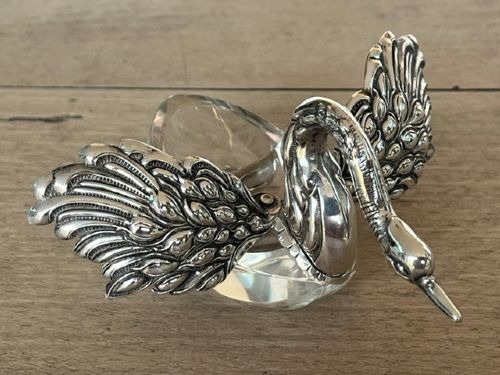
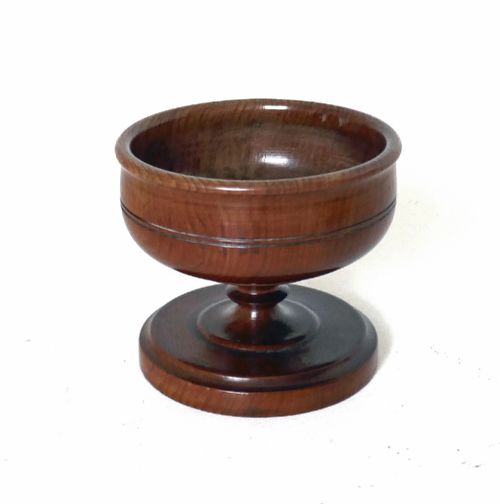
An open salt cellar serves as a small tabletop vessel created to hold salt for individual diners or across a shared dining surface. These pieces appear in forms ranging from simple glass tubs and turned wood bowls to elaborate silver creations supported by dolphin feet or bird motifs.
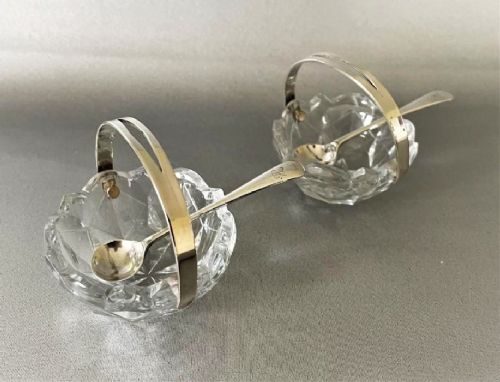
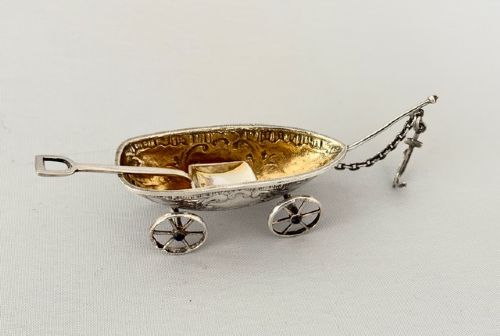
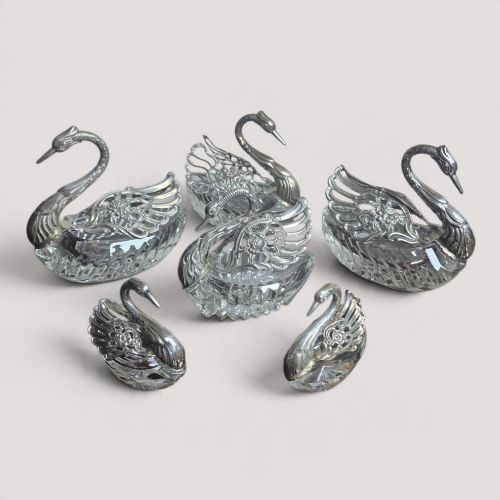
You meet versions spanning the 18th century, Georgian, Regency, Victorian, and Edwardian periods. Common variations include shell-shaped dishes, pierced wirework baskets, and novelty designs shaped like boats or animals.
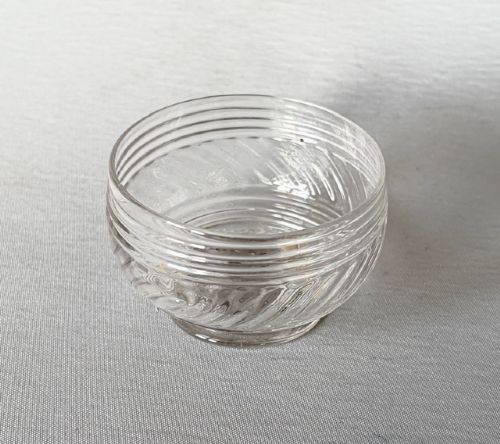
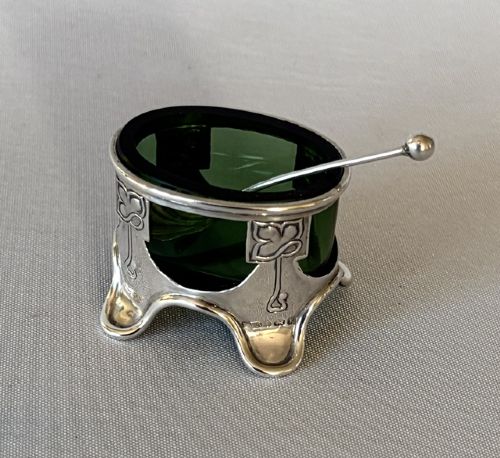
Makers utilised diverse materials to construct these vessels, pairing sterling silver and silver-plate with cobalt glass liners, cut crystal, and coloured glass. Ceramic and enamel examples also emerge, demonstrating the broad decorative scope of tabletop dining accessories.
Materials and Technique
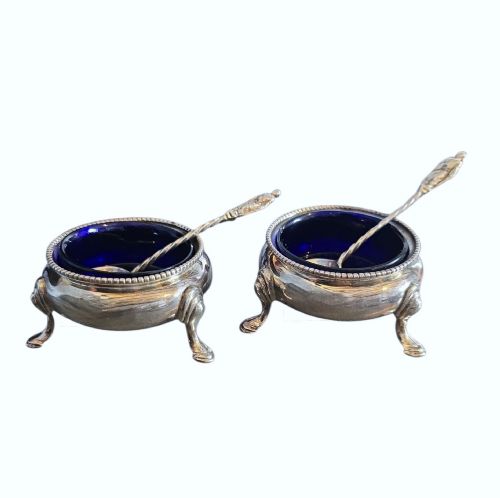
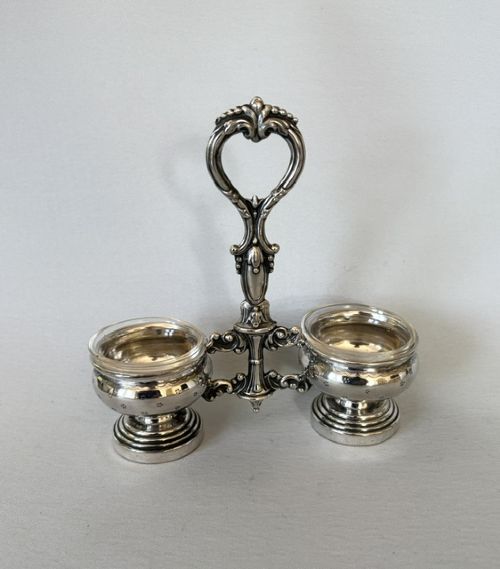
Silversmiths shaped sterling silver through casting, piercing, and repoussé chasing, producing intricate foliate patterns, shell motifs, and figural supports. Many silver designs incorporate removable blue glass liners or cobalt inserts to protect the metal from corrosive salt.
Glassmakers employed mould-blowing, cutting, and pressed techniques to create heavy crystal tubs, swan dishes, and cranberry glass bowls. Artisans working in wood turned yew and laburnum on lathes to produce early treen salts with raised bases.
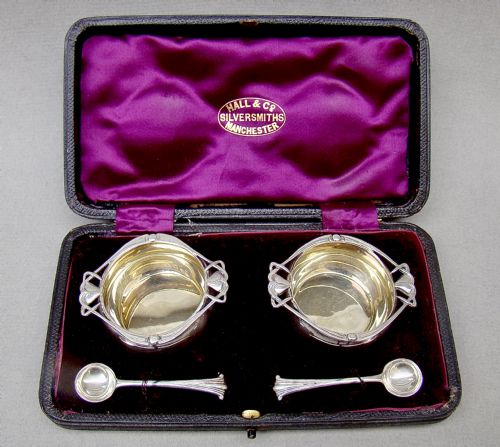
Ceramic and porcelain pieces relied on hand-painted glazes, seen in English Delftware and continental faience. Metalworkers also applied silver-gilt finishes to interior surfaces, combining durability with decorative contrast.
Open Salt Cellar Retail Price Guide 2026
Typical asking prices for open salt cellar among the pieces listed under this phrase on Sellingantiques today, from the lower quarter to the upper quarter. They describe what is for sale here now, not the wider market.
Listings span the 18th century through the mid 20th century, encompassing Georgian, Victorian, and Edwardian periods in silver, glass, and treen.
Distinctions in Quality
Quality rests in the crispness of the chasing and the weight of the metal or glass utilised in construction. Finer silver examples display sharply defined figural work, such as distinct plumage on bird salts or articulated components that move smoothly.
The integration of original components dictates the integrity of the piece. Matching glass liners that fit the contours of the silver mount perfectly and accompanying original spoons elevate a piece above assembled sets.
The complexity of the form separates standard production from superior work. Pierced wirework requiring delicate soldering and hand-painted enamel or porcelain demands a higher level of artisan skill than mass-moulded equivalents.
S Blanckense·Rebecca Emes and Edward Barnard I·Josiah Williams and Co·Beare Falcke·Georg Jensen·KPM Berlin·Moser·Barnards·David Hennell·John Edmonstone·William Bateman
The Open Salt Cellar Glossary
- Trencher salt
- A heavy, often square or circular salt cellar placed directly on the dining table, popular during the 18th century before footed designs became common.
- Silver-gilt
- Sterling silver that has been coated with a thin layer of gold on its interior surface to prevent salt from tarnishing or corroding the silver.
- Cobalt glass
- Deep blue glass commonly utilised as a removable liner inside open silver salt cellars to provide a contrasting background for white salt crystals.
- Repoussé
- A metalworking technique where the artisan hammers the design from the reverse side to form raised decorative reliefs on the exterior of the bowl.
Open Salt Cellar: Frequently Asked Questions
What is an open salt cellar?
An open salt cellar is a small open dish placed on the dining table to hold loose salt before the invention of the salt shaker. Diners used tiny spoons or pinched the salt out by hand.
These pieces transitioned from heavy trenchers in the 18th century to decorative silver and glass vessels supported by feet during the Victorian and Edwardian eras.
How were salt cellars used at the table?
Historically, salt cellars were placed either centrally for shared use or individually beside each place setting. Wealthier households maintained large master salts alongside smaller individual cellars.
Diners transferred salt to their plates using miniature spoons made of silver or bone, preventing direct contact with the communal supply.
Why do some silver salts have glass liners?
Salt is highly corrosive and causes sterling silver to pit and tarnish over prolonged contact. Removable glass liners protected the precious metal structure from chemical damage.
These liners usually appeared in cobalt blue or clear glass, fitting snugly inside pierced or solid silver baskets.
How do I care for antique silver salt cellars?
Silver salt cellars require immediate cleaning after use to ensure lingering salt grains do not pit the metal. Gentle washing in warm soapy water and careful drying preserve the finish.
Glass liners should be removed and washed separately before returning to their silver mounts.