


Vintage Salt Dish
These vintage salt dish examples span centuries of dining history, offering functional elegance and tactile charm for the modern table.
Vintage Salt Dish
A vintage salt dish serves as an open container for table salt, designed for communal or individual placement during meals before modern shakers became standard. When exploring this selection, buyers encounter various forms including salt cellars, salt tubs, open salts, and condiment stands.
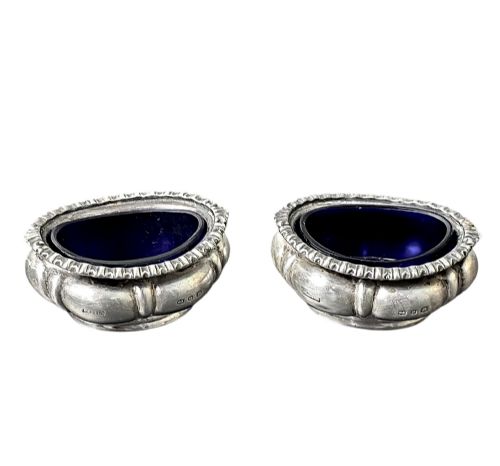
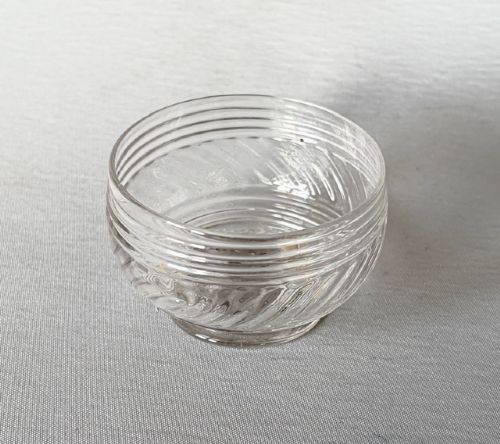
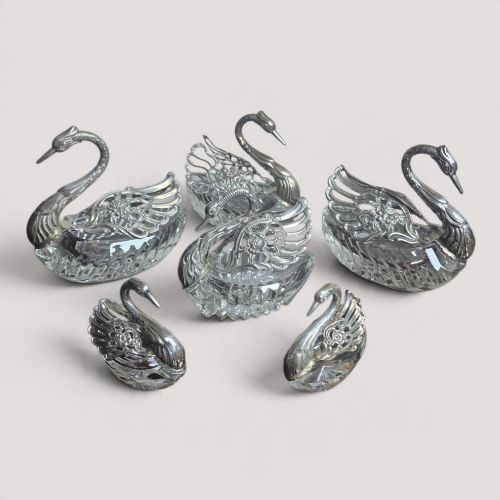
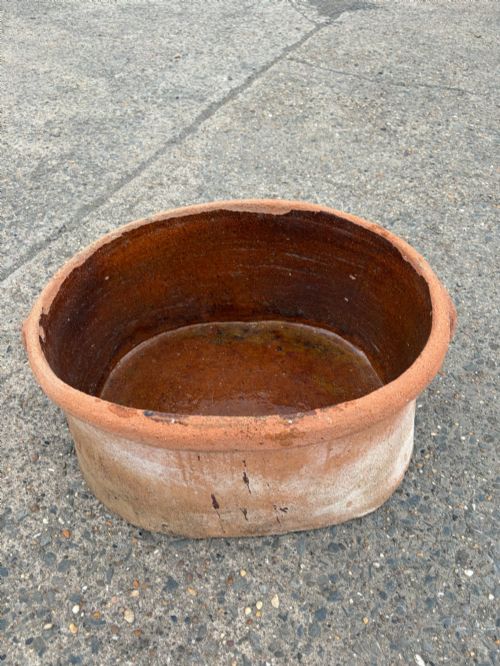
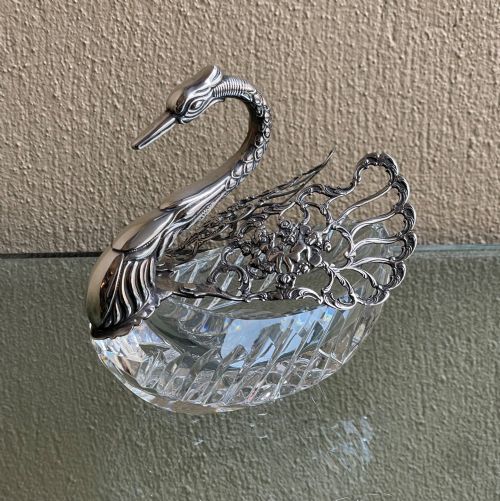
The assortment on this page ranges across multiple eras, stretching from the eighteenth century through the Victorian and Edwardian periods into the mid-twentieth century. Pieces appear in distinct iterations, from pressed glass and earthenware vessels to elaborate silver creations with coloured glass liners.
Originating from diverse workshops and geographic traditions, these tabletop items also function as small trinket dishes or decorative bowls. Their varied designs reflect shifting dining customs and domestic habits across generations.
Assessing quality and craftsmanship
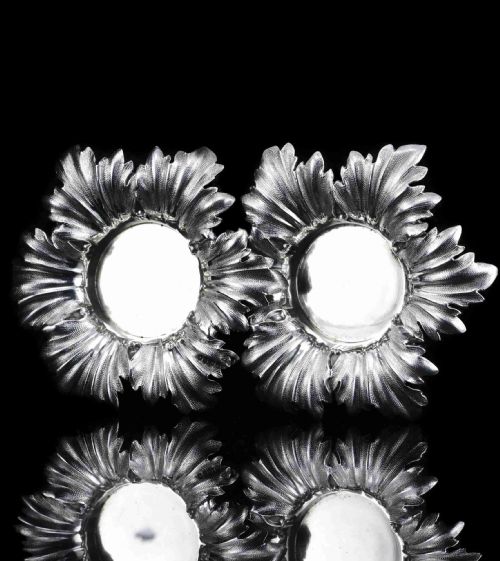
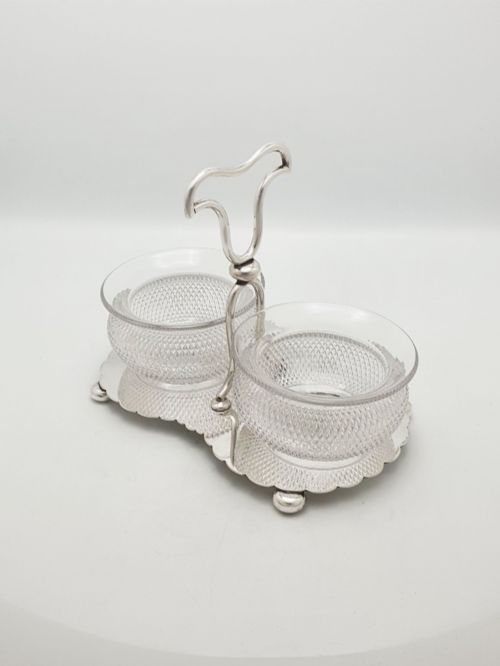
The distinction between standard domestic items and finer examples rests upon the crispness of metal chasing, the weight of the silver, and the clarity of the cut glass or crystal. Superior pieces maintain original fitted glass liners and precise mechanical parts on articulated designs without looseness or replacement components.
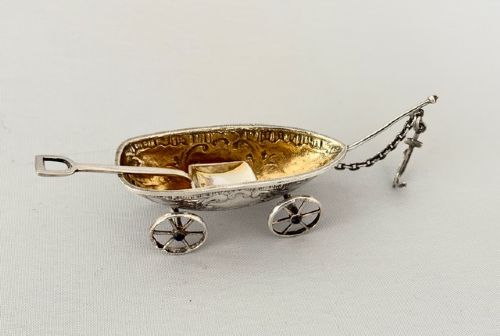
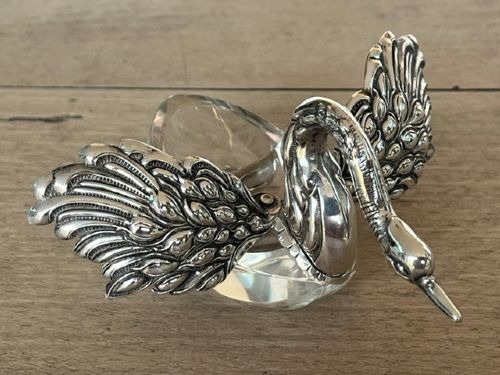
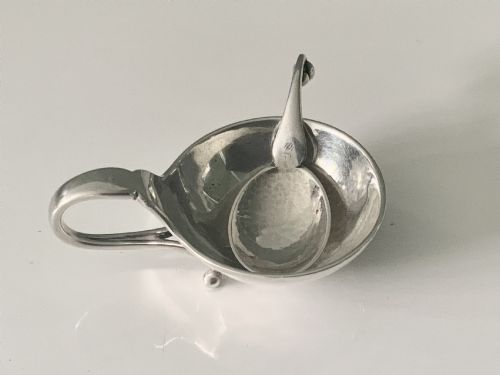
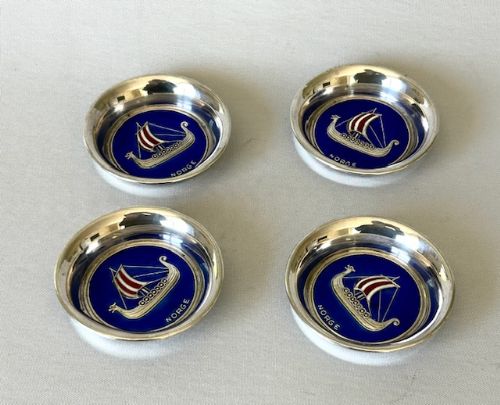
Artistic ambition also separates the range, as simple utilitarian tubs contrast with sculptural novelties shaped like swans, longships, or scallop shells. Maker attribution and the preservation of hand-applied enamel or gilt edges further elevate the standing of individual pieces.
Vintage Salt Dish Retail Price Guide 2026
Typical asking prices for vintage salt dish among the pieces listed under this phrase on Sellingantiques today, from the lower quarter to the upper quarter. They describe what is for sale here now, not the wider market.
The inventory includes functional salt cellars alongside novelty animal forms, condiment stands, and decorative scalloped dishes.
S Blanckense·Doulton Lambeth·Georg Jensen·Barnards·HB Quimper
The Vintage Salt Dish Glossary
- Salt cellar
- An open vessel used to hold salt at the dining table before the invention of the shaker. They often sit in pairs or sets alongside small spoons.
- Faience
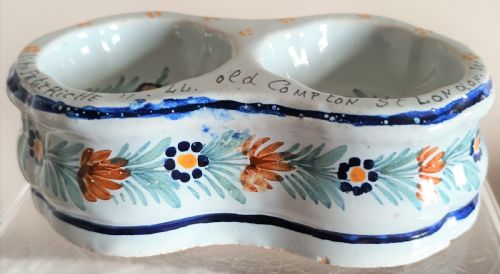
- Tin-glazed earthenware produced in France and other European regions, often hand-painted with traditional motifs. It provides a smooth, opaque white surface for colourful designs.
- Open salt
- A small container with an uncovered top that exposes the salt directly to the air. Diners pinch salt from the bowl or use a miniature salt spoon.
- Chasing
- A metalsmithing technique where a design is hammered into the front surface of metal to create raised patterns. This method adds textural depth and decorative detail to silver bodies.
- Opaline glass
- A type of semi-translucent glass developed in nineteenth-century France, frequently tinted in shades such as green. It has a milky appearance that diffuses light softly.
Vintage Salt Dish: Frequently Asked Questions
How were open salt dishes used at the table?
Diners used these open vessels to hold individual portions of salt during formal meals. Guests took pinches of salt using their fingers or dedicated small spoons rather than shaking it from a height.
Hosts placed them beside each setting or shared them between multiple guests along the length of the table. As dining habits shifted toward convenience in the twentieth century, enclosed shakers largely replaced these open containers.
What materials are common in antique salt dishes?
Sterling silver and silver plate form the structural basis for many traditional examples, often paired with contrasting glass inserts. Coloured glass liners, particularly in cobalt blue, protected the metal from the corrosive nature of salt.
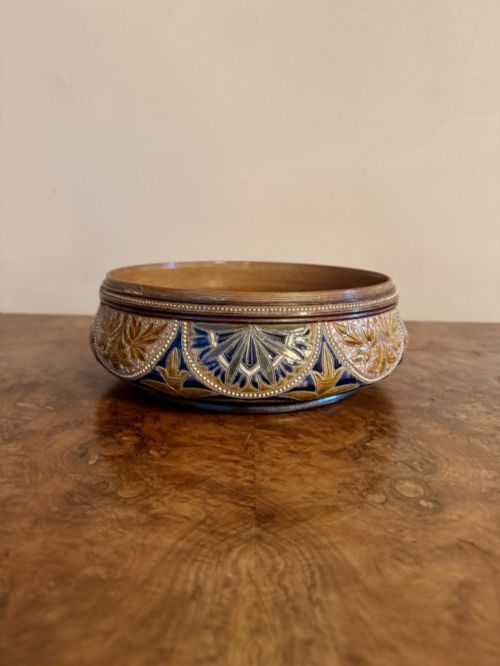
Ceramic variants utilise earthenware, ironstone china, and faience, while specialist pieces incorporate enamelwork or cut crystal. Each material combination reflects the prevailing aesthetic and domestic technology of its period of manufacture.
How can I date an antique salt dish?
Metal items frequently carry hallmarks that indicate the assay office, city, and exact year of production. Silver pieces from British makers rely on specific date letters stamped into the metal.
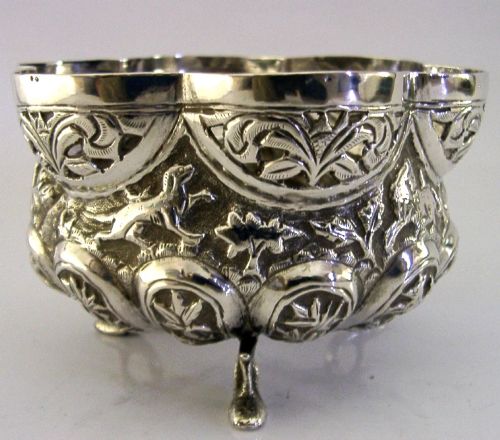
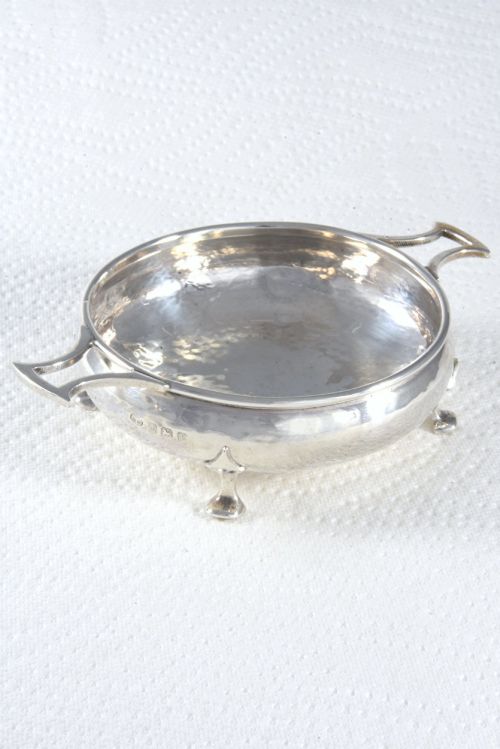
Stylistic cues, such as Victorian foliate chasing or Arts and Crafts simplicity, help narrow down pieces lacking formal marks. Ceramic and glass examples require analysis of glaze characteristics, moulding techniques, and wear patterns.
Can I use vintage salt dishes today?
These pieces function well on modern dining tables for serving salt, condiments, or small appetisers. Glass and ceramic versions clean easily with warm water and mild soap.
Silver items require occasional polishing to maintain their finish and should be washed promptly after use to prevent salt corrosion. Many owners also repurpose them around the home as small trinket dishes for jewellery or desk accessories.