


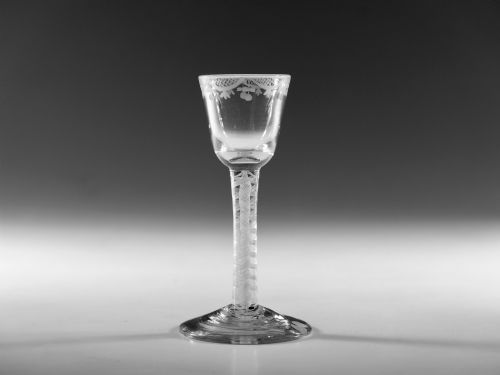


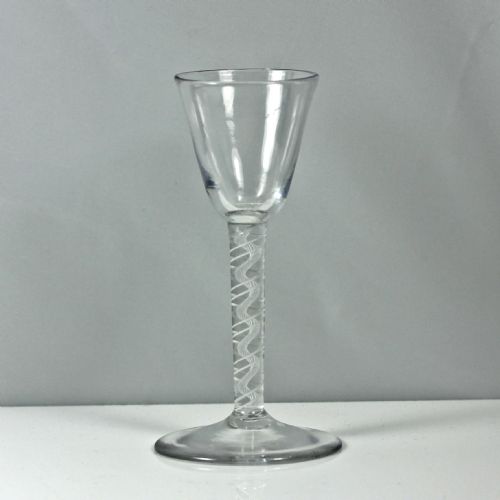
Opaque Twist Goblet
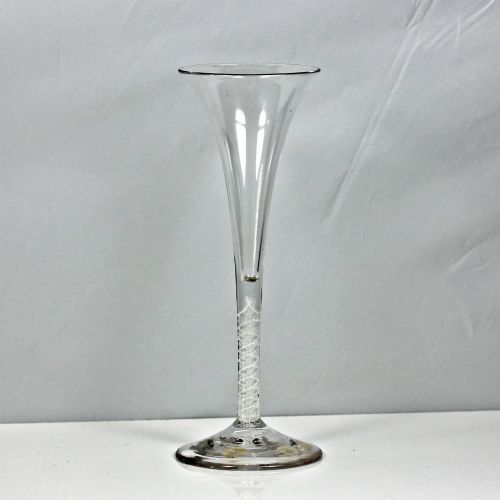
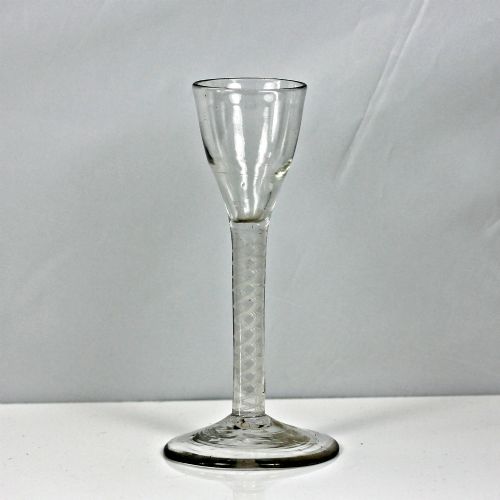
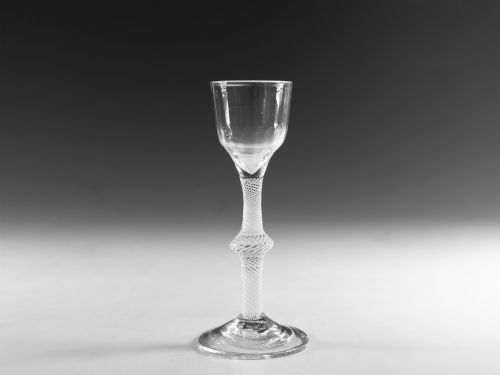
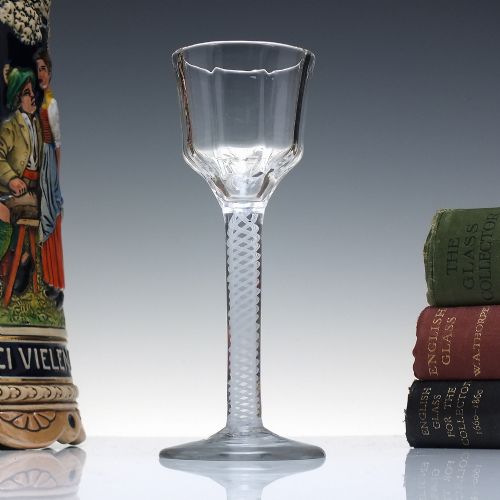
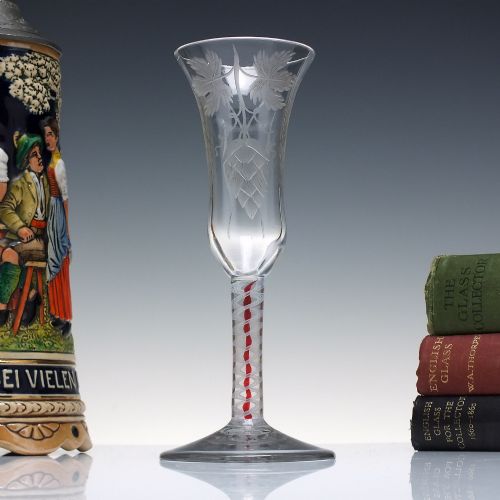
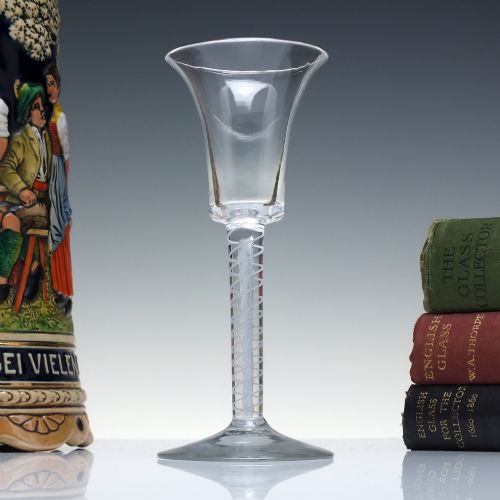
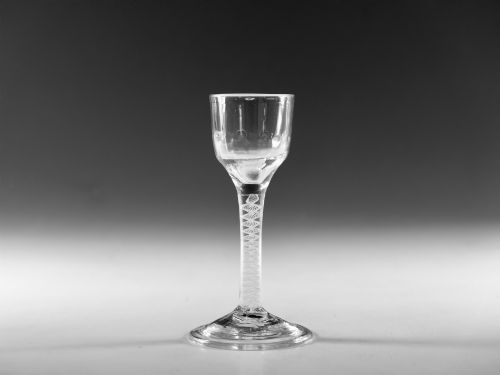
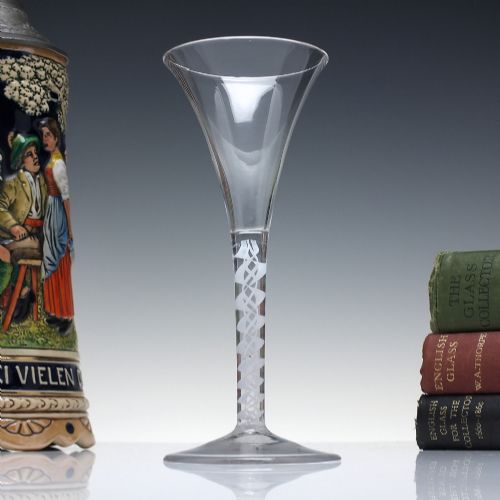
An opaque twist goblet brings a brilliant white enamel thread inside the stem, catching the light across Georgian dining tables.
Opaque Twist Goblet
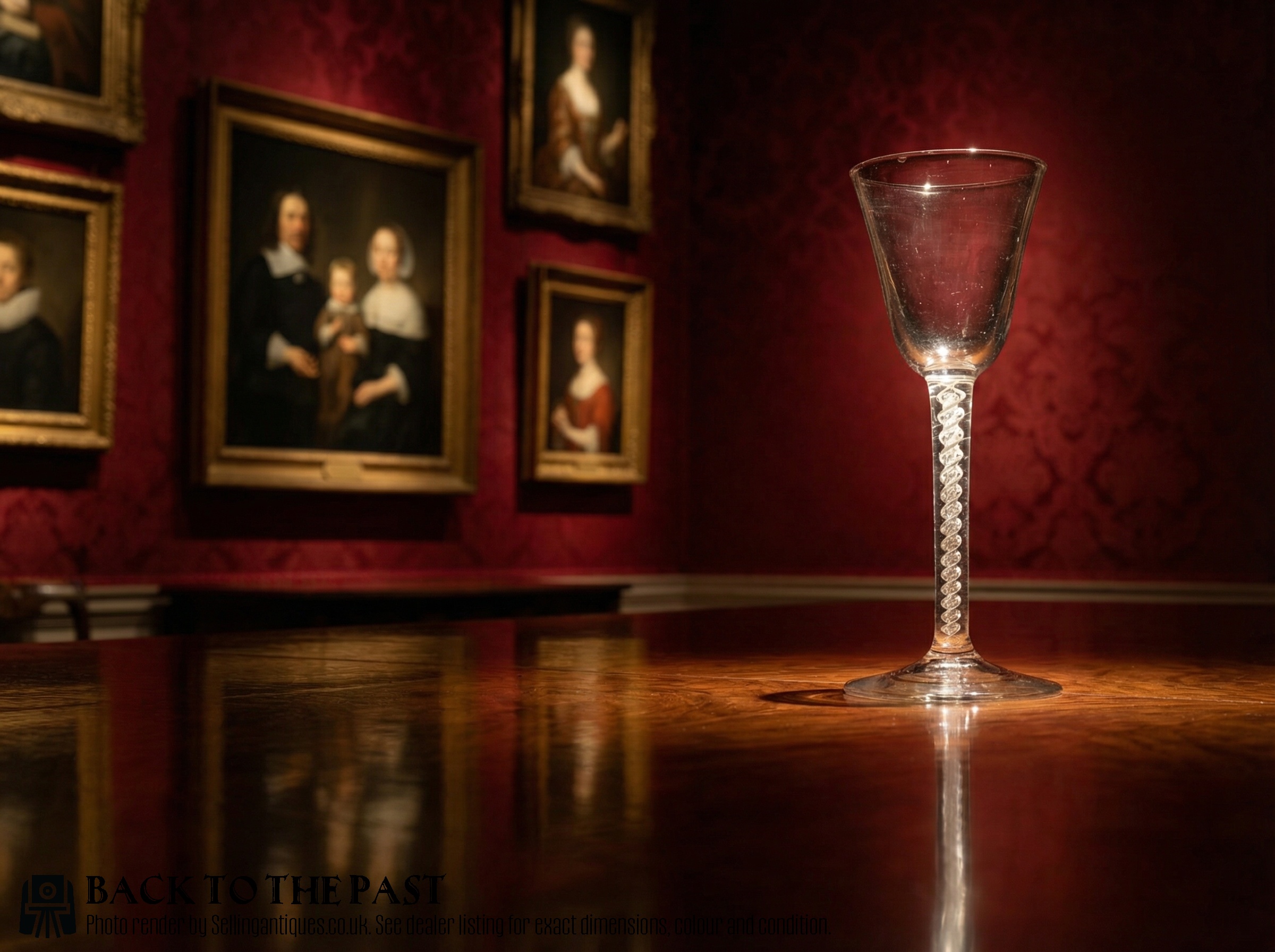
An opaque twist goblet is a larger drinking vessel designed for wine, ale, or ceremonial use, featuring a distinctive stem enclosing white enamel glass threads. These pieces appear primarily in Georgian styles from the eighteenth century, alongside occasional Victorian examples from the nineteenth century.
The forms span deep ovoid bowls, tulip shapes, flute-moulded ogee bowls, and heavy lead glass bodies set on plain conical feet. Collectors encounter these drinking glasses in various capacities, from substantial wine goblets to sweetmeat and champagne glasses.
How they were made
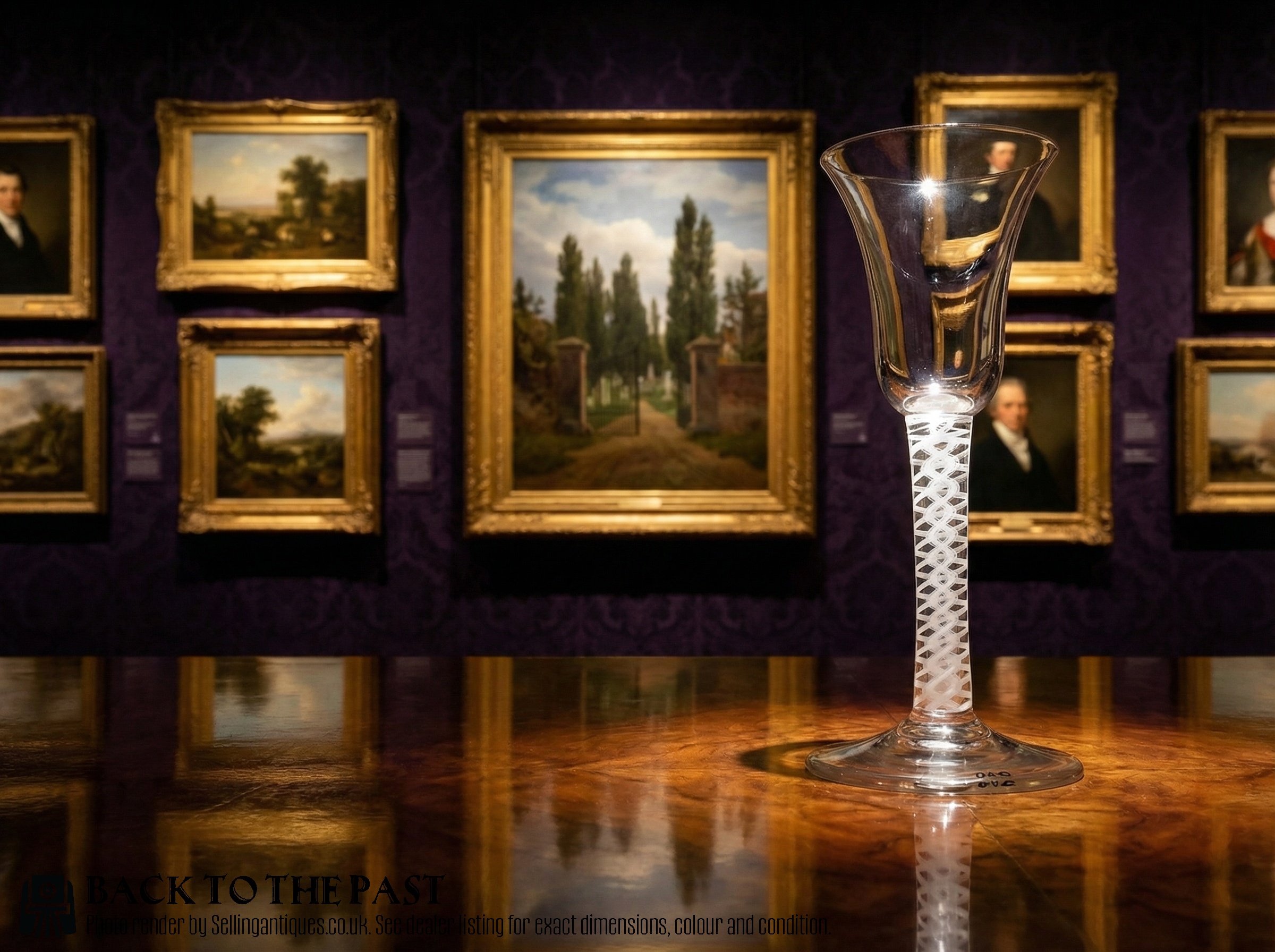
Maker workshops produced these items using lead glass, lead crystal, and flint glass, integrating clear glass with white enamel and coloured twists inside the stem. Craftsmen drew and twisted the glass rods while hot to form complex internal spirals before attaching the bowl and foot.
Surface ornamentation involved diamond moulding, flute-moulding, and wheel engraving applied to bowls of varying weight and thickness. Artisans occasionally incorporated knops along the stem for structural balance and visual rhythm.
Listings feature lead glass and flint glass items primarily from the eighteenth century, alongside nineteenth-century Victorian examples.
What varies in quality
Quality rests upon the crispness and complexity of the internal twist, distinguishing simple single-series strands from intricate multi-spiral and mixed twist configurations. Precision in the glassmaker's formation of knops and the symmetry of the bowl shape dictate the standing of a piece.
Clarity of the metal and delicacy of any wheel-engraved decoration elevate specific examples above standard tavern or domestic ware. The presence of unusual forms, such as multi-knopped stems or large ceremonial capacities, marks out superior specimens.
Josephinenhutte
The Opaque Twist Goblet Glossary
- Opaque twist
- A stem containing threads of white enamel glass twisted into spiral patterns. This technique developed during the eighteenth century to replace air twist stems.
- Double series
- A stem structure enclosing two distinct sets of twists, commonly an outer pair of hollow threads surrounding an inner column or pair of threads.
- Ogee bowl
- A bell-shaped drinking vessel curving inward at the rim and outward at the base. This form frequently appears on eighteenth-century English drinking glasses.
- Knop
- A knob or swelling on the stem of a glass. Multiple knops provide grip and ornamental detail to the profile.
- Sweetmeat glass
- A wide, shallow vessel intended for serving confectioneries or sweetmeats rather than liquid beverages. These pieces often share stem types with contemporary wine glasses.
Opaque Twist Goblet: Frequently Asked Questions
What is an opaque twist goblet?
An opaque twist goblet is an eighteenth-century drinking vessel defined by white enamel threads spun inside its glass stem. These pieces served wine, ale, and ceremonial drinks on Georgian tables.
The large bowls sit atop stems containing single, double, or mixed spirals of enamel, often finished with knops and plain feet. They represent a major development in English lead glass manufacturing.
How do I date an opaque twist glass?
Dating relies on stylistic shifts in bowl forms, metal composition, and stem construction traditions typical of the mid-eighteenth century. Most examples date between seventeen-fifty and seventeen-seventy.
Inspect the weight of the metal, the pontil mark on the underside of the foot, and the complexity of the internal enamel threads. Eighteenth-century pieces display specific hand-formed characteristics distinct from later nineteenth-century revivals.
Were these goblets used for wine?
These vessels held wine, ale, champagne, and sweetmeats during formal dining and social occasions. Larger capacities functioned as ceremonial goblets or toast masters.
The deep ovoid, tulip, and ogee bowls accommodated generous pours of beverages, while smaller cordial and sweetmeat variants served specialised table duties.
How should I display a glass goblet?
Display these items in stable, well-lit cabinets away from direct sunlight and areas prone to heavy vibration. Adequate shelf spacing prevents accidental contact between delicate bowls and rims.
Good lighting from the side illuminates the internal white enamel twists within the stem, highlighting the craftsmanship of the glassmaker.