




Opalescent Glass Centerpiece
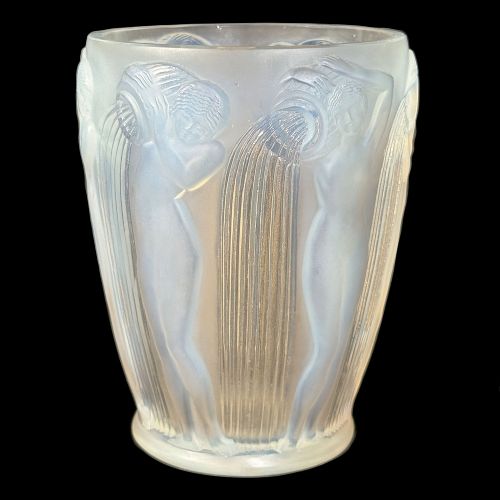
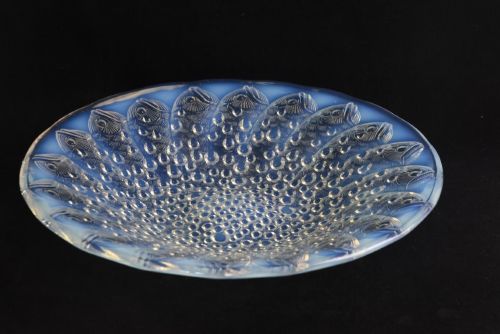
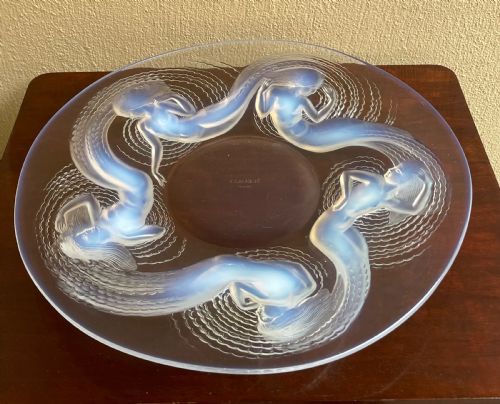
Opalescent glass centrepieces combine milky translucence with shifting hues of blue and amber, catching the light on any dining table.
Opalescent Glass Centerpiece
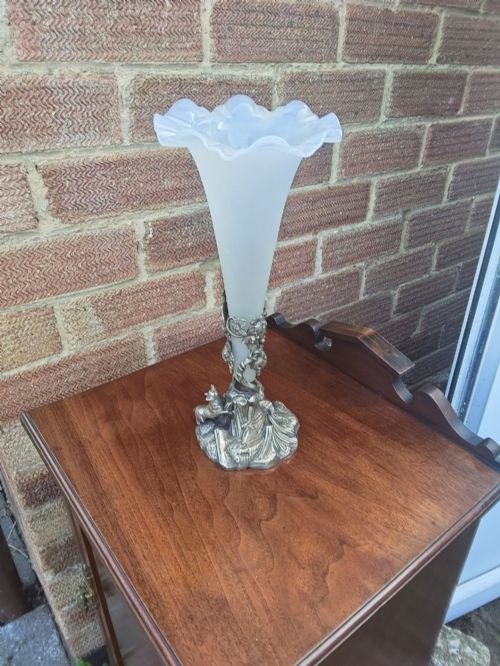
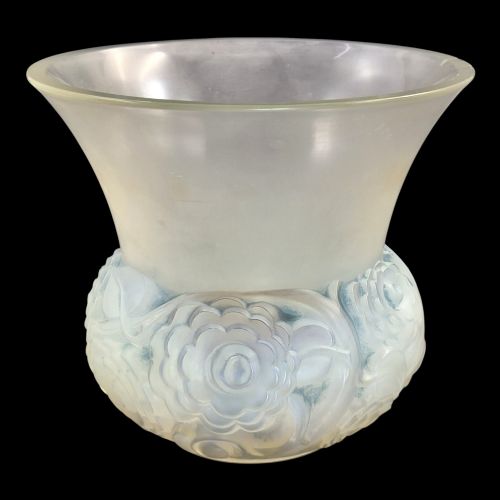
When you search for an opalescent glass centrepiece, you encounter striking table centrepieces, bowls, vases, and epergnes designed to draw the eye. These pieces range from Victorian silver-plated mounts holding opaline glass to dramatic Art Deco moulded bowls and multi-trumpet epergnes.
You are most likely to meet pieces originating from the Victorian, Edwardian, and Art Deco periods, alongside French productions from the early twentieth century. Forms vary from shallow coupes ouvertes and chargers to elaborate flower-bearing epergnes with white metal frames.
Creation and materials
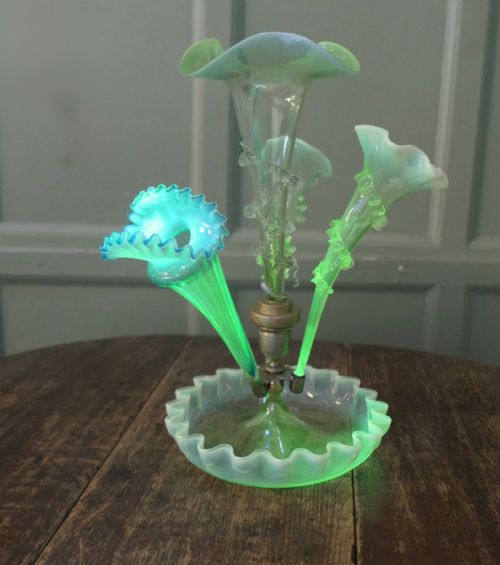
Makers utilised moulded glass, frosted glass, and uranium glass to achieve the signature milk-white body that glows with fiery highlights when turned in the light. Hand-blown techniques also created multi-trumpet epergnes that required skilled manipulation of hot metal.
Metal components such as silver plate and white metal often provided structural support for heavy glass bowls and epergne trumpets. This combination of glass and metal gave nineteenth-century and twentieth-century dining tables a solid architectural presence.
Some epergnes feature removable trumpets, allowing guests to rearrange the table architecture mid-meal.
Distinctions in quality
The degree of opalescence and the crispness of the moulded relief define the upper tier of these vessels. Pieces featuring sharply defined floral or figurative motifs show superior execution compared to softer, less distinct examples.
The integration of the glass body with mounts of silver plate or white metal indicates the ambition of the original maker. Heavier, more substantial glass bowls paired with robust metal frames represent the finest achievements in this field.
Rene Lalique·Etling·Jobling·James Dixon·Julien Glass
The Opalescent Glass Centerpiece Glossary
- Opalescent glass
- Glass that diffuses light so that it appears milky white with highlights of blue or amber. This optical effect occurs through the addition of bone ash or arsenic during the cooling process.
- Epergne
- A large table centrepiece featuring multiple trumpets or baskets for fruit and flowers. These tiered stands frequently combine glass vessels with silver-plated frames.
- Coupe ouverte
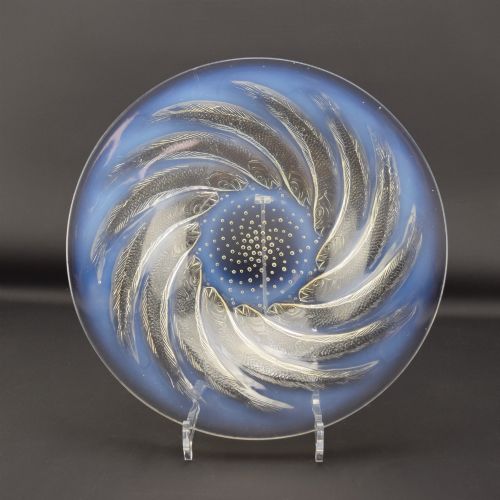
- An open bowl form commonly utilised for decorative display on dining tables. These shallow vessels showcase moulded relief patterns across their interior and exterior surfaces.
- Uranium glass
- Glass containing trace amounts of uranium dioxide that glows bright green under ultraviolet light. Makers frequently employed this material in vibrant twentieth-century decorative items.
- Salver
- A flat plate or tray supported on a foot, used for serving or display. In glass, these pieces often feature wide rims decorated with moulded motifs.
Opalescent Glass Centerpiece: Frequently Asked Questions
What is an opalescent glass centrepiece?
An opalescent glass centrepiece is a decorative table vessel or epergne that displays a milky translucence shifting to blue or amber tones in the light. These items function as focal points for dining rooms and sideboards.
They encompass shallow bowls, chargers, and multi-trumpet stands made during the Victorian, Edwardian, and Art Deco eras.
How do I date an epergne?
Dating an epergne relies on examining the mounting materials, glass colour, and manufacturing techniques. Victorian and Edwardian examples often feature silver plate and hand-blown trumpets.
Later twentieth-century pieces lean towards moulded art glass designs with geometric or stylised floral reliefs associated with the Art Deco movement.
What is uranium glass?
Uranium glass incorporates uranium within the glass mixture to produce a distinctive yellow-green colour that reacts strongly under ultraviolet light. This material appears in French vessels from the nineteenth and twentieth centuries.
The trace amounts used in these decorative objects present no hazard to collectors.
How do I display a bowl?
Displaying a shallow bowl or coupe ouverte involves placing it centrally on a dining table, sideboard, or open shelf where natural light can strike the surface. Allowing light to pass through the glass activates the opalescent optical effect.
Keeping the piece clear of cluttered surroundings lets the moulded relief details stand out.