




Molded Glass Vessel
A moulded glass vessel brings texture and definition to a room, ranging from eighteenth-century tablewares to striking twentieth-century modernist works.
Molded Glass Vessel
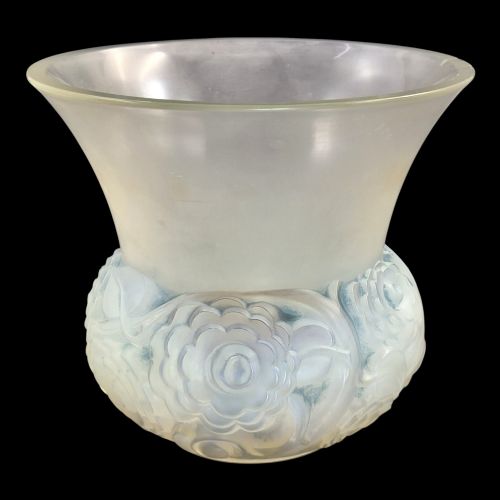
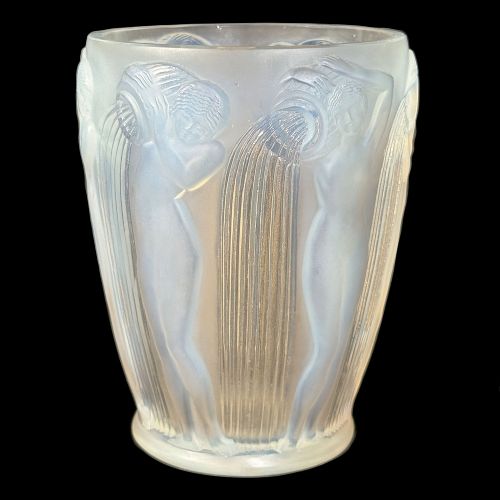
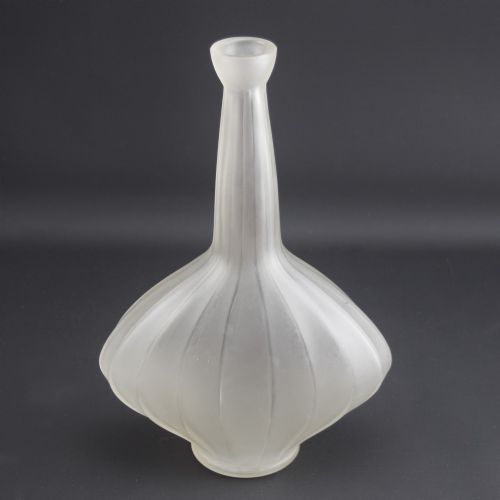
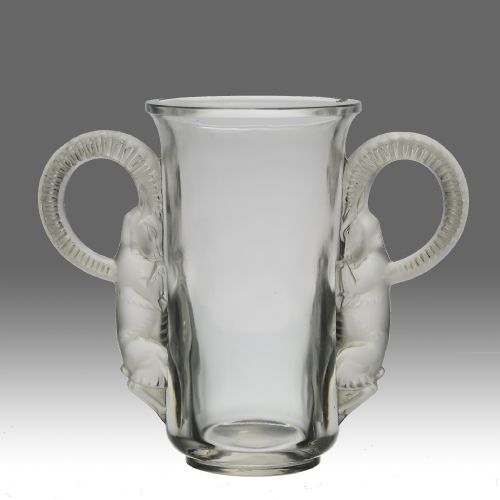
A moulded glass vessel encompasses a wide diversity of forms, taking shape as vases, decanters, drinking glasses, decorative bowls, oil lamps and cigarette holders. When searching for a moulded glass vessel, buyers encounter pieces spanning the eighteenth century, the Victorian era and the Art Deco period of the 1920s and 1930s.
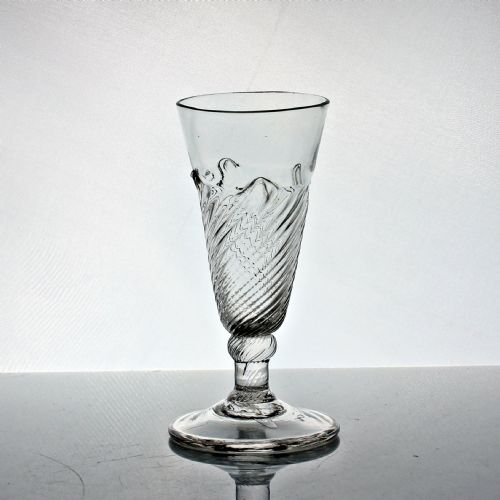
The eighteenth-century examples lean towards functional tablewares such as ale glasses, bonnet glasses, sweetmeat glasses and wine glasses featuring baluster and plain stems. Meanwhile, the twentieth-century pieces shift toward substantial decorative objects, notably vases and bowls rendered in distinct opalescent or frosted finishes.
Materials and construction
Makers utilised clear glass, lead glass, crystal, pressed glass and specialised opalescent or frosted glass. The manufacturing technique relies on shaping the molten material within a mould, which imparts pattern, relief and structure directly to the body.
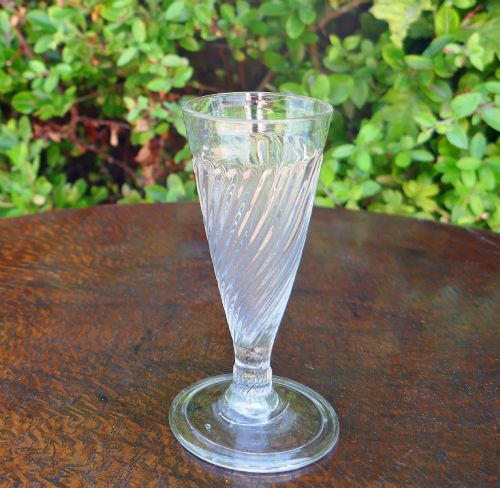
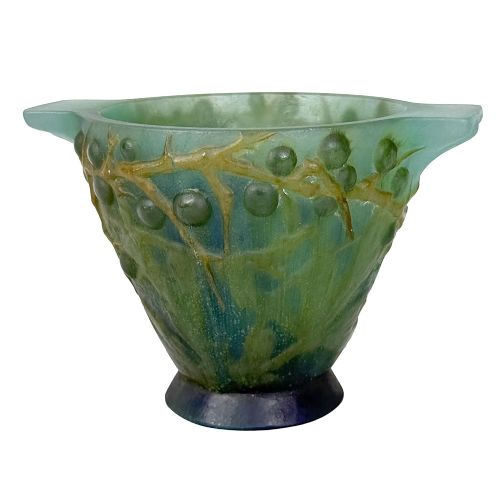
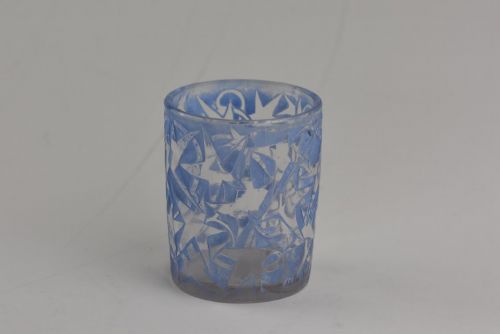
Some pieces incorporate intricate surface manipulations such as nut moulding, wrythen fluting, or engraving. Later twentieth-century works employ pate de verre and acid staining to achieve contrast, colour variation and tactile depth across the vessel wall.
Some vessels double as cigarette holders, proving that past generations enjoyed their nicotine delivered with considerable artistic flair.
Assessing the work
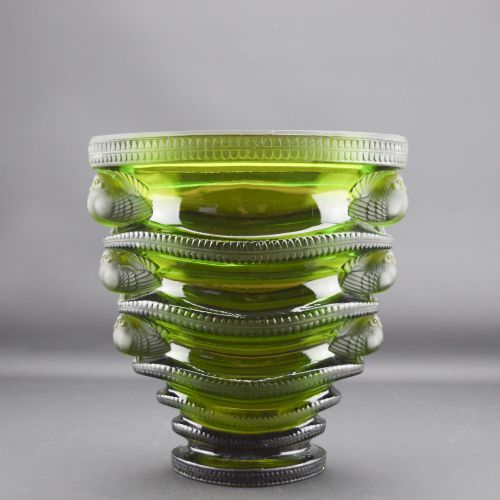
The calibre of a moulded glass vessel rests on the crispness of the relief and the purity of the material, whether in clear crystal or dense opalescent glass. Superior pieces display sharp definition in moulded motifs, such as botanical subjects or animal figures, without distortion along the seam lines.
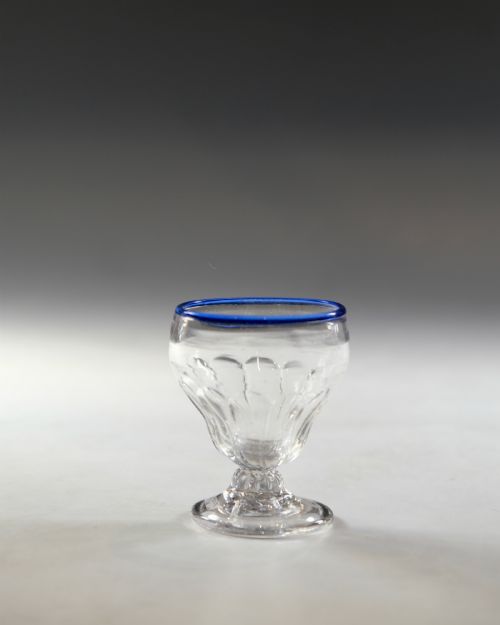
In earlier tablewares, quality is judged by the weight of the metal, the stability of the folded foot, and the balance of the stem. Twentieth-century productions achieve distinction through sophisticated surface treatments like blue staining, frosted contrasts, and the artistic control evident in pate de verre.
Rene Lalique·Henry Bergé·Amalric Walter
The Molded Glass Vessel Glossary
- Opalescent Glass
- Glass that diffuses light to display a milky, translucent quality with blue or amber highlights at the edges. This effect defines many twentieth-century decorative pieces.
- Wrythen
- A decorative spiral pattern twisted into the body of glassware during formation. It appears frequently on eighteenth-century drinking vessels.
- Pate de verre
- A glass-casting method where finely crushed glass is packed into a mould and fused in a kiln. This technique produces rich, dense colour and granular texture.
- Baluster Stem
- A thick, swelling stem shape reminiscent of architectural balusters, common on mid-eighteenth-century English wine and sweetmeat glasses.
- Folded Foot
- A base edge turned under and pressed flat while hot to provide extra strength and a clean rim. This is a common marker of eighteenth-century craftsmanship.
Molded Glass Vessel: Frequently Asked Questions
What is a moulded glass vessel?
A moulded glass vessel is any container shaped by pressing or blowing molten glass into a prepared mould, rather than free-blowing it entirely by hand. These objects range from eighteenth-century drinking glasses to twentieth-century decorative vases.
The moulding process allows makers to repeat complex patterns, reliefs, and figural designs across the surface of the glass with consistent precision.
How do I date an antique glass vessel?
Dating relies on observing the object type, material properties, and manufacturing marks. Eighteenth-century pieces typically show distinct pontil scars, handmade stem formations, and folded feet.
Twentieth-century vessels often feature moulded signatures or stencil marks associated with specific designers and art glass foundries of the period.
Where were these glass vessels made?
The pieces seen here originate primarily from British and French workshops and factories. Eighteenth-century tablewares reflect traditional English glasshouses.
Twentieth-century modernist and Art Deco works largely represent French design houses operating during the interwar years.
How should I display opalescent glass?
Opalescent glass responds dramatically to directional lighting, which activates the milky blue and amber tones within the moulded relief. Placing vessels near natural window light or on glass shelves with backlighting enhances these optical qualities.
Keep the surrounding space uncluttered to let the sculptural motifs and frosted surfaces remain the focal point.