


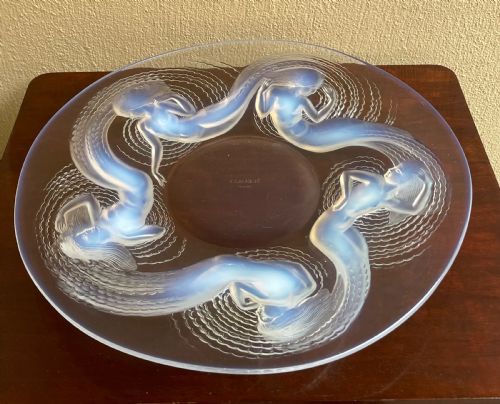


Art Deco Lalique Bowl
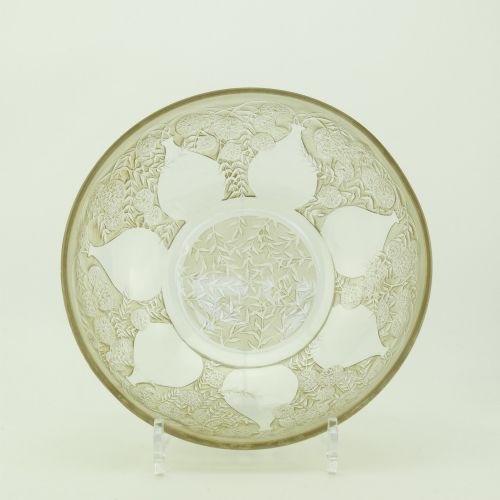
An art deco lalique bowl combines tactile moulded glass with the unmistakable aesthetic of the early twentieth century.
Art Deco Lalique Bowl
An art deco lalique bowl represents a specific intersection of decorative glasswork and twentieth-century design. Buyers searching for this phrase seek tactile vessels defined by moulded forms and distinctive relief motifs.
The pieces appearing here stem primarily from the nineteen-twenties and nineteen-thirties, alongside select examples originating in the nineteen-tens and the Edwardian era. Decorative bowls, shallow plates, and coupe ouverte forms dominate the selection.
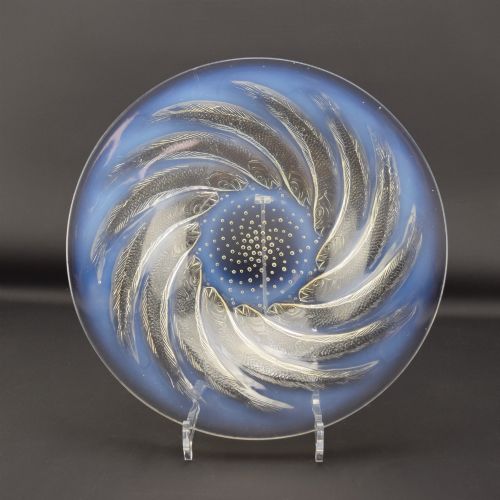
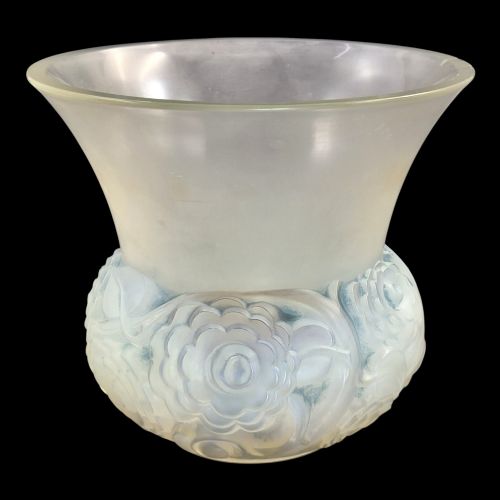
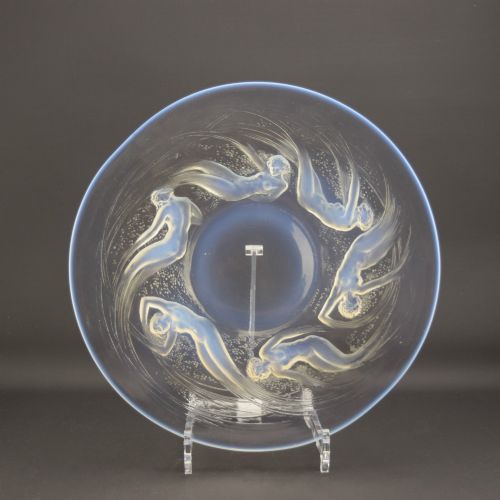
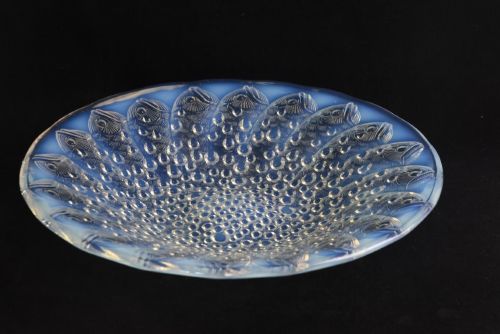
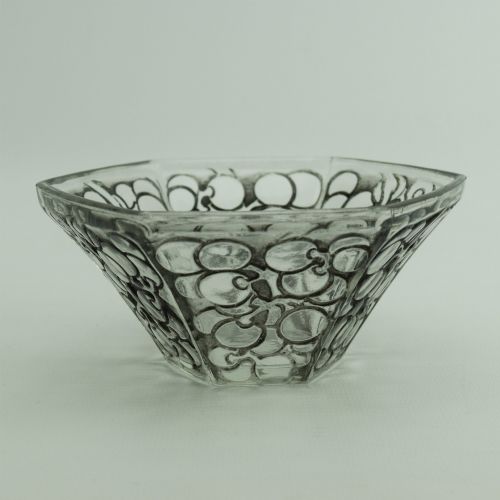
Moulded glass surfaces frequently feature flora and fauna, including fish, flowers, and foliage. These vessels function as striking centrepieces or decorative receptacles within modern interiors.
Distinguishing quality
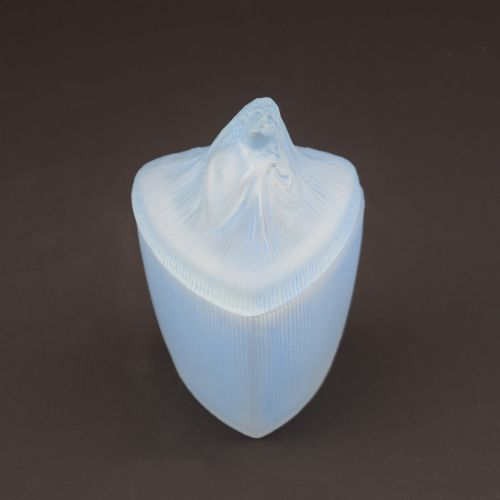
The strength of the opalescent effect dictates much of the visual appeal, as superior examples display vibrant blue and amber highlights under direct illumination. Crispness in the moulded relief detail ensures the botanical and figurative motifs remain sharply defined.
Depth of colour saturation within amber glass and the overall crispness of the signature or mark contribute significantly to a piece's standing. Proportion and balance in the heavy glass vessel dictate its final presence on a surface.
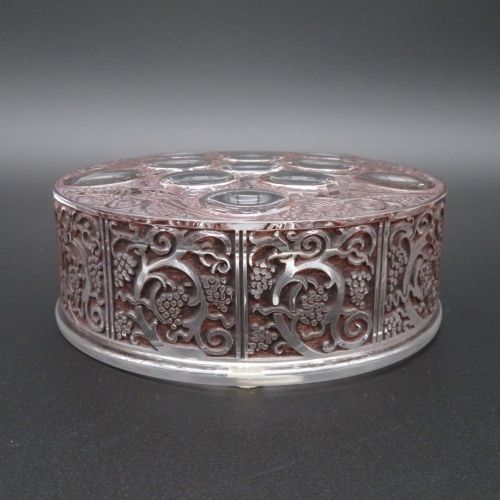
Listings feature opalescent glass, frosted glass, and crystal shaped into decorative bowls, plates, and powder boxes across the nineteen-twenties and nineteen-thirties.
Rene Lalique
The Art Deco Lalique Bowl Glossary
- Opalescent Glass
- Glass that milky-blue or amber shifts in colour when viewed from different angles. It relies on specific mineral additives during manufacture.
- Coupe Ouverte
- An open bowl or shallow vessel form often utilised for decorative centrepieces. These open shapes display the moulded interior reliefs clearly.
- Frosted Glass
- Glass treated to create a textured, matte surface that diffuses light. This finish contrasts sharply with polished clear areas on the same piece.
- Plafonnier
- A ceiling bowl or shallow shade designed to hang flat against a room's upper surface. They share the same moulded glass characteristics as tabletop vessels.
- Moulded Glass
- Glass formed by pressing molten material into a metal or wooden matrix. This method permits complex three-dimensional patterns to repeat accurately.
Art Deco Lalique Bowl: Frequently Asked Questions
What is an art deco lalique bowl used for?
These decorative vessels serve primarily as visual centrepieces on tables, sideboards, or open shelves within a room. Their sculptural forms and textured glass surfaces allow them to stand alone as works of art without needing contents.
Historically, similar glass bowls also functioned as powder boxes, small receptacles, or lighting plafonniers. Today, collectors display them primarily to appreciate the interplay of moulded relief and opalescent light.
How do I identify periods of lalique glass?
Pieces originating from the nineteen-tens and early nineteen-twenties often exhibit transitional art nouveau influences alongside early geometric deco tendencies. Signature styles and registry marks shifted across these decades, reflecting changing manufacturing techniques.
Items dated to the nineteen-thirties typically display bolder modernist lines and more stylised motifs such as fish, flora, and abstract patterns. Comparing the specific moulding style and catalogue nomenclature helps narrow down the production era.
What makes opalescent glass change colour?
The milky-blue or amber luminescence results from light scattering through microscopic particles suspended within the glass matrix. When illuminated from the front, the glass appears warm, but transmitted light reveals cool blue tones.
This optical property was a signature achievement of twentieth-century glass chemistry. The density of the opalescence varies depending on the specific batch recipe and cooling duration.