
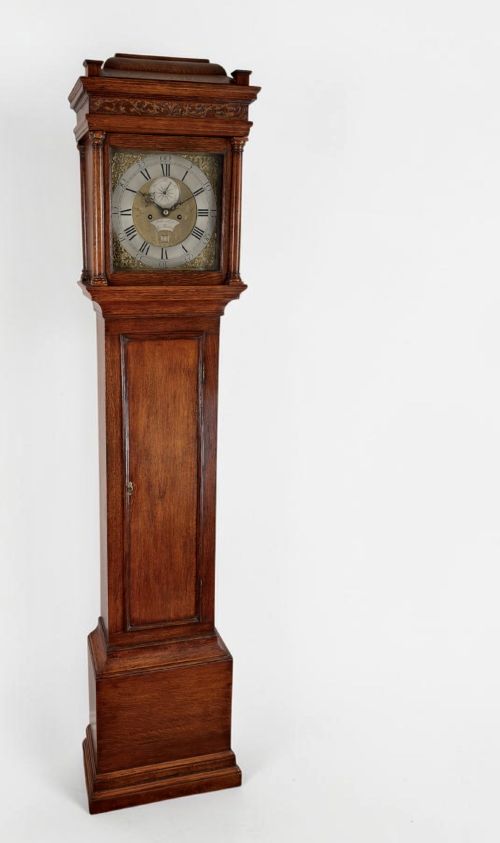
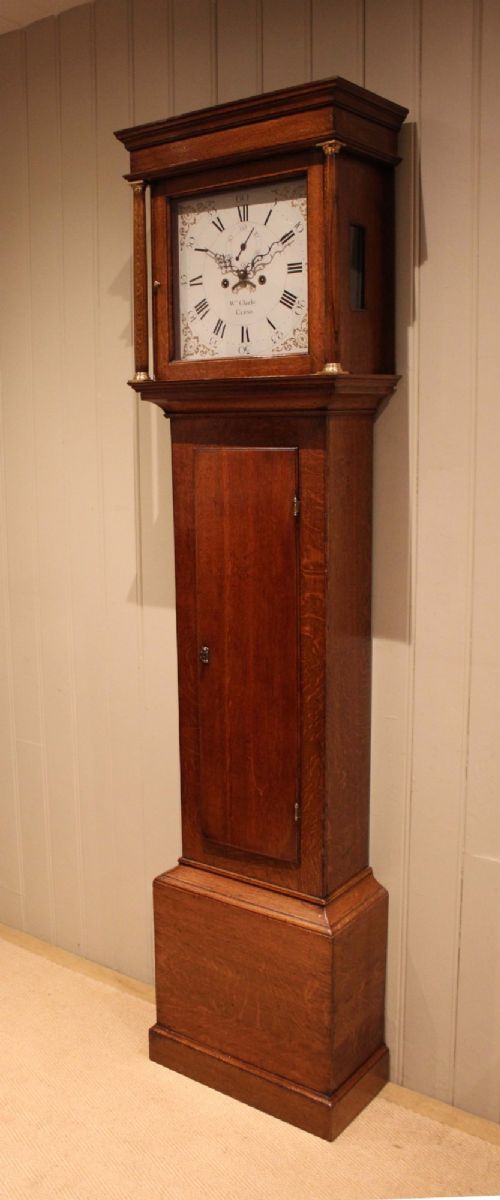
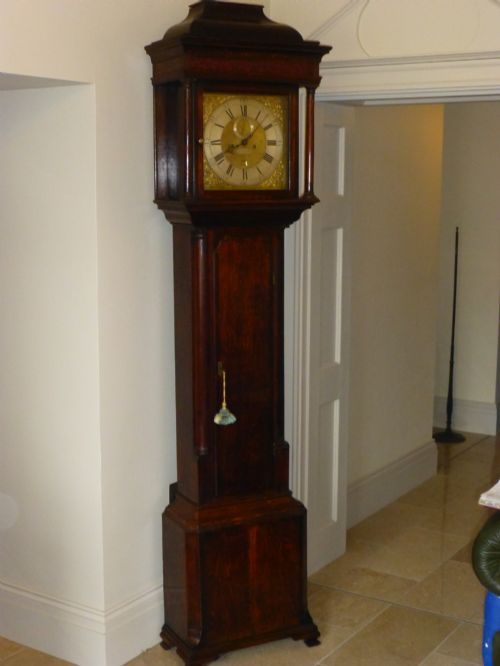
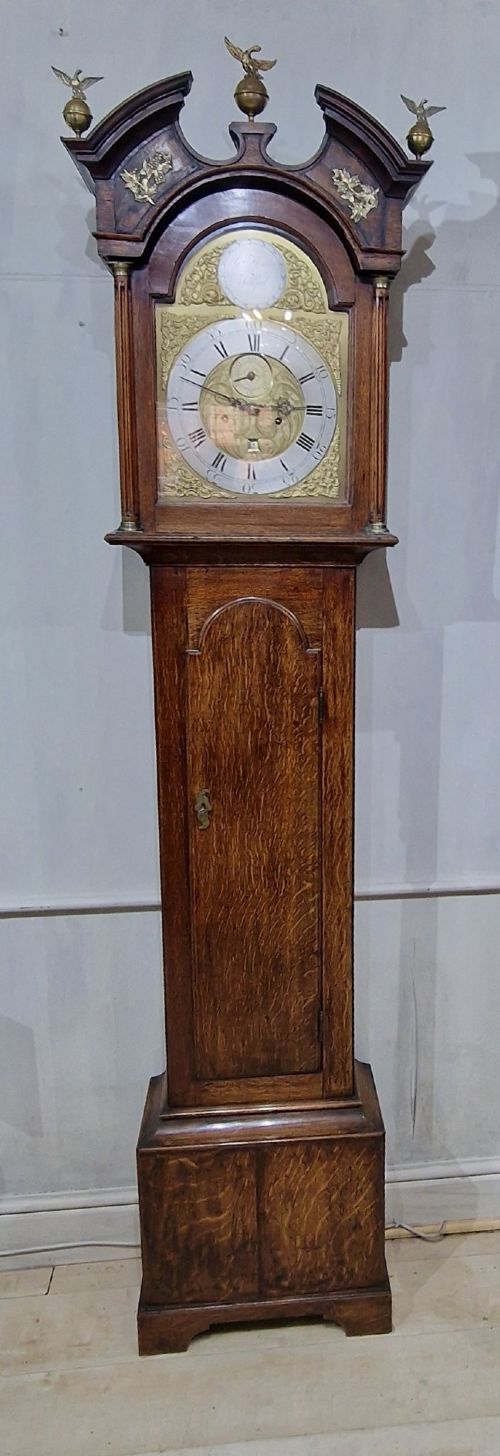
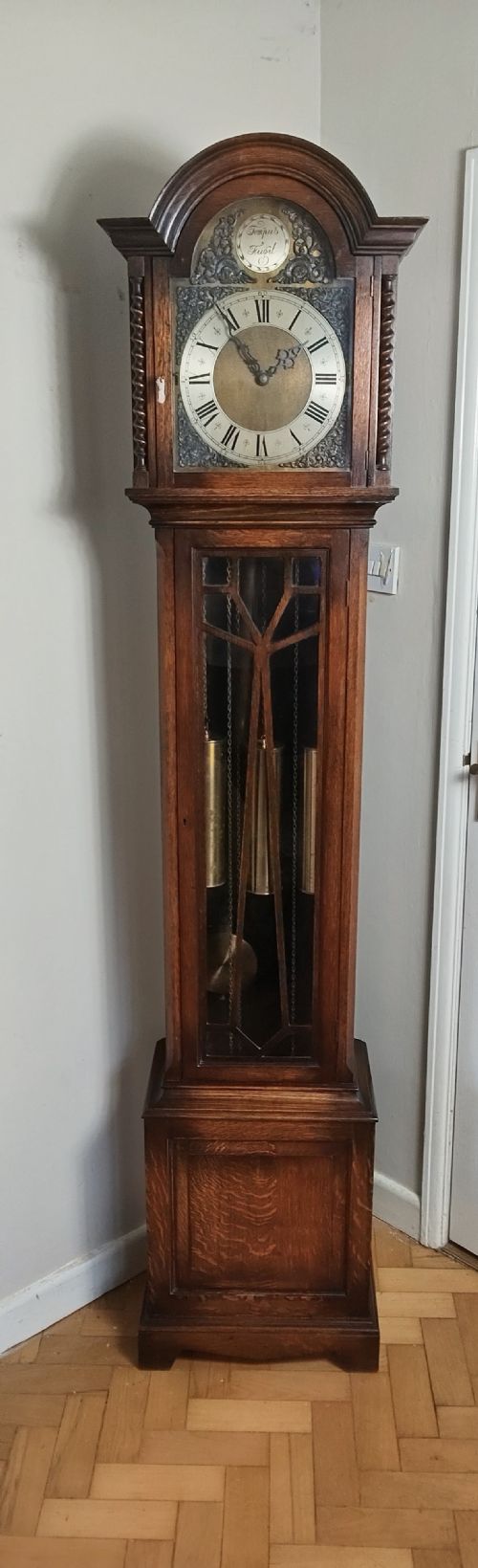
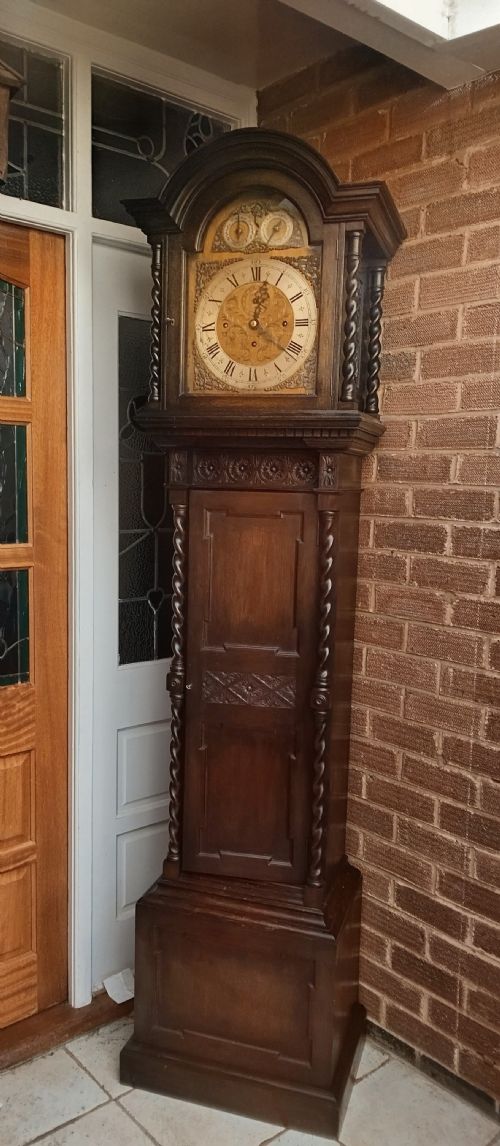
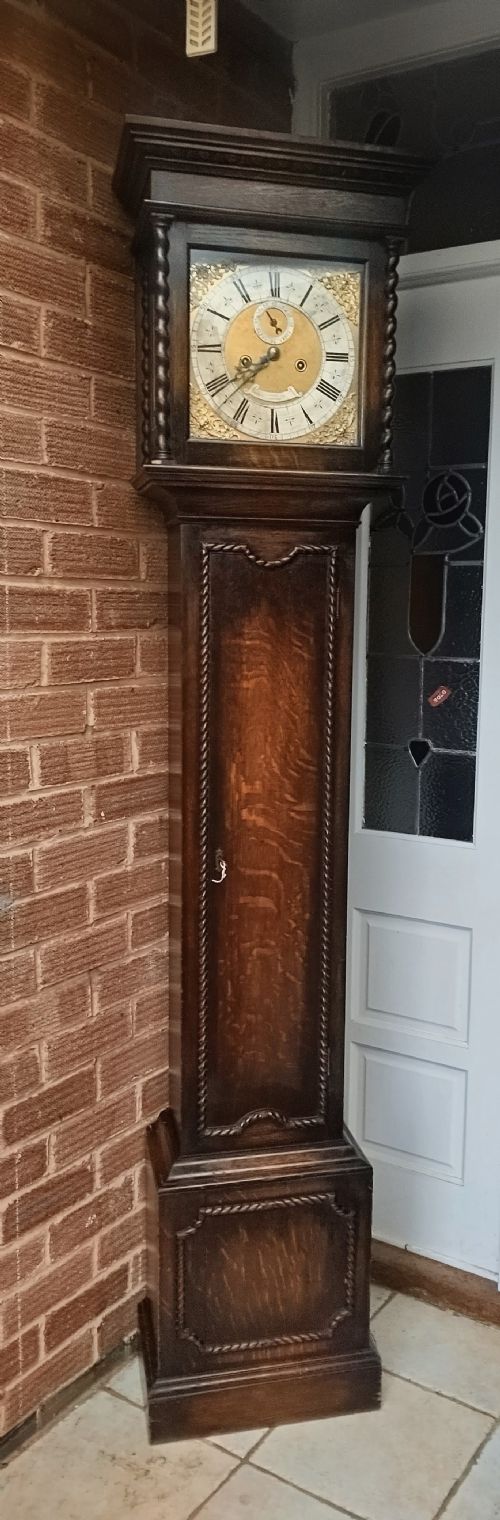
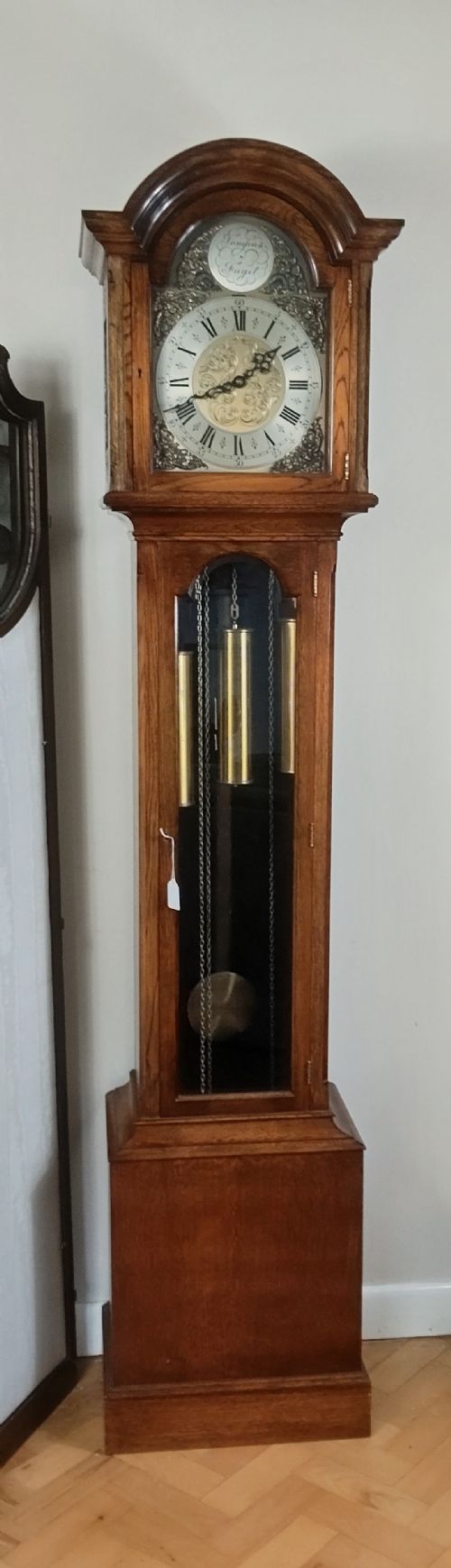


Oak Floor Standing Clock
An oak floor standing clock brings timeless mechanical presence into a room, measuring the hours through weights and swinging pendulums.
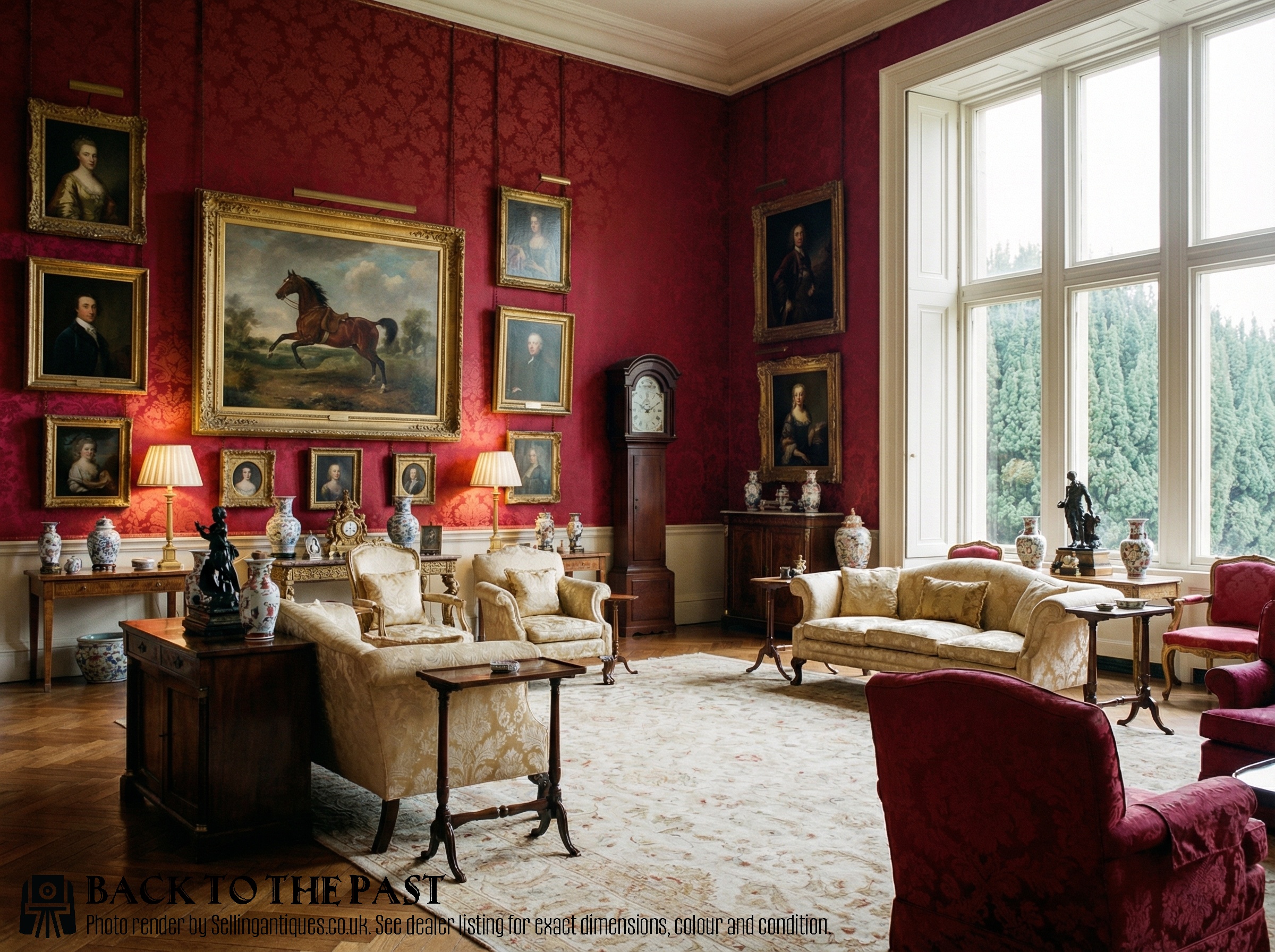
Oak Floor Standing Clock
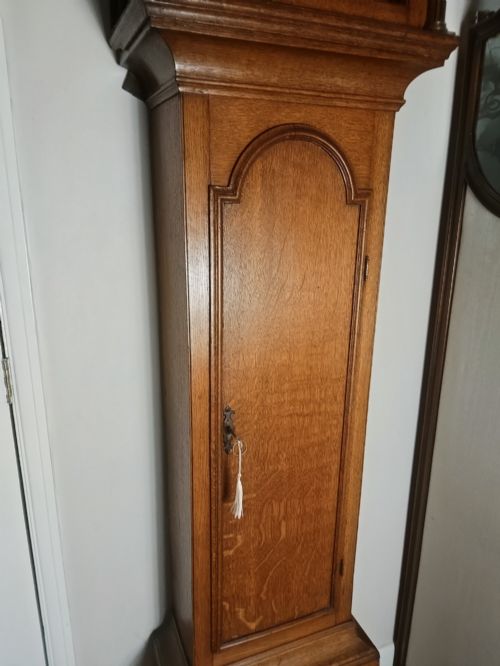
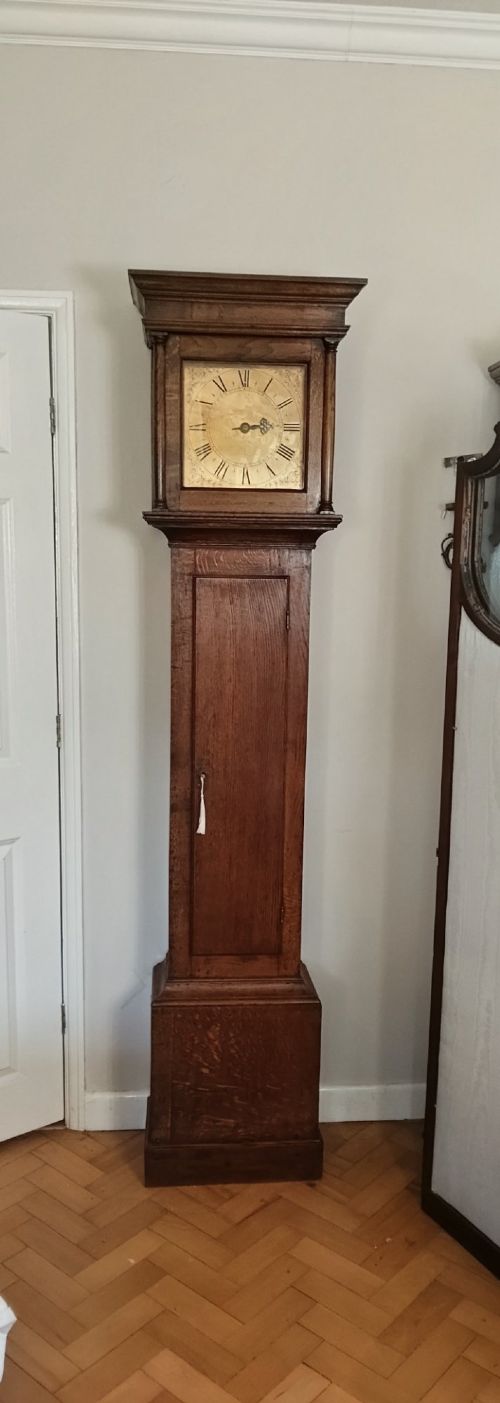
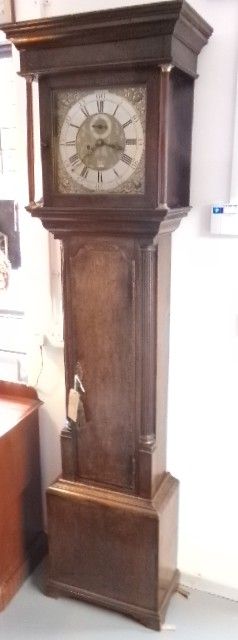
An oak floor standing clock, frequently called a longcase or grandfather clock, stands tall to house a weight-driven movement and pendulum safely within a wooden trunk. Buyers investigating these pieces encounter substantial timber cases built to protect delicate internal mechanics from dust and air currents while anchoring the instrument firmly against a wall.
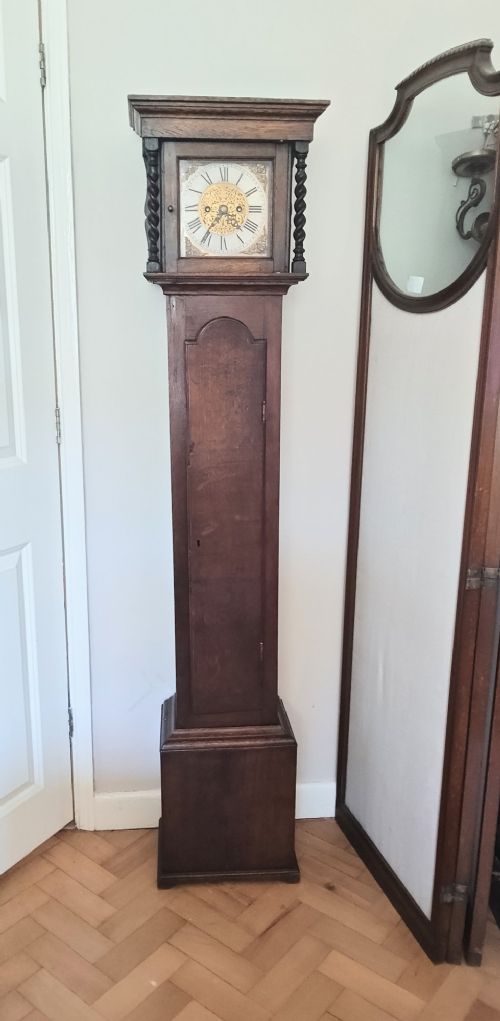
The versions most common on this page date from the Georgian and eighteenth-century periods, constructed primarily in solid oak with brass or painted iron dials. Alongside these traditional tall formats, smaller nineteenth-century and twentieth-century examples appear as grandmother clocks or musical models with chiming mechanisms.
Makers housed these movements in tall wooden housings divided into a hood enclosing the dial, a trunk containing the swinging pendulum, and a sturdy base. The resulting vertical furniture combined utility with domestic status, serving as both timekeeper and architectural feature in period homes.
Materials and construction methods
Cabinetmakers built these tall cases predominantly from solid oak, sometimes banding or crossbanding the timber with mahogany or walnut to create contrast around the door and dial aperture. Glass protected the face within the hood, while iron, steel, and brass formed the intricate gear trains, wheels, and escapements that powered the clock.
Dial faces combined engraved or silvered brass chapters with cast brass spandrels in earlier examples, shifting later towards painted iron surfaces decorated with floral motifs or lunar phases. Weights cast in iron hung on cords or chains inside the trunk, driving the movement as gravity pulled them slowly downward over thirty-day or eight-day cycles.
Some tall clocks hide three separate weights inside the narrow oak trunk, powering melodies, chimes, and timekeeping all at once.
Distinctions in craftsmanship
Quality rests in the precision of the movement and the integrity of the timber case, separating straightforward domestic timepieces from complex musical or quarter-chiming instruments. Finer examples display crisp engraving on the brass dial, signed by named regional or London makers, alongside well-proportioned oak cabinetry with minimal replacement parts.
The execution of the joinery and the sophistication of the gear train dictate the standing of the piece within the range. Clocks featuring secondary woods, heavily altered dials, or mismatched movements sit lower in desirability than those retaining their original relationship between case, dial, and internal mechanism.
Lee of Great Marlow·Richard Corless of Stockport·James Hendrie·Thomas Webbe of New Quay·Thomas Utting of Yarmouth·Richard Prew Of Tewksbury·John Wylde
The Oak Floor Standing Clock Glossary
- Longcase clock
- A tall, weight-driven pendulum clock housed in a protective wooden case standing directly on the floor.
- Grandmother clock
- A smaller, more compact version of the traditional longcase clock, typically produced in the nineteenth or twentieth century.
- Grandfather clock
- A colloquial term for a standard full-height longcase clock, originating from the popular nineteenth-century song.
- Spandrel
- The decorative metal corner ornament fixed to the dial face outside the chapter ring, often cast in brass during the eighteenth century.
- Moonphase
- A mechanical dial display tracking the lunar cycle through successive phases from new moon to full moon.
Oak Floor Standing Clock: Frequently Asked Questions
How do eight day and thirty hour clocks differ?
An eight-day movement requires winding once a week using a crank key to pull up the suspended weights inside the trunk. Thirty-hour movements need winding daily because their drive trains use shorter drops or simpler gear arrangements.
Both systems use hanging weights, but the internal wheel count changes how often the owner must attend to the mechanism to keep the pendulum swinging.
Where should an oak floor standing clock be placed?
These clocks require a stable, dry interior wall away from direct sunlight, heating vents, and damp floorboards. Securing the tall oak case to the wall prevents accidental tipping and ensures the pendulum hangs in true vertical alignment.
Proper placement on a firm surface allows the anchor escapement to maintain an even tick, which keeps the timekeeping accurate over the winding cycle.
How can I tell an eighteenth century dial from a later one?
Eighteenth-century faces usually feature cast brass dials with applied silvered chapter rings and detailed brass spandrels in the corners. Painted iron dials became common toward the end of the Georgian period and through the nineteenth century, often showing floral corners or painted moon phases.
Examining the signature and the mounting pins behind the dial helps confirm whether the face belongs to the original period of the oak case.
What is a strike and silent mechanism?
A strike and silent feature allows the owner to manually disengage the striking train so the clock remains quiet during the night. A small lever on the dial face lifts the rack and snail mechanism, preventing the hammer from hitting the bell or gongs.
This control mechanism offered domestic convenience in sleeping quarters while preserving the hourly time-striking function during daytime hours.