

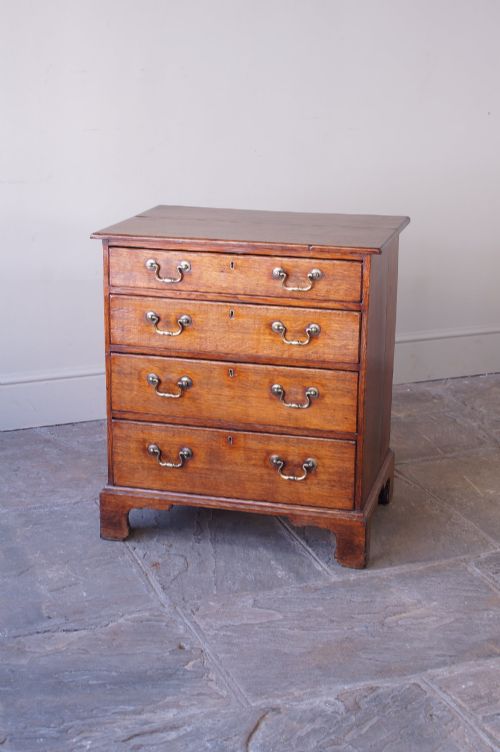
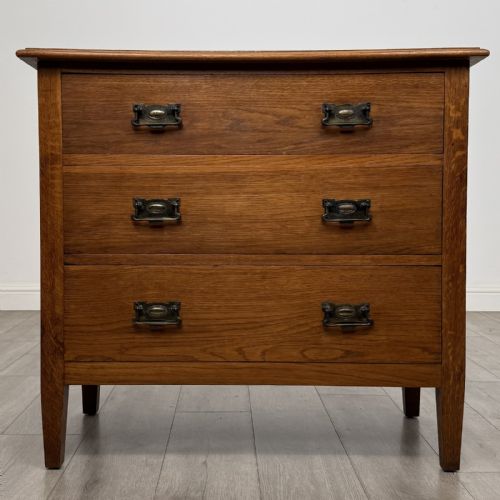
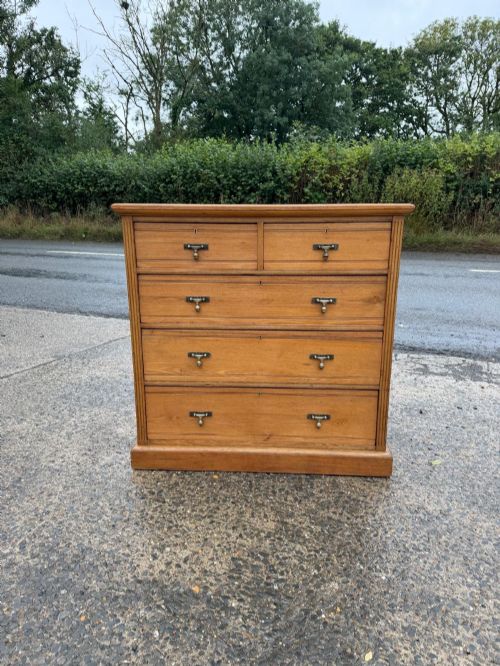
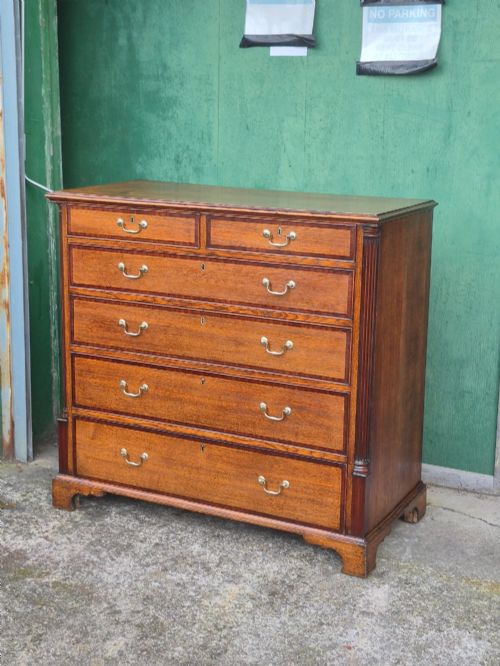
Oak Chest with Brass Handles
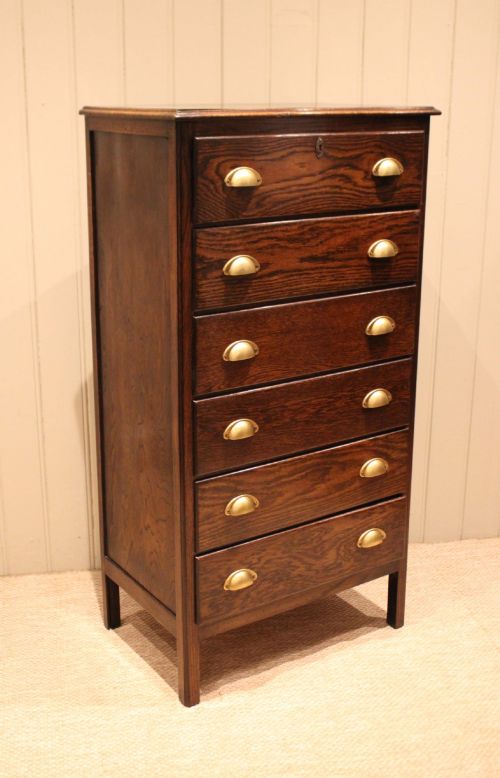
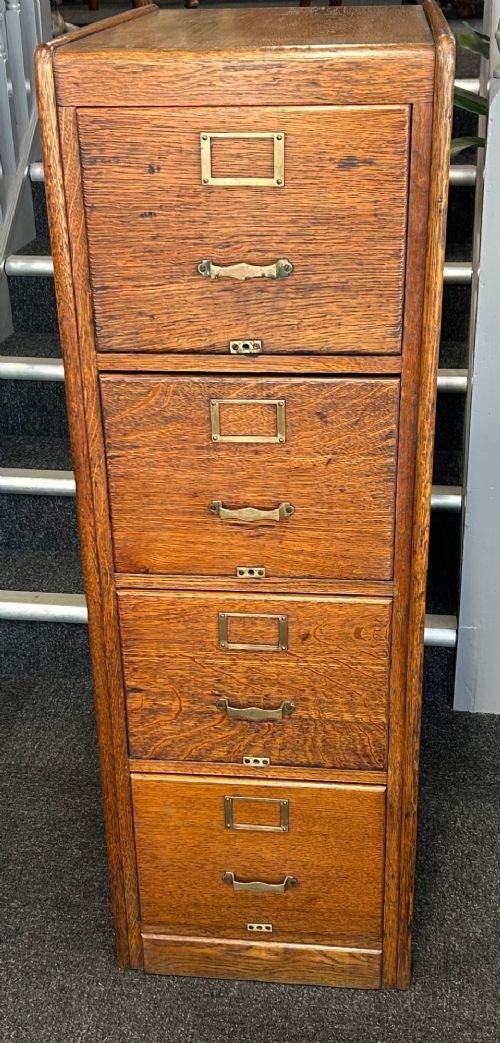
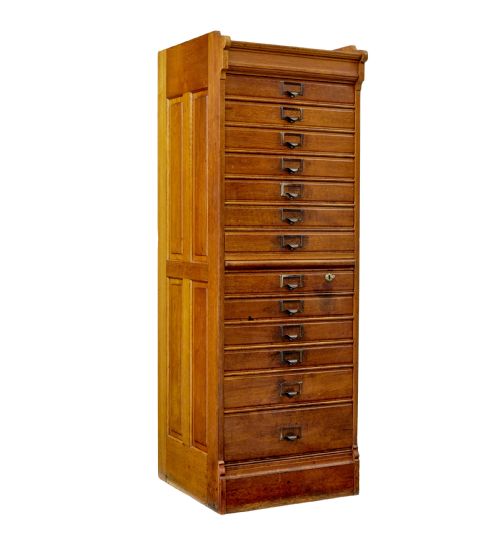
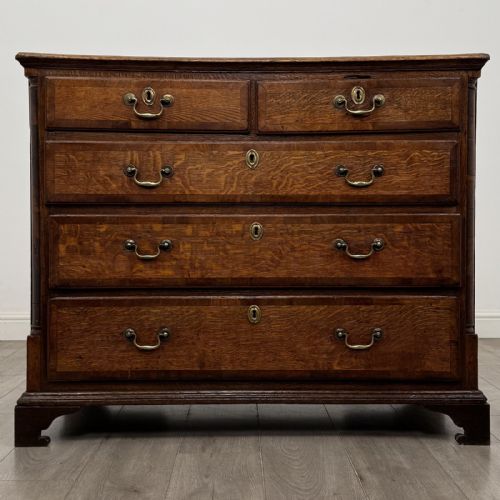
An oak chest with brass handles provides sturdy domestic storage, bringing timber grain and metalwork together in a practical form for modern interiors.
Oak Chest with Brass Handles
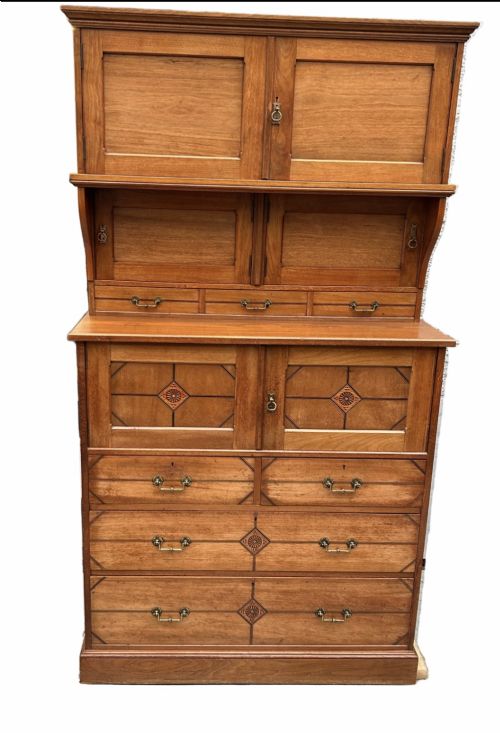
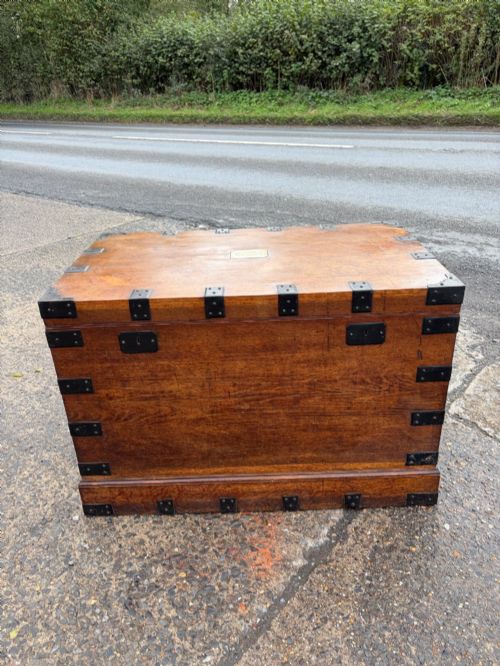
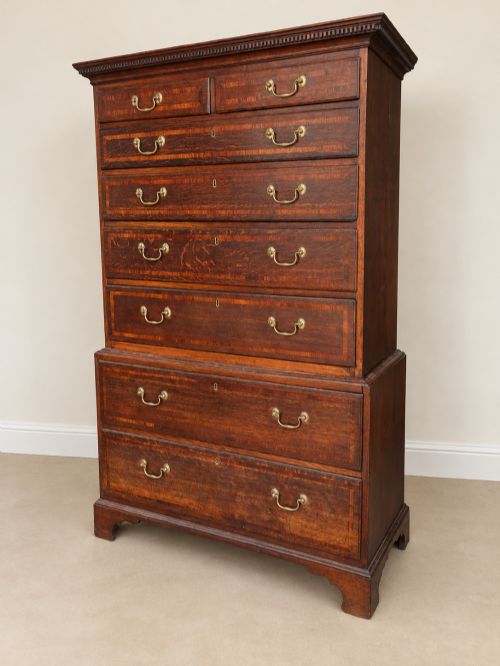
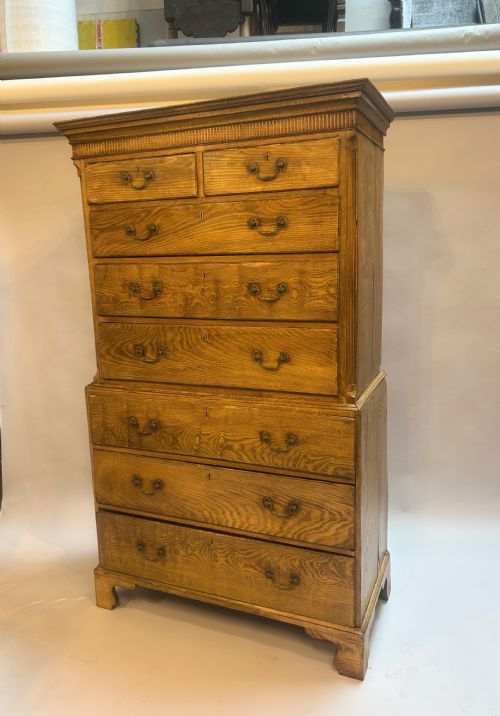
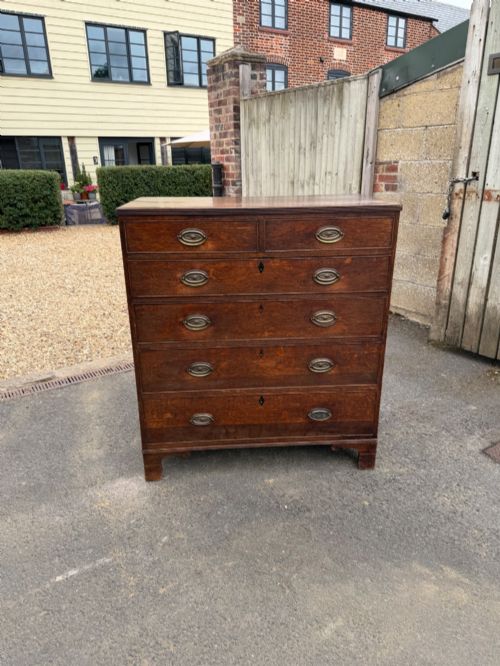
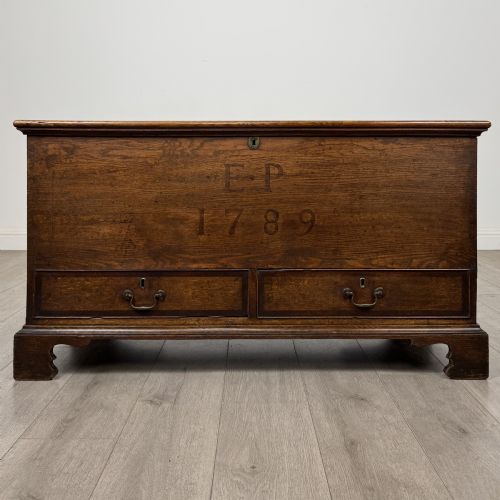
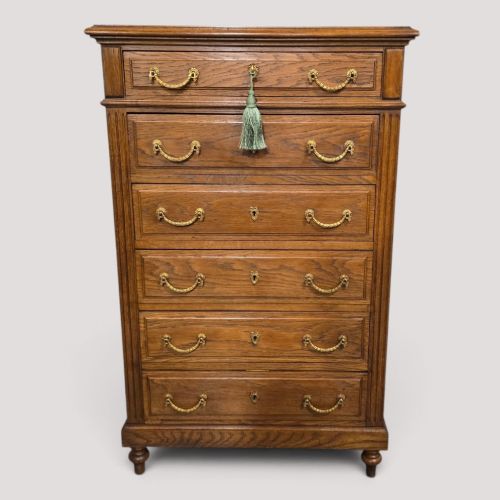
An oak chest with brass handles spans several centuries of domestic storage, appearing in forms from simple mule chests to tall chests of drawers and cabinets. The pieces seen here stretch from the seventeenth century through the Georgian and Victorian eras into the twentieth century, reflecting shifting domestic needs.
Buyers most frequently encounter Georgian and eighteenth-century examples featuring straightforward drawer configurations alongside mule chests that incorporate lower storage compartments. Regional pieces display local timber choices and handling, while Victorian and Edwardian iterations introduce alternative proportions and specialised interior fittings.
Materials and construction
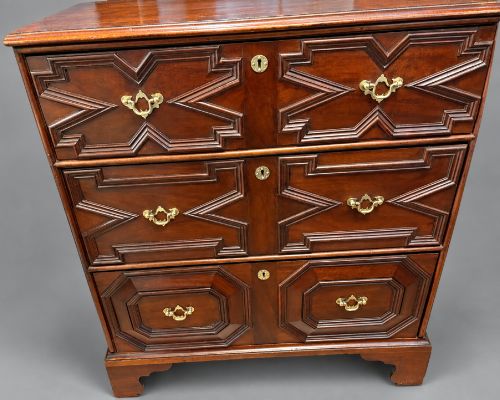
Makers built these pieces primarily using solid oak timbers, occasionally supplementing them with secondary woods like pine or mahogany for drawer linings and internal framing. Surfaces frequently display visible grain patterns, sometimes enhanced through crossbanding, panel construction, or moulded geometric fronts.
Metal furniture mounts, including drop handles, swan neck pulls, and lion head motifs, were cast or stamped in brass and secured directly to the drawer fronts or panelwork. These metal elements function both as operational hardware and as visual contrast against the dark timber.
Oak Chest with Brass Handles Retail Price Guide 2026
Typical asking prices for oak chest with brass handles among the pieces listed under this phrase on Sellingantiques today, from the lower quarter to the upper quarter. They describe what is for sale here now, not the wider market.
The listings on this site combine solid oak carcases with brass hardware across periods spanning the seventeenth century to the 1920s.
Assessing quality
Quality in these pieces rests upon the integrity of the timber construction and the retention of original hardware rather than decorative excess. Finer examples display careful jointing, well-fitted drawer linings in oak or mahogany, and proportions that balance the weight of the timber.
The presence of original brass handles and matching mountings distinguishes superior pieces from those altered by later replacements. Surface patination, achieved through decades of handling and wax polish, also marks the distinction between well-preserved items and over-restored surfaces.
The Oak Chest with Brass Handles Glossary
- Mule chest
- A storage chest fitted with one or more drawers beneath the main lift-top compartment. This form bridges the traditional trunk and the drawer chest.
- Crossbanding
- A narrow strip of veneer applied to the edges of drawer fronts or tabletops with the grain running perpendicular to the surrounding surface. It adds a neat border of contrasting timber figure.
- Swan neck handle
- A metal pull shaped like a recurved bird's neck, fastened to backplates on drawer fronts. It represents a characteristic fitting of the eighteenth century.
- Bracket foot
- A corner foot shaped like a small bracket, supporting the base of a cabinet or chest. It lifts the case slightly off the floor.
- Patina
- The surface sheen and colour acquired by wood and metal over long periods of use and polishing. It serves as an indicator of age and handling.
Oak Chest with Brass Handles: Frequently Asked Questions
What is a mule chest?
A mule chest combines a traditional hinged-lid storage compartment at the top with one or more functional drawers built into the base below.
This hybrid form emerged when makers realised adding drawers improved access to stored items without requiring the user to lift the entire contents.
How do I date an oak chest?
Dating relies on observing construction methods, timber selection, moulding profiles, and the style of the brass hardware attached to the drawers.
Earlier pieces from the seventeenth century typically feature hand-cut joinery and geometric panel work, whereas eighteenth and nineteenth-century examples shift towards refined drawer proportions and specific handle designs.
Where should I place an oak chest?
These pieces suit living rooms, hallways, or bedrooms where their robust timber construction and storage capacity can be utilised daily.
Positioning them away from direct heat sources protects the solid oak and maintains the stability of the wood over time.
Are the brass handles original?
Determining originality involves looking at the fit of the metal backplates against the timber surface and checking for older fixing holes left behind.
Original handles often show consistent wear and patination that matches the age of the surrounding wood and the drawer locks.