

Traditional Oak Blanket Trunk
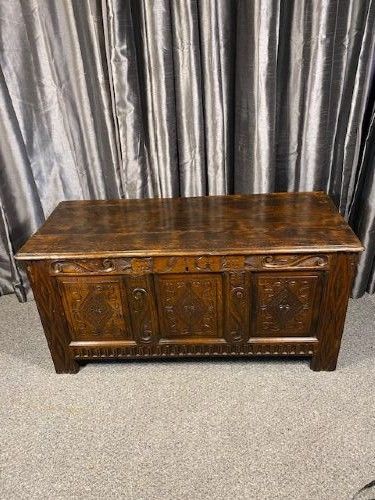
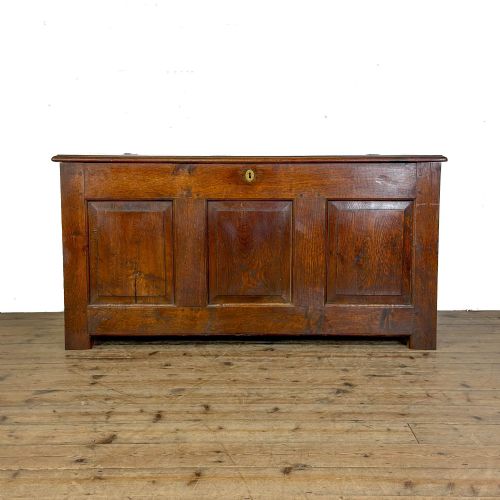
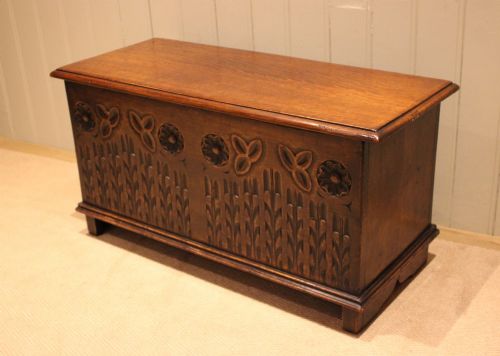
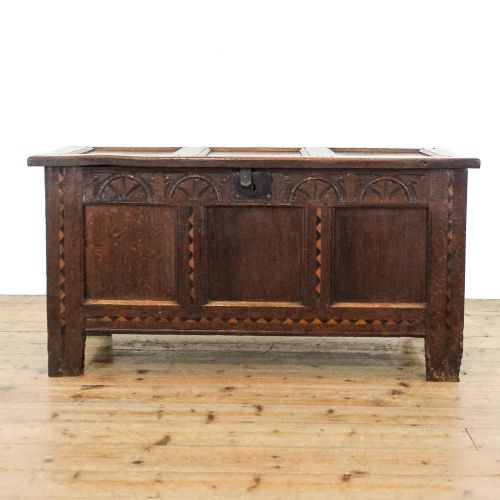
A traditional oak blanket trunk is a robust storage piece built to hold textiles, appearing here in regional forms spanning several centuries.
Traditional Oak Blanket Trunk
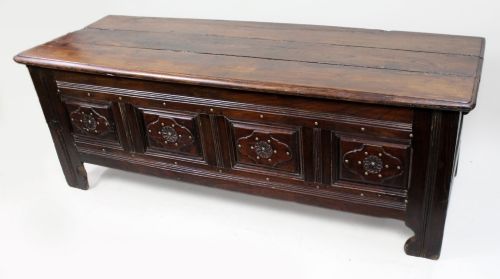
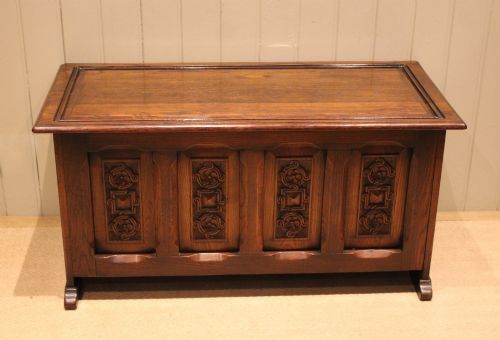
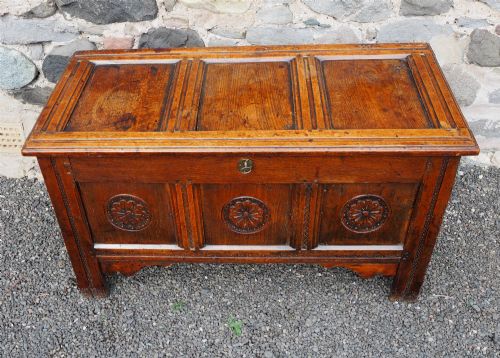
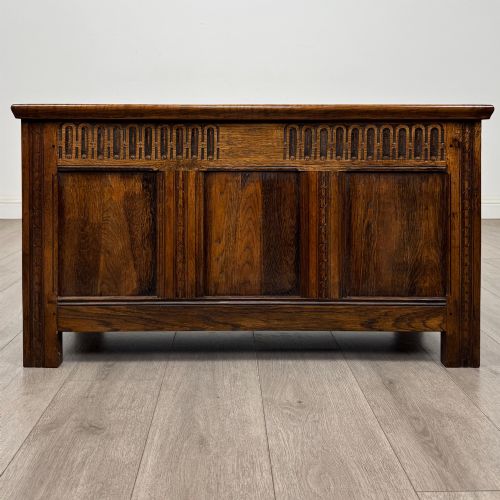
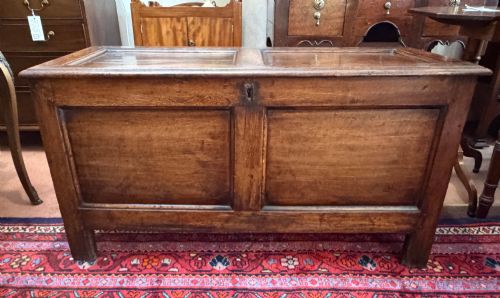
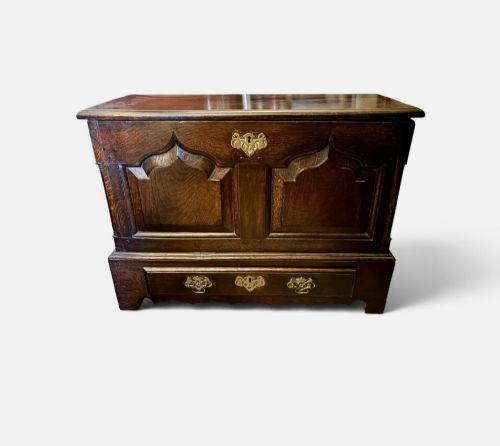
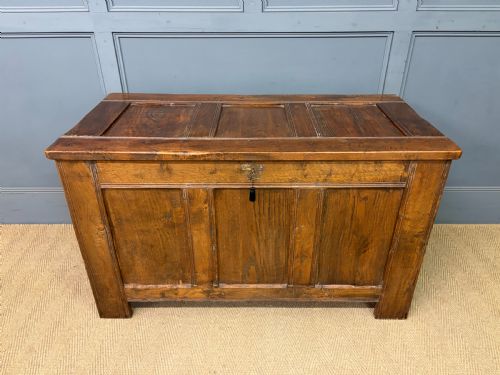
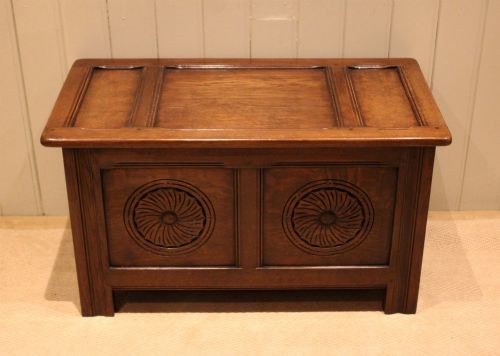
A traditional oak blanket trunk is essentially a heavy storage chest, historically utilised for domestic textiles, linens and garments. These items emerge in formats such as plain coffers, panelled chests and mule chests fitted with lower drawers.
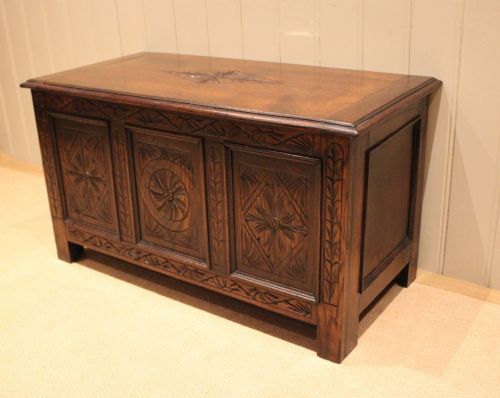
The pieces on this page span several distinct eras, reaching from the seventeenth century through the Georgian period into twentieth-century revivals. Buyers encounter everything from austere seventeenth-century joined examples to carved nineteenth-century country pieces and Edwardian blanket boxes.
Regional variations appear frequently among the listings, encompassing English country pieces, Welsh mule chests, Dorset coffers and French provincial trunks. Solid oak forms the primary structural constant across these diverse geographic origins.
Distinctions in quality
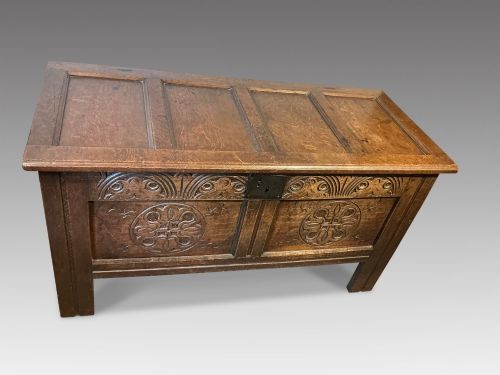
Quality in these trunks rests upon the integrity of the original construction, the depth of the timber's grain and the crispness of any carved ornamentation. Pieces displaying robust joined framing and period hardware stand apart from later revival items.
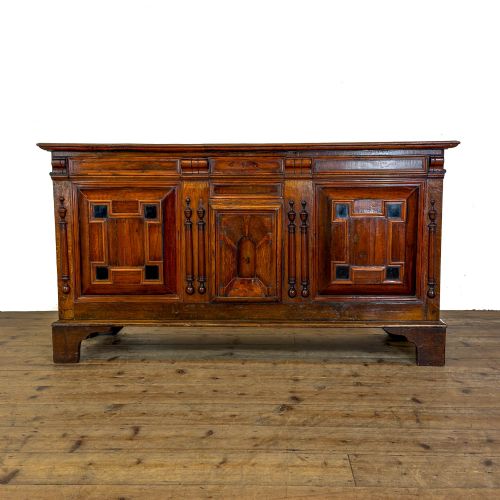
The choice of materials also signals grade, where secondary woods like pine indicate utilitarian regional output, while selected burr elm panels or intricate inlay point to finer workshops.
Listings on this page range from sixteenth-century Elizabethan chests to 1930s Jacobean revival pieces, constructed primarily in solid oak.
The Traditional Oak Blanket Trunk Glossary
- Coffer
- A large wooden chest traditionally used for storing valuables, linens or domestic provisions. These objects form the primary structural archetype for the blanket trunk.
- Mule chest
- A storage chest featuring one or more drawers built into the base beneath the main compartment. This form developed during the seventeenth and eighteenth centuries.
- Joined oak
- Furniture construction utilising mortise and tenon joints secured with wooden pegs. This technique defines seventeenth-century cabinet making.
- Burr elm
- A distinctive wood figure characterised by swirling grain patterns caused by tree growth growths. Cabinet makers utilised these panels for decorative contrast on lids and fronts.
Traditional Oak Blanket Trunk: Frequently Asked Questions
What is a traditional oak blanket trunk used for today?
These robust chests serve primarily as practical storage furniture in modern homes, holding spare blankets, winter duvets and household linens. Their flat tops also allow them to function effectively as low coffee tables or window seats.
Placing one at the foot of a bed provides convenient daily access to extra bedding while anchoring the room's proportions with period timber.
How do I tell a seventeenth-century trunk from a later revival?
Seventeenth-century examples display authentic joined construction with pegged mortise and tenon joints, hand-split oak panels and genuine age-related surface wear. The tooling marks left by hand adzes and pit saws remain visible upon close inspection.
Revival pieces made around nineteen-hundred often utilise machine-sawn timber, standardised fixings and uniform carving styles that lack the irregular vitality of early work.
What is the difference between a coffer and a mule chest?
A standard coffer consists of a single deep box accessed entirely through the hinged lid on top. This traditional design keeps textiles secure but requires reaching down to retrieve items at the bottom.
A mule chest incorporates one or two drawers built beneath the main storage well, allowing smaller garments to be accessed without disturbing the items stored in the upper compartment.
How should I care for an antique oak trunk?
Maintaining these wooden pieces requires placing them away from direct heat sources and sudden humidity shifts to prevent the oak from splitting. Feeding the dry timber occasionally with a quality beeswax preserves the natural lustre of the grain.
Avoid using modern silicone polishes, as these build up harmful residues over decades and degrade the traditional finish.