

Oak Bedroom Storage Chest
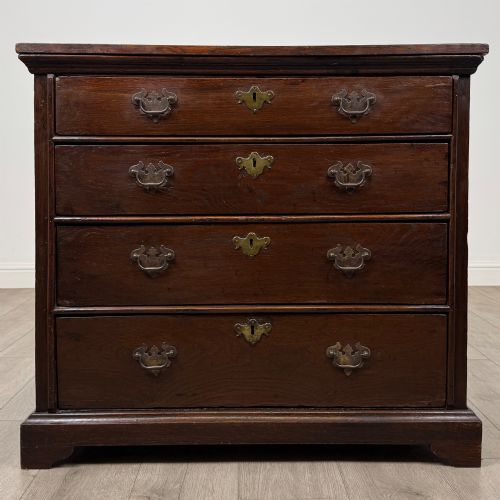
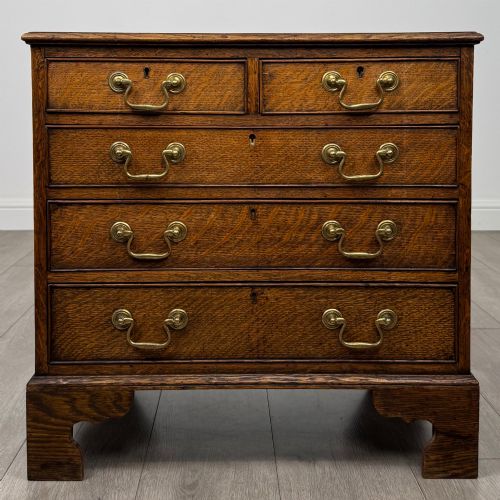
An oak bedroom storage chest brings solid timber grain and practical capacity to a room, spanning periods from the seventeenth century to the twentieth.
Oak Bedroom Storage Chest
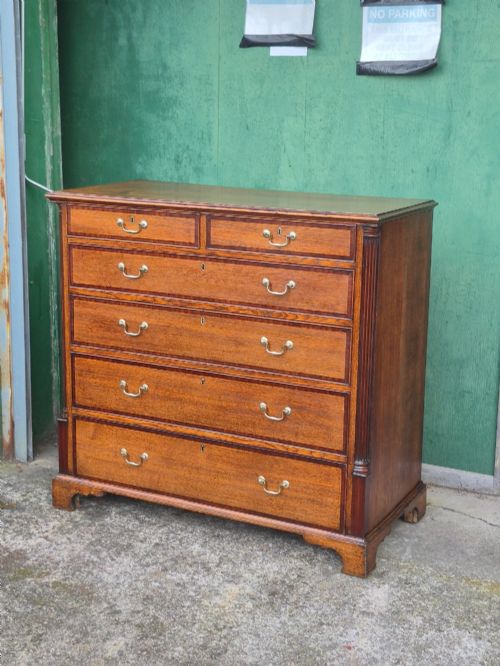
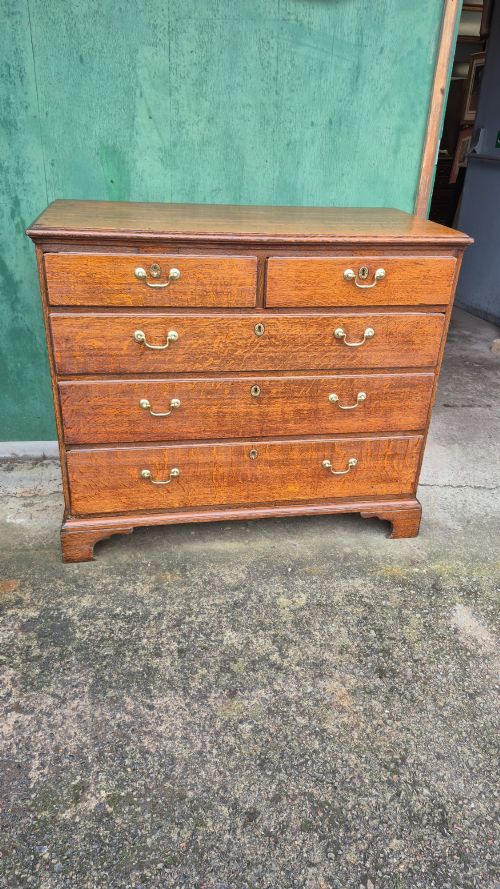
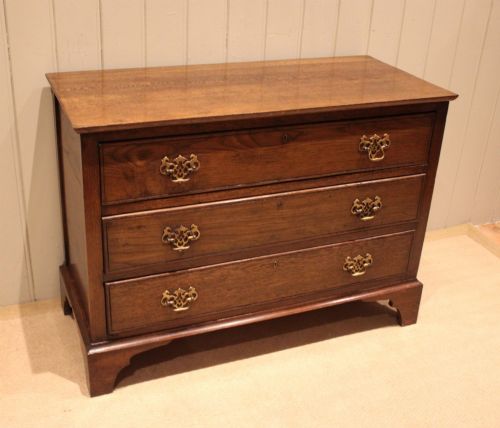
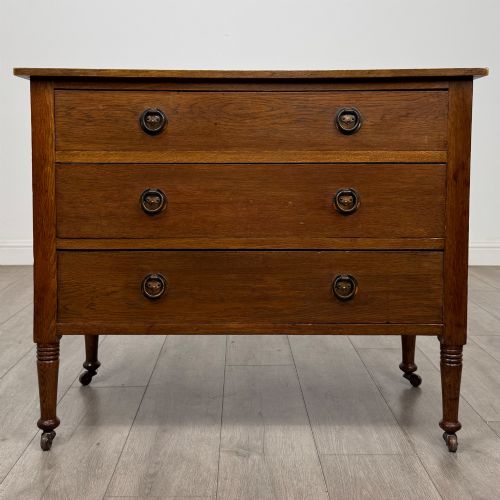
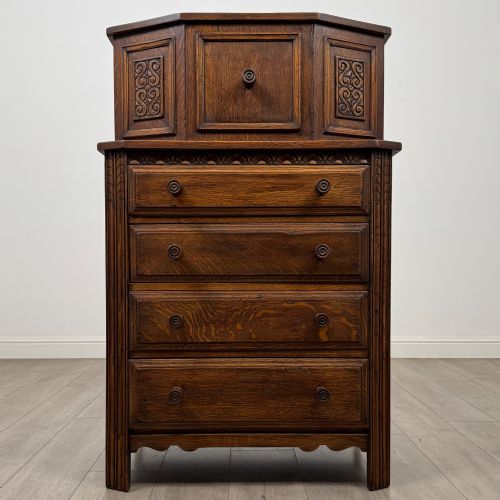
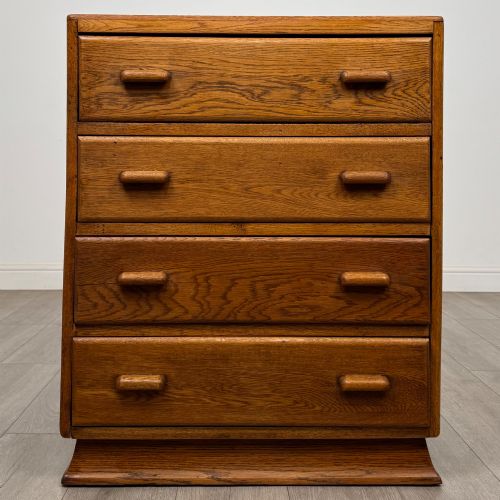
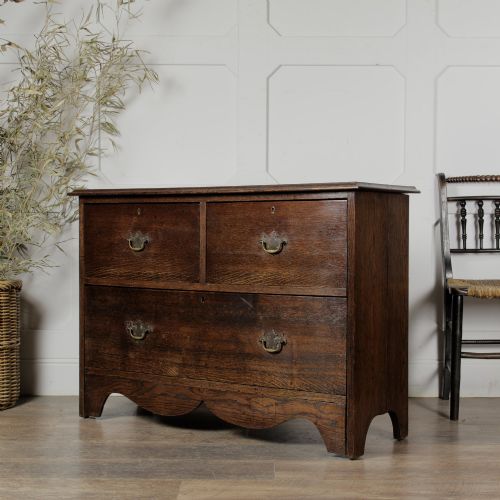
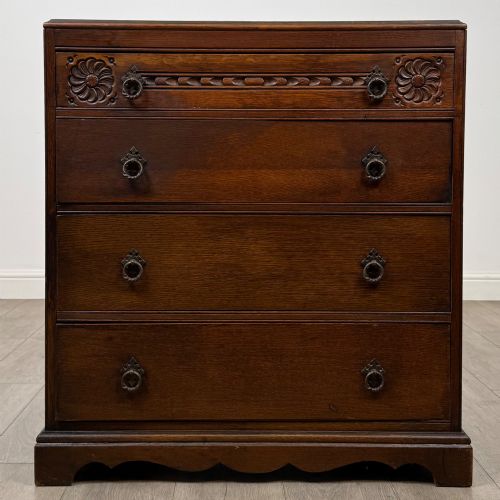
An oak bedroom storage chest principally takes the form of a chest of drawers, alongside tallboys, cupboards, trunks, and boxes designed for domestic utility. These pieces span multiple centuries, appearing in seventeenth-century formats, eighteenth-century Georgian designs, and later Edwardian or twentieth-century interpretations.
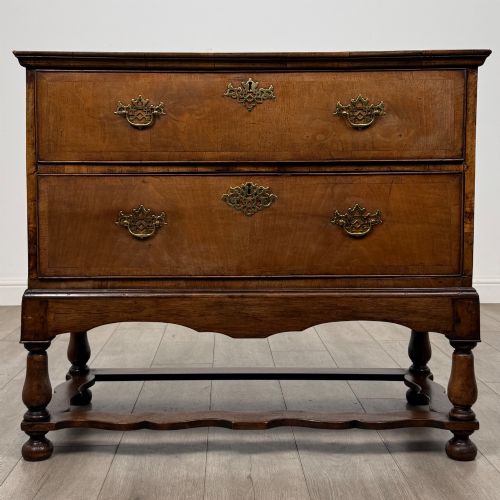
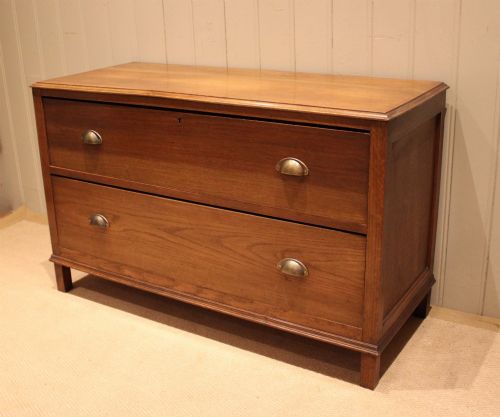
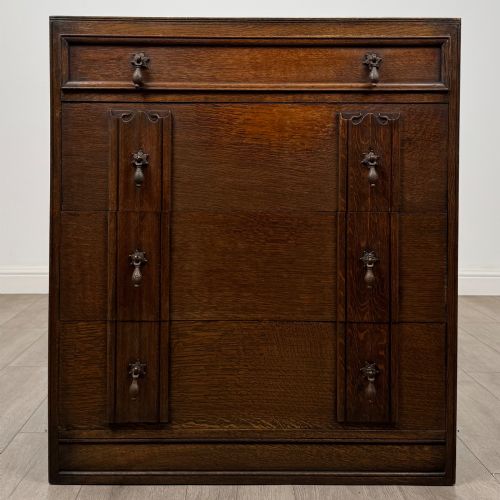
The version most commonly met on this page is the Edwardian or twentieth-century oak chest of drawers, frequently built with three or more drawers for everyday bedroom use. Alongside these, buyers encounter earlier Georgian examples in golden or brown oak, as well as distinct periods such as the seventeenth century.
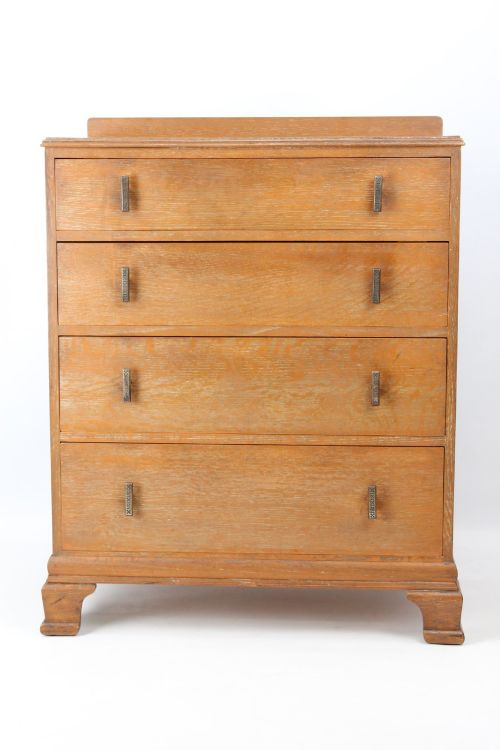
Regional variations and stylistic revivals influence the physical presence of these pieces, incorporating elements from William and Mary, Jacobean, Art Deco, and English Country traditions. Makers utilise specific period characteristics, such as carved panels or limed finishes, to define the storage form.
Character and Craftsmanship
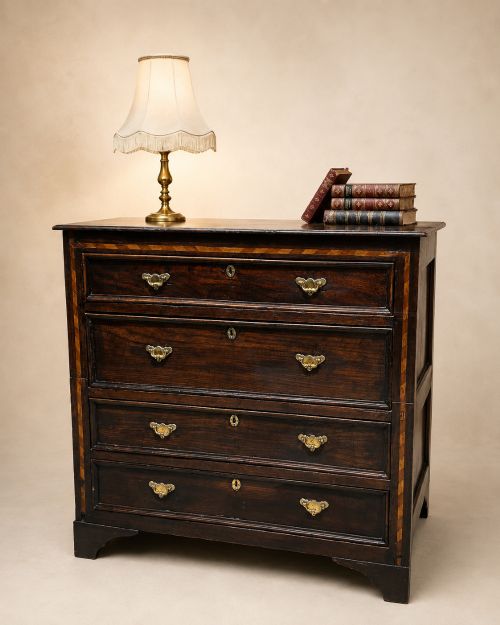
Quality separates pieces through the selection of timber grain, such as figured golden oak or carefully matched crossbanding, which elevates the visual impact of the chest. The integration of secondary woods like mahogany and walnut also marks a higher standard of construction.
Refinement in surface finish and decorative detail distinguishes finer examples, whether through crisp seventeenth-century carving, precise fruitwood inlay, or clean twentieth-century limed treatments. The integrity of original brass hardware and the smoothness of drawer operation further define the upper tier of the range.
Listings feature oak bedroom storage chests spanning from the 17th century through the Georgian and Edwardian eras into the 1930s.
The Oak Bedroom Storage Chest Glossary
- Crossbanding
- A decorative border of veneer laid with the grain running perpendicular to the main surface. This technique creates a neat framing effect around drawer fronts.
- Limed oak
- A finish produced by applying a white pigment or lime into the open grain of oak timber. This treatment lightens the natural tone and imparts a pale, textured appearance.
- Tallboy
- A tall storage unit comprising a chest of drawers stacked vertically, often combining a chest base with an upper section. It maximises vertical capacity within a bedroom.
- Carved oak
- Timber worked with gouges and chisels to form relief patterns, common in seventeenth-century pieces. Such decoration reflects the prevailing craftsmanship of the period.
- Trunks and boxes
- Enclosed storage containers fitted with hinged lids designed for portability or secure safekeeping. They represent an early precursor to fitted drawer storage.
Oak Bedroom Storage Chest: Frequently Asked Questions
How do I date an oak chest?
Dating relies on observing construction methods, timber choice, and stylistic details such as carved panels or brass hardware. Earlier pieces often feature hand-cut joinery and seventeenth-century motifs, whereas twentieth-century examples display cleaner lines or limed finishes.
Changes in drawer construction and secondary woods also provide clues to the era of manufacture. Comparing the overall form against documented period styles helps narrow down the decade or century.
What is limed oak?
Limed oak is a surface treatment where a white substance is rubbed into the open pores of the wood. This process highlights the distinctive grain pattern while giving the timber a pale finish.
Popularised during the twentieth century, this technique offers a lighter aesthetic compared to traditional dark brown oak finishes. It appears frequently on pieces from the 1930s and surrounding decades.
Are these chests suitable for modern bedrooms?
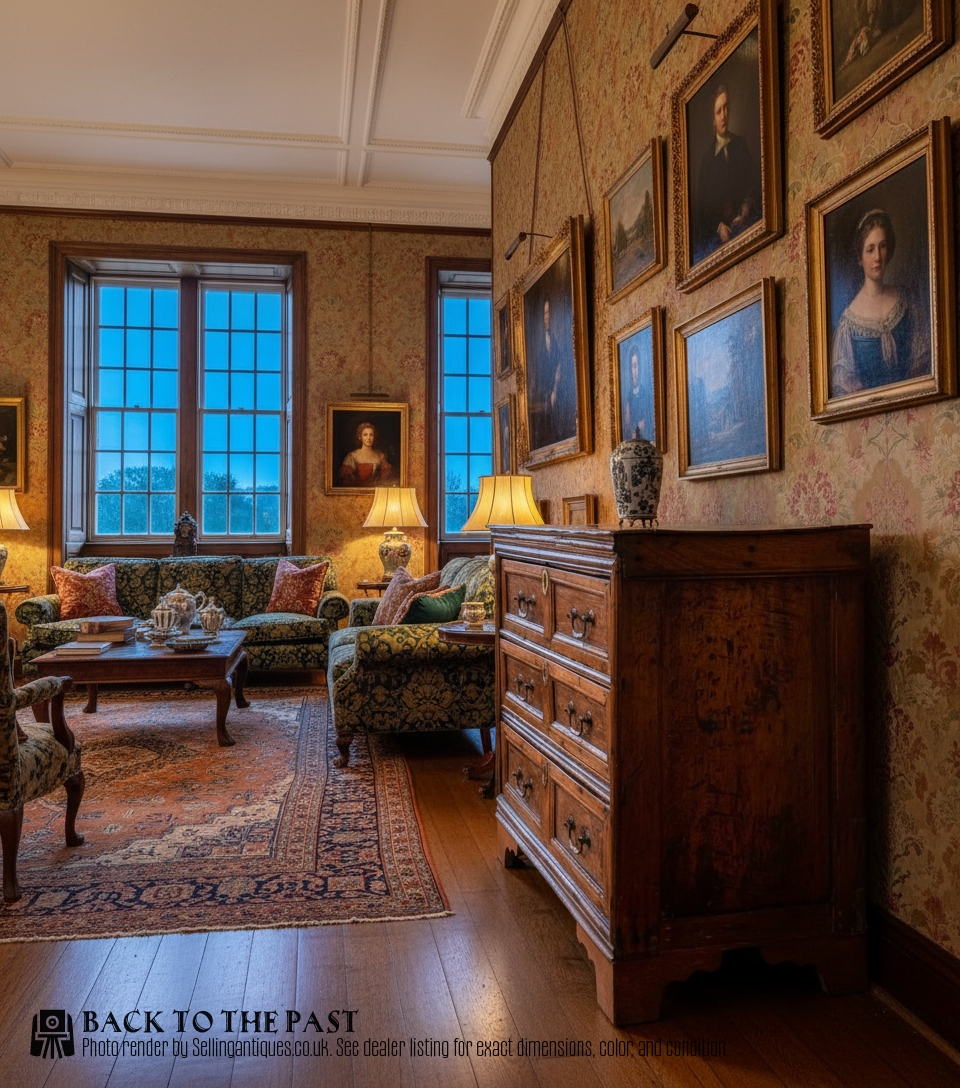
These pieces provide robust storage capacity combined with traditional timber character that suits contemporary interior schemes. Their diverse sizes, ranging from low chests to tallboys, allow them to fit various room layouts.
The durability of solid oak ensures they withstand daily domestic use while serving as a focal point. Mixing antique wood tones with modern decor adds texture and historical depth to a living space.
What is crossbanding?
Crossbanding involves applying a narrow band of veneer around the perimeter of a drawer front or tabletop. The grain of this border runs across the width of the strip rather than following the main panel.
This technique creates a decorative contrast, often pairing walnut or mahogany with an oak body. It signals an elevated level of cabinetmaking skill in Georgian and related pieces.