

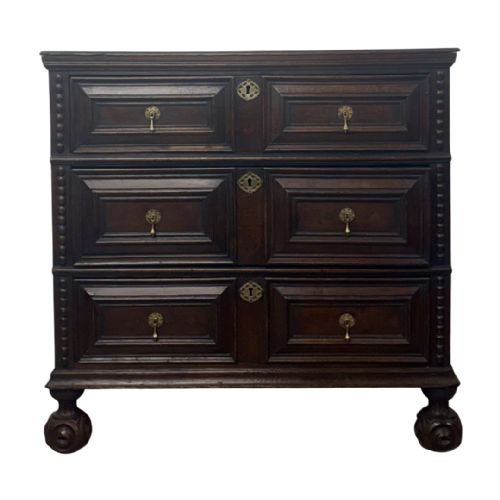
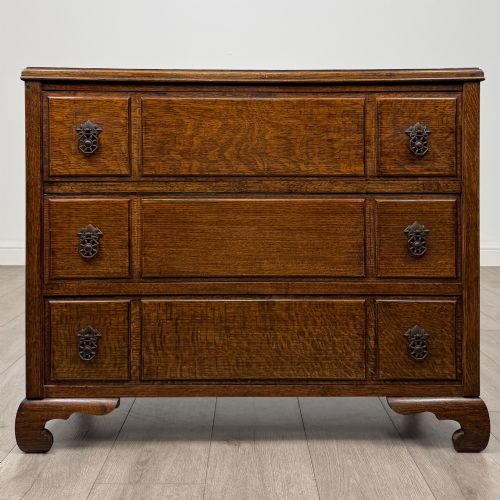
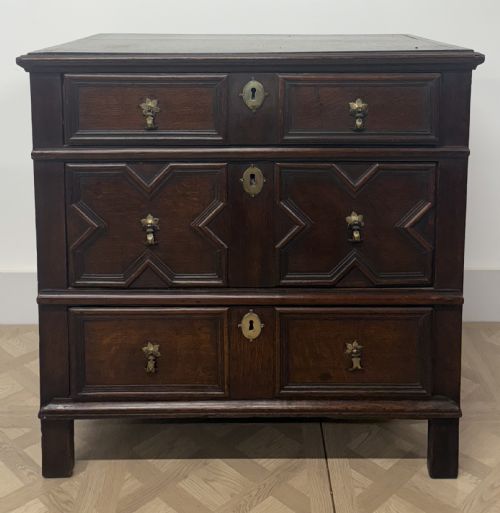
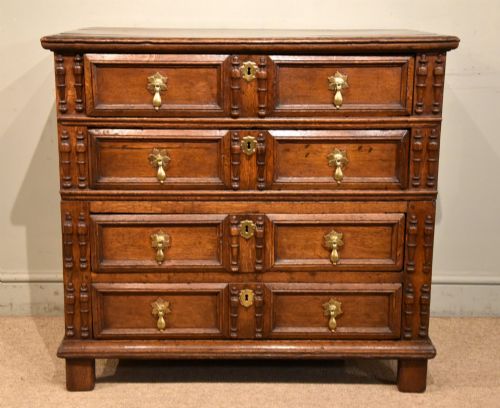
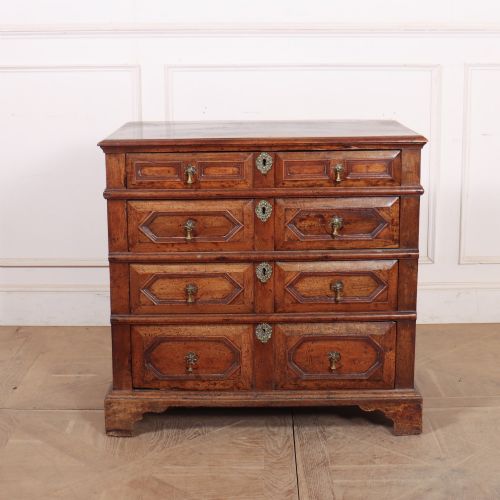
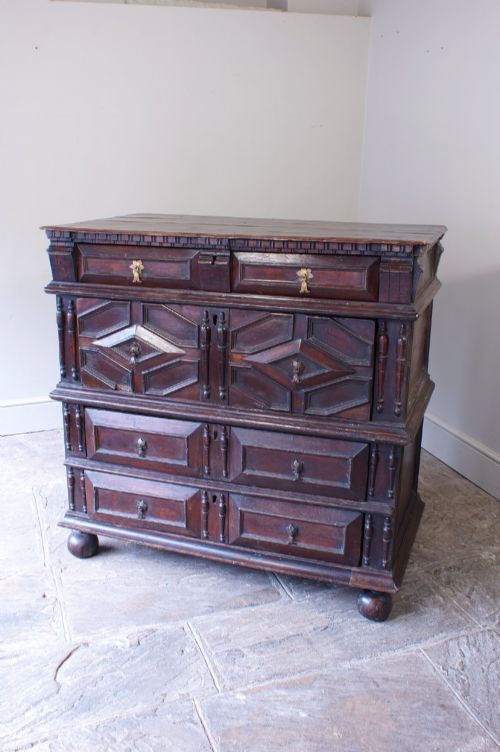


Jacobean Panelled Oak Commode
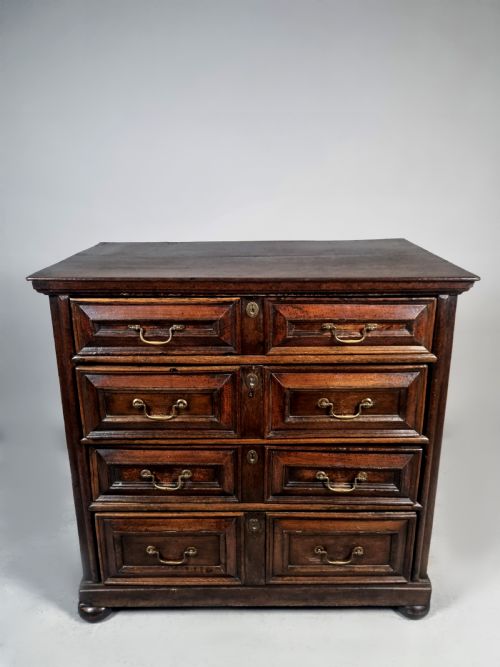
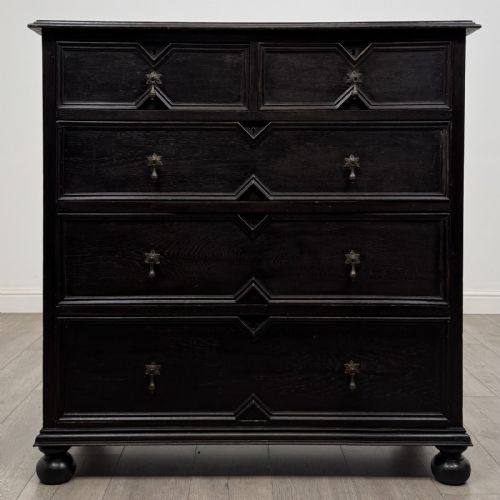
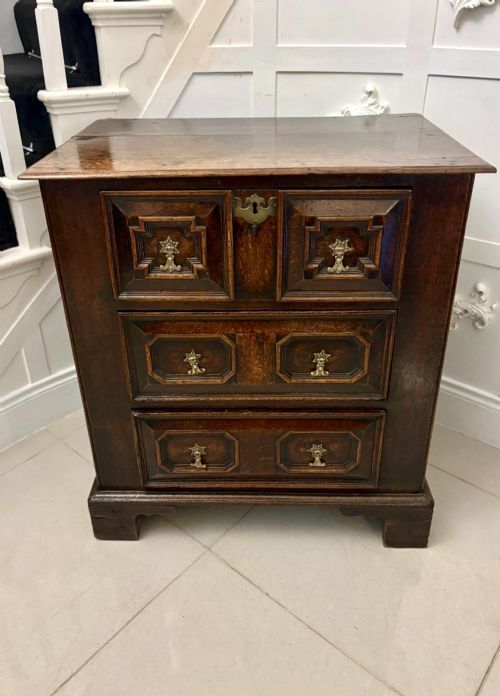
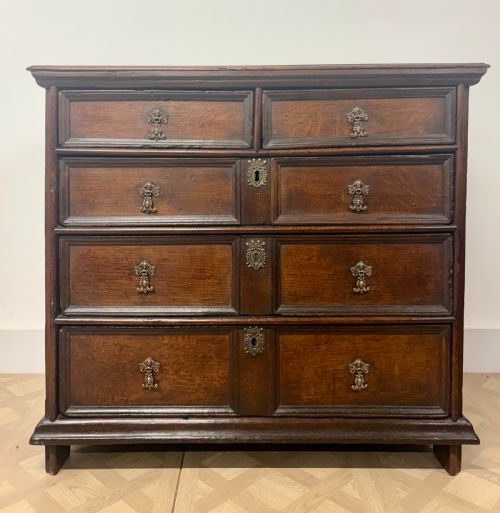
These jacobean panelled oak commode pieces are heavy timber storage items built to last centuries, giving a room genuine period character.
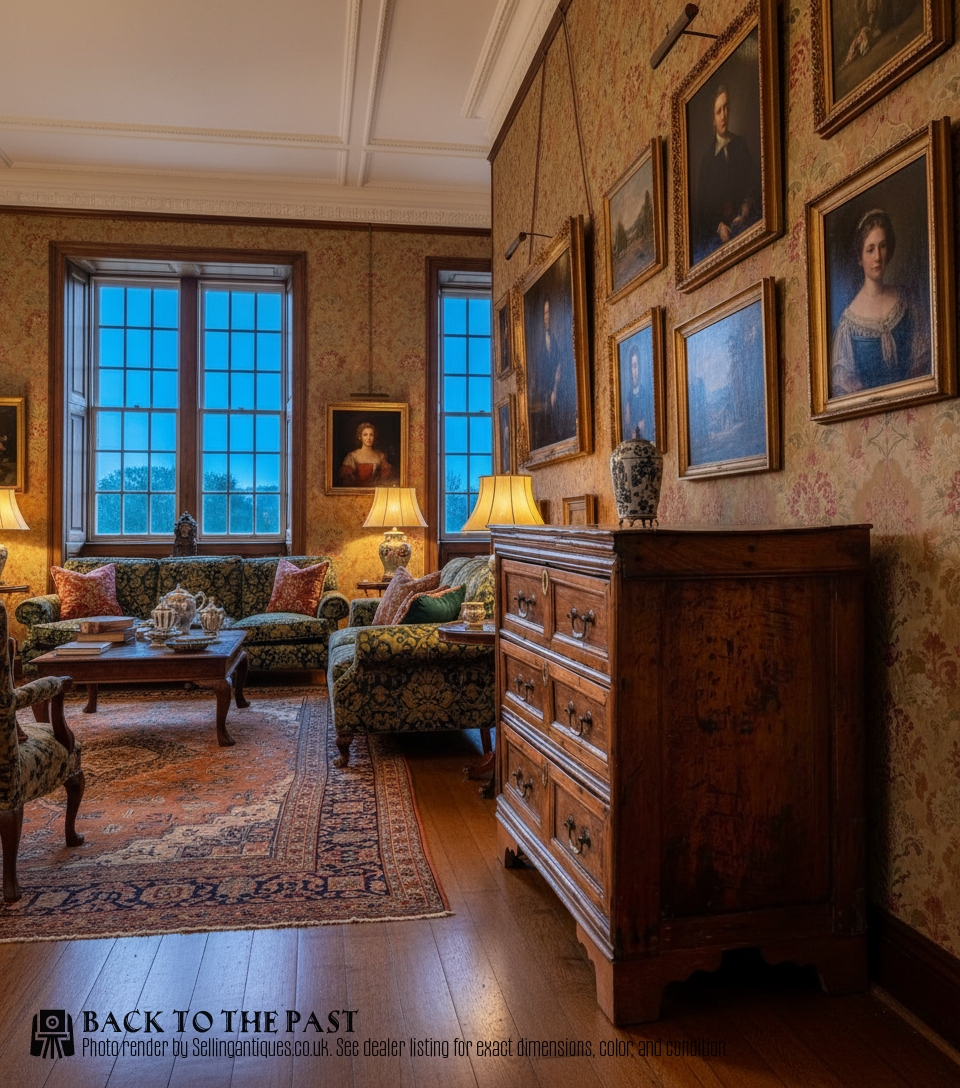
Jacobean Panelled Oak Commode
When you search for a jacobean panelled oak commode, you are looking at substantial wooden storage furniture originating primarily from the seventeenth century and the Edwardian revival period. The listings here consist of chests of drawers built from sturdy timbers, with many examples dating from the Charles II era and the late seventeenth century.
Most items you will meet on this page take the form of chest of drawers constructions, including two-part chests and moulded designs. The predominant materials span oak alongside occasional walnut and fruitwood, shaped into utilitarian forms that served domestic storage needs in early homes.
Beyond the seventeenth-century originals, the selection includes pieces assigned to the eighteenth century and Edwardian revivals. These later interpretations borrow the heavy panelled aesthetic and dark timber tones of earlier decades while offering functional storage for modern interiors.
How They Were Made
Cabinet makers constructed these pieces predominantly using solid oak, supplemented by walnut, fruitwood, brass, and iron for hardware. Joinery relied on heavy timber framing, panelled construction, and geometric moulding techniques that kept boards stable over long periods.
Surface decoration on seventeenth-century pieces often involved hand carving and geometric mouldings applied to drawer fronts. Iron and brass fittings such as drop handles and lock plates were secured to the timber to complete the construction.
Jacobean Panelled Oak Commode Retail Price Guide 2026
Typical asking prices for jacobean panelled oak commode among the pieces listed under this phrase on Sellingantiques today, from the lower quarter to the upper quarter. They describe what is for sale here now, not the wider market.
The listings span seventeenth-century origins through to Edwardian revivals, predominantly utilising oak alongside walnut and fruitwood.
What Varies in Quality
The standard of a piece rests on the choice of timber and the crispness of the hand-carved panels or geometric mouldings. Earlier seventeenth-century examples display deeply cut details and substantial oak boards that reflect the skill of period joiners.
Proportion and structural integrity separate simpler utility pieces from more ambitious cabinet work. The retention of original brass or iron hardware and unaltered timber surfaces contributes significantly to the standing of an individual chest.
The Jacobean Panelled Oak Commode Glossary
- Jacobean
- The period spanning the reign of James I, characterised by sturdy oak furniture, geometric panelling, and dark finishes.
- Commode
- A term used for a low cabinet or chest of drawers, though early English examples in this inventory are primarily described as chests of drawers.
- Charles II
- The period of the English restoration, yielding oak and walnut furniture featuring geometric mouldings and rich surface carving.
- Two-part chest
- A chest of drawers constructed in two separate stacking sections for easier transport within large houses.
- Fruitwood
- Dense timber harvested from fruit-bearing trees, utilised alongside walnut and oak for contrasting grain and colour in cabinet work.
Jacobean Panelled Oak Commode: Frequently Asked Questions
How do I date an oak chest?
Dating relies on examining the construction methods, tool marks, and timber species visible across the piece. Seventeenth-century examples typically show hand-split boards and pegged joinery.
Later revival pieces from the Edwardian period mimic these historic forms but employ machine-sawn timber and different assembly techniques.
Where were these chests placed originally?
These storage items stood in bedrooms, halls, and parlours of seventeenth-century homes to hold textiles, clothing, and household goods. Their robust construction suited heavy daily domestic use.
Today they function equally well as living room storage or hallway furniture while displaying historic craftsmanship.
What is a two-part chest?
A two-part chest is built as two distinct cabinet sections that stack one on top of the other. This design appeared in the seventeenth century to facilitate moving heavy timber furniture between rooms or floors.
The horizontal split is often concealed by mouldings that run around the middle of the cabinet.
How should I care for antique oak?
Antique oak benefits from stable room temperatures away from direct heat sources and strong sunlight. Applying natural wax periodically helps nourish the dry timber surface.
Avoid using modern liquid polishes that can build up a residue and alter the historic patina of the wood.