


Nomadic Woven Wool Runner
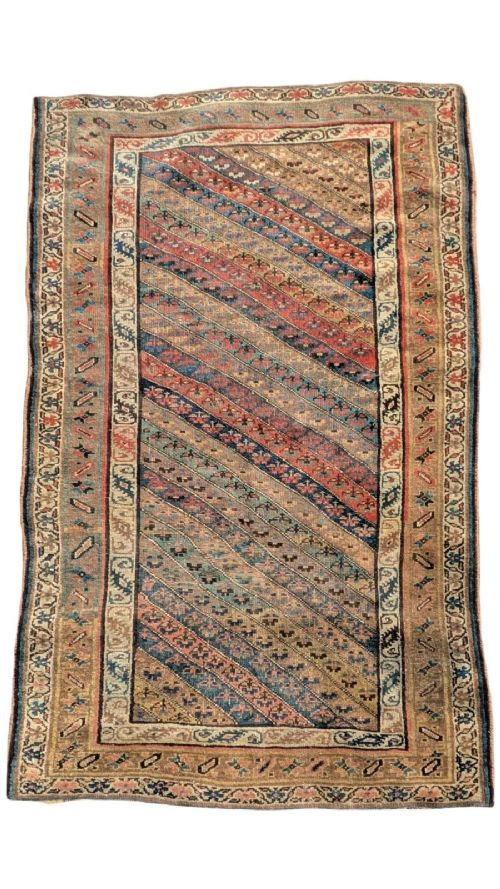
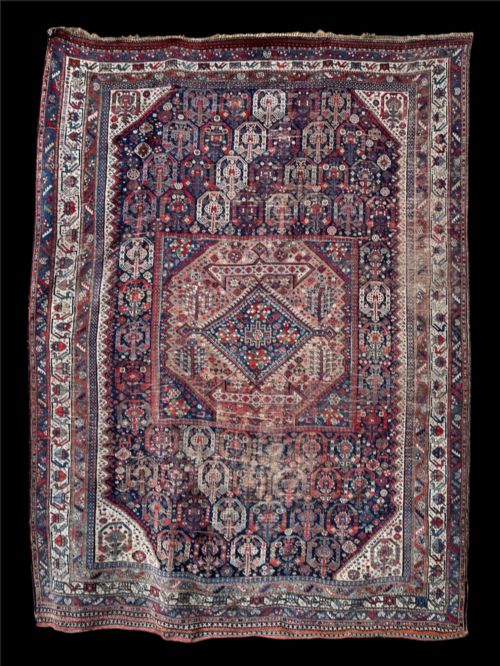
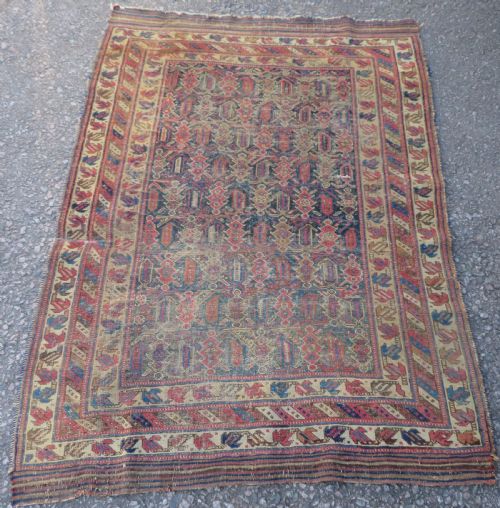
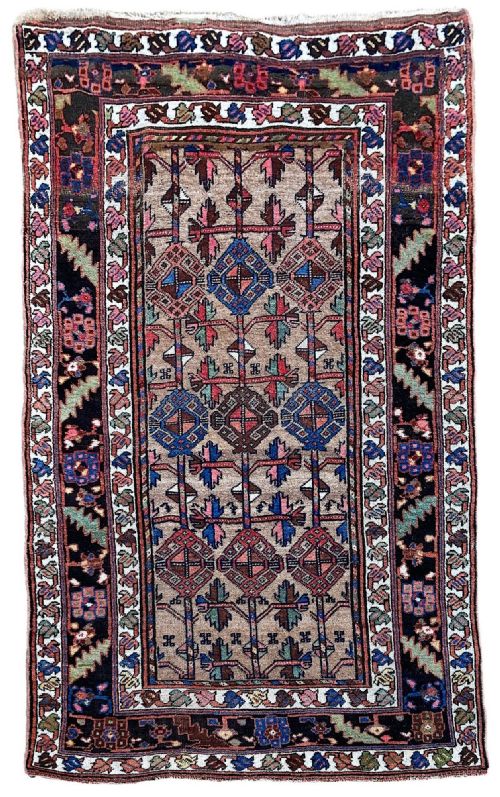
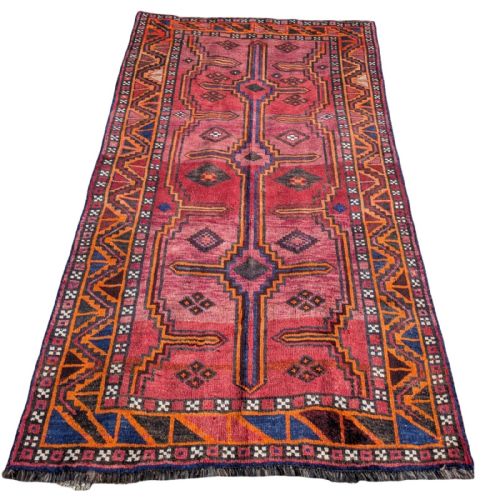
A nomadic woven wool runner brings authentic tribal geometry and rich texture straight to a hallway or narrow floor.
Nomadic Woven Wool Runner
When you search for a nomadic woven wool runner, you are looking at floor coverings and flatweaves produced by tribal weavers across Persia, Anatolia, and Central Asia. These textiles reflect the utilitarian needs and traditional designs of groups such as the Baluch, Kurdish, and Turkmen tribes.
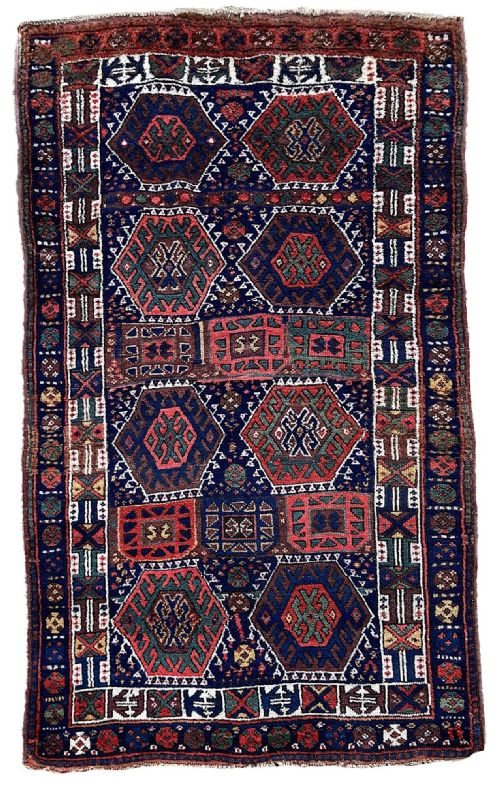
The pieces appearing on this page span from the mid-nineteenth century through the early twentieth century, encompassing pile rugs, kilims, and specialised domestic textiles. They bring distinct regional patterns, from geometric guls to medallion layouts, into domestic spaces.
How they were made
Weavers relied primarily on hand-spun wool and cotton, often incorporating goat hair for durability along the edges and sides. Natural dyes provided the deep reds, blues, and earthy tones found across these tribal textiles.
Construction methods varied from knotted pile to flatwoven kilim techniques, sometimes joining narrow strips together to form larger floor coverings or functional domestic panels.
Several runners include bread sofres and utility panels woven in separate strips, proving nomadic weavers could multitask on a portable loom.
What varies in quality
The standard of a piece rests on the handling of the wool, the clarity and depth of the natural dyes, and the tightness of the weave. Finer knotting or precise flatweave tension distinguishes more accomplished tribal work from simpler utility pieces.
Design integrity also separates examples, as balanced proportions and crisp execution of traditional motifs indicate a weaver with a sure command of their local repertoire.
The Nomadic Woven Wool Runner Glossary
- Kilim
- A flatwoven carpet or rug produced without a pile, created by tightly interweaving warp and weft threads. These textiles often display sharp geometric patterns and lightweight structures.
- Gul
- A repeating medallion or floral motif commonly found in Central Asian and Turkmen tribal rugs. These graphic symbols frequently identify the specific tribe or confederacy of the weaver.
- Warp
- The vertical foundation threads stretched lengthwise on the loom before weaving begins. The weft threads are passed across and under these structural elements.
- Weft
- The horizontal threads passed back and forth through the warp to bind the textile together. In pile rugs, these threads pack down to secure the knots.
- Sofreh
- A specialised woven cloth used historically for serving meals or preparing bread dough within nomadic households. These functional textiles often exhibit distinct regional iconography.
Nomadic Woven Wool Runner: Frequently Asked Questions
Where were these tribal rugs made?
These textiles originate from nomadic and village communities across regions such as Persia, Anatolia, and Central Asia. Different tribal groups developed distinct palettes and geometric vocabularies.
Local access to materials and traditional weaving methods shaped the distinct character of rugs produced by specific confederacies and tribes.
How do I care for an old wool runner?
Vacuum gently using a suction-only attachment without the rotating brush roll to protect the pile and flatwoven edges. Keep the textile out of direct sunlight to prevent fading of natural dyes.
Professional cleaning suited for antique textiles helps maintain the integrity of the hand-spun wool and natural colour compounds.
What is the difference between a kilim and a pile rug?
A kilim is flatwoven with no pile, resulting in a lighter and thinner textile that works well on floors or as a wall hanging. Pile rugs feature knotted wool yarn that creates a plush surface texture.
Both forms utilise traditional hand-spun materials, but their structural construction gives them entirely different tactile qualities.