


Geometric Lattice Wool Rug
When you select a geometric lattice wool rug, you acquire a textile rooted in tribal traditions spanning the Caucasus, Persia, and Central Asia.
Geometric Lattice Wool Rug
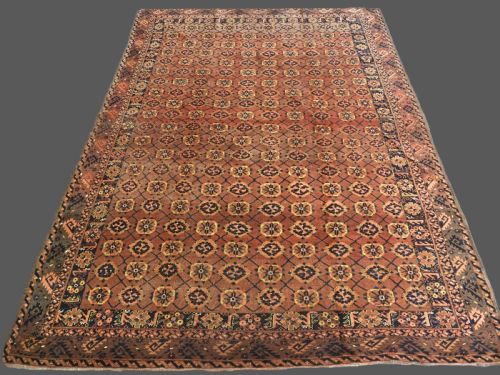
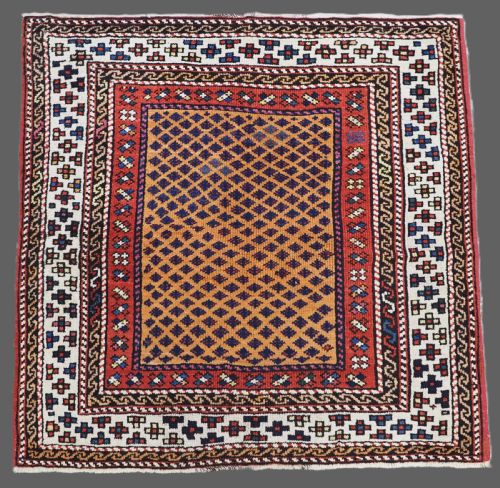
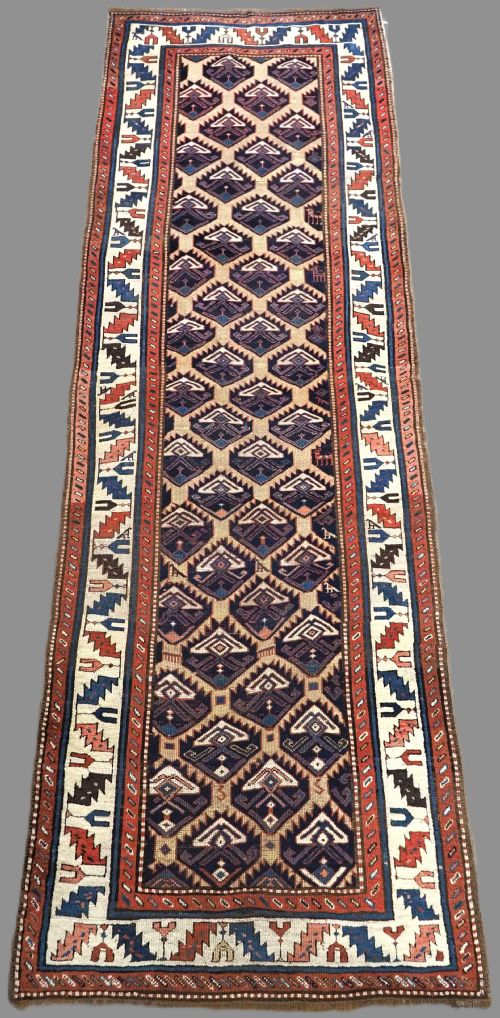
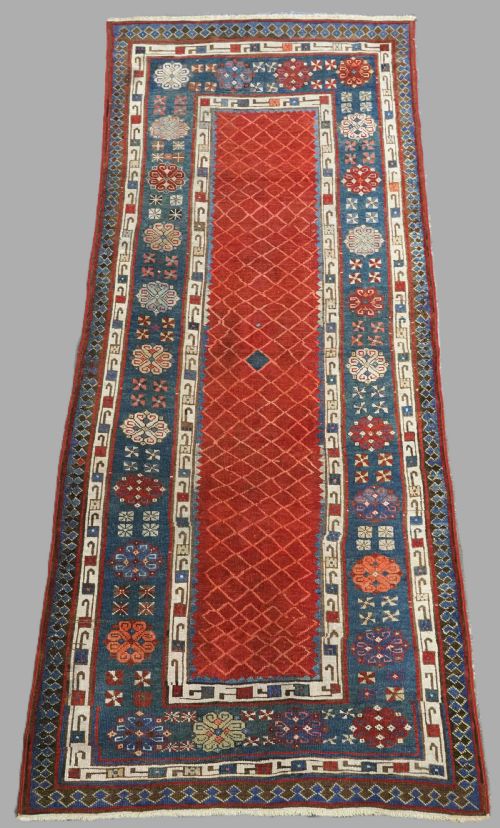
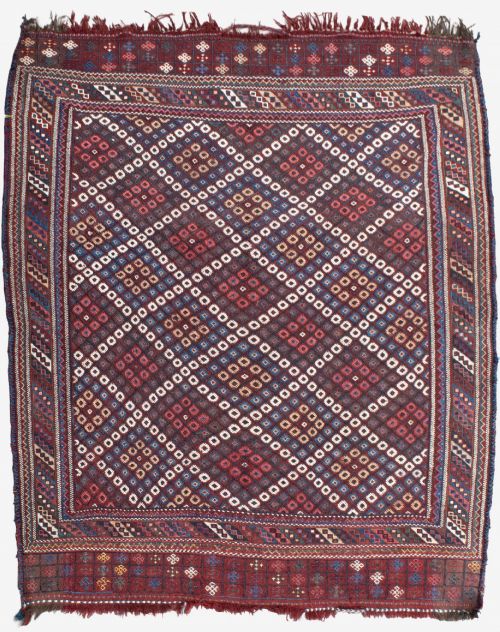
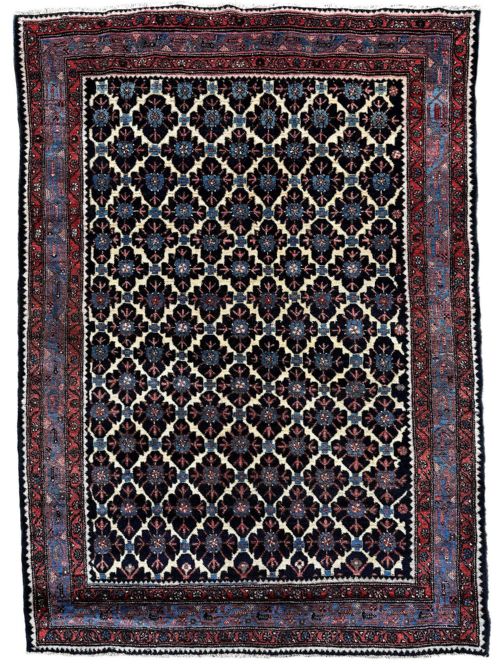
A geometric lattice wool rug displays a structured network of diamonds, squares, or diagonal lines enclosing floral or abstract motifs across the field. These textiles originate primarily from nineteenth and early twentieth-century tribal and village workshops in regions such as the Caucasus, Persia, and Anatolia. Buyers encounter runner formats, square sizes, and traditional carpet proportions reflecting regional weaving idioms.
The layout relies on repeating geometric compartments that organise the visual space of the floor covering. Weavers from Caucasian groups, Turkmen tribes, and Persian nomadic communities adapted these grid formations to express local design vocabularies. Such rugs serve both functional floor covering roles and graphical expressions of heritage craftsmanship.
Materials and construction methods
Makers utilised wool and hand-spun wool for the pile and structural foundations, frequently paired with cotton for warps and wefts in specific regional traditions. Natural dyes provided the palette, yielding stable tones that developed complex patinas over decades of exposure and use.
Weaving techniques encompass knotted pile construction alongside flatwoven kilim and soumac methods depending on the workshop origin. The integration of hand-spun materials ensures a resilient textile structure capable of withstanding prolonged foot traffic.
Listings feature rugs spanning the nineteenth century through the 1940s, employing wool, cotton, and natural dyes.
What separates different examples
Quality rests upon the crispness of the lattice geometry and the precision with which dyestuffs were prepared and applied. Tighter knot density and greater handle flexibility signal superior control by the weaver over the foundational structure.
The vitality of the palette and the depth achieved through natural dye variations elevate certain pieces above standard production. Survival in sound structural condition without extensive rebuilding distinguishes the best-preserved specimens.
The Geometric Lattice Wool Rug Glossary
- Lattice
- A repeating network of intersecting diagonal lines forming diamond or square compartments across the field. This geometric framework orders the central design motifs.
- Kilim
- A flatwoven textile produced without a knotted pile, created by tightly interweaving warp and weft threads. These pieces offer a thinner profile and crisp graphic patterns.
- Soumac
- A wrapping technique utilised in flatweaving that creates characteristic surface textures and durable structures on the reverse. It allows for intricate diagonal pattern work.
- Natural Dyes
- Colourants derived from plants, insects, and minerals used traditionally before synthetic aniline dyes became widespread. They age with distinct tonal harmony.
- Prayer Rug
- A smaller format featuring a directional niche or mihrab design intended for ritual placement. These rugs often incorporate detailed floral lattice work within the field.
Geometric Lattice Wool Rug: Frequently Asked Questions
How do I identify a tribal lattice design?
Tribal lattice designs feature repeated geometric compartments filled with stylized floral motifs, stars, or diamonds executed by village weavers.
These patterns reflect the distinct cultural geometry of regions such as the Caucasus or Baluch territories rather than rigid urban workshop drafting.
What materials make up these antique rugs?
The primary material is wool, frequently hand-spun and combined with cotton foundations in specific village and nomadic weaving traditions.
Natural dyes derived from local flora and minerals provide the colour palette across the surviving nineteenth and early twentieth-century examples.
Where were these geometric runners produced?
Production centres span the Caucasus, Western Afghanistan, Persia, and Central Asian regions associated with Turkmen and Kurdish tribes.
Each geographic area imparted distinct chromatic preferences and structural traits to the finished runner or carpet.
How should I care for an old wool rug?
Protect the textile by vacuuming gently without a rotating brush roll and keeping it away from direct, prolonged sunlight.
Periodic professional cleaning tailored to antique wool textiles maintains the integrity of the natural pile and dye components.