




Antique Belouch Carpet
These antique belouch carpet examples are tribal textiles woven from wool, camel hair, goat hair, and cotton, bringing rich Persian history into a home.
Antique Belouch Carpet
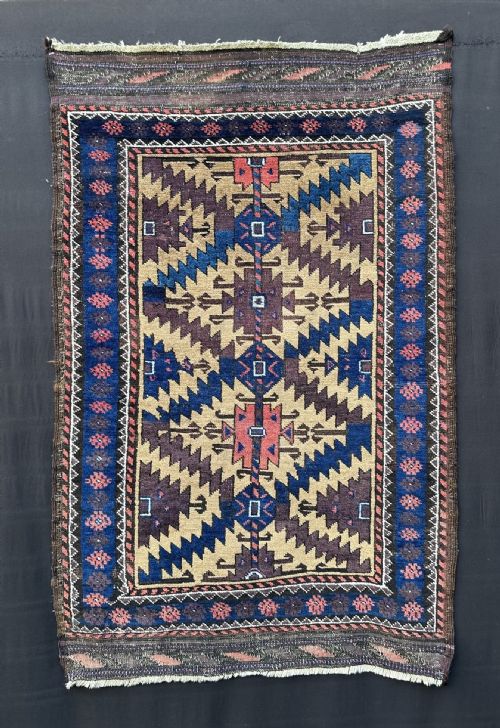
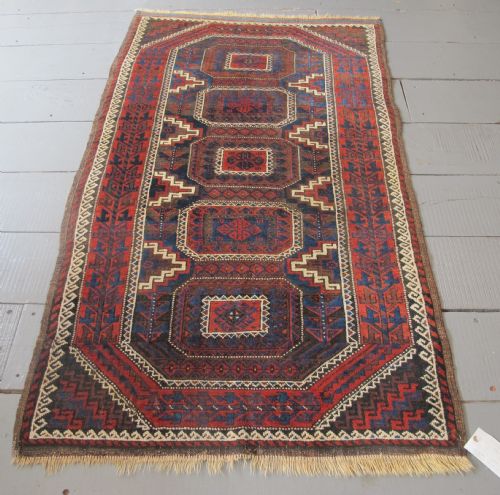
An antique belouch carpet or rug forms part of a rich tradition of tribal textiles originating from East Persia and the Ferdows province. Buyers searching this phrase look for authentic hand-woven examples that display traditional motifs such as latch hook medallions, calyx lattices, and prayer designs. These pieces often arrive in smaller formats like area rugs or birdbags rather than grand room sizes.
The pieces listed on this page span the late nineteenth century and the early decades of the twentieth century, specifically covering periods from eighteen seventy to nineteen twenty. Stylistic descriptions across these works include Persian tribal, tribal, and Baluch tribal designations. Collectors appreciate how these rugs reflect the nomadic heritage and regional weaving practices of their makers.
How they were made
Weavers constructed these textiles using natural materials sourced directly from nomadic life, combining wool with structural elements of cotton, camel hair, and goat hair. The reliance on animal hair provided durable foundations and distinctive natural brown or golden undertones in the foundation grounds. Hand-weaving techniques ensured each rug possessed a dense, tactile pile designed for practical daily use.
The construction relies entirely on traditional hand-woven methods executed across tribal communities in South-East Persia. Artisans manipulated these organic fibres to create resilient floor coverings and smaller utility bags that survived generations of wear.
Materials documented across these listings include wool, camel hair, goat hair, and cotton.
What varies in quality
Quality in these tribal textiles rests on the fineness of the weave and the clarity of design motifs such as latch hooks or calyx lattices. Tighter knotting and precise geometric execution separate the finest examples from simpler utilitarian pieces. The inclusion of soft camel hair grounds also influences the overall tactile and visual appeal of a rug.
Condition and completeness play a substantial role in distinguishing better examples within this category. Pieces that retain their original dimensions and strong structural integrity across the wool pile command greater appreciation among collectors of Persian tribal work.
The Antique Belouch Carpet Glossary
- Prayer rug
- A small rug featuring a mihrab or niche design at one end, used by Muslims to indicate the direction of Mecca during daily prayers. These portable textiles were essential items for travelling weavers.
- Calyx lattice
- An interconnected grid pattern derived from flower buds, creating diamond or hexagonal compartments across the field of the rug. This sophisticated design appears in select regional pieces from Khorasan.
- Birdbag
- A traditional woven container or salt bag utilised by nomadic groups, often decorated with stylised avian motifs. These smaller items represent specialised functional weaving from tribal makers.
Antique Belouch Carpet: Frequently Asked Questions
How old are antique belouch carpets?
The pieces available in this category generally date from the late nineteenth century through to the early decades of the twentieth century. Specific examples span from eighteen seventy up to nineteen twenty.
This timeframe captures the traditional period of nomadic and tribal weaving before industrial dyes and modern production methods altered regional output.
Where were these rugs made?
These textiles originate from East Persia, specifically including regions such as the Ferdows province and Khorasan. Nomadic and village weavers produced them for their own daily use or local trade.
The distinct tribal designs reflect the specific cultural heritage and geographic movements of the Baluch people across South-East Persia.
What materials are used in them?
The primary material is wool, which forms the soft and durable pile of the rugs. Additional fibres such as cotton, goat hair, and camel hair appear in the foundations and pile.
The use of camel hair often provides a distinctive natural golden-brown ground colour that forms the backdrop for geometric medallions.
How do I care for an antique rug?
Protect the textile by placing it in a low-traffic area away from direct sunlight to preserve the natural wool fibres and dyes. Gentle vacuuming without a beater bar removes trapped dust effectively.
Professional cleaning tailored to antique wool textiles ensures the structural integrity remains intact over decades of domestic display.