





Nomadic Weaving Vanity Bag
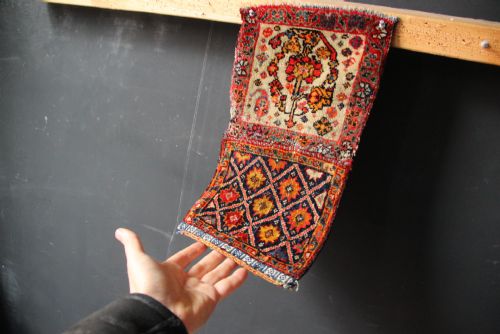
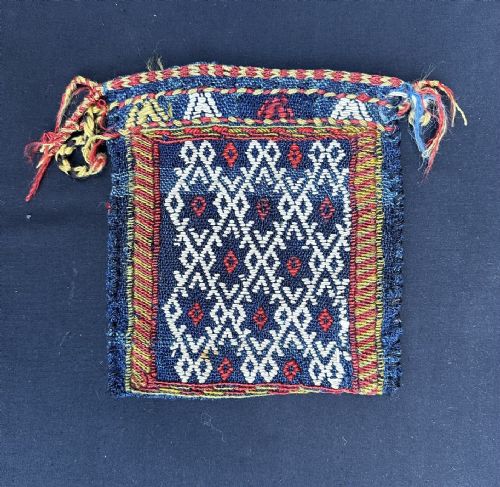
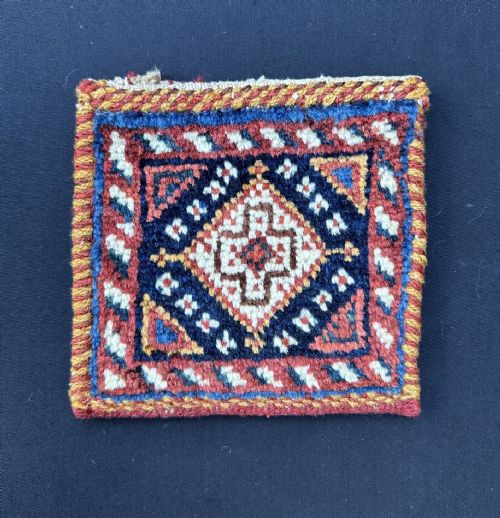
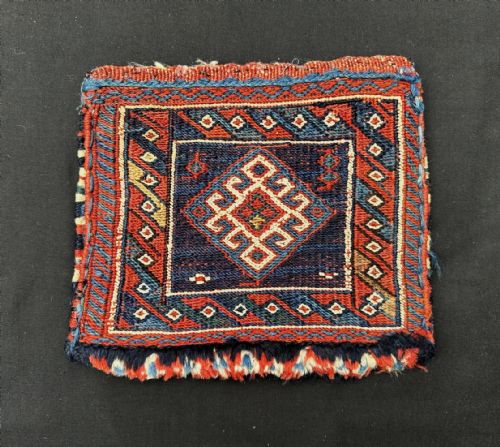
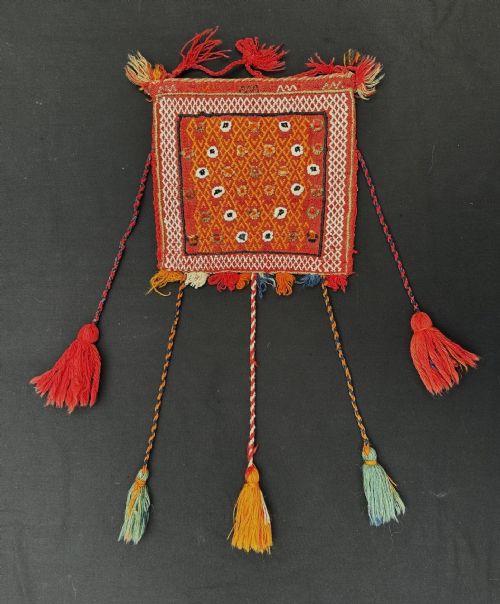
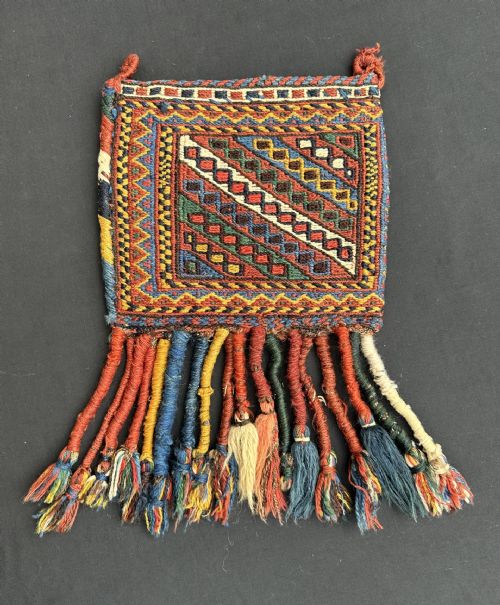
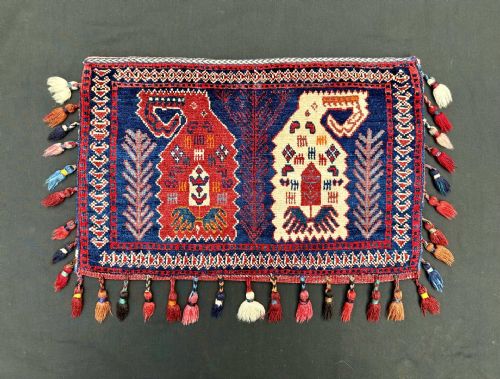
A nomadic weaving vanity bag brings the tactile artistry of Persian tribal life directly into your interior.
Nomadic Weaving Vanity Bag
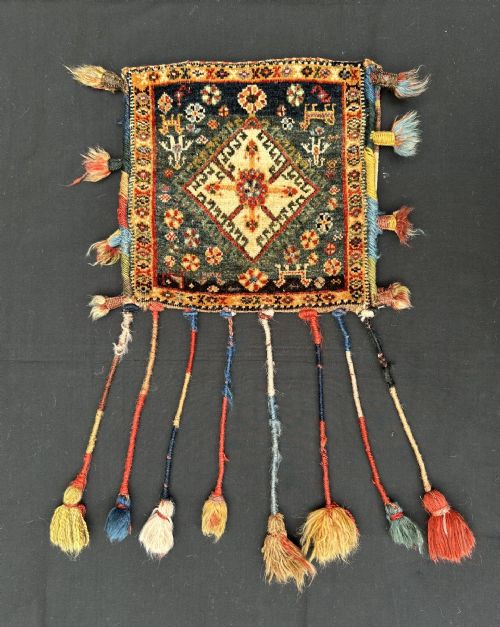
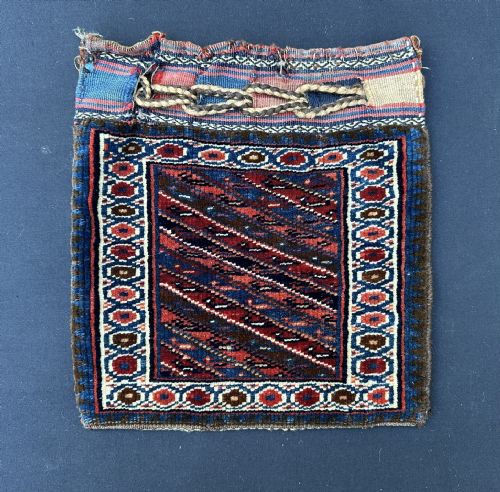
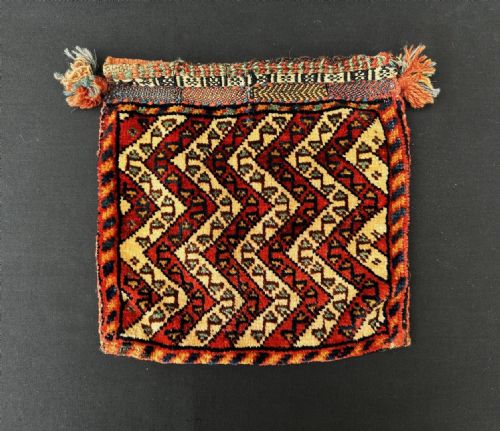
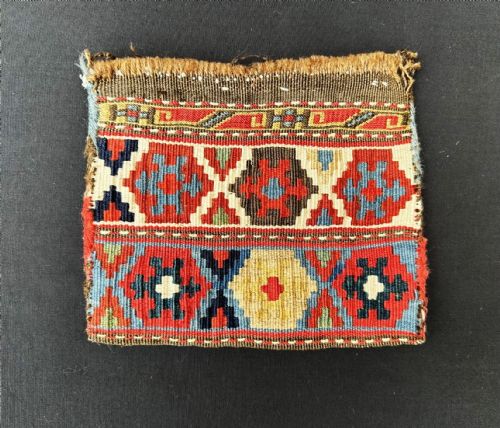
Most examples take the form of compact tribal bags or double-sided storage pouches woven in flatweave or pile techniques. Their origins trace to distinct regions such as Fars Province, Kerman Province, and Azerbaijan, each imparting unique structural characteristics to the object. Collectors encounter these items as authentic survivals of nomadic material culture rather than decorative objects made for the commercial market.
What Varies in Quality
Quality in these tribal pouches rests upon the fineness of the weave and the complexity of the design layout. Finer knotting or tighter flatweave construction indicates greater labour and higher skill within the specific tribal tradition. The clarity and saturation of natural dye colours further distinguish superior examples from standard utility pieces.
The preservation of original structural elements, such as wool warps and applied cowrie shells, influences the integrity of the piece. Pieces that retain their full geometric borders and complete tribal iconography demonstrate a higher degree of authenticity and visual impact.
Nomadic Weaving Vanity Bag Retail Price Guide 2026
Typical asking prices for nomadic weaving vanity bag among the pieces listed under this phrase on Sellingantiques today, from the lower quarter to the upper quarter. They describe what is for sale here now, not the wider market.
Regional attributions in the inventory range from the Fars Province and Azerbaijan to the Kerman and Khorassan regions.
The Nomadic Weaving Vanity Bag Glossary
- Flatweave
- A textile constructed without pile by interweaving warp and weft threads directly. This technique creates a lightweight, durable fabric common in nomadic utility bags.
- Pile
- The plush surface of a textile formed by knotting individual strands of wool onto the warp threads. It provides texture and depth to tribal iconography.
- Natural Dyes
- Colourants extracted from plants, insects, and minerals before the advent of synthetic alternatives. They yield harmonious hues that develop a distinct patina over time.
- Cowrie Shells
- Marine shells sewn onto tribal textiles as protective talismans and decorative accents. Their presence indicates high-status ornamentation in nomadic contexts.
- Warp
- The stationary vertical threads stretched across a loom that form the foundational skeleton of the textile. The quality of the warp dictates the structural longevity of the bag.
Nomadic Weaving Vanity Bag: Frequently Asked Questions
What were nomadic vanity bags used for?
These small pouches served nomadic women as personal containers for grooming tools, mirrors, small trinkets, or amulets during seasonal travels. They were kept inside larger transport bags or hung within tribal tents for easy daily access.
Because they held intimate possessions, these bags received meticulous decorative attention from the weaver, often displaying the specific tribal crests or protective motifs of the clan.
How do I care for an antique tribal bag?
Protect the wool and natural dyes by keeping the textile out of direct sunlight to prevent fading. Gentle vacuuming through a mesh screen removes dust without disturbing the delicate fibres or attached cowrie shells.
Avoid hanging heavy objects from these pouches, as antique wool foundations can stretch under sustained weight. Professional textile conservation is recommended for any major structural repairs.
How do I identify different tribal origins?
Tribal attribution relies on specific combinations of geometric motifs, colour palettes, and structural weaves unique to regions like Fars, Kerman, or Azerbaijan. Qashqa'i pieces often feature distinct medallion layouts, while Shahsevan work frequently displays sharp angular banding.
Examining the border arrangements and secondary colours provides further clues to connect a piece with specific confederacies such as the Afshar or Bakhtiari.
Are these bags completely authentic?
The pieces originate from nineteenth and early twentieth-century Persian nomadic communities where weaving was an integral part of daily subsistence and cultural expression. Their materials, including hand-spun wool and natural dyes, reflect the resource availability of those specific historical periods.
Evaluating the wear patterns, wool quality, and dye oxidation helps confirm their origins as genuine tribal items rather than modern reproductions.