


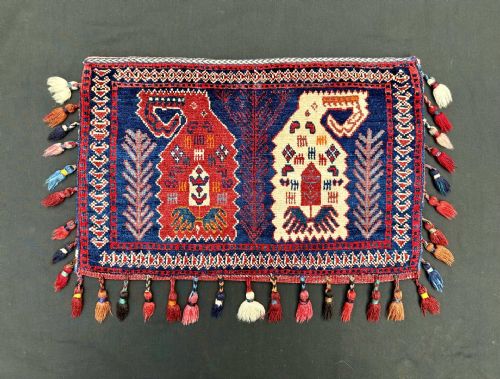

Handwoven Wool Vanity Pouch
These handwoven wool vanity pouch examples are tribal bags from Persian nomadic confederacies, offering portable historical artistry that collectors and textile enthusiasts prize.
Handwoven Wool Vanity Pouch
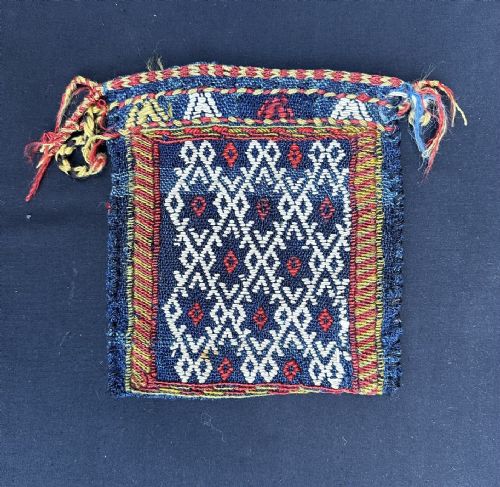
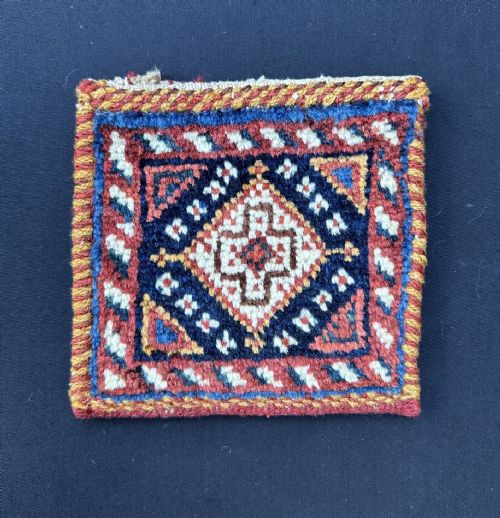
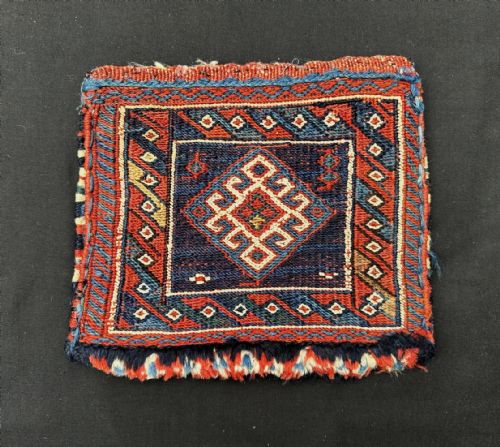
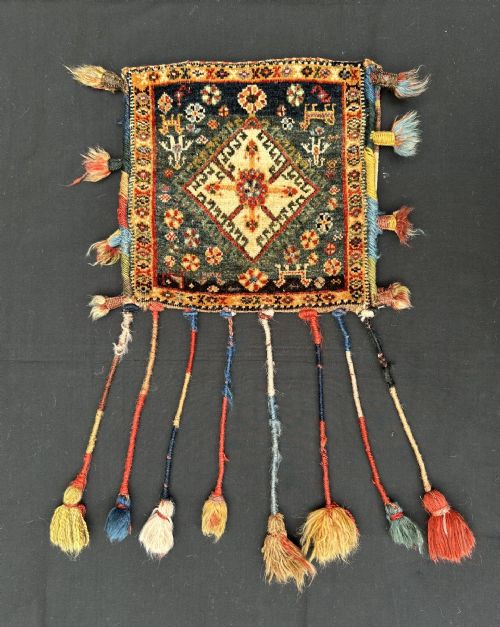
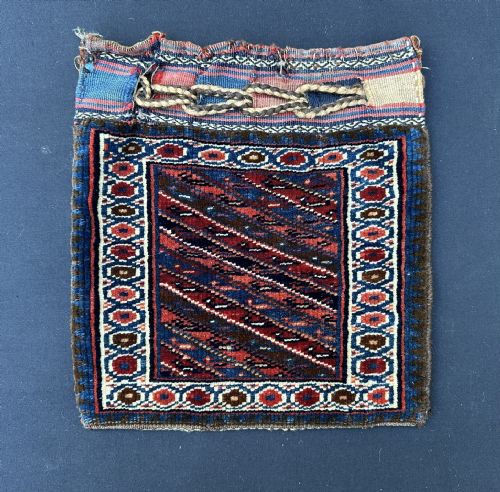
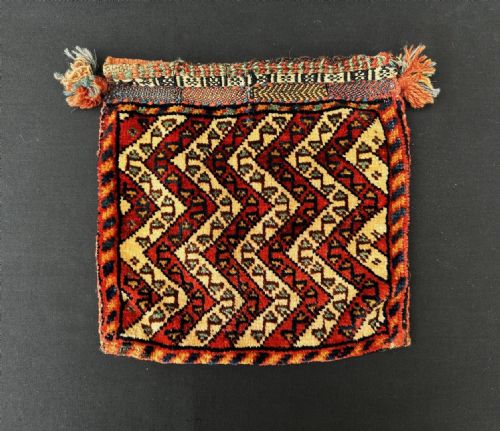
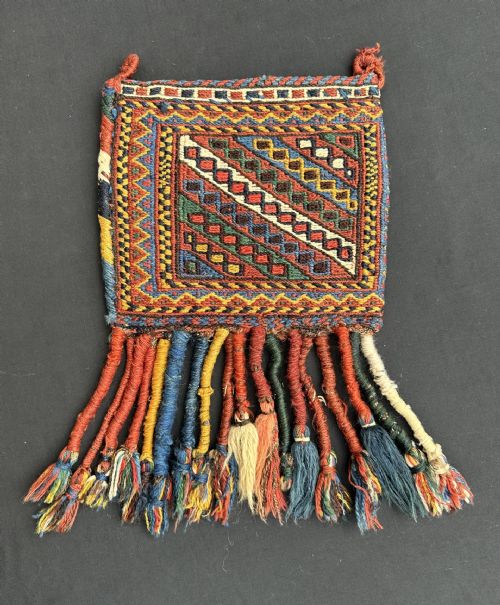
When you search for a handwoven wool vanity pouch, you are looking at small tribal storage bags and trappings created by nomadic and confederacy groups across Persia. These pieces functioned as personal containers for small possessions, carrying the distinct cultural markers and tribal identities of their makers. The selection centres on antique examples originating from specific regions such as Fars, Kerman, and Varamin.
You are most likely to meet pieces attributed to the Qashqa'i Confederacy and Afshar tribes, alongside items from Baluch and Bakhtiari groups. These containers take forms described as vanity bags or tribal storage pouches, dating from the late nineteenth century into the early twentieth century. Each piece reflects the specific weaving traditions of sub-tribes and regional tayefeh, preserving traditional designs through wool and natural dyes.
How They Were Made
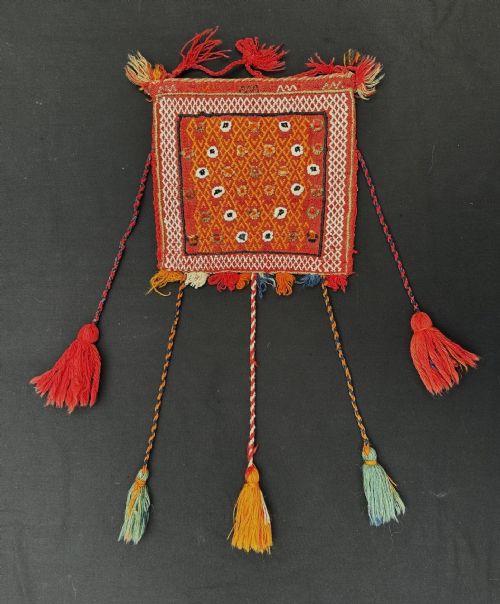
These items are constructed primarily from handspun wool, utilising traditional pile or flatweave techniques native to Persian nomadic groups. Natural dyes provide the palette, creating deep colours derived from regional plant and mineral sources. Artisans frequently integrated cotton foundations and embellishments such as cowrie shells to finish the surfaces.
The construction methods reflect the practical demands of portable nomadic life, requiring dense knots or tight weaves to ensure durability. Weavers employed complex geometric and tribal patterns passed down through generations within specific confederacies and clans. The structural integrity relies on the quality of the wool fleece and the precision of the dyeing process.
Handwoven Wool Vanity Pouch Retail Price Guide 2026
Typical asking prices for handwoven wool vanity pouch among the pieces listed under this phrase on Sellingantiques today, from the lower quarter to the upper quarter. They describe what is for sale here now, not the wider market.
Nomadic weavers occasionally stitched tiny cowrie shells directly into the wool pile to ward off the evil eye.
What Varies in Quality
The standard of a piece depends heavily on the fineness of the weave and the complexity of the tribal design execution. Superior examples display tightly packed knots, precise geometry, and well-balanced proportions that denote skilled handiwork within a specific tribal tradition. Lesser examples show irregularity in the patterning or coarser material preparation.
Another factor is the richness and preservation of the natural dyes used across the wool surface. Vibrant, stable colours that have aged with harmonious patination elevate an item above those with dull or unevenly faded tones. The presence of original structural elements and intact decorative additions like cowrie shells also influences the overall character.
Afshar Tribes·Bakhtiari Tribes·Baluch Tribes
The Handwoven Wool Vanity Pouch Glossary
- Vanity pouch
- A small tribal storage bag used by nomadic peoples for personal effects and small items. These containers often feature distinctive regional weaving styles.
- Confederacy
- A large alliance of nomadic tribes, such as the Qashqa'i, sharing political structures and allied weaving traditions. Their textiles encompass diverse sub-tribe designs.
- Tayefeh
- A specific sub-tribe or clan within a larger Persian nomadic confederacy. Identifying the tayefeh helps pinpoint the exact geographic origin of a textile.
- Natural dyes
- Colourants extracted from plants, insects, and minerals before the advent of synthetic alternatives. They yield harmonious shades that age gracefully on wool.
- Cowrie shells
- Small marine shells used as decorative embellishments on tribal bags and trappings. They served protective and aesthetic functions in nomadic cultures.
Handwoven Wool Vanity Pouch: Frequently Asked Questions
What were vanity pouches used for?
These small bags served as personal containers for nomadic individuals to store small valuable possessions, cosmetics, or trinkets while travelling.
Their portable nature meant they were easily attached to saddles, tent poles, or carried directly during migrations across Persian regions.
How do I identify Persian tribal bags?
Identification relies on recognising specific geometric motifs, colour palettes, and structural characteristics associated with groups like the Afshar or Qashqa'i.
Examining the wool quality, dye types, and regional weaving traits provides clear clues to the specific tribe or confederacy of origin.
How should I care for antique wool textiles?
Protect antique wool and natural dyes by keeping them out of direct sunlight to prevent fading and colour degradation.
Gentle vacuuming with a mesh screen barrier helps remove dust without damaging the delicate pile or flatweave structure.
How are different tribal periods dated?
Dating relies on stylistic analysis, material evaluation, and structural attributes compared against known historical production timelines from the region.
Pieces originating around the late nineteenth to early twentieth century exhibit specific dying methods and wool preparations typical of that era.