



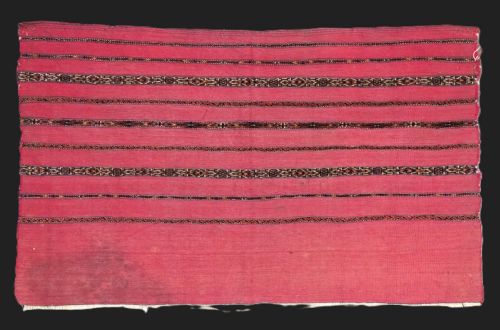
Antique Wool Bag Face
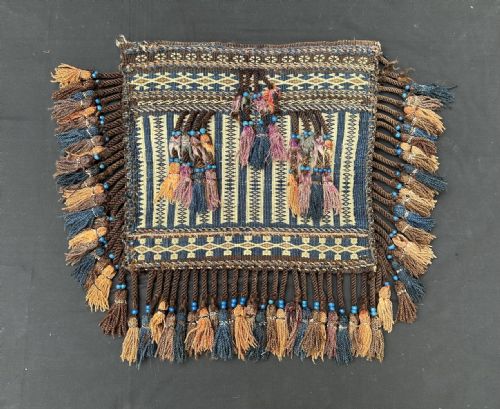
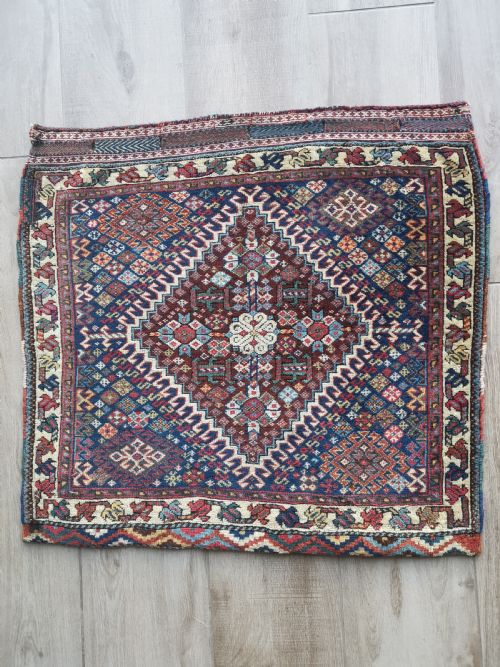
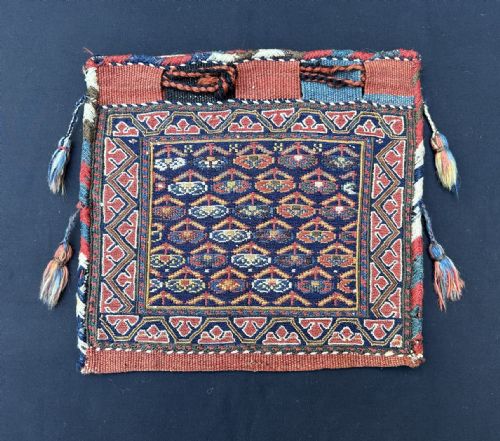
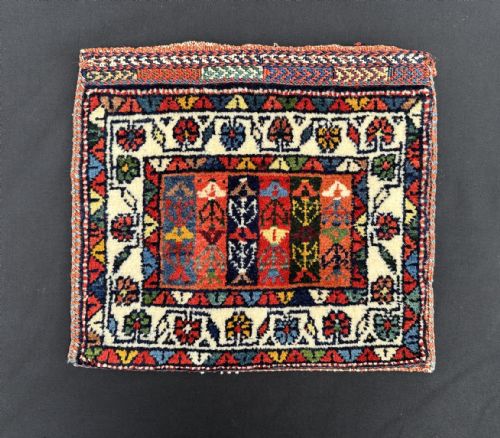
An antique wool bag face forms a resilient fragment of nomadic and tribal weaving, prized by collectors for its concentrated iconography and dense structure.
Antique Wool Bag Face
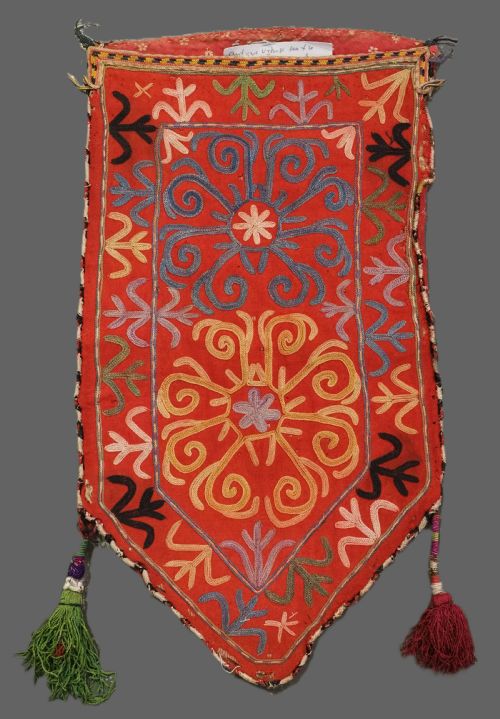
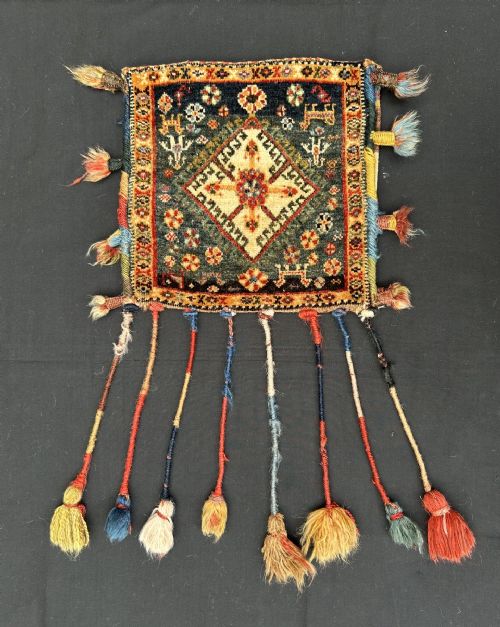
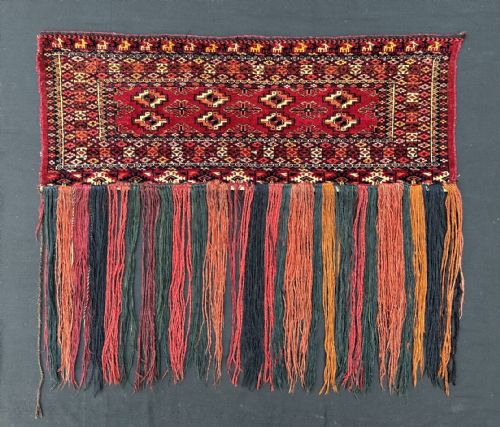
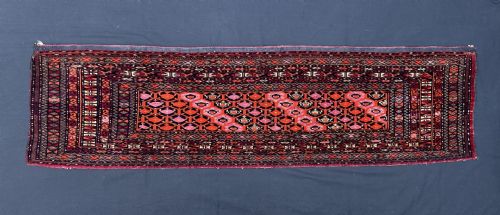
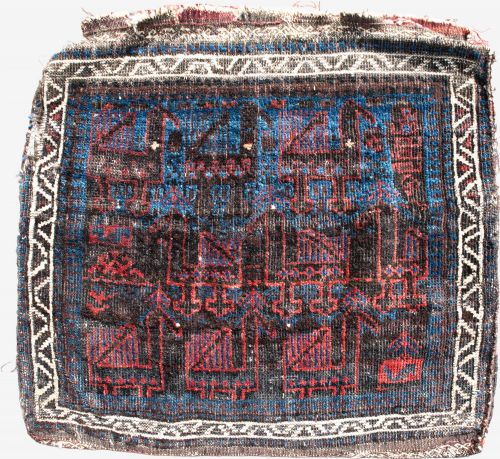
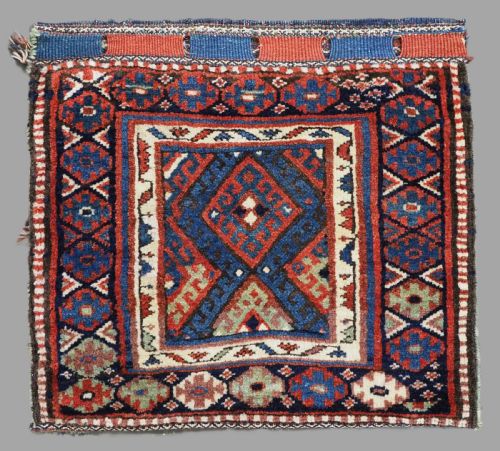
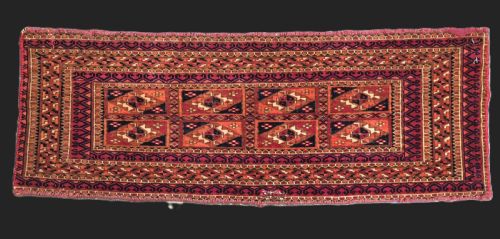
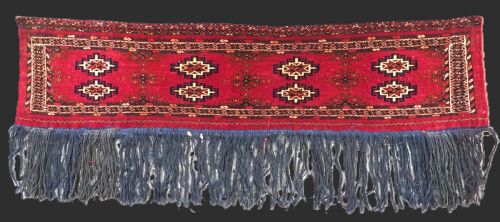
An antique wool bag face originates from nomadic and village tribal communities across Central Asia, Persia, and Afghanistan, functioning originally as storage containers, grain sacks, or bedding bags before becoming detached from their utilitarian backs. Buyers encountering these pieces on this page meet varied formats including torbas, chuvals, and smaller vanity or spindle bags originating from Turkmen, Qashqai, Baluch, and Kurdish groups. The selection spans production from the eighteenth century through the early twentieth century, reflecting the domestic arts of pastoral weavers.
Many survivors are presented simply as bag faces because the rear panels of the original horse, camel, or tent bags wore away through heavy daily use while the densely knotted or woven facades survived intact. These fragments allow collectors to study the primary tribal motifs and regional colour palettes without acquiring full-sized carpets. The forms include tent bags designed for wall storage as well as smaller personal pouches.
Materials and construction
Weavers constructed these pieces using hand-spun wool for the foundation and pile, frequently supplemented by cotton elements and occasional silk highlights. Natural dyes derived from local plants and minerals provided the deep reds, ivories, and blues that characterise the palette across nineteenth-century examples. Glass beads occasionally appear on specific Central Asian embroideries, adding texture to the surface.
The technique relies on tight structural knotting or intricate flatweave structures, such as soumak or plain weave, designed to endure the rigorous demands of nomadic life. Artisans packed the foundation threads densely to ensure durability, which accounts for the crisp definition of tribal guls and geometric symbols preserved across the surviving faces.
Object forms include torbas, chuvals, half-khorjins, vanity bags, and spindle bags created by nomadic groups such as the Tekke, Yomut, Ersari, and Qashqai.
Markers of distinction
The artistic execution of the design field dictates distinction within any tribal group. Secondary motifs, such as curled leaf patterns or specific turreted guls, require precise proportion to achieve visual balance. The presence of secondary materials like silk highlights elevates the visual complexity of the textile.
The Antique Wool Bag Face Glossary
- Gul
- A primary medallion or repeating octagonal motif used extensively in Turkmen and Central Asian tribal weaving. Each distinct shape identifies the specific tribe or clan that produced the textile.
- Torba
- A small horizontal tent bag traditionally used for domestic storage inside a yurt or tent. These pieces often feature elaborate lower fringes and carefully planned border designs.
- Chuval
- A large tent bag used for storing household goods and bedding within nomadic dwellings. Chuval faces display concentrated repeating rows of guls.
- Mafrash
- A rectangular storage bag or trapan face, often associated with bedding or load transportation on pack animals. They frequently employ banded flatweave or piled techniques.
- Khorjin
- A traditional double saddlebag used for travel and transport, of which surviving bag faces represent one half of the original paired construction.
Antique Wool Bag Face: Frequently Asked Questions
How were antique bag faces used?
Nomadic communities utilised these woven containers inside tents and on pack animals for storing grain, clothing, bedding, and personal possessions. The front panels received the most elaborate ornamentation because they faced outward within the dwelling.
Over decades of use, the utilitarian plain-weave backs deteriorated or were cut away, leaving the decorative facades as distinct textile fragments preserved by collectors.
Where do most of these bag faces originate?
The pieces originate from tribal and nomadic groups across Central Asia, Persia, and Afghanistan. Prominent groups include various Turkmen tribes, Qashqai confederacies, Baluch weavers, and Kurdish communities.
Each region developed distinct weaving structures, dye recipes, and iconographic repertoires that allow researchers to trace their geographical roots.
How should I display a bag face at home?
Because these textiles were originally designed for vertical display inside tents as storage pockets, they adapt readily to modern wall mounting. Collectors often mount them on stretched linen or display them behind glass to protect the wool fibres.
Keeping them away from direct sunlight preserves the natural dyes and prevents the hand-spun wool from becoming brittle over time.
What is the difference between a torba and a chuval?
A torba is a smaller, horizontally proportioned tent bag utilised for general wall storage within nomadic structures. A chuval is significantly larger and functions as a primary bedding or heavy storage container.
Both formats feature characteristic tribal guls, but their scale and proportions reflect their distinct original utility.