


Antique Tribal Weave Pouch
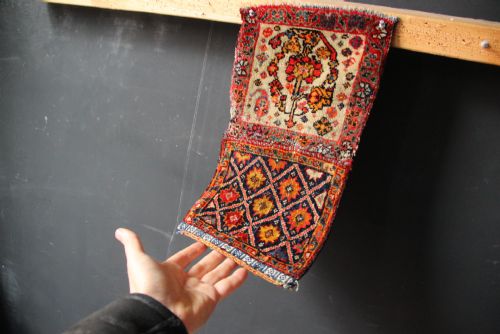
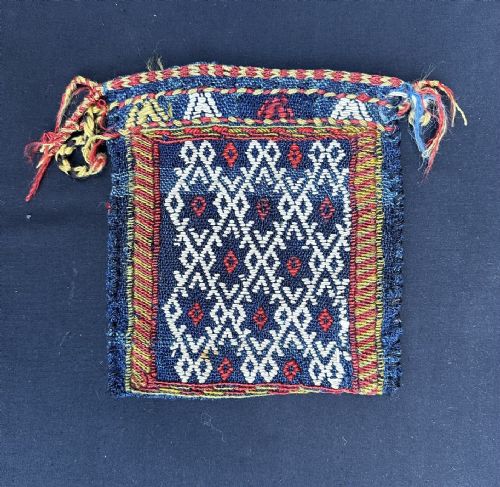
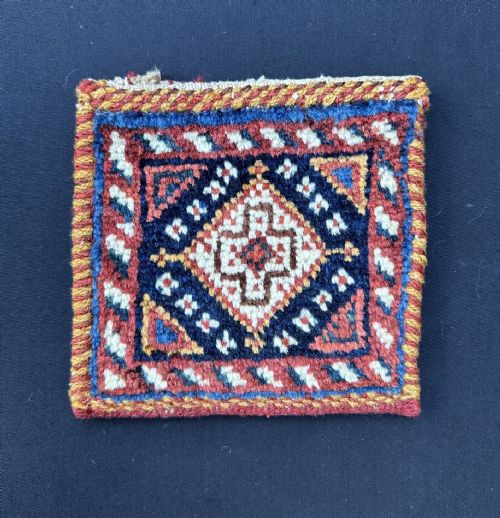
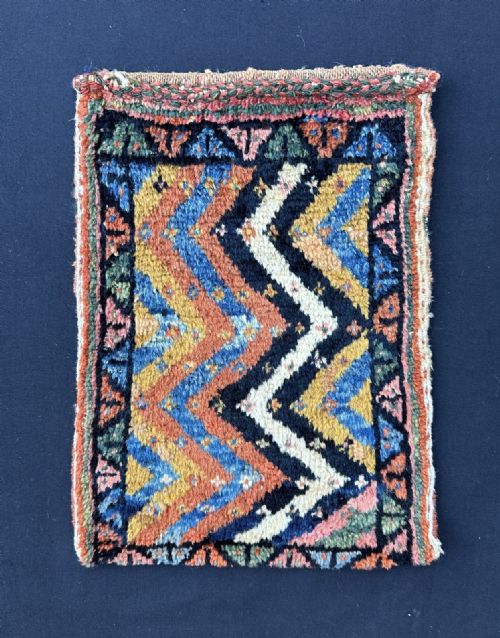
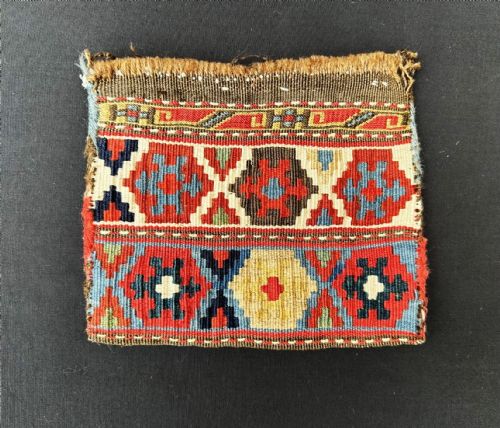
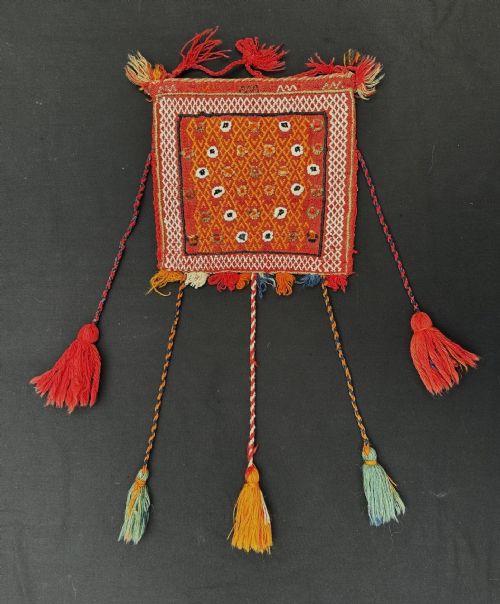
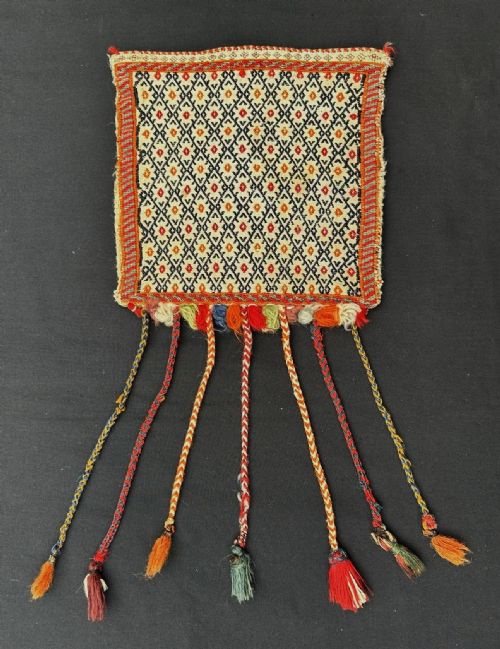
An antique tribal weave pouch represents a portable work of textile art made by nomadic weavers for daily utilitarian purposes.
Antique Tribal Weave Pouch
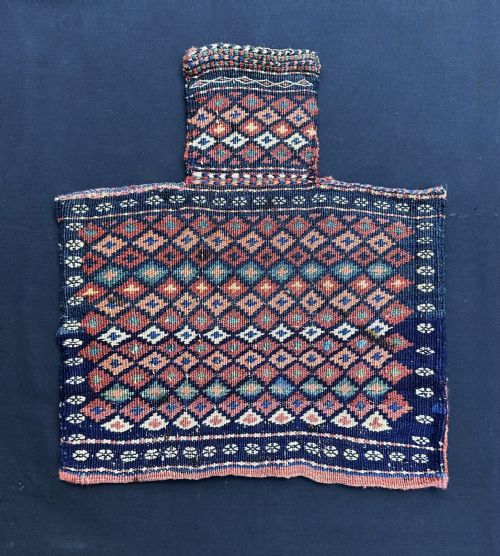
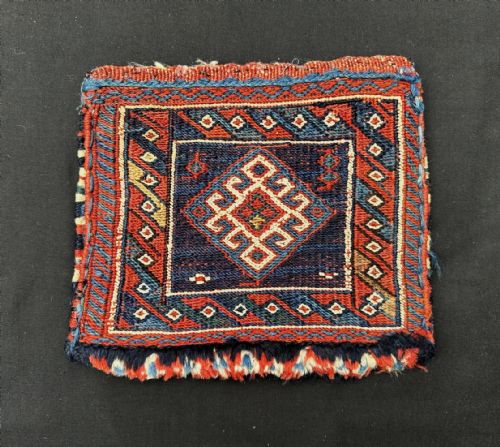
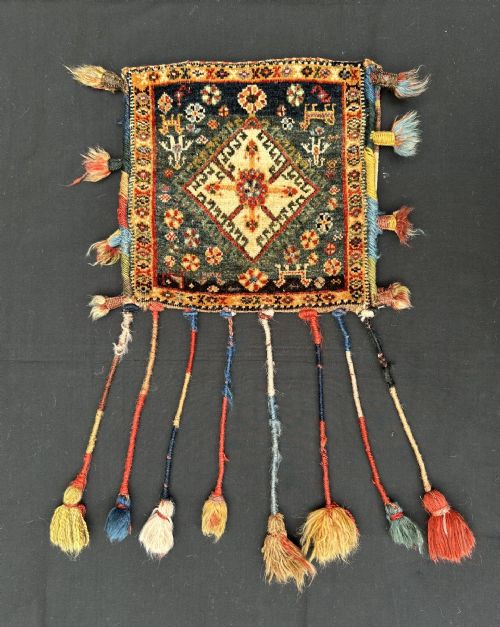
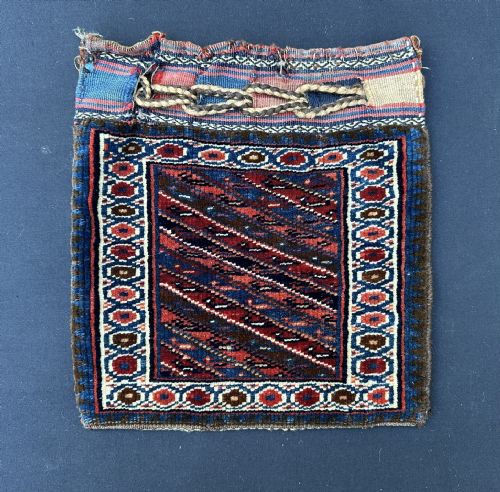
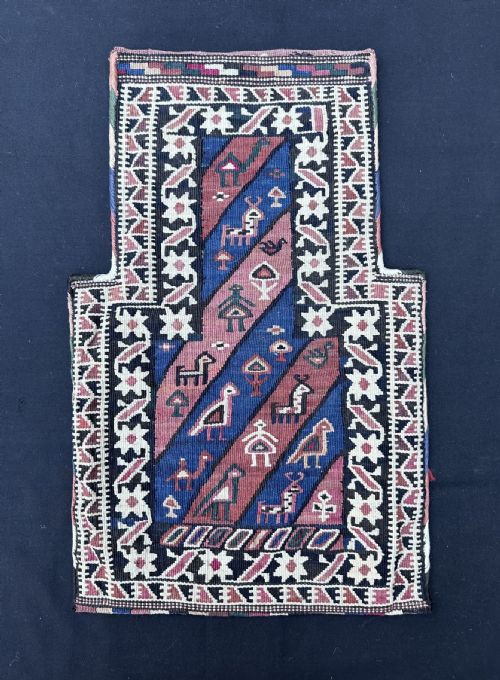
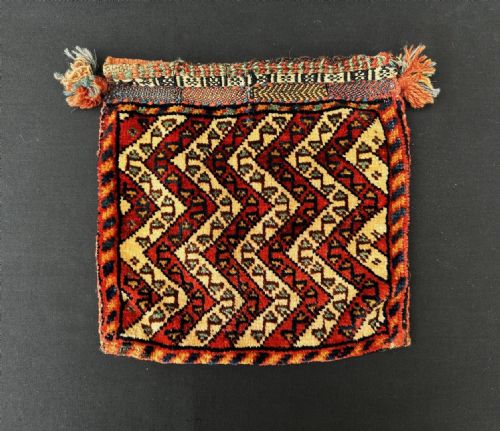
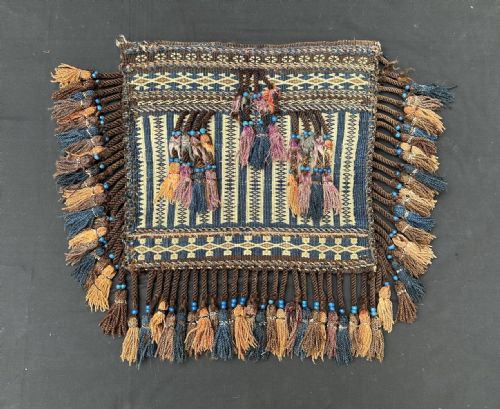
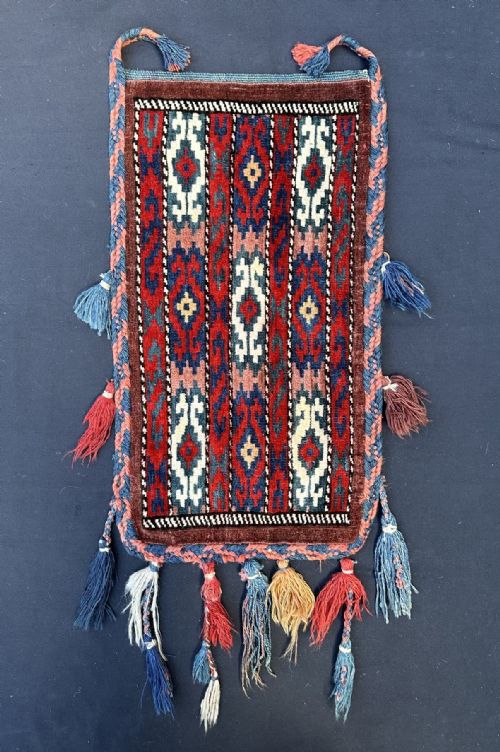
An antique tribal weave pouch serves as a functional textile container produced by various nomadic and confederated groups across Persia, Afghanistan, Azerbaijan, and Turkmenistan. These textile pieces include specific forms such as vanity-bags, salt-bags, spoon-bags, spindle-bags, and chantehs that fulfilled domestic requirements within tribal camps.
The objects stem from distinct tribal entities like the Qashqa'i Confederacy, Afshar tribes, Baluch groups, Shahsevan nomads, and Turkmen tribes spanning the mid-nineteenth century through the early twentieth century. Each pouch reflects the regional weaving traditions, tribal motifs, and structural formats characteristic of its specific maker group.
How they were made
Makers utilised hand-spun wool and dyed yarn combined with cotton foundations to construct these textile pieces. Natural dyes provided the foundational colour palette across the various regional groups.
Techniques encompass standard weave structures alongside specialised methods like soumak work and banded weft work designs. Certain examples incorporate glass beads or cowrie shells for ornamentation.
Antique Tribal Weave Pouch Retail Price Guide 2026
Typical asking prices for tribal weave pouch among the pieces listed under this phrase on Sellingantiques today, from the lower quarter to the upper quarter. They describe what is for sale here now, not the wider market.
Geographic origins span across Persia, Afghanistan, Azerbaijan, and Turkmenistan, covering specific tribal territories from Fars to the Trans-Caspian steppes.
What varies in quality
The intricacy of the weave structure and the complexity of the tribal patterns dictate the execution standard of an individual piece. Finer knotting or tighter soumak work generally separates standard utility bags from more sophisticated examples.
The preservation of original elements, including complete plain weave backs and fastening components, influences the integrity of surviving pieces. The depth and clarity of natural dye colours further distinguish finer examples within the range.
Afshar Tribes·Baluch Tribes·Shahsevan Nomads·Yomut Tribes
The Antique Tribal Weave Pouch Glossary
- Chanteh
- A small tribal bag or vanity pouch traditionally used by nomadic groups for personal items. These pieces often display sophisticated miniature versions of larger carpet motifs.
- Torba
- A small storage bag produced by Turkmen tribes, frequently featuring guls and designed to hang inside a yurt. They display precise geometric field arrangements.
- Soumak
- A flat-weave technique where coloured weft threads wrap around the warp threads in a herringbone or braided pattern. This method creates a sturdy, textured surface without pile.
- Khorjin
- A term for a saddlebag or portion of a saddlebag designed for transport on animals. These items feature reinforced centres and structured compartments.
- Gul
- A medallion or repeating octagonal motif used extensively in Turkmen and Central Asian weaving. Each design often signifies a specific tribal affiliation.
Antique Tribal Weave Pouch: Frequently Asked Questions
What were antique tribal weave pouches used for?
Nomadic weavers created these small textile containers to hold salt, spoons, spindle equipment, tobacco, or personal vanity items. They served practical storage functions within the daily operations of tribal camps.
Beyond domestic utility, many of these bags formed part of dowries or animal trappings. Their portable nature allowed them to be easily packed and transported during seasonal migrations.
How can I identify the tribal origin of a pouch?
Attribution relies on identifying specific colour palettes, structural techniques, and characteristic geometric or pictorial motifs. Different confederations and regions utilised distinct weaving signatures.
For instance, Turkmen groups frequently employed deep red tones and specific gul medallions, while Shahsevan pieces often exhibit intricate soumak work and bold borders.
Are these bags meant to be displayed flat or hung?
Many collectors choose to mount these textiles flat behind glass or display them on textile-safe backing boards to protect the structural integrity of the wool. This method allows the full face design to remain visible.
Alternatively, pieces with intact backs and original openings can be displayed three-dimensionally. Careful hanging away from direct sunlight preserves the natural dyes.
What is the difference between a chanteh and a torba?
A chanteh typically refers to a small Persian or Kurdish personal carrier or vanity bag with a single compartment. They are generally compact in scale and square or rectangular in format.
A torba is specifically a Turkmen storage bag featuring wide borders and repeated gul motifs designed for tent storage. These pieces often present a more rigid structural format.