




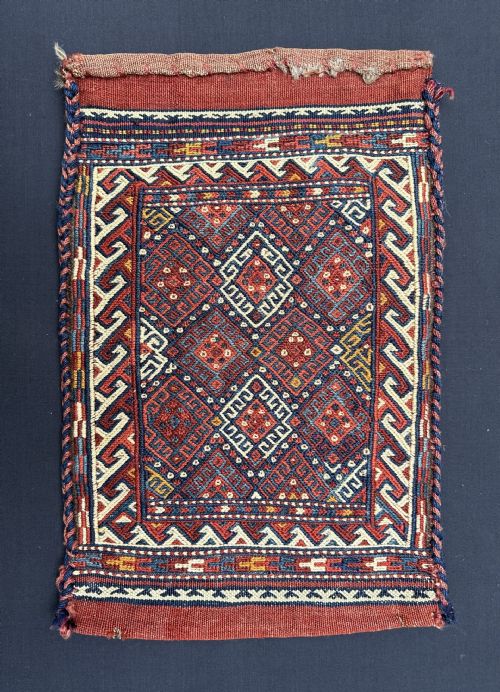


Antique Persia Bag Face
An antique persia bag face is a woven fragment of nomadic life, offering dense tribal patterns and rich natural dyes that collectors prize.
Antique Persia Bag Face
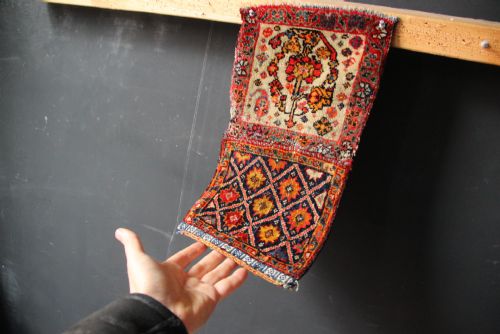
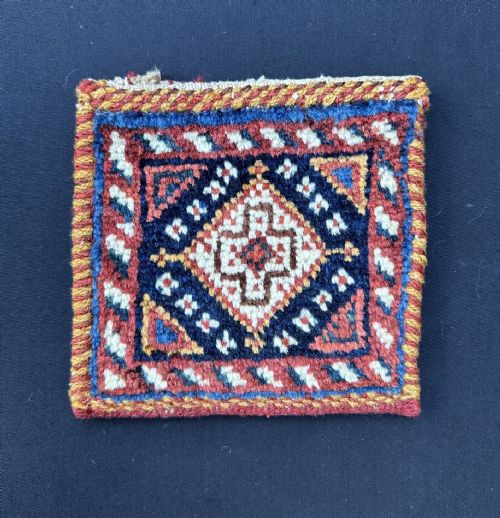
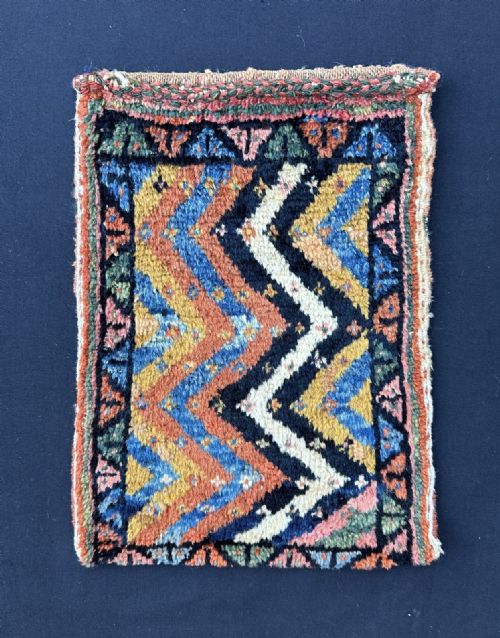
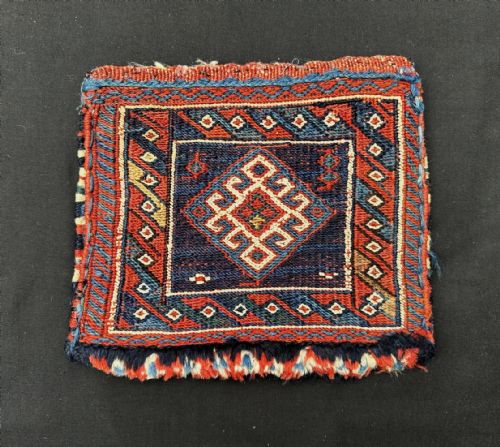
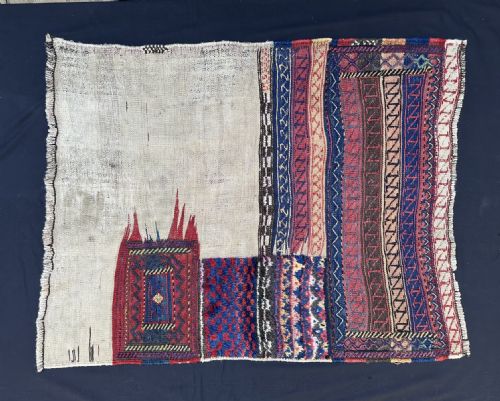
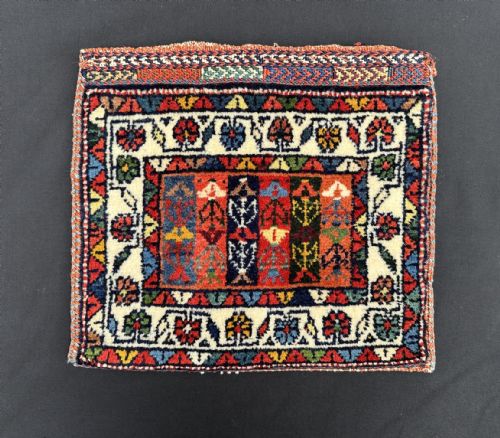
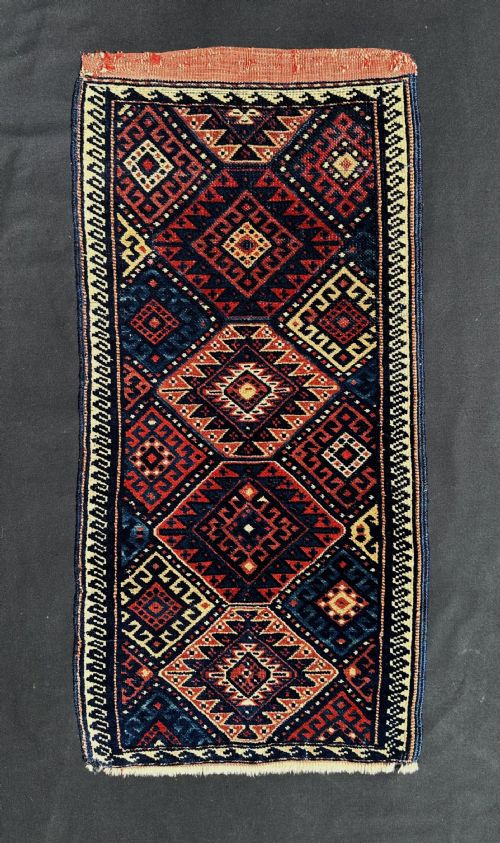
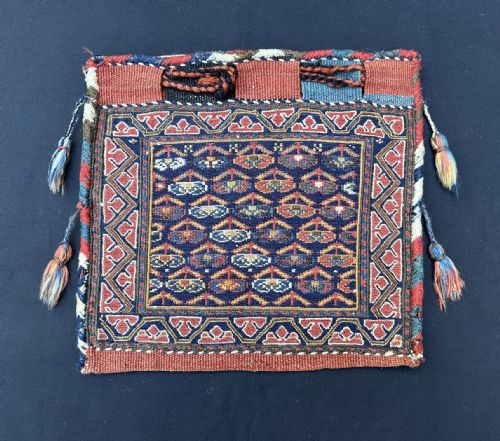
An antique persia bag face represents the front panel of a utilitarian nomadic container, such as a saddlebag, vanity bag, or storage sack. These pieces originate from regional confederacies including the Qashqai, Afshar, Luri-Bakhtiari, Baluch, and Shahsevan tribes.
The format typically showcases the weavers' skill through concentrated geometric or pictorial motifs contained within a smaller canvas. These fragments survive because families repurposed or preserved the decorative faces when the utilitarian rear webs wore away.
Dating ranges primarily across the nineteenth and early twentieth centuries, capturing nomadic production from provinces like Fars, Kerman, Luristan, and Khorassan. Pieces such as pillow bag-faces and wheat sacks provide direct insight into tribal domestic culture.
What Varies In Quality
Quality rests in the handle of the wool and the precision of the tribal drawing, where tighter knot density and suppleness elevate a piece. The depth and saturation of natural dye work dictate the visual resonance of the design.
The clarity and complexity of regional motifs, from boteh patterns to tribal field arrangements, separate standard examples from superior artistic achievements. Preserved completeness around the outer borders and surviving selvedges also influence the standing of a textile.
Antique Persia Bag Face Retail Price Guide 2026
Typical asking prices for persia bag face among the pieces listed under this phrase on Sellingantiques today, from the lower quarter to the upper quarter. They describe what is for sale here now, not the wider market.
Nomads occasionally tucked their mirrors into specialised vanity bags, ensuring good fortune and vanity travelled together across the mountains.
The Antique Persia Bag Face Glossary
- Bag face
- The decorative front panel of a nomadic storage container or saddlebag. This portion preserves the primary design work while the utilitarian back web is absent.
- Boteh
- A recurring teardrop or almond-shaped motif with a curved upper end. This design represents a stylized floral or cypress form found across Persian tribal weaving.
- Khorjin
- The Persian term for a double saddlebag used by nomads for transport and storage. Surviving examples often divide into half-khorjin fragments.
- Tacheh
- A large flatwoven storage sack or wheat container produced by tribal groups. These pieces employ sturdy structures for agricultural use.
Antique Persia Bag Face: Frequently Asked Questions
What is an antique persia bag face?
An antique persia bag face is the severed decorative front of a tribal utilitarian container. Nomadic groups utilised these bags for daily transport, storage, and domestic furnishings.
Over decades of use, the durable front panels often outlasted the plain backing webs, leaving behind self-contained geometric and pictorial textile art.
How were these bags used?
Nomadic tribes utilised these containers on animals for migration or inside tents for grain, bedding, and personal storage. Smaller variants served as vanity cases or pillow covers.
Their construction balanced practical durability with the aesthetic identity of specific confederacies such as the Qashqai or Afshar.
How do I identify tribal origins?
Tribal origins appear through specific colour palettes, structural wool qualities, and characteristic border arrangements. Regional motifs and knotting habits point directly to groups like the Luri-Bakhtiari or Shahsevan.
Comparing structural details helps attribute pieces to precise provinces such as Fars, Kerman, or Luristan.
How should I display a bag face?
These textiles mount securely on stretched linen backing or hang via conservation-grade display systems. Keeping them away from direct sunlight protects the natural dyes from fading.
Their modest dimensions make them suitable for wall placement where the intricate woolwork can be examined closely.