








Kerman Province Tribal Rug
A kerman province tribal rug brings the striking wool and cotton geometry of nomadic weaving into a modern interior.
Kerman Province Tribal Rug
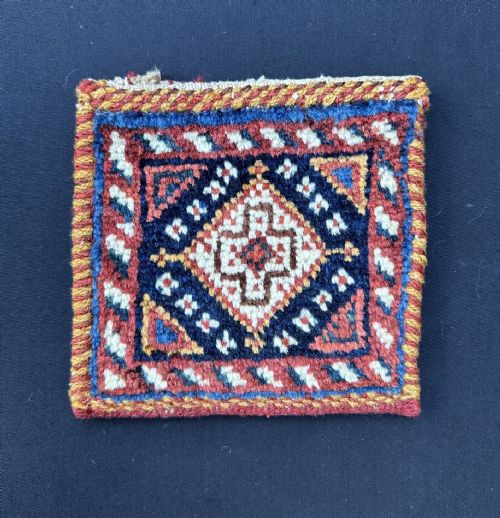
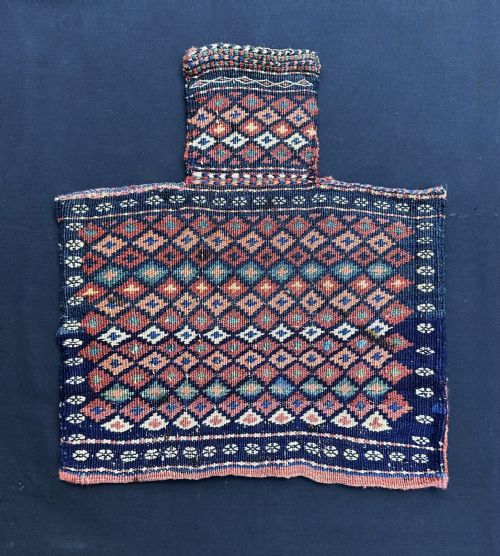
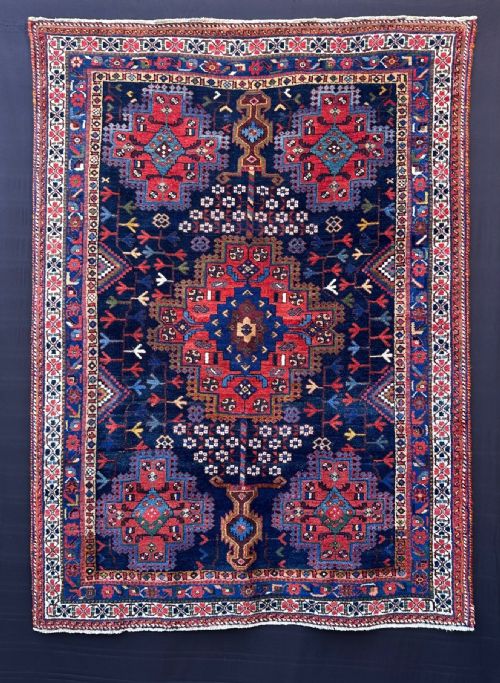
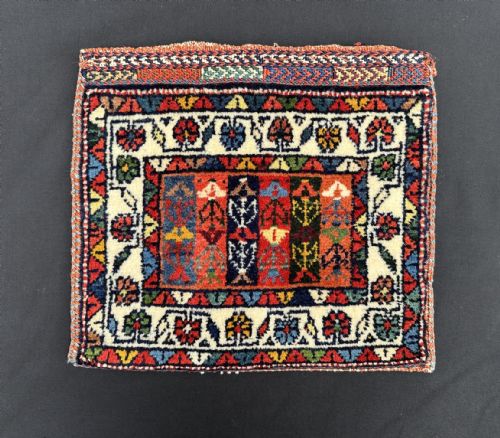
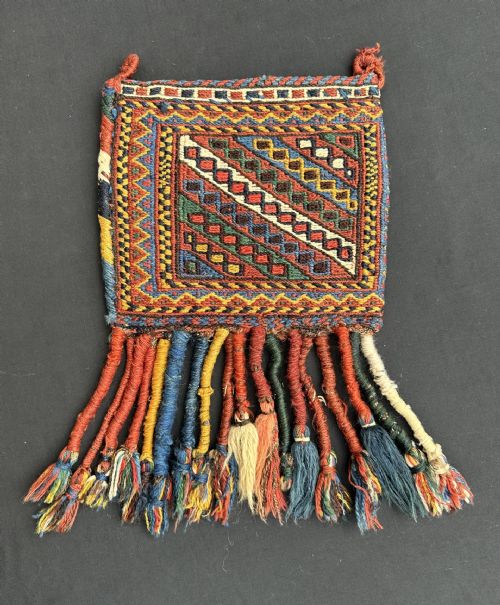
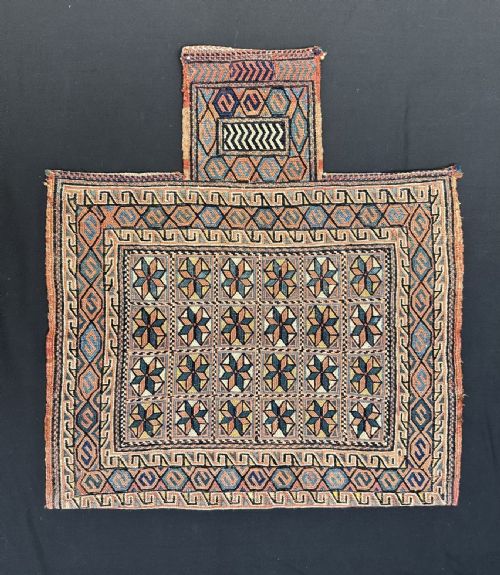
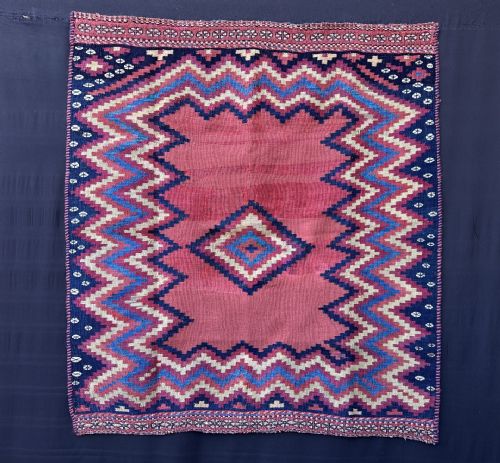
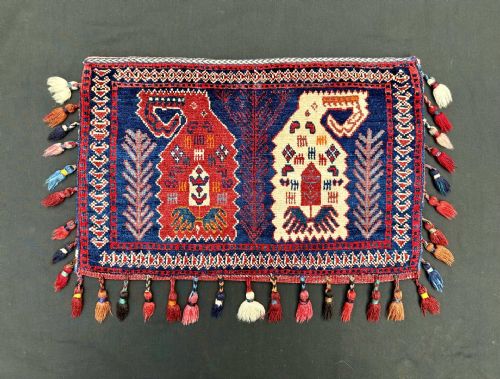
When you search for a kerman province tribal rug, you encounter the distinctive textile output of nomadic groups such as the Afshar tribes working across southern Persia. These pieces span from the mid-nineteenth century up to the early twentieth century, reflecting the traditional weaving culture of regions like Bardsir, Neiriz, and the Jebal Barez mountains. The selection on this page extends beyond standard floor coverings to include utilitarian objects made for nomadic life, such as salt bags, vanity bags, bread sofrehs, and saddlebag faces.
What Varies in Quality
The distinction between standard examples and the finest pieces rests upon the precision of the weave and the complexity of the tribal design. Tighter knot counts and more refined execution in flatweave or Soumak sections indicate superior hand-working by the nomad maker. The vibrancy and retention of natural dyes also set apart exceptional items from those with muted or uneven coloration.
Structural integrity and the completeness of original elements, such as surviving borders and untouched backs, influence the standing of each textile. Pieces that retain decorative details like cowrie shells demonstrate a higher level of preserved tribal character. The subtlety of the South Persian tribal motifs and the crispness of the geometry separate ordinary utilitarian bags from masterworks.
Kerman Province Tribal Rug Retail Price Guide 2026
Typical asking prices for kerman province tribal rug among the pieces listed under this phrase on Sellingantiques today, from the lower quarter to the upper quarter. They describe what is for sale here now, not the wider market.
Materials recorded across the inventory include wool, cotton, natural dyes, and cowrie shells.
The Kerman Province Tribal Rug Glossary
- Sofreh
- A flatweave cloth utilised for spreading out food or kneading bread dough in nomadic households. These textiles often feature striking geometric field designs.
- Soumak
- A flatweaving technique involving coloured weft threads wrapping around the warp threads to create a durable, textured surface without a cut pile. This method provides extra strength for storage bags and covers.
- Afshar
- A major nomadic and semi-nomadic tribal group operating in the Kerman province of southern Persia. Their weavers are renowned for distinctive geometric patterns and rich natural dyes.
- Bardsir
- A specific region within the Kerman province associated with particular nomadic weaving groups. Items attributed to this area display distinct local design traits.
- Cowrie shell
- Marine shells attached to tribal textiles as decorative elements and protective amulets. They appear on specific utilitarian storage bags.
Kerman Province Tribal Rug: Frequently Asked Questions
What is a bread sofreh?
A bread sofreh is a flatweave textile used traditionally by nomadic groups for preparing and serving bread. These pieces functioned as practical household cloths rather than floor coverings.
They display the same geometric patterns and natural dyes found on larger tribal rugs from the Kerman province.
How do I care for a tribal rug?
Protect your textile by placing it in areas of low foot traffic and avoiding direct, harsh sunlight. Gentle vacuuming without a rotating brush helps maintain the wool pile.
Professional cleaning tailored for antique textiles ensures the natural dyes remain stable and vibrant.
What are tribal storage bags?
Nomadic groups used storage pouches, vanity bags, and salt bags to transport personal possessions and provisions during seasonal migrations. These items were woven with durable wool and cotton structures.
They represent the smaller scale of weaving produced by tribes in southern Persia.
How are periods determined?
Dates rely on stylistic analysis of the geometric motifs, wool quality, and the character of the natural dyes. Comparison with dated archival examples helps narrow down the decade of production.
Pieces seen here range from the mid-nineteenth century through the early twentieth century.