


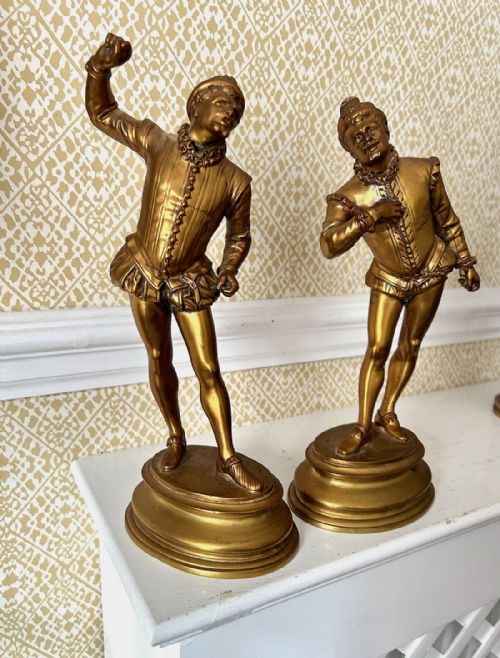

Nineteenth Century Statuette
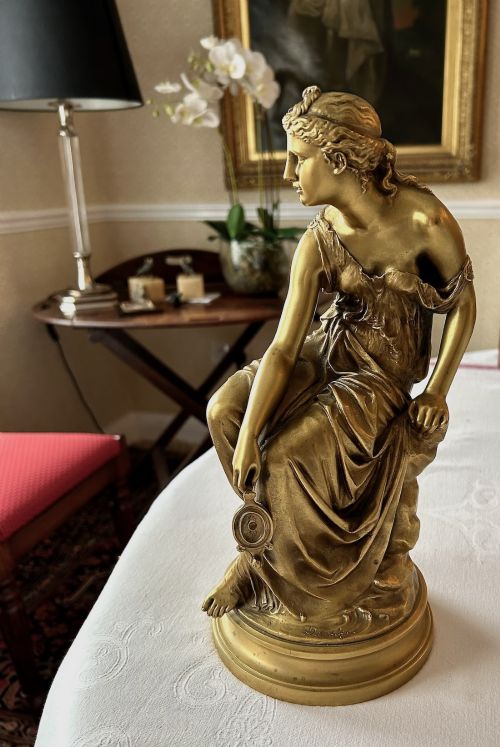
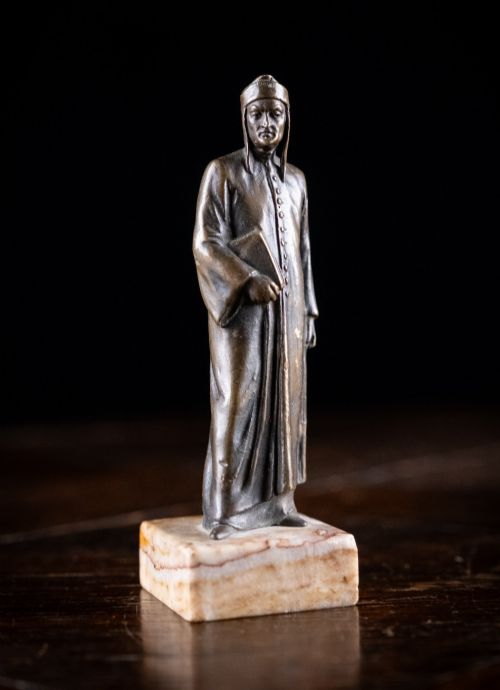
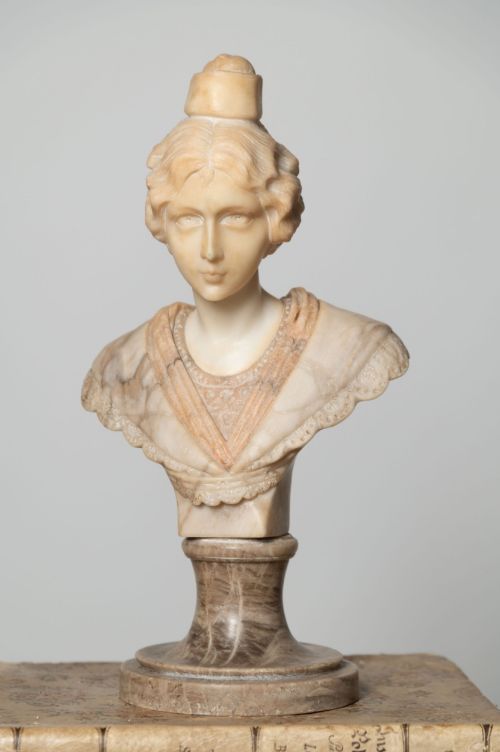
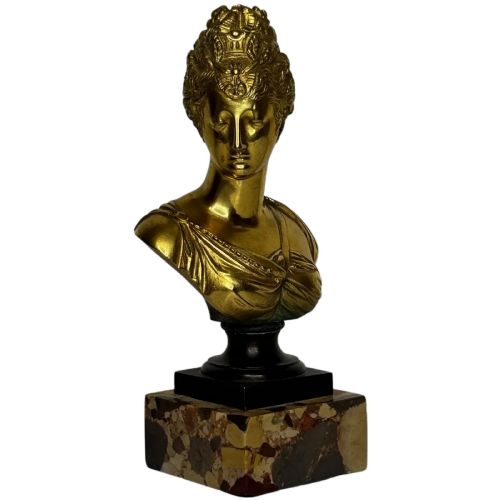
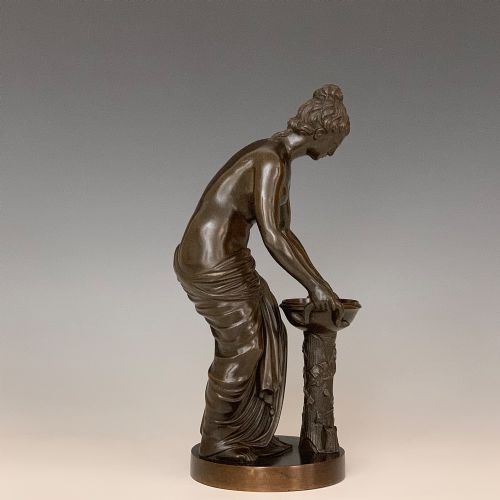
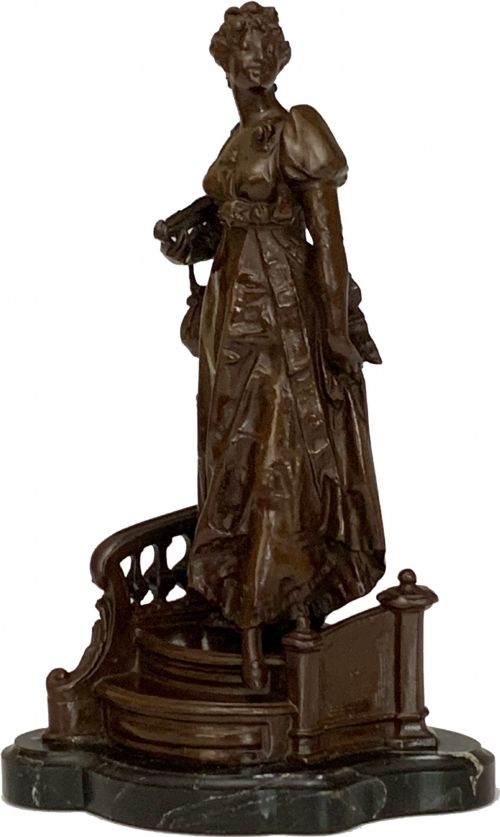
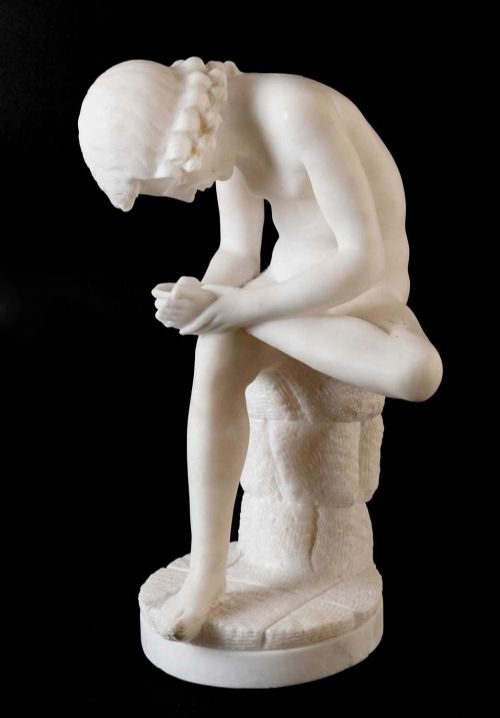
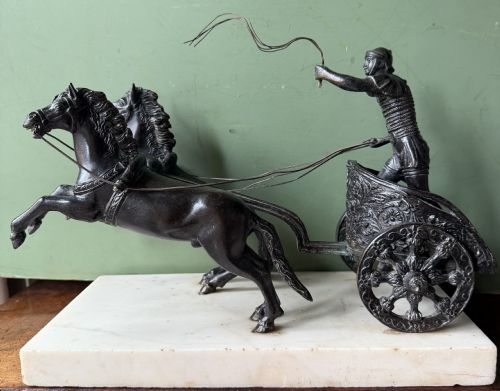
A nineteenth century statuette brings classical figures, historic portraits and mythological subjects into a room through bronze, marble and porcelain.
Nineteenth Century Statuette
A nineteenth century statuette captures figures from classical antiquity, literature and nature in miniature form. When searching for this phrase, buyers encounter works spanning the Victorian era through the turn of the twentieth century, originating from French, Italian, German and British workshops.
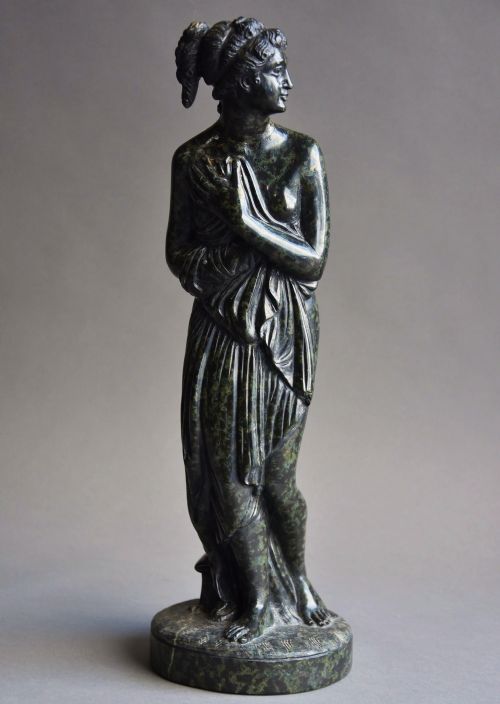
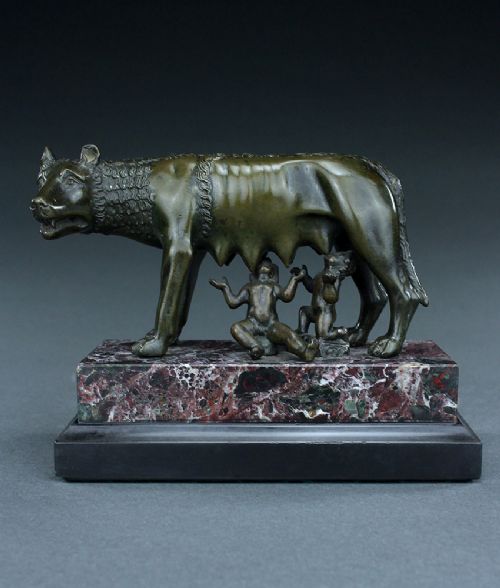
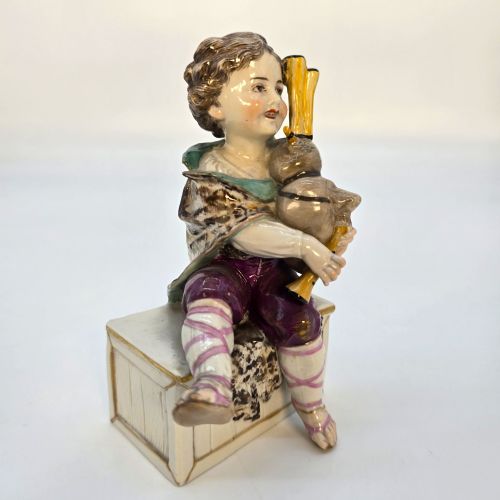
The most common formats on this page are bronze casts from the Grand Tour, porcelain figures from factories such as Royal Worcester and Volkstedt, and carved wood or ivory studies. Subjects range from mythological figures like Venus and Narcissus to genre scenes and literary characters.
These pieces served as cabinet ornaments, desk accessories and mantelpiece decorations for nineteenth-century collectors. They bridge the gap between monumental sculpture and domestic display, often reproducing famous classical antiquities or showcasing contemporary foundry work.
How They Were Made
Bronze statuettes were typically produced using the lost-wax method or sand casting, followed by chasing and patination to define surface detail. Gilt bronze examples received an application of gold leaf or mercury gilding.
Porcelain figures were slip-cast in moulds, hand-painted with enamel colours or glazes, and fired in kilns, sometimes incorporating Parian ware for a matte, marble-like biscuit finish. Carved wooden studies in materials like linden and oak relied on hand-chiselling to achieve deep relief.
Many bronzes and porcelain figures are mounted on integral or separate plinths made of marble, serpentine, malachite or olive wood, providing stability and visual contrast to the metal or ceramic body.
A tiny bronze bird sits painted in cold colours while an ibex of carved linden wood watches quietly from its forest branch.
What Varies in Quality
The crispness of the chasing on bronze casts determines how clearly facial expressions, drapery folds and anatomical details emerge from the metal. Softer edges indicate worn moulds or secondary casting.
The quality of the base material - such as genuine Rosso Levanto marble or serpentine compared to simpler timber or slate - signals the tier of the original commission.
Etienne-Henri Dumaige·Volkstedt Rudolstadt Factory·Georges Van Der Straeten·James Hadley·Royal Worcester·Auguste Moreau·Emile-Coriolan Guillemin·Franz Bergman·Jean Jules Salmson·Triebner Ens And Co·Minton·Achille Mollica·Ernst Bohne And Sohne
The Nineteenth Century Statuette Glossary
- Grand Tour
- A traditional trip through Europe undertaken by upper-class Europeans, resulting in the acquisition of souvenir bronzes and marbles representing classical antiquities.
- Parian ware
- A type of biscuity porcelain developed in the nineteenth century that resembles carved marble, often used for classical figural groups.
- Lost-wax casting
- A metal-casting method where a molten metal is poured into a mould that has been created by means of a wax model.
- Chasing
- The manual working of metal with small hammers and punches to refine surface details and texture after casting.
- Patina
- A thin layer that naturally or artificially forms on the surface of bronze through age and chemical treatment.
Nineteenth Century Statuette: Frequently Asked Questions
What is a nineteenth century statuette made of?
These sculptures utilise materials such as bronze, marble, porcelain, terracotta and carved wood. Many incorporate mixed media, pairing metal figures with stone plinths.
Foundries and ceramic factories selected materials based on the intended function and market for the piece, ranging from durable bronze for Grand Tour travel souvenirs to delicate Parian ware for domestic drawing rooms.
How were these figures used originally?
Owners placed them on desks, mantelpieces, bookcases and side tables as decorative conversation pieces. They reflected the owner's education, taste and travel history.
Some served as functional items like clock set components or inkstand ornaments, while others were purely aesthetic representations of mythological narratives and historical portraits.
How do I identify the period of a statuette?
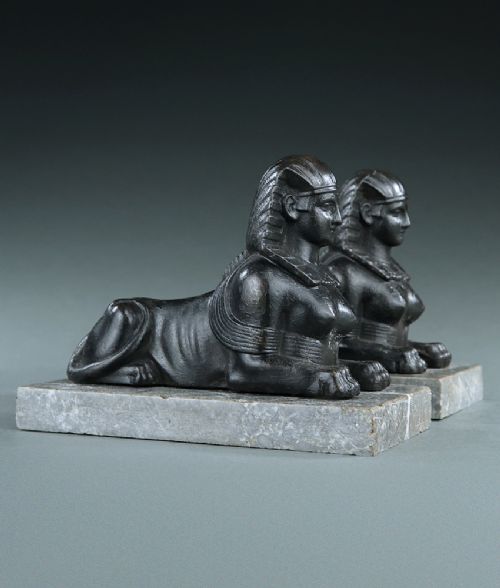
Dating relies on material composition, foundry marks, factory stamps and stylistic indicators. Nineteenth-century pieces often reflect historical revival movements such as Neoclassicism, Egyptian Revival and Art Nouveau.
Inscribed signatures, patent marks and registry lozenges found on the base or reverse provide precise manufacturing dates or maker attribution.
Are these pieces reproductions?
Many nineteenth-century bronzes and marbles are reduction casts or interpretations of famous antique sculptures seen during the Grand Tour. Rather than modern replicas, they are period works created in nineteenth-century workshops after ancient or Renaissance models.
Foundries purchased rights or utilised existing moulds to issue authorised bronze reductions of monumental public sculptures.