









Grand Tour Figure
A grand tour figure captures the classical subjects and ancient monuments encountered by travellers in Italy during the nineteenth century.
Grand Tour Figure
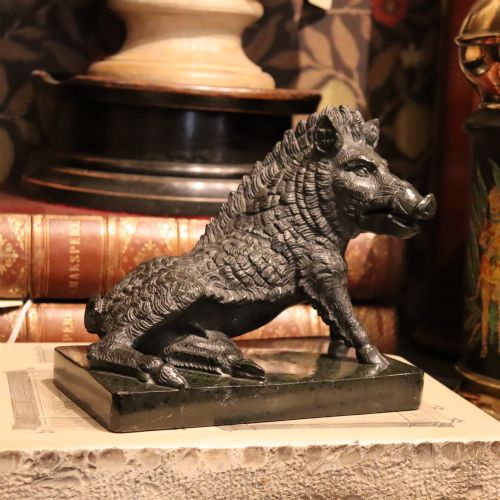
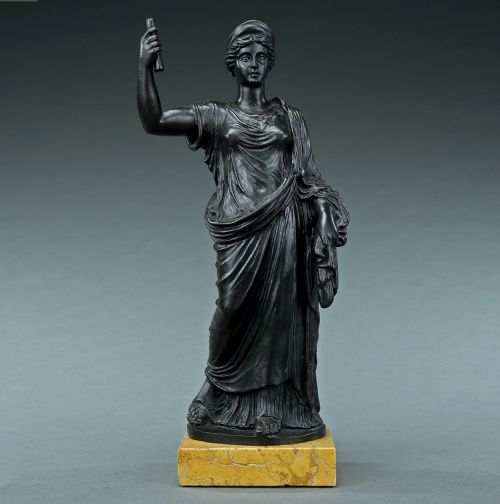
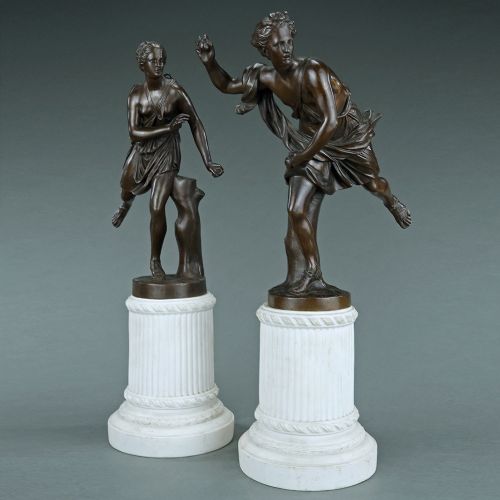
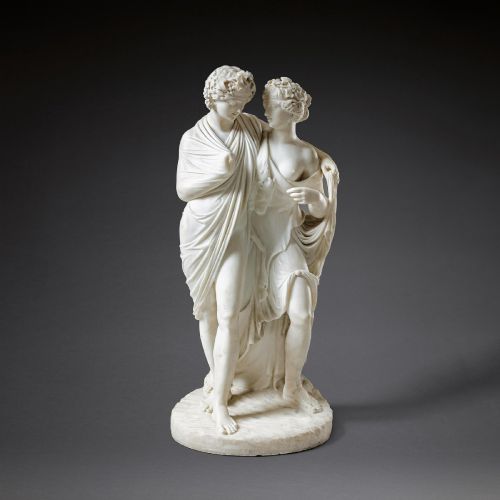
A grand tour figure represents classical mythology and ancient sculpture, produced as a souvenir for travellers exploring Italy during the nineteenth century. These pieces recreate famous ancient works such as the Borghese Gladiator, the Dying Gaul, and various depictions of Narcissus, fauns, and deities.
The objects take several forms, ranging from small cabinet bronzes and portrait busts to larger sculptural groups mounted on marble bases. While many examples are cast in bronze, buyers also encounter versions carved from marble, alabaster, serpentine, and terracotta.
Most surviving pieces date from the nineteenth century, reflecting the peak of continental travel among British and European collectors. Workshops in Rome, Naples, and Florence supplied these reductions after the antique to satisfy the demand for classical culture.
Materials and casting methods
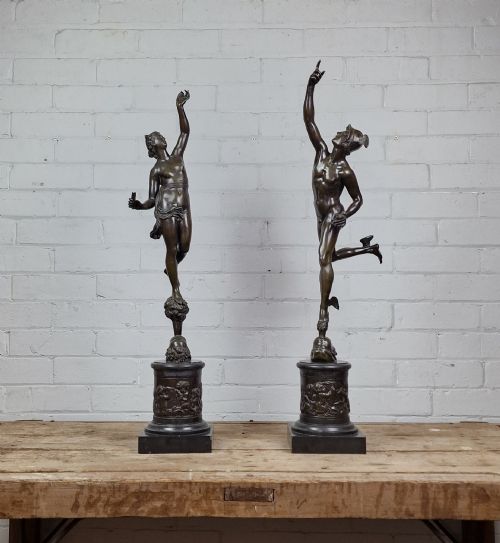
Bronze sculptures relied on traditional lost-wax or sand-casting techniques to capture the fine details of antique statuary. Foundries applied chemical patination to these metal casts, producing rich brown, green, and dark tones that simulated the appearance of excavated antiquities.
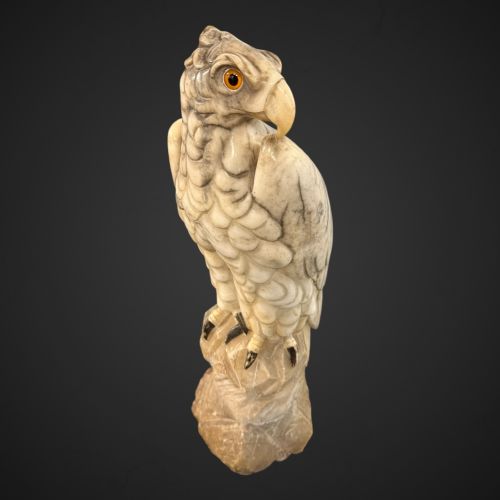
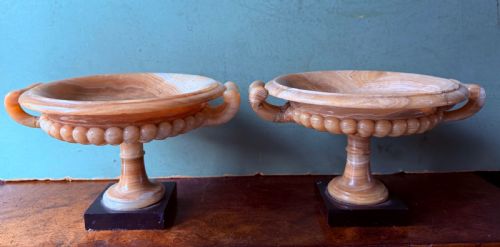
Stonework and mineral carvings utilised soft stones such as alabaster, veined carrara marble, fossil marble, and green serpentine. Craftsmen shaped these materials into columns, tazze, and figural supports, often pairing carved figures with contrasting coloured marble plinths.
Travellers often packed heavy marble statues in their luggage, trusting that a dancing faun would survive the rough carriage ride across the Alps.
Evaluating craftsmanship
The choice and finish of the base material also distinguish finer productions. Master workshops mounted their bronzes on heavy, tightly fitted bases of Siena, black, or fossil marble, securing each piece with neatly turned fixings rather than casual adhesives.
Barbedienne·Carlo Albacini·G. Amodio·Nelli·Hamo Thornycroft·Émile Louis Picault
The Grand Tour Figure Glossary
- Patinated bronze
- Metal sculpture treated with chemical solutions to produce a specific surface colour. This process protects the metal and mimics the aged appearance of ancient bronzes.
- Grand tour
- The traditional journey of continental Europe undertaken by upper-class European travellers. The itinerary focused on the art and architecture of France and Italy.
- After the antique
- A description used when a sculpture copies a well-known classical Greek or Roman statue. These reproductions allowed collectors to own miniature versions of museum masterpieces.
- Verdo prato
- A green decorative marble or serpentine used for pedestals and carved figures. The stone displays mottled shades of dark and light green.
- Tazza
- A shallow ornamental cup or vase raised on a stem and foot. These vessels frequently appeared as carved stone souvenirs mounted on contrasting plinths.
Grand Tour Figure: Frequently Asked Questions
What is a grand tour figure?
These pieces are miniature or reduced-scale sculptures created as souvenirs for travellers visiting classical sites in Italy during the nineteenth century. They replicated famous archaeological discoveries and museum statues for private display at home.
Subjects typically include mythological figures, Roman soldiers, and celebrated ancient sculptures such as the Borghese Gladiator or the Dancing Faun.
Where were grand tour figures made?
Production centred on major Italian cultural hubs, particularly Rome, Naples, and Florence, where skilled founders and stone-carvers worked near the primary archaeological sites. French foundries in Paris also produced substantial numbers of these classical bronzes.
Local workshops catered directly to foreign travellers by maintaining studios that produced reductions of the most famous antiquities.
How do I care for a bronze figure?
Bronze sculptures require minimal maintenance beyond gentle dusting with a soft, dry cloth to prevent particulate accumulation. Avoid using chemical cleaners, polishes, or damp cloths, which can strip or damage the historic patination.
Keeping the piece in a stable environment away from direct sunlight and excessive humidity protects both the metal surface and any underlying marble bases.
How can I tell the period?
Dating relies on examining the casting technique, the patination style, and the character of the associated stone bases. Nineteenth-century pieces often exhibit hand-chased surface details and specific mounting methods typical of European foundries from that era.
The wear on the underside of the base and the composition of the metal alloy provide further clues to the age of the manufacture.