




Green Serpentine Sculpture
Green serpentine sculpture comprises carved stone figures and pedestals modelled on classical antiquities, bringing substantial weight and deep green mineral tones to any room.
Green Serpentine Sculpture
Green serpentine sculpture centres on carved figures, animals, and architectural supports shaped from dense magnesium silicate rock. When buyers search for green serpentine sculpture, they encounter works ranging from Italian Grand Tour animal figures to Chinese hardstone groups.
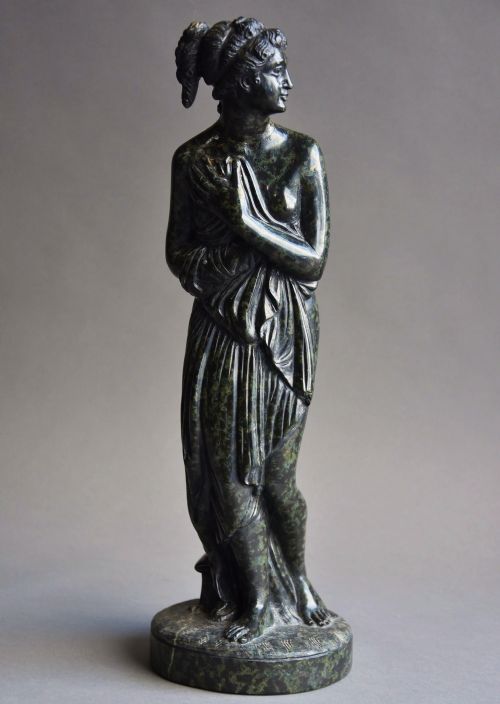
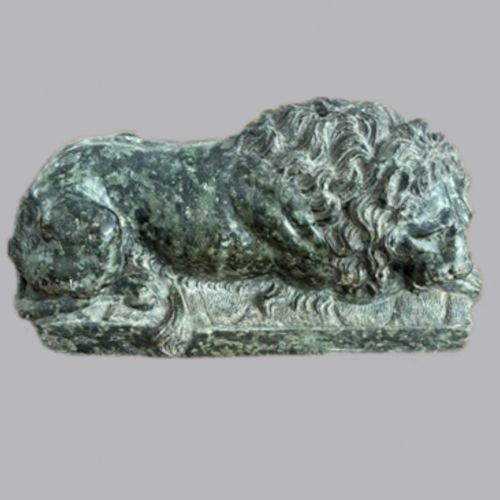
The objects take many forms, including recumbent lions, mythological figures after Canova, and tall architectural columns. Pieces span the eighteenth, nineteenth, and early twentieth centuries, reflecting classical revival tastes across Europe and Asia.
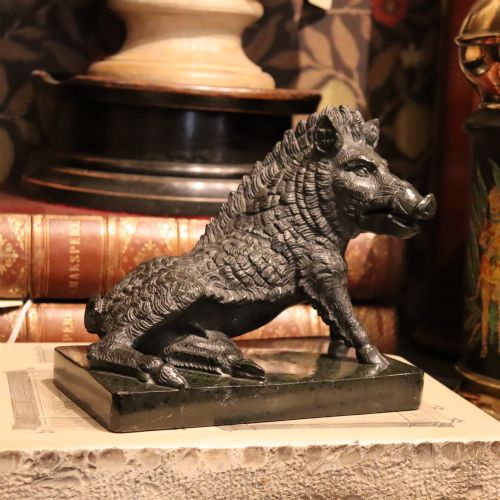
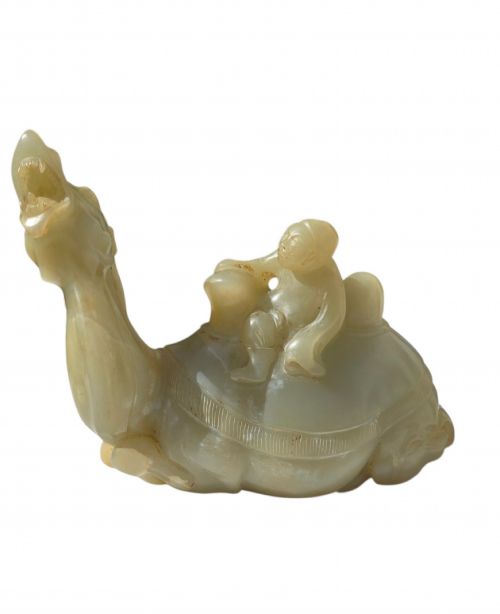
Italian workshops dominate the European offerings, producing classical dogs, boars, and lions in imitation of ancient bronzes and marbles. Chinese carvers utilise bowenite serpentine to create intricate figurative groups such as camels and riders.
Materials and carving techniques
Carvers work with serpentine, marble, and bowenite, stones chosen for their rich green hues and ability to hold fine detail. The mineral properties of serpentine allow for smooth surfaces that take a high polish, emulating the appearance of ancient bronzes.
Sculptors shape the dense stone using chisels, saws, and abrasives, finishing the surfaces by hand to reveal natural variegation. Architectural supports and pedestals involve turning stone on lathes and assembling columns with precision joints.
Green Serpentine Sculpture Retail Price Guide 2026
Typical asking prices for green serpentine sculpture among the pieces listed under this phrase on Sellingantiques today, from the lower quarter to the upper quarter. They describe what is for sale here now, not the wider market.
Listings feature nineteenth-century Italian Grand Tour carvings alongside Chinese bowenite serpentine groups and neoclassical architectural pedestals.
Factors of quality and execution
Quality rests upon the crispness of the carving and the natural patterning of the stone. Superior pieces exhibit anatomical precision in figures and lions, capturing the spirit of classical prototypes without stiffness.
The depth of polish and the handling of variegated green tones distinguish workshop output. Finer examples display harmonious mineral inclusions and stable structure across heavy stone bases and columns.
The Green Serpentine Sculpture Glossary
- Serpentine
- A group of green silicate minerals often polished to resemble marble. It provides a dense medium for nineteenth-century decorative carvings.
- Grand Tour
- A traditional trip through Europe undertaken by upper-class travellers who collected souvenirs. These travellers commissioned small marble and stone sculptures in Italy.
- Bowenite
- A hard, compact variety of serpentine prized for its translucent quality. Chinese artisans carved this material into intricate figures and groups.
- Neoclassical
- A stylistic movement reviving the art of ancient Greece and Rome. This aesthetic guides the proportion of columns and figures seen in the period.
- Variegated
- Marked by patches or streaks of different colours. The stone displays varied shades of green and white throughout the carved body.
Green Serpentine Sculpture: Frequently Asked Questions
What is green serpentine made from?
Green serpentine is carved from a hydrous magnesium silicate rock that possesses a soft, greasy feel and a mottled green appearance. The material takes a fine polish, making it popular for decorative objects and architectural supports.
Artisans select blocks showing rich colour variation to enhance the visual depth of carved animals and architectural columns.
Where were these sculptures made?
These sculptures originate primarily from European workshops, particularly in Italy, alongside notable examples from Chinese carvers working with bowenite. Italian pieces often emerged from workshops catering to travellers seeking classical souvenirs.
Chinese production focused on intricate figurative groups, utilising local hardstones to depict traditional subjects with fine detail.
How do I care for stone sculptures?
Stone sculptures require minimal maintenance, needing only a soft, dry cloth to remove dust from carved surfaces and crevices. Avoid using chemical cleaners or abrasive materials that might dull the polished finish of the serpentine.
Place heavy pieces on stable surfaces or dedicated pedestals to support their substantial weight safely.
How do I identify a Grand Tour piece?
Grand Tour pieces typically replicate famous antique sculptures found in Italian museums and archaeological sites, such as the Florentine boar or Canova lions. These nineteenth-century works reflect the classical tastes of European travellers.
The use of Italian green marble and serpentine points directly to the workshops operating in Rome, Florence, and other cultural centres during this period.