



Neoclassical Stone Figurine
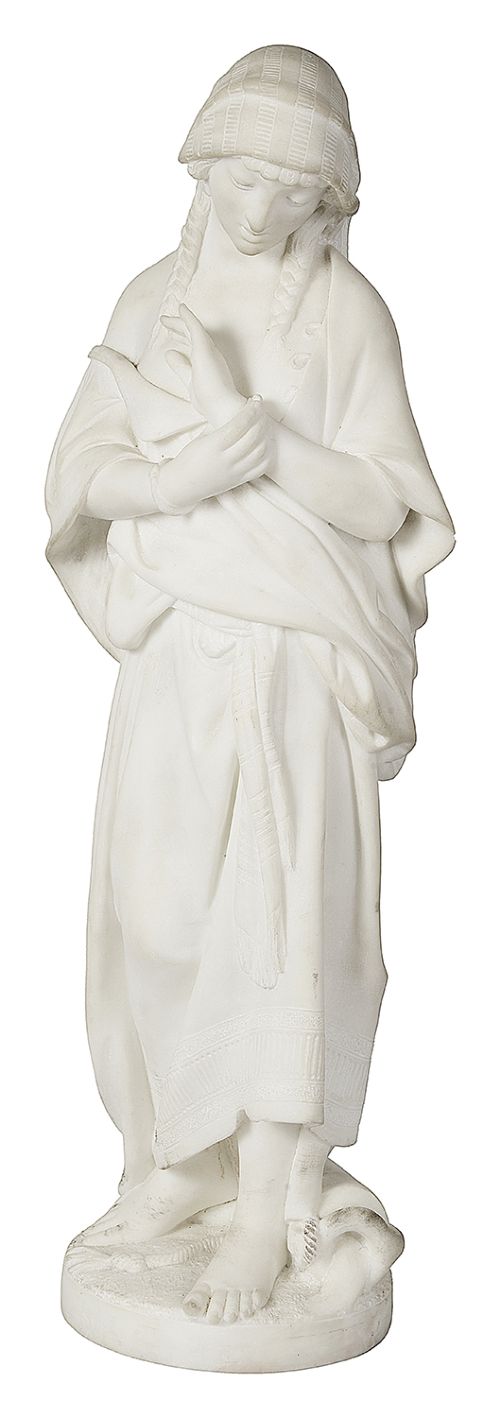
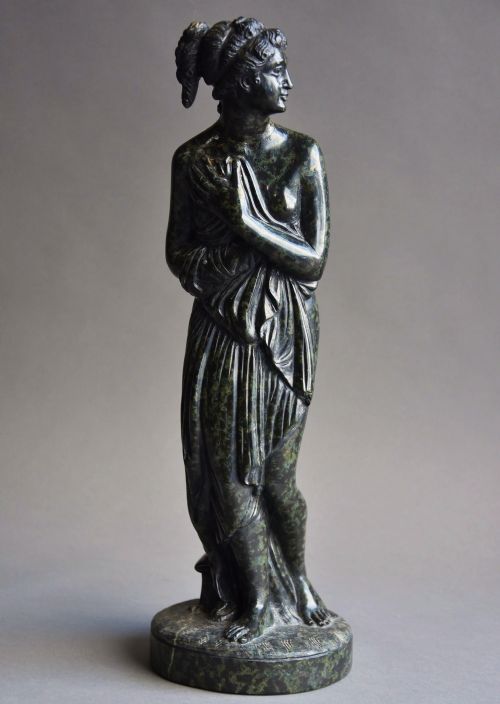
A neoclassical stone figurine brings classical mythology and portraiture into the home, carved from fine marble, alabaster and serpentine.
Neoclassical Stone Figurine
A neoclassical stone figurine represents figures from classical mythology, historical subjects and portraits rendered in the sculptural traditions of the eighteenth and nineteenth centuries. When searching for a neoclassical stone figurine, buyers encounter works ranging from Grand Tour souvenirs to signed Italian studio pieces.
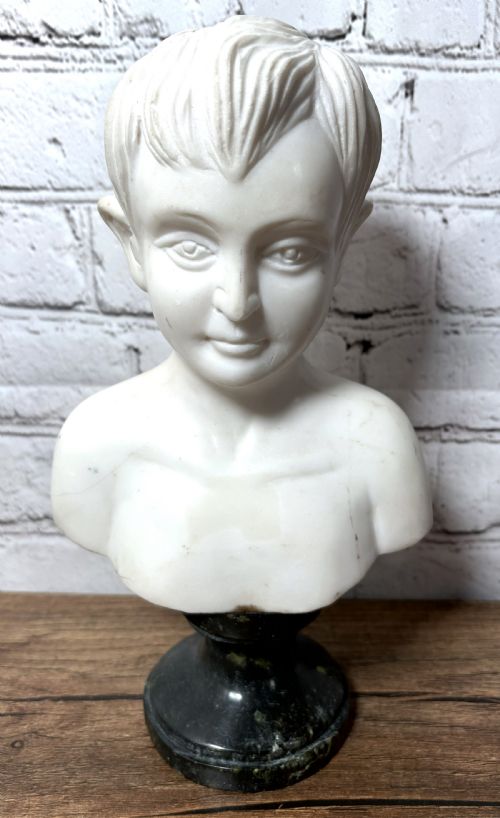
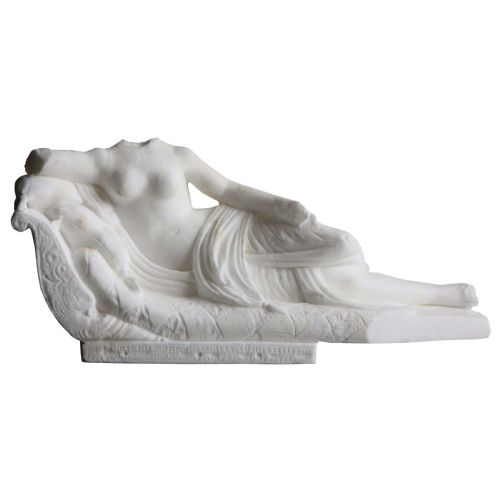
The selections span figures of goddesses, mythological deities such as Venus and Bacchus, and portraits of young children or ladies. Forms include full-length statues, library busts and grouped figures executed in various types of stone.
Origins trace principally to nineteenth-century Italy and France, capturing the enduring European fascination with classical antiquity. These pieces reflect both academic sculptural training and the commercial output of Florentine and Roman workshops.
How they were made
Carvers shaped these works using white marble, Carrara marble, alabaster and serpentine, often exploiting the natural veining and translucency of the stone. Artisans employed hand chisels, rasps and abrasive powders to achieve smooth drapery and lifelike flesh surfaces.
Many nineteenth-century examples derive from renowned classical or neoclassical prototypes created by sculptors like Antonio Canova and Joseph Gott. Workshops utilised pointing machines to scale down full-size masterworks into cabinet-sized statuary and busts.
Even ancient hounds need a rest, as shown by a pair of Grand Tour marble sculptures depicting Alcibiades hounds.
What varies in quality
Quality rests in the sensitivity of the carving, particularly in the rendering of facial expressions, hair texture and the fall of drapery. Finer pieces demonstrate a thorough understanding of human anatomy and precise detailing in the hands and feet.
The choice of material heavily influences the character of the piece, with flawless Carrara marble and translucent alabaster commanding greater refinement than mixed stone or cast alternatives. Signed bases and attributions to specific Italian or French makers elevate the standing of a sculpture.
Barranti Florence·Antonio Canova·Denise Delavigne·Joseph Gott
The Neoclassical Stone Figurine Glossary
- Neoclassical
- A style originating in the mid-eighteenth century that drew inspiration from the art and culture of classical Greece and Rome. It emphasises restraint, proportion and mythological or historical subject matter.
- Grand Tour
- A cultural journey of Europe undertaken by wealthy young men in the eighteenth and nineteenth centuries. Travellers frequently purchased small marble and alabaster sculptures as souvenirs of Italy.
- Carrara Marble
- A type of white or blue-grey marble quarried in the city of Carrara in Tuscany, Italy. It was favoured by neoclassical sculptors for its purity and fine grain.
- Alabaster
- A fine-grained, translucent stone often used for nineteenth-century figurative carvings. Its softness allowed artisans to achieve delicate details and subtle play of light across the surface.
- Serpentine
- A group of green silicate minerals often used for carved figures and decorative bases. It provides a distinct dark green colour and mottled texture.
Neoclassical Stone Figurine: Frequently Asked Questions
What is a neoclassical stone figurine?
A neoclassical stone figurine is a carved sculpture depicting mythological figures, classical deities or portraits created in the nineteenth-century revival style. These pieces draw heavily on ancient Greek and Roman art.
They serve as decorative cabinet pieces, library ornaments and tangible connections to the Grand Tour tradition of European travel and collecting.
How do I care for a marble sculpture?
Marble and alabaster figurines require gentle dusting with a soft, dry cloth to prevent the accumulation of dirt within carved crevices. Avoid using water, household cleaners or chemical solvents which can damage the stone surface.
Keep the figurine away from direct sunlight and extreme temperature fluctuations to protect the natural material over time.
Are these figurines signed by artists?
Some nineteenth-century pieces feature signatures, studio marks or foundry stamps inscribed directly onto the marble base or reverse. These inscriptions often name the Italian or French carver, or indicate the workshop of origin.
Unsigned examples are also common, frequently representing studio copies after famous classical monuments or works by anonymous artisans.