








Black Marble Base Figurine
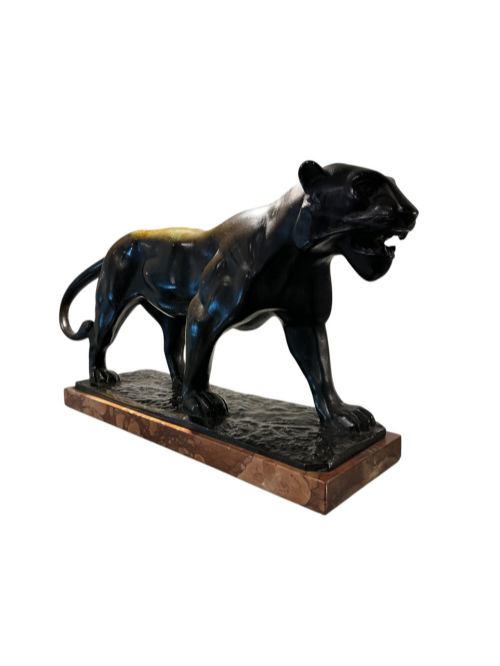
A black marble base figurine brings together heavy stone and cast metal, holding figures from mythological dancers to prowling panthers.
Black Marble Base Figurine
A black marble base figurine positions a cast or carved subject firmly upon a dark stone plinth, anchoring the composition. These pieces appear frequently from the nineteenth century through the Art Deco decades of the nineteen twenties and thirties.
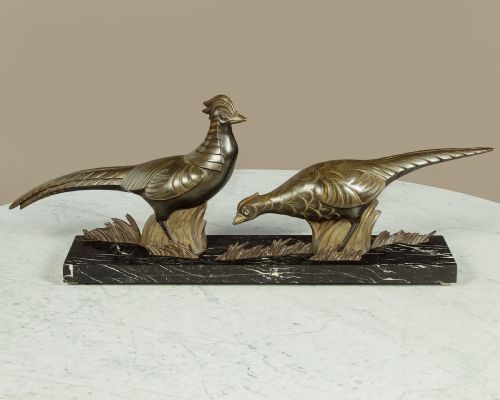
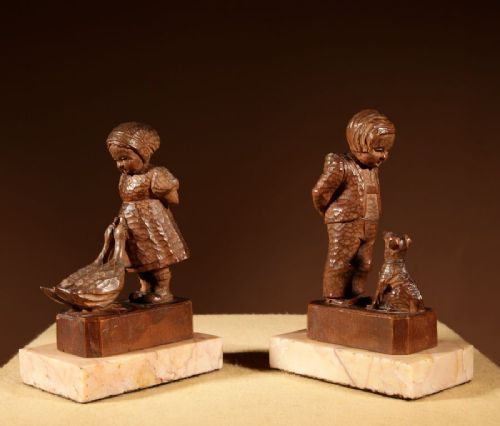
The subjects range from classical deities and Egyptian revivals to animalier studies of panthers, stags, and pheasants. Art Deco dancers and human figures dominate the twentieth-century offerings, alongside occasional table lamps and night lights.
Makers and sculptors utilised the heavy stone plinth to stabilise taller figures or extend horizontal animal studies. The contrast between the dark polished stone and the metal subject remains the defining visual trait of these sculptures.
Materials and Casting
Foundries cast the primary figures in bronze, gilt bronze, or spelter, often finishing the metal with patination or cold painting. Spelter provides a lighter, more economical alternative to bronze, whilst bronze allows for finer chiselling and sharper detail.
Artisans cut and polished the marble plinths to rectangular, stepped, or rounded shapes to support the weight of the metal sculptures. Metal pins or threaded rods secure the figurine to the stone base from underneath.
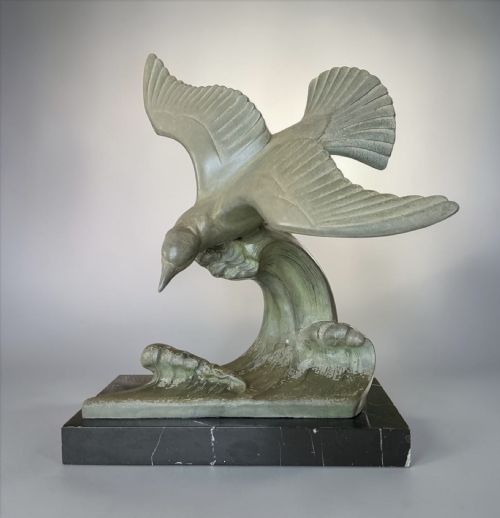
Even a brassy little bird on a heavy stone block manages to look like it owns the entire mantelpiece.
Execution and Finish
The selection of the marble base also dictates overall standard, with dense, uniform black stone outperforming flawed or repaired plinths. The integration between the figure and its stone mount shows the care taken during assembly.
Bruno Zach·Pierre le Faguays·Ferdinand Preiss·Demetre Chiparus·Geo Maxim·Franz Iffland
The Black Marble Base Figurine Glossary
- Spelter
- A zinc-based alloy utilised as a substitute for bronze in decorative figures. It often carries a bronze-coloured or painted finish.
- Patination
- The chemical treatment or natural ageing applied to metal surfaces to create colour and tone. This process highlights the contours of the sculpture.
- Animalier
- A nineteenth-century artistic focus on the realistic portrayal of animals. These sculptures capture beasts in motion or repose.
- Cold Painted
- A method where paint is applied to metal without subsequent firing. This technique appears frequently on Viennese bronzes and Art Deco dancer figures.
- Grand Tour
- A nineteenth-century tradition of collecting classical antiquities and bronzes during European travel. These cabinet pieces replicate ancient statues.
Black Marble Base Figurine: Frequently Asked Questions
Is spelter the same as bronze?
Spelter is a softer zinc alloy, whilst bronze consists primarily of copper and tin. Bronze offers greater weight and durability.
Underneath the finish, spelter feels lighter and appears greyish-white if scratched. Bronze displays a warm reddish-brown metal beneath its patination.
Why are marble bases different colours?
Natural stone varies in geological composition, yielding solid black, veined, or multi-coloured marble plinths. Quarries supplied different stones depending on regional availability and fashion.
Art Deco pieces often utilise stark black marble to create strong contrast with gilded or silvered metal figures. Earlier pieces might feature lighter or variegated marble plinths.
How are figures secured to marble?
Sculptors usually anchored figures using threaded bolts extending from the feet or base of the metal casting through holes in the stone. Nuts and washers secure the assembly from the underside of the marble.
Some pieces rely on pins fitted into drilled recesses within the stone plinth. Check the underside if stability issues arise.