


Vintage Bronze Dog Figure
A vintage bronze dog figure captures canine character with enduring metalwork, offering collectors a tangible piece of historical artistry.
Vintage Bronze Dog Figure
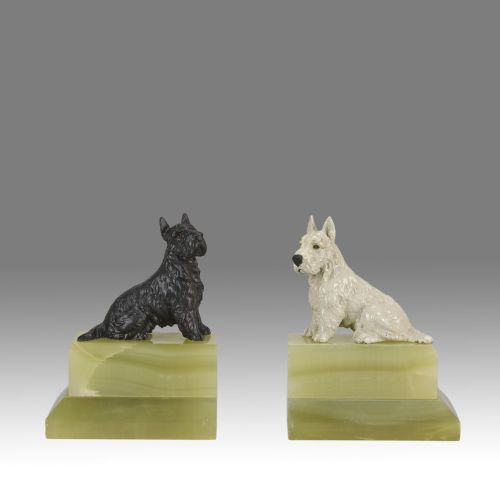
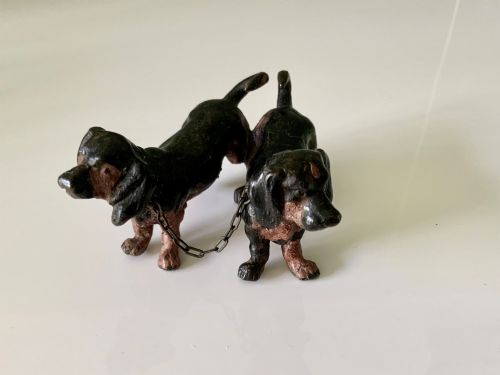
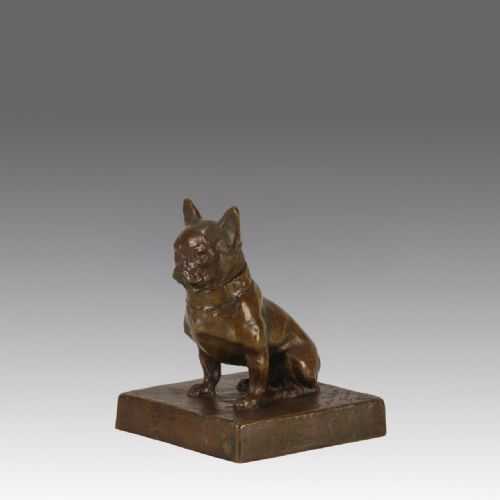
A vintage bronze dog figure encompasses sculptures, bookends, paperweights, doorstops, and decorative figurines produced across the nineteenth and twentieth centuries. These objects range from naturalistic studies of hounds and terriers to stylised Art Deco greyhounds and borzois.
Makers in France, Austria, and Britain shaped these pieces during distinct periods including the Victorian era, Edwardian years, and the nineteen-thirties. Terriers, dachshunds, pugs, and sporting dogs appear frequently across the selection.
Buyers encounter subjects mounted on marble or onyx bases, alongside standalone figures and functional items like bookends and doorstops. The prevalence of French animalier works and Vienna bronzes defines much of the available material.
Craftsmanship and Detail
Patination depth and the preservation of original cold-painted surfaces significantly influence the integrity of a piece. The quality of the stone base and its harmonious proportion to the metal sculpture further distinguish finer works.
Materials across the inventory include bronze, spelter, cast iron, marble, onyx, and brass.
Dora Heber·Prosper Lecourtier·Edith Parsons·Jules Moigniez·Karl Hagenaur·Arthur Waagen·Geo Maxim·Franze Bergman·Christophe Fratin·Louis Riché·Dubucand·AL Barye·Barbedienne
The Vintage Bronze Dog Figure Glossary
- Animalier
- A nineteenth-century artistic movement dedicated to the realistic depiction of animals, particularly in bronze sculpture. Practitioners focused on anatomical accuracy and dynamic movement.
- Vienna Bronze
- Small, highly detailed bronze figures produced in Austrian workshops during the late nineteenth and early twentieth centuries. These pieces are typically cold-painted by hand.
- Spelter
- A zinc alloy commonly utilised as a less costly alternative to bronze for decorative figures and bookends. It is often given a bronze-toned finish.
- Cold-Painted
- A technique where paint is applied to metal objects without subsequent firing in a kiln. This finish is characteristic of miniature Austrian animal bronzes.
Vintage Bronze Dog Figure: Frequently Asked Questions
How do I identify a Vienna bronze?
Vienna bronzes are typically small, highly detailed figures with distinct cold-painted polychrome surfaces. They often depict animals in whimsical or realistic poses.
Closer inspection reveals the characteristic layered paint application over cast bronze, distinguishing them from standard cast-and-patinated sculptures.
What is animalier art?
Animalier art refers to nineteenth-century sculpture focused specifically on the realistic portrayal of animals. Artists studied anatomy closely to capture creatures in motion or repose.
This tradition produced many of the detailed hound and terrier figures found in bronze today.
Are spelter figures considered bronze?
Spelter is a zinc-based alloy rather than true bronze, though it was frequently finished to resemble bronze. It is lighter in weight and softer than copper alloys.
Pieces made from spelter often date to the Art Deco period when alternative metals gained popularity for decorative objects.
How should I care for cold-painted bronze?
Cold-painted bronze requires gentle dusting with a soft, dry brush to protect the fragile surface pigments. Moisture and chemical cleaners must be avoided entirely.
Keeping the piece away from direct sunlight preserves the original colours of the painted finish.