





Green Patina Bronze Sculpture
A green patina bronze sculpture brings tactile depth and centuries of figurative tradition directly into your interior.
Green Patina Bronze Sculpture
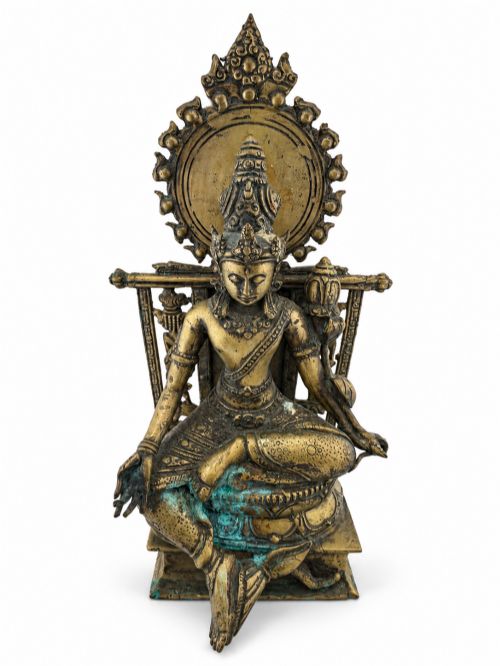
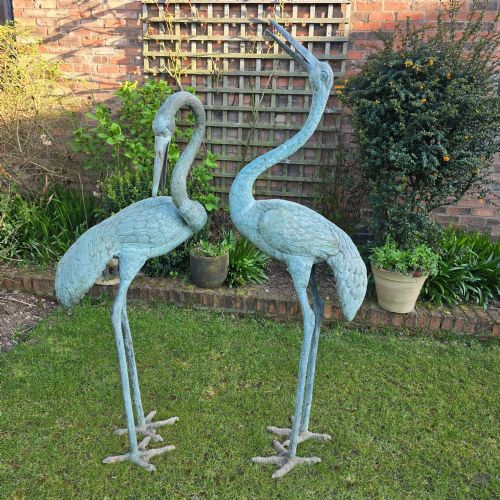
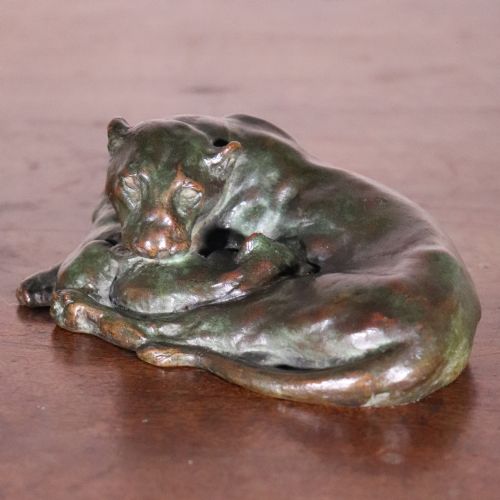
A green patina bronze sculpture encompasses diverse figurative traditions spanning European animaliers, Grand Tour figures, Asian Buddhist deities, and tribal artefacts. When searching for a green patina bronze sculpture, collectors encounter everything from French hound figures and Art Deco dancers to Himalayan shrine statues and Javanese temple bronzes.
The objects take the form of tabletop statuettes, garden ornaments, paperweights, and shrine figures originating from periods ranging from the sixteenth century through the early twentieth century. European works frequently reflect Victorian tastes or French animalier realism, whilst Asian pieces present meditative religious iconography.
Makers and foundries represented in these pieces include European artists such as Ugo Cipriani, Anna Vaughn Hyatt Huntington, and foundry marks like Barbedienne, alongside traditional artisans from Africa and Asia. The variety spans cabinet bronzes, copper alloy castings, and large garden statuary.
Evaluating surface and cast quality
The integration of the patina with the underlying metal dictates visual success, where rich tonal variations elevate the piece above flat, uniform surfaces. Superior castings also feature careful chasing and finishing work executed after the metal cools.
Listings feature green patina bronze sculptures spanning from the sixteenth century to the twentieth century, incorporating European, Asian, and African origins.
Ugo Cipriani·Anna Vaughn Hyatt Huntington·AL Barye·Barbedienne
The Green Patina Bronze Sculpture Glossary
- Patina
- The surface coloration and texture developed on metal through age, handling, or chemical treatment. This chemical layer protects the bronze underneath while creating aesthetic depth.
- Animalier
- A nineteenth-century artistic style focusing on the realistic portrayal of animals, particularly predators and hounds. French sculptors specialised heavily in this naturalistic genre.
- Okimono
- A Japanese term for a decorative object or statuette designed for display on a shelf or altar. These sculptures often depict dragons or mythical subjects.
- Lost-wax casting
- A traditional manufacturing method where a wax model is melted out of a mould and replaced with molten metal. This technique allows for complex undercuts and fine surface textures.
Green Patina Bronze Sculpture: Frequently Asked Questions
How do I clean a bronze sculpture?
Dust the surface gently with a soft, dry brush to prevent the accumulation of dirt within the recesses. Avoid using chemical polishes, water, or abrasive cloths, as these substances strip away the historic green patina.
Applying a very thin coat of microcrystalline wax can help protect the metal from atmospheric moisture. Professional conservation is recommended if the surface requires deeper intervention.
What causes green patina on bronze?
Green patina forms when copper alloys react over time with oxygen, moisture, and carbon dioxide in the environment. This natural process creates a stable chemical layer known as copper carbonate.
Artists also replicate this chemical reaction in the workshop using acids and heat to achieve an immediate aged appearance. Both natural and artificial patinas contribute to the visual character of the sculpture.
How do I date an antique bronze?
Dating relies on examining the casting technique, the style of the base, foundry stamps, and the wear patterns on the metal. Earlier pieces often exhibit hand-chased details and specific alloy compositions characteristic of their period of origin.
Stylistic markers such as Art Deco geometry or Victorian realism provide further chronological context. Comparing the casting quality to known dated examples helps narrow the production window.
Where should I display my sculpture?
Place your sculpture away from direct sunlight, extreme temperature fluctuations, and high humidity to preserve the metal and its patina. Stable indoor environments prevent accelerated oxidation or damage to supporting wooden and marble bases.
Ensure the piece rests on a secure, level surface where it will not be knocked or brushed against frequently. Proper placement highlights the sculptural contours while keeping the artwork safe.