
Nineteenth Century Drawers
Nineteenth century drawers bring solid construction and rich timber grains into a room, offering practical storage through time-tested forms.
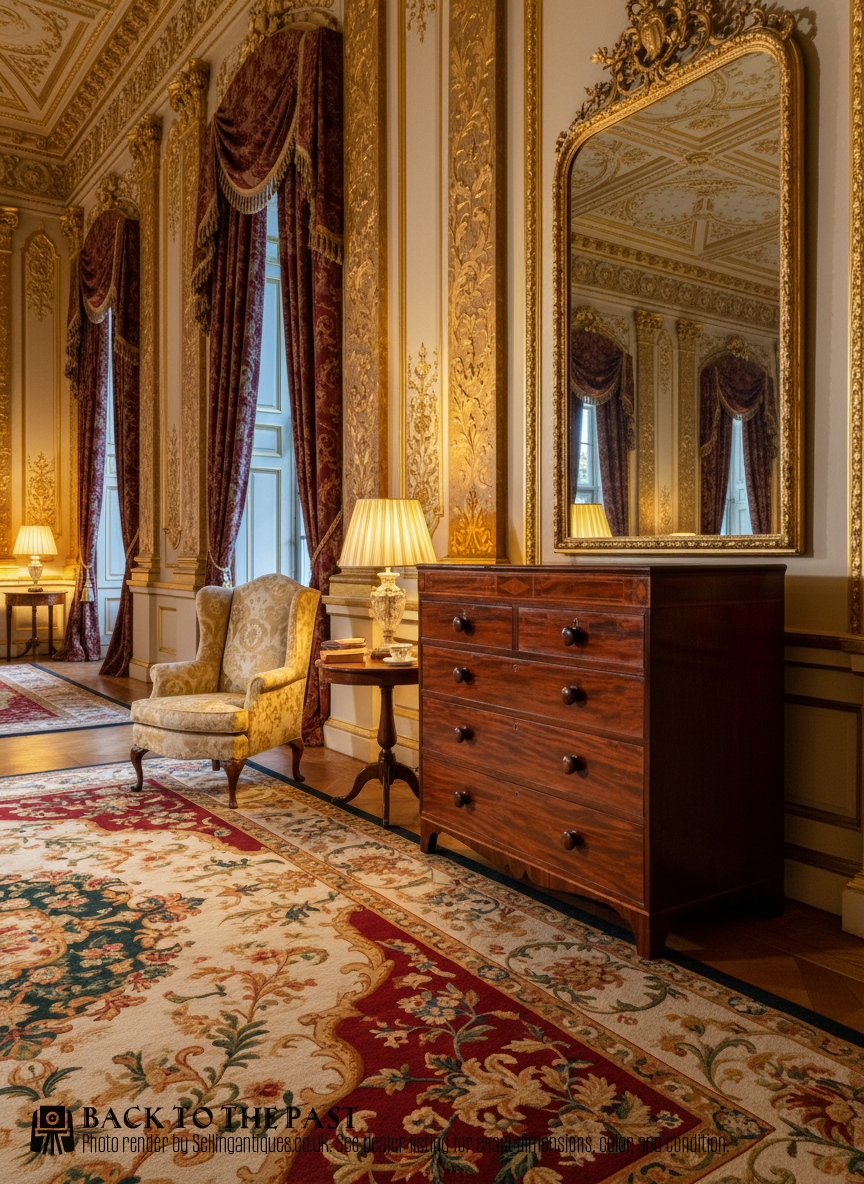
Nineteenth Century Drawers
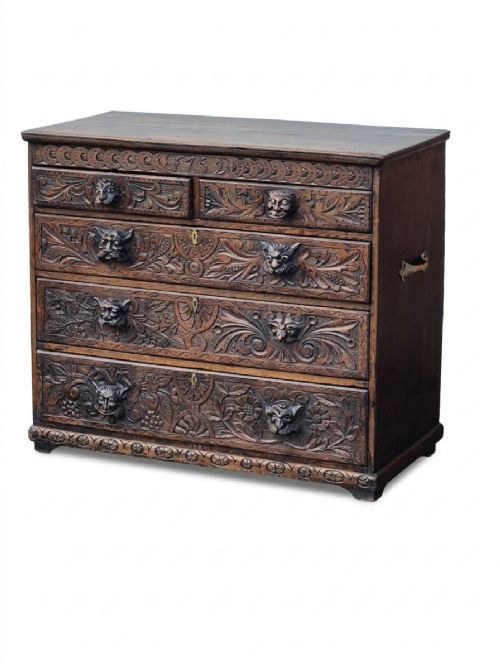
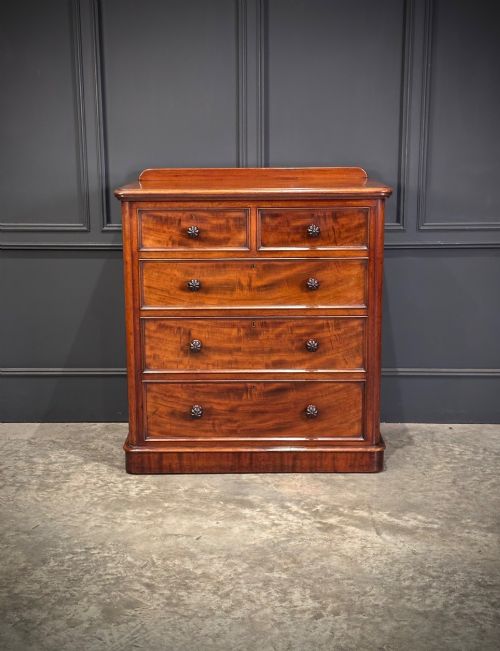
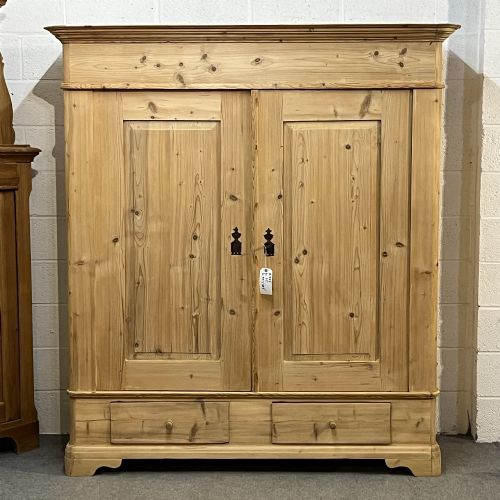
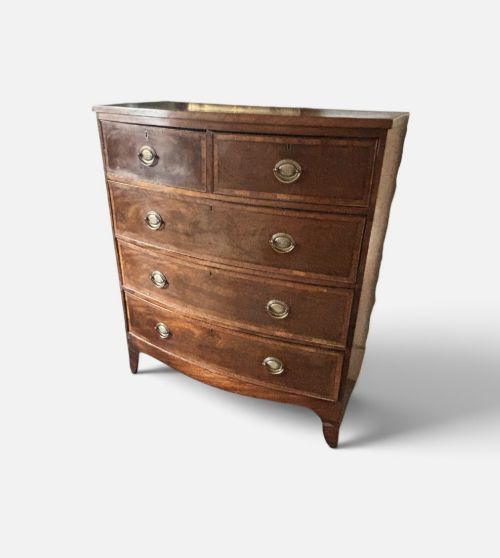
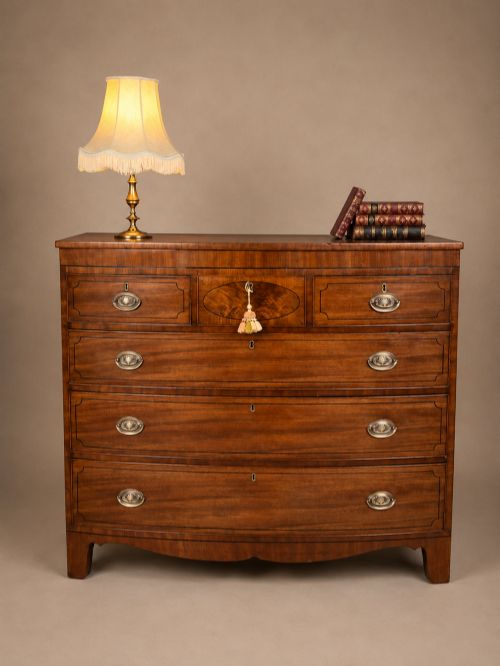
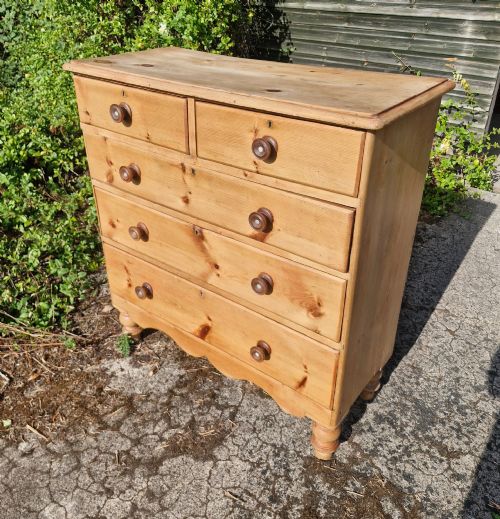
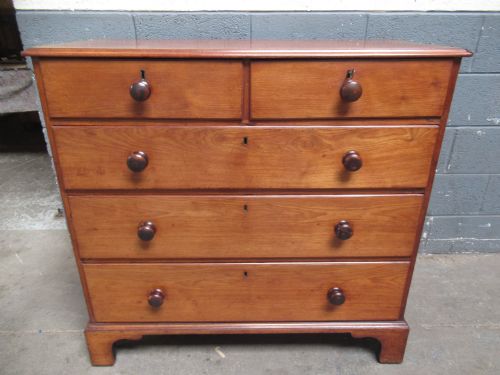
Nineteenth century drawers span a variety of foundational storage forms, most frequently appearing as mahogany, pine, or walnut chests with multiple graduated tiers.
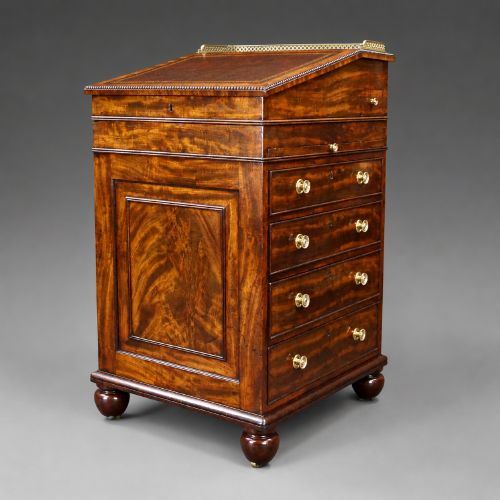
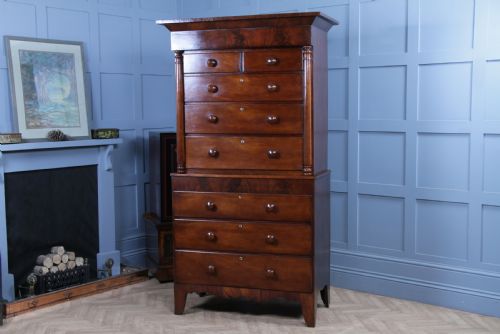
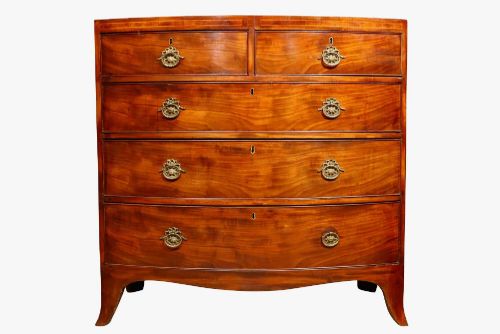
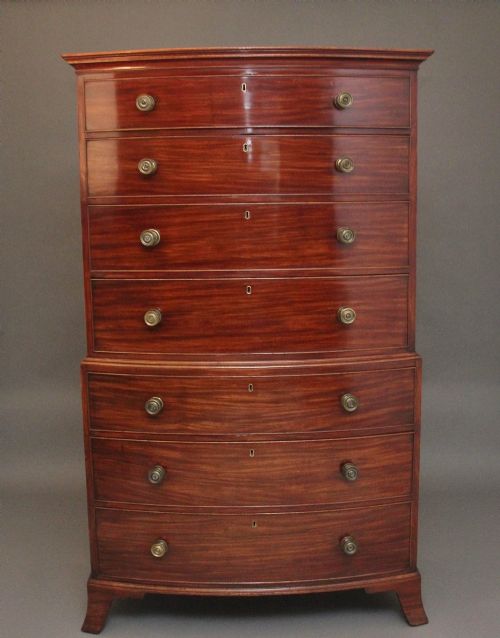
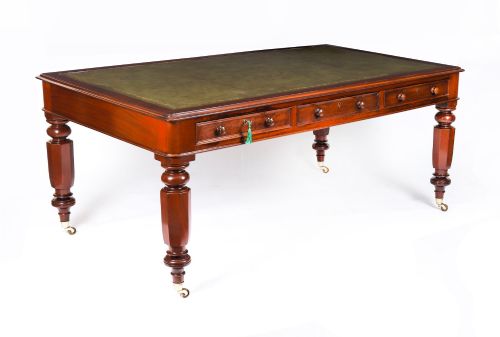
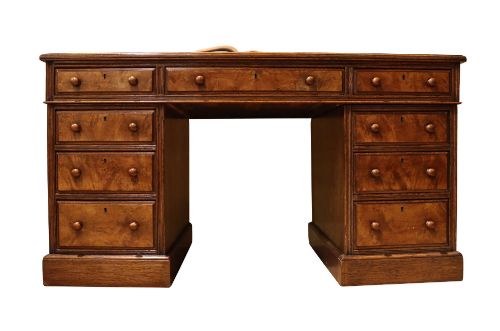
The inventory ranges from compact bow front chests and tallboys to pedestal desks and apprentice pieces, reflecting both formal urban cabinetmaking and country utility.
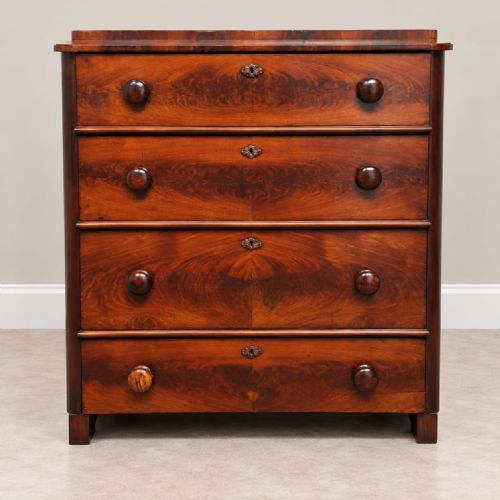
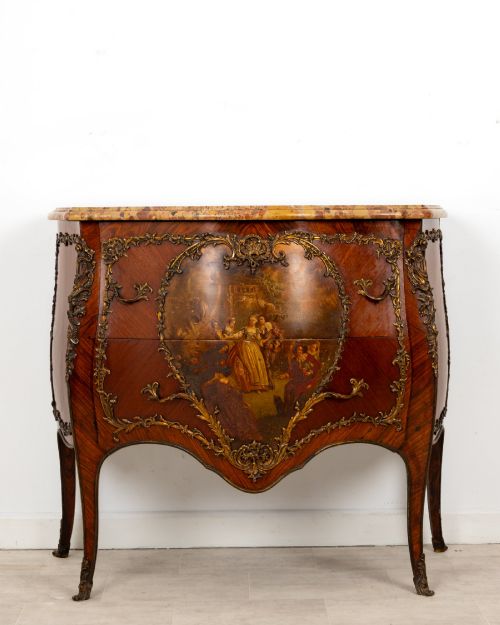
Makers utilised native and exotic woods, often incorporating flame mahogany veneer, brass hardware, and leather writing surfaces into daily domestic furniture.
Materials and construction
Cabinetmakers built carcass frames primarily from solid mahogany, oak, or pine, applying decorative veneers such as flame mahogany or burr walnut to primary display surfaces.
Drawer construction relied on hand-cut dovetail joints for durability, paired with secondary timbers like oak or pine for drawer linings and internal dividers.
Metal fittings typically consisted of brass drop handles or turned wooden knobs, while surface finishes relied on traditional wax or polish.
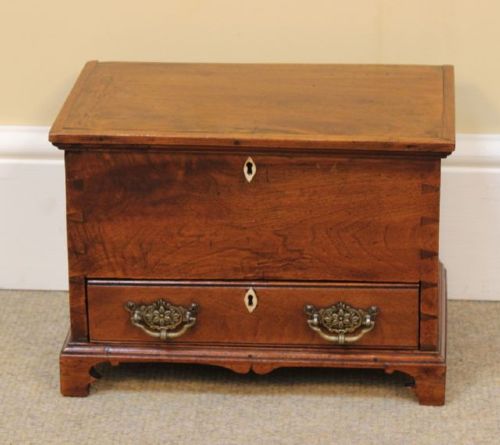
Miniature apprentice pieces proved a young woodworker's readiness for the trade by shrinking a full-sized chest down to tabletop scale.
Evaluating the standard
Quality rests in the selection of timber figures, where symmetrical flame mahogany veneer or well-matched burr walnut elevates a piece above standard utility items.
The precision of the joinery, particularly the tightness of the drawer dovetails and the smooth action of the runners, marks the maker's competence.
Original hardware, untouched secondary timbers, and minimal timber shrinkage preserve the integrity and status of the piece.
Gillows·Hobbs & Co.·Howard and Sons
The Nineteenth Century Drawers Glossary
- Bow front
- A convex curved cabinet front popular during the Regency and Victorian periods. This shape softens the profile of standard rectangular chests.
- Tallboy
- A tall chest of drawers, often constructed in two stacked sections. They provide generous vertical storage without demanding a large floor footprint.
- Dressing slide
- A pull-out wooden board integrated above the top drawers of a chest. It served as a surface for grooming or writing before full desks became common.
- Apprentice piece
- A miniature furniture item created by a trainee to demonstrate mastery of cabinetmaking skills. These scaled-down pieces display the exact joinery of full-sized furniture.
Nineteenth Century Drawers: Frequently Asked Questions
How do I date a chest of drawers?
Dating relies on observing structural clues such as hand-cut dovetails, timber choices, and hardware styles. Earlier pieces often feature oak linings and specific bracket or splayed feet.
Changes in styling from Georgian proportions to heavy Victorian ornamentation also guide the timeline of the construction.
What is a Wellington chest?
A Wellington chest is a tall, narrow set of drawers secured by a hinged locking side flap that fastens with a key. This design protected private papers or valuables.
Originating in the nineteenth century, these pieces typically feature multiple shallow drawers and sit flat against a wall.
Are pine chests considered antique?
Pine chests from the nineteenth century are authentic antiques, often originating from farmhouse or country settings. They were built for robust daily use rather than formal drawing rooms.
Many retain original painted finishes or waxed surfaces that distinguish them from later reproductions.
How do I care for antique wood?
Antique wooden furniture benefits from stable indoor humidity and protection from direct sunlight to prevent timber splitting. Applying traditional beeswax helps nourish the grain.
Avoiding synthetic polishes ensures the historic patina develops safely over time.