
Traditional Brown Drawers
Traditional brown drawers bring rich timber tones and practical storage to a room, ranging from compact bedside chests to grand Georgian examples.
Traditional Brown Drawers
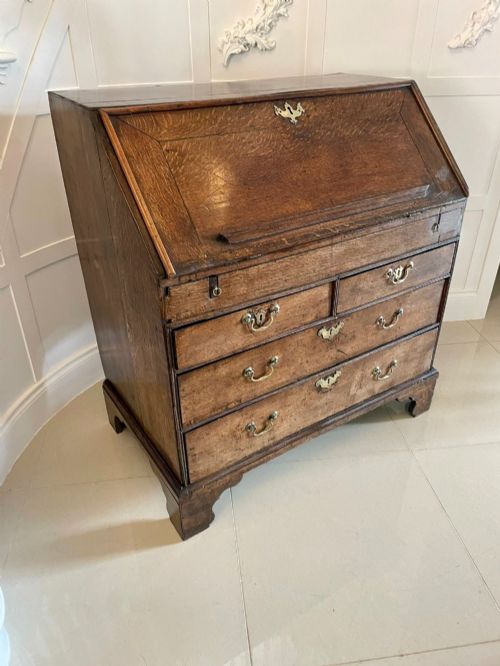
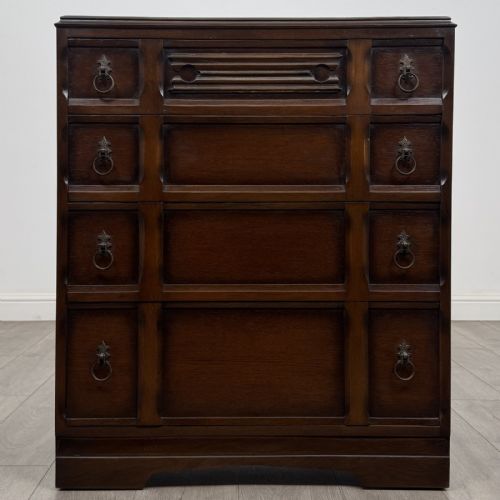
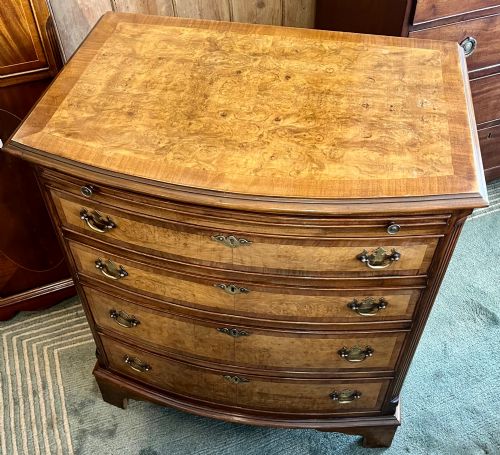
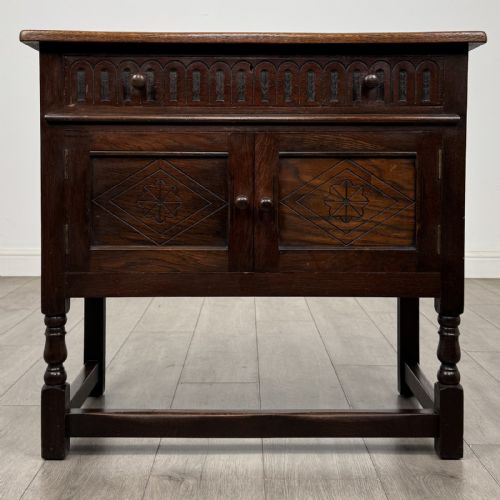
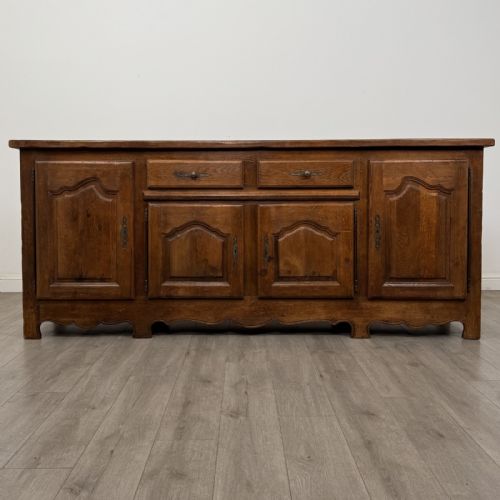
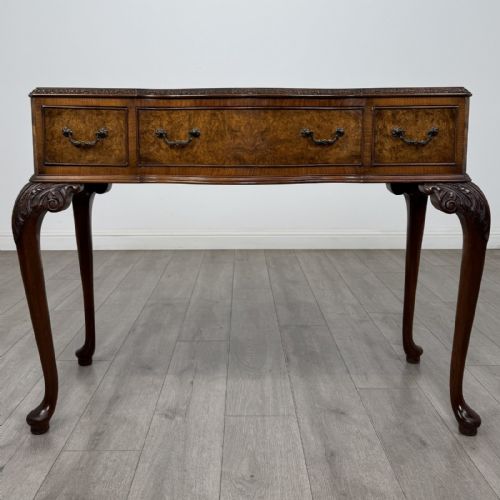
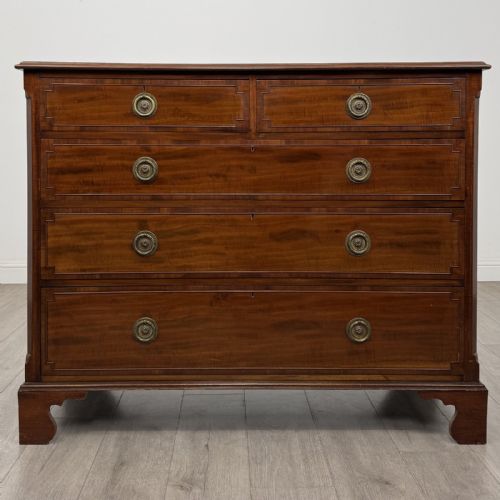
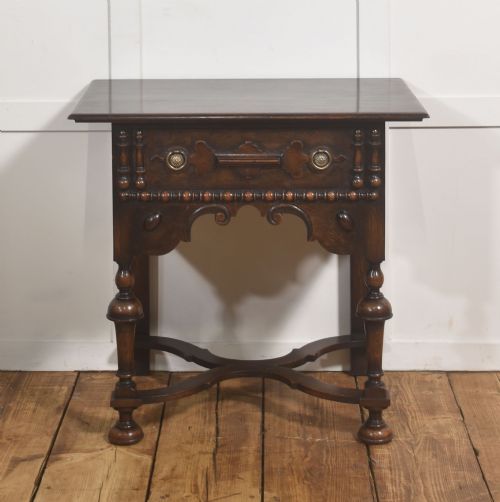
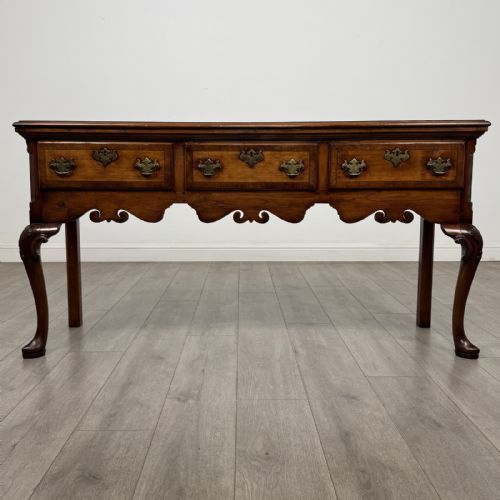
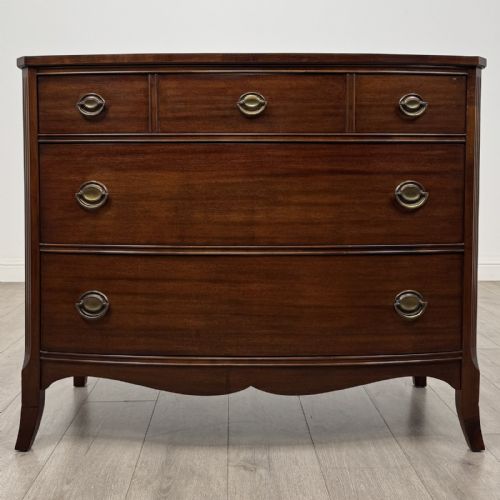
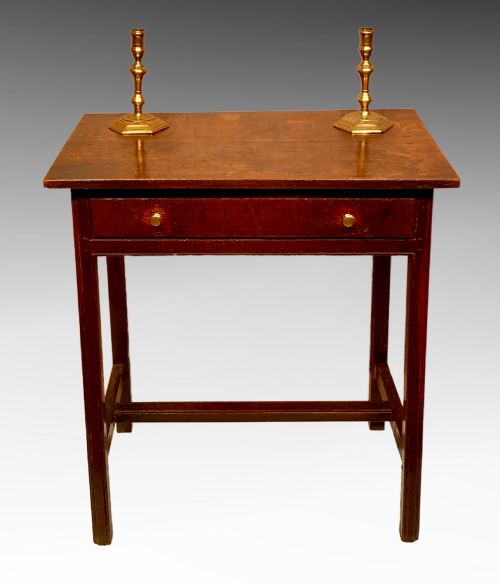
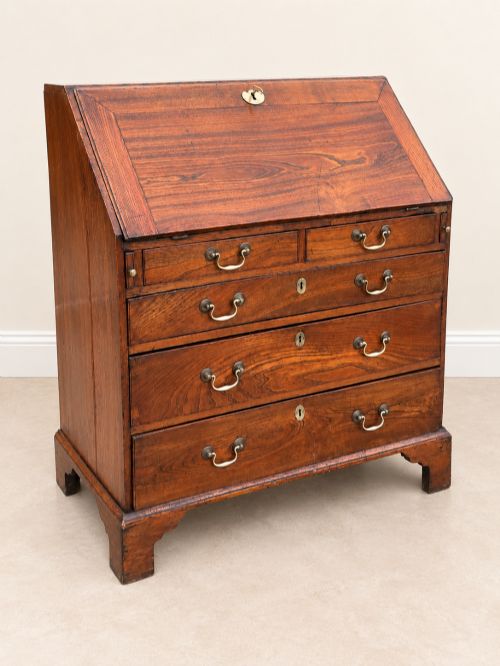
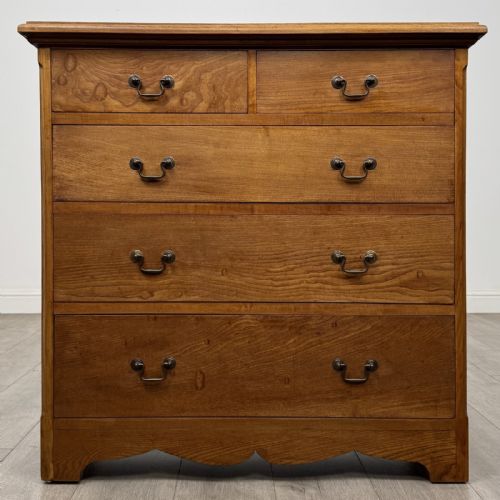
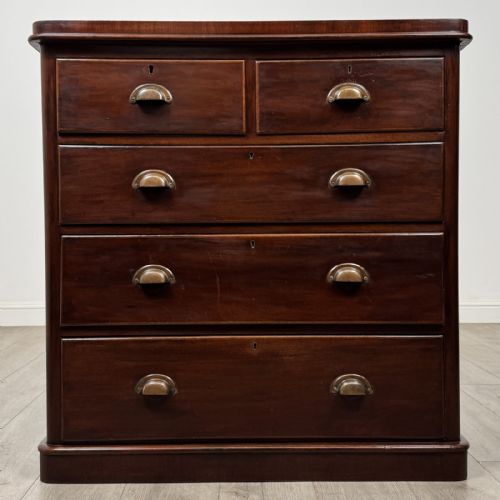
Traditional brown drawers encompass a variety of storage furniture including chests of drawers, desks, dressers, and sideboards. These pieces originate from periods spanning the 18th century through the early 20th century, capturing design movements from Queen Anne to Edwardian times. Buyers searching for traditional brown drawers most frequently encounter mahogany and oak chests of drawers alongside writing desks and bedside cabinets.
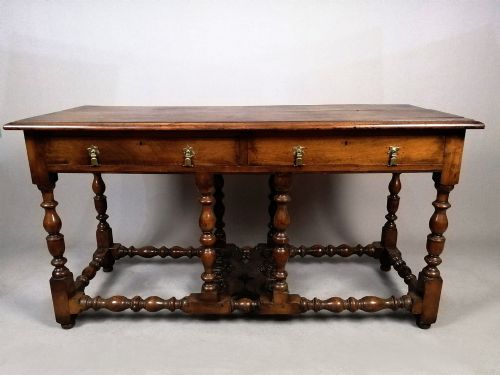
The forms vary from tallboy and bow front chests to pedestal desks fitted with leather writing surfaces and stationery drawers. Oak dresser bases with potboards and walnut bureaux also appear across the selection. Each piece serves a functional storage purpose while displaying the distinct proportions of its period.
How they were made
Cabinet makers utilised solid and veneered timbers including mahogany, oak, walnut, and burr walnut, often pairing them with brass handles and key escutcheons. Surfaces receive finishes such as waxing to highlight the natural grain patterns of the wood. Pine and ash appear in utilitarian pieces like farmhouse linen presses and coffee tables.
Construction techniques include dovetail joints for drawer construction and inlaid details for decorative bureau bookcases and desks. Leather inserts are integrated into the writing surfaces of pedestal tables and bureaux. Turned legs and cabriole legs support tables and dressers.
The listings span from the 18th century through the Edwardian period, incorporating oak, mahogany, walnut, and pine across various storage forms.
What varies in quality
The standard of timber selection defines the upper tier of pieces, particularly where figured walnut or flame mahogany veneers display deliberate grain matching. Fine quality items exhibit careful attention to internal construction, such as solid secondary woods and hand-cut dovetails in the drawer boxes. Original brass hardware and fitted desk interiors further distinguish superior examples from standard utilitarian furniture.
The Traditional Brown Drawers Glossary
- Bow front
- A cabinet or chest of drawers featuring a convex, curved front. This curved shape adds elegance to mahogany and walnut case pieces.
- Pedestal desk
- A freestanding desk comprising two supporting pedestals of drawers beneath a flat top. These often incorporate leather writing surfaces and central kneeholes.
- Tallboy
- A tall chest of drawers, typically consisting of one case stacked atop another. They provide substantial vertical storage capacity.
- Potboard
- An open lower shelf on a dresser base traditionally used for storing pots and domestic utensils. This feature is common on 18th century oak pieces.
- Escutcheon
- A protective plate surrounding a keyhole, frequently cast from brass. They complement the timber tones on antique drawer fronts.
Traditional Brown Drawers: Frequently Asked Questions
How do I date a brown chest of drawers?
Dating relies on examining construction methods, timber choices, and hardware styles. Earlier pieces from the 18th century often feature hand-cut dovetails and solid timber carcases, while later Victorian and Edwardian examples may show machine-sawn elements and different drawer linings.
Hardware provides another clue, as original brass handles and escutcheons reflect the prevailing decorative tastes of specific periods like George III or the Edwardian era.
Where should I place a bedside chest?
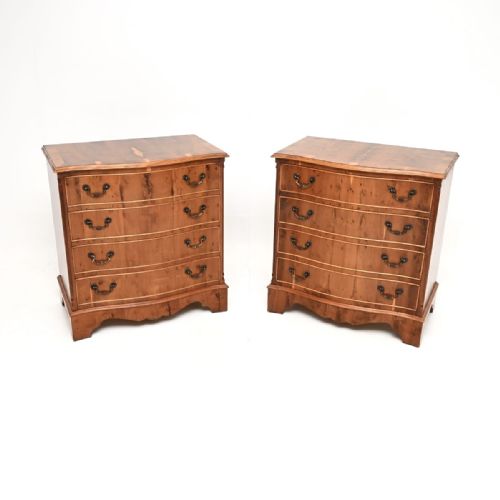
Bedside chests fit beside a bed to provide accessible surface space and closed drawer storage for nighttime essentials. Their compact proportions suit smaller bedroom layouts.
Matching pairs of small mahogany or walnut chests offer symmetry, while single pieces work well in eclectic bedroom schemes alongside larger wardrobes.
How do I care for antique wood furniture?
Maintaining antique timber involves dusting with a soft, dry cloth and applying natural wax periodically to nourish the surface. Avoiding direct sunlight and extreme temperature fluctuations preserves the finish and prevents the wood from drying out.
Keeping leather writing surfaces clean requires gentle wiping without harsh chemical solvents or excessive moisture.