




Edwardian Satinwood Chest
An edwardian satinwood chest brings pale, gleaming grain and refined revival detailing into a bedroom, offering both period charm and practical storage.
Edwardian Satinwood Chest
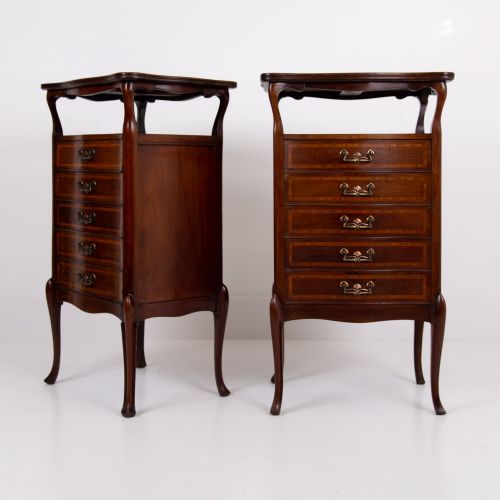
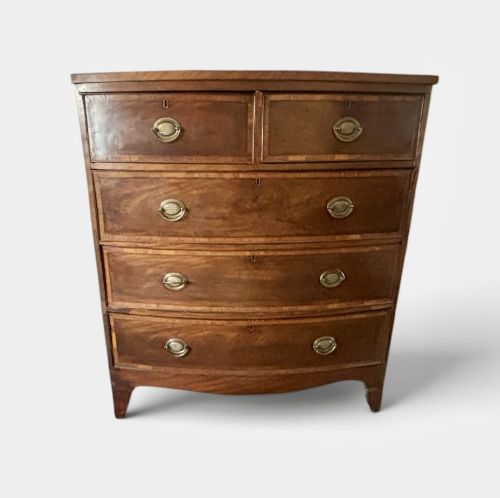
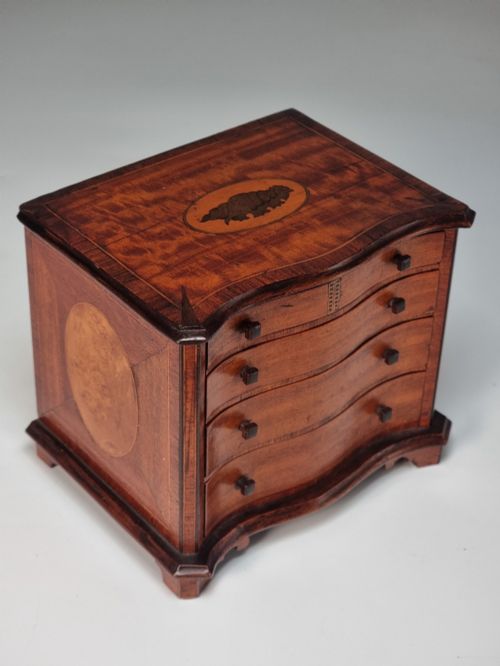
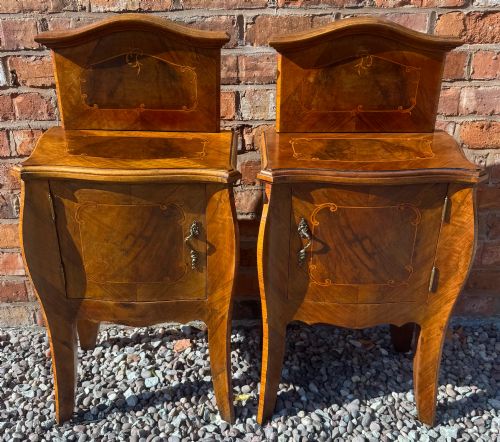
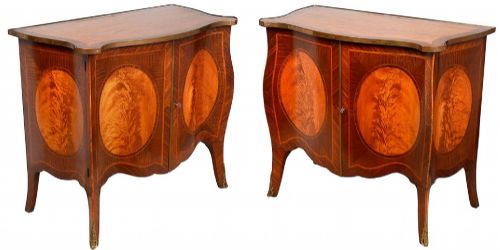
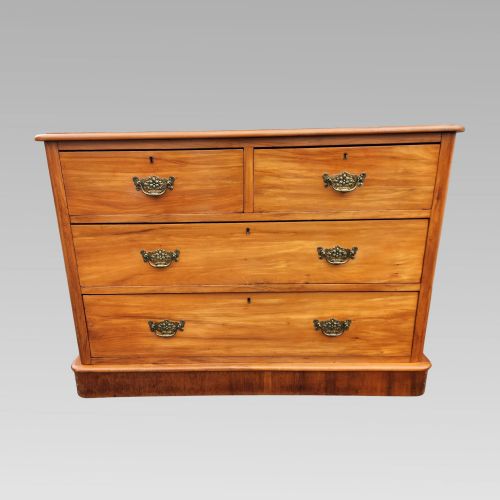
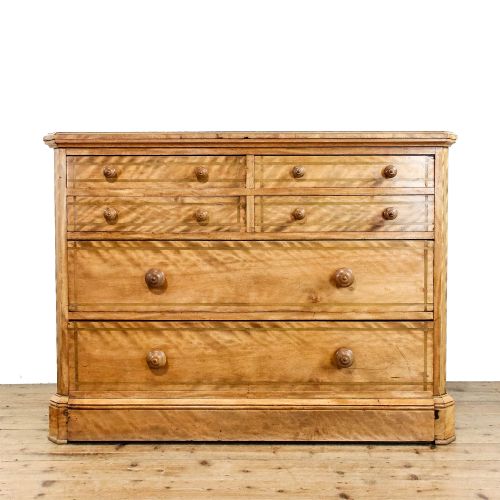
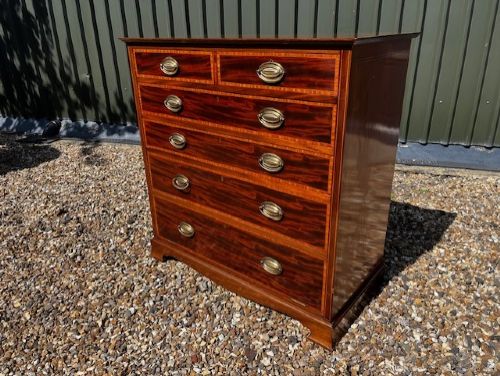
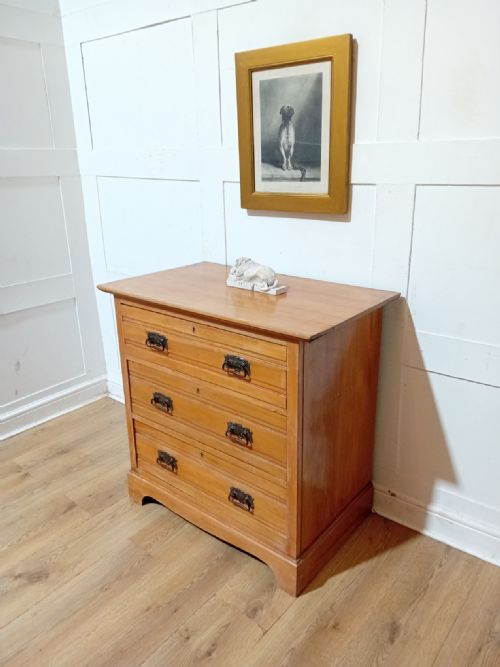
When searching for an edwardian satinwood chest, a buyer encounters pieces originating primarily from the Edwardian era and the wider nineteenth century, often reflecting Sheraton revival or later Victorian tastes. These items range from compact bow-front chests and serpentine commodes to taller pedestal drawers and dressing chests.
Materials and construction methods
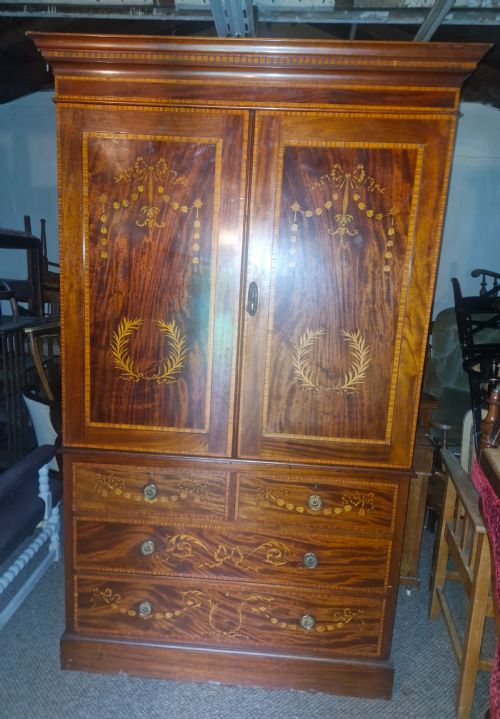
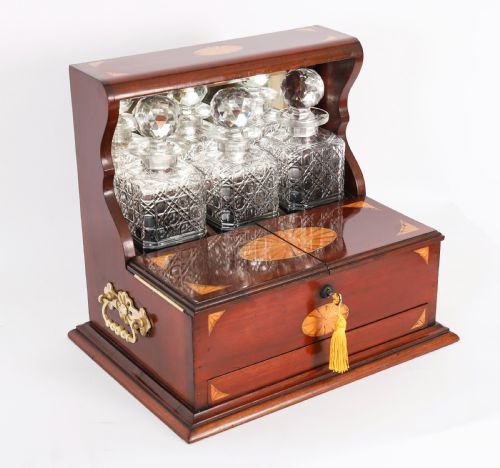
Cabinetmakers constructed these pieces using primary timbers like mahogany, satin walnut, and pine, applying finely figured satinwood veneers to the exterior surfaces. Satinwood inlay and contrasting crossbanding created geometric borders and panels that defined the revival aesthetic.
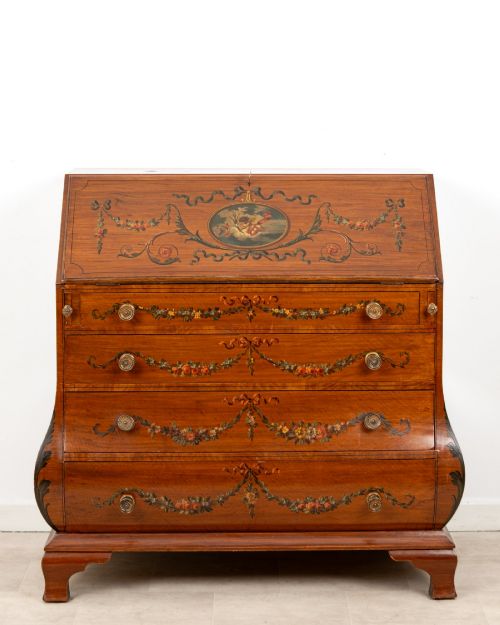
Drawers typically feature precise oak or mahogany linings joined by hand, while brass ring drop handles or original wooden knobs complete the fittings. Glass and mirror elements appear on associated dressing pieces, and painted details occasionally adorn the satinwood panels.
Listings include items spanning the Victorian, Edwardian, and Regency periods, utilising satinwood, mahogany, walnut, and brass.
Differentiating quality across pieces
The distinction between standard examples and the finest pieces lies in the choice of wood figure and the precision of the inlay work. Highly figured satinwood combined with complex serpentine or bow-front profiles indicates superior craftsmanship.
Makers known for distinguished output, alongside signed or stamped pieces, command greater attention from collectors. The survival of original painted decoration, clean interior linings, and intact brass hardware further elevate a piece.
A. F. Lloyd, Bideford·Druce & Co.·Harris Lebus·Maple & Co.·Edwards and Roberts·Gillows·Heals·John Taylor of Edinburgh
The Edwardian Satinwood Chest Glossary
- Satinwood
- A light-coloured, lustrous timber native to tropical regions, prized for its golden sheen and smooth texture when polished.
- Crossbanding
- A strip of veneer applied perpendicularly to the main grain along the border of a drawer or top, creating a framed effect.
- Serpentine
- A curved furniture front featuring a convex centre flanked by concave ends, requiring high skill to execute in veneer.
- Bow front
- A convexly curved front surface that projects outward, frequently seen on Regency and Edwardian chests.
- Sheraton Revival
- A late nineteenth and early twentieth-century design movement inspired by the lighter neoclassical furniture of the eighteenth century.
Edwardian Satinwood Chest: Frequently Asked Questions
How do I care for satinwood?
Keep the wood away from direct sunlight and excessive heat to prevent the light veneer from darkening or drying out. Dust regularly with a soft, dry cloth and apply a quality natural wax sparingly when the surface loses its lustre.
Avoid using modern liquid polishes or silicone sprays, as these can build up and dull the fine grain of the satinwood. Gentle care preserves the original finish and the subtle tones of the timber.
Are these chests suitable for daily bedroom use?
Most pieces offer deep, functional drawer space lined in sturdy oak or mahogany, making them entirely practical for modern clothing storage. Their solid construction handles everyday opening and closing without issue.
Care should be taken not to overload the drawers of smaller or antique serpentine models to protect the internal runners. Placing felt pads inside can also safeguard the historic linings from wear.
What defines Edwardian furniture style?
Edwardian design draws heavily on eighteenth-century neoclassicism, particularly the lighter forms popularized by Sheraton and Hepplewhite. Makers favoured bright woods, delicate stringing, and painted floral motifs over the heavier dark timbers of the mid-Victorian era.
This aesthetic resulted in elegant, airy proportions that suit contemporary interiors just as well as traditional rooms. The emphasis remained on refined surface decoration rather than massive scale.
How can I tell if the satinwood is original?
Examine the grain continuity and the edges of the veneer where panels meet the underlying secondary timbers like mahogany or pine. Period pieces show natural ageing, minor hairline shrinkage, and a warm, mellow tone under the polish rather than a uniform modern lacquer.
Look closely at the borders and inlay work to ensure the contrasting woods match the technical standards of the era. Hand-cut dovetails inside the drawers further confirm the period of construction.