


Nineteenth Century Cane
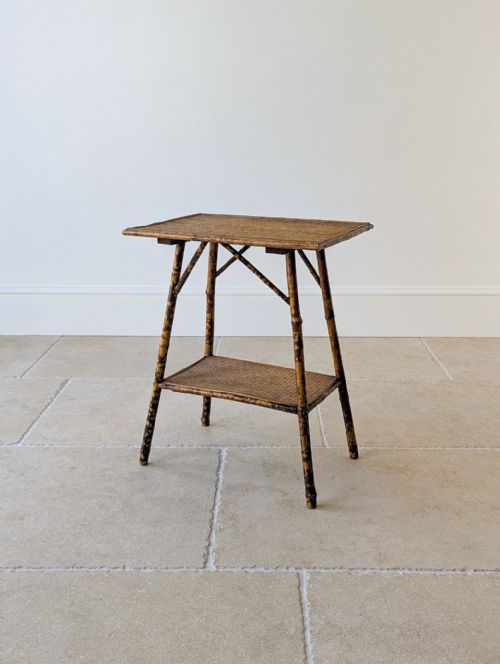
Nineteenth century cane brings together walking aids, seating and furnishings built from natural materials and fitted with metal handles during the eighteen hundreds.
Nineteenth Century Cane
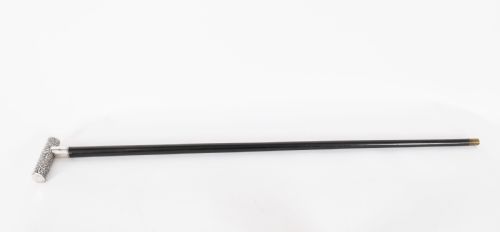
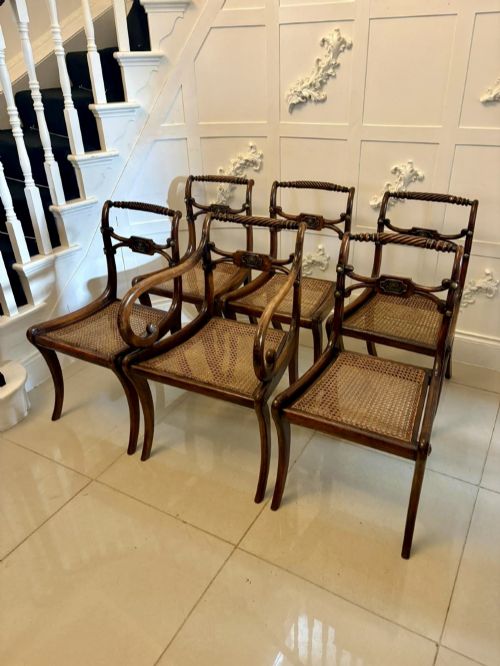
Nineteenth century cane spans functional walking sticks and seating furniture constructed with woven plant fibres or solid stems. The selection divides cleanly between walking sticks fitted with silver, brass and porcelain handles and larger furnishings including dining chairs, armchairs and daybeds.
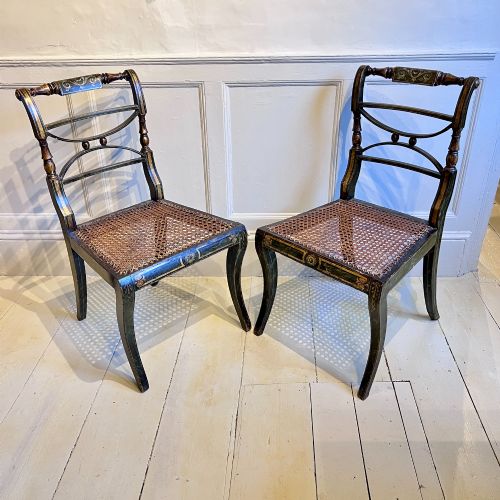
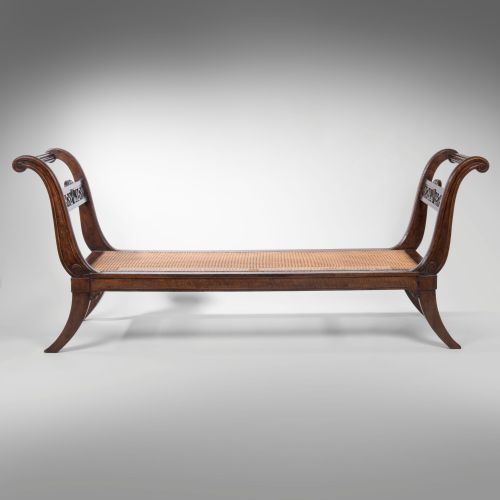
Seating pieces appear frequently in Regency and Victorian styles, often utilising mahogany, rosewood or painted frames alongside woven seats. Dining chairs, bergere armchairs and occasional chairs demonstrate the prevailing preference for lightweight woven support in domestic interiors.
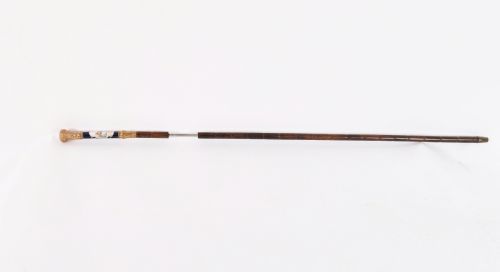
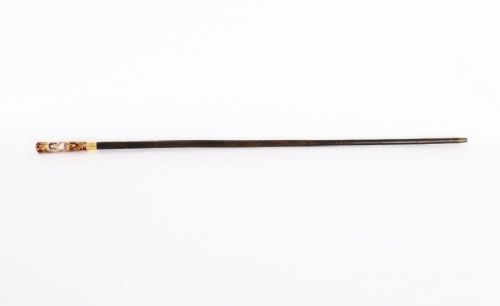
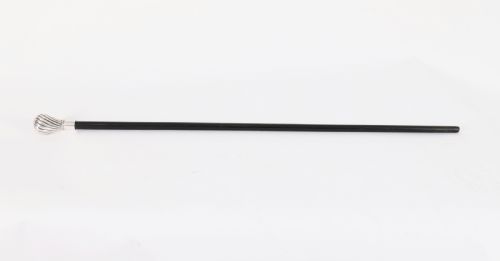
Walking sticks and swords present alternative materials such as bamboo, shark vertebrae, ebonised wood and horn. These items incorporate precious metal collars, gold plating and hidden blades, reflecting personal accessories of the period.
Materials and Construction
Makers combined timber frames in mahogany, rosewood and oak with woven plant material for chair seats and back panels. Structural integrity relied on traditional joinery paired with tensioned weaving techniques that supported body weight.
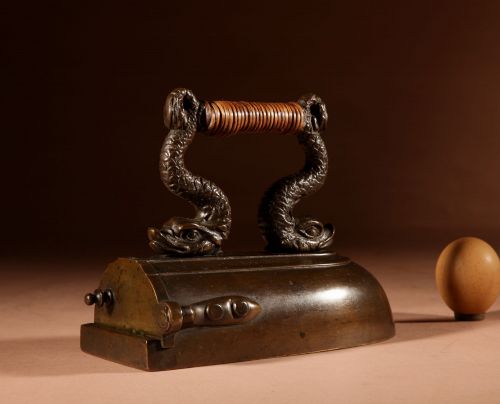
Walking sticks utilised natural stems of bamboo and wood alongside cast iron, bronze and brass for stands and handles. Artisans applied silver-plating, gold plating and porcelain mounts to finish functional items with decorative detail.
Materials recorded across current items include mahogany, rosewood, bamboo, cast iron, porcelain, silver and shark vertebrae.
Craftsmanship and Condition
Quality rests on the tightness and regularity of the woven plant material in seating and the purity of metal mounts on walking sticks. Superior examples retain original surface finishes and undamaged structural joints.
The refinement of carved wooden frames and the detail in porcelain or silver handle decoration distinguish high-grade pieces from standard utility items of the period.
Gillows·Richard Hicks Bridgens
The Nineteenth Century Cane Glossary
- Bergere
- An enclosed upholstered armchair with wooden framing and woven cane panels on the back and sides. This seating form became popular during the Regency and Victorian periods.
- Gueridon
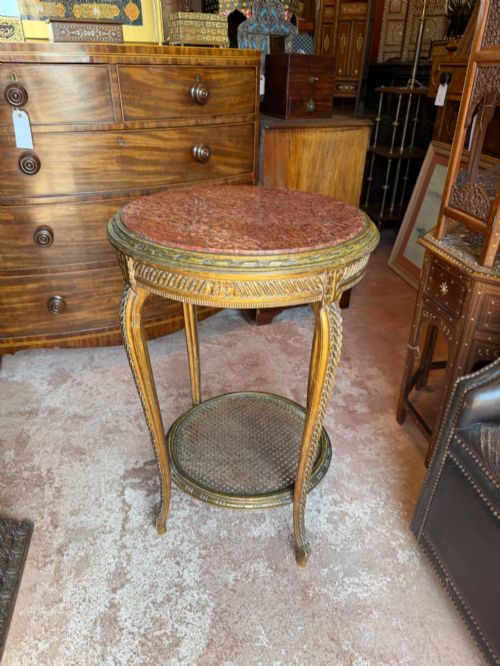
- A small circular table supported by a central column or pillar, originating in seventeenth century France and continuing through the nineteenth century. These tables frequently used mahogany or ebonised wood.
- Sword stick
- A walking cane containing a concealed blade within the shaft. These personal defence items often featured horn handles and silver or gold coloured collars.
- Stick stand
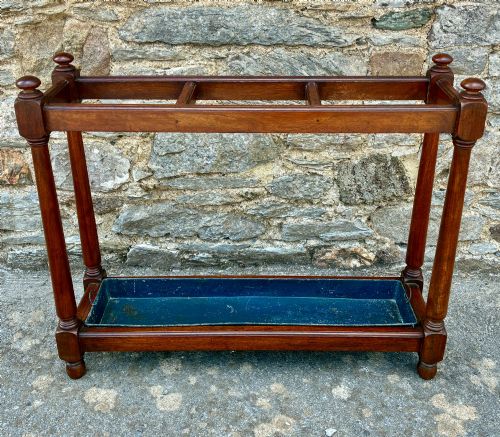
- A freestanding receptacle constructed from cast iron, brass bound wood or ceramic to hold umbrellas and walking sticks. Victorian examples frequently employed heavy cast iron for stability.
- Carver
- An armchair designed with armrests, typically produced as part of a larger dining chair set. These pieces matched simpler side chairs in timber and seat construction.
Nineteenth Century Cane: Frequently Asked Questions
What is a nineteenth century cane chair?
A nineteenth century cane chair is a wooden seat featuring woven plant fibre panels on the backrest or seat base. These chairs utilise mahogany, rosewood and painted frames in Regency and Victorian styles.
Craftsmen built these pieces to provide lightweight yet durable seating for domestic dining rooms and libraries. The woven construction allowed flexibility while maintaining structural strength.
How do I identify a sword stick?
A sword stick appears as a standard walking cane until the handle is separated from the shaft to reveal a hidden steel blade. These accessories often include decorative collars in silver or gold tone.
Owners carried these items for personal protection during the nineteenth century. The mechanisms usually involve a simple pull or screw fastening to secure the blade.
Were all walking sticks used for walking?
Many walking sticks served as fashion accessories or concealed alternative functions rather than purely physical support. Examples incorporate hidden sword blades, specialised timepieces or delicate porcelain handles.
Craftsmen manufactured these pieces from exotic materials such as shark vertebrae, bamboo and ebonised wood to signal social standing.
How should I care for antique cane?
Antique cane requires consistent humidity levels to prevent the natural plant fibres from drying out and snapping under pressure. Regular light dusting maintains the material without introducing excess moisture.
Avoid placing these items near direct heat sources or in strong sunlight. Proper care preserves the original tension and colour of the woven surfaces.