


Neoclassical Stone Statue
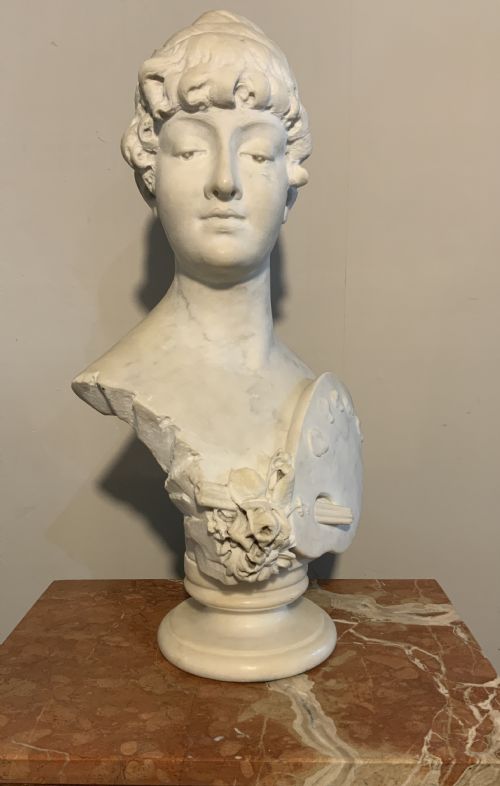
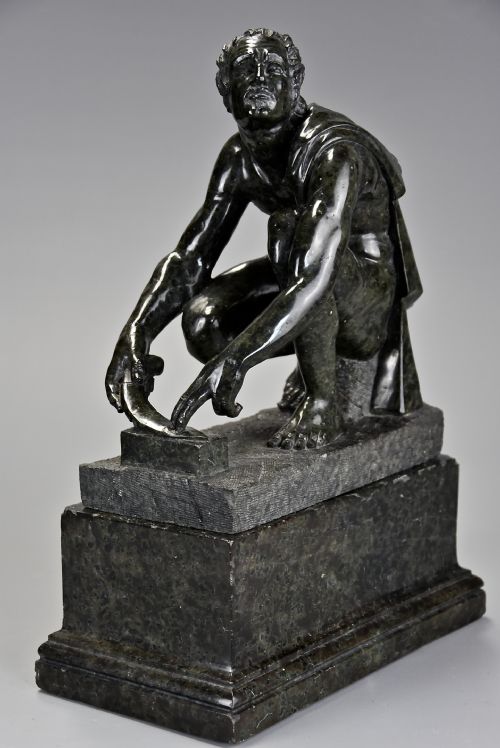
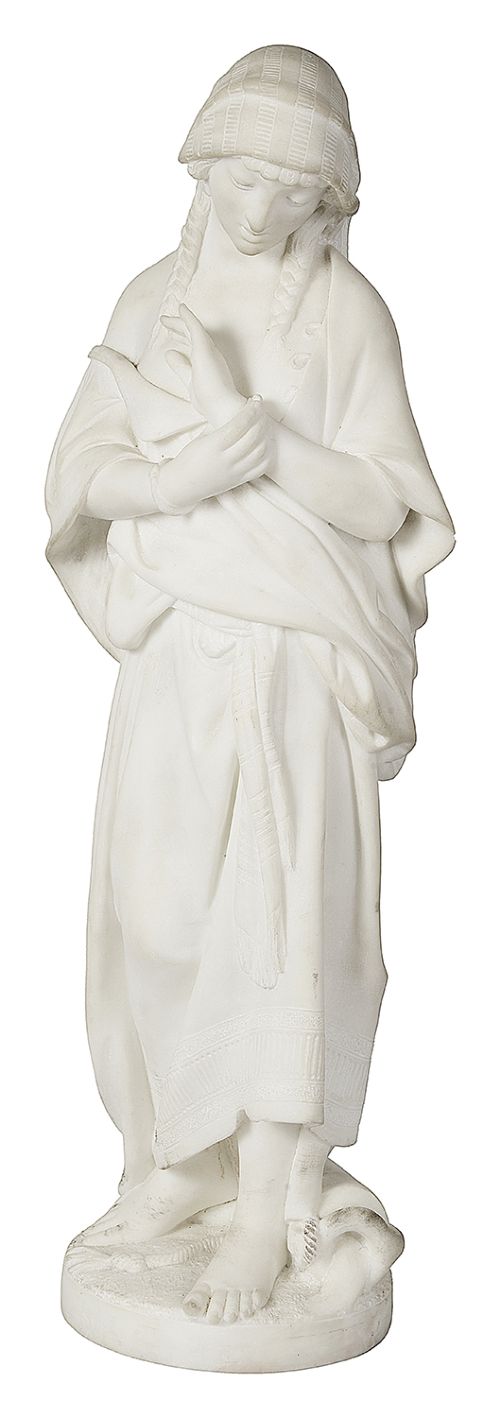
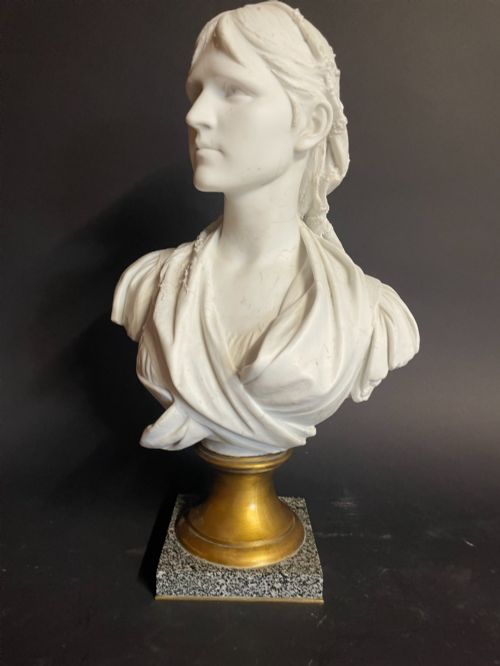
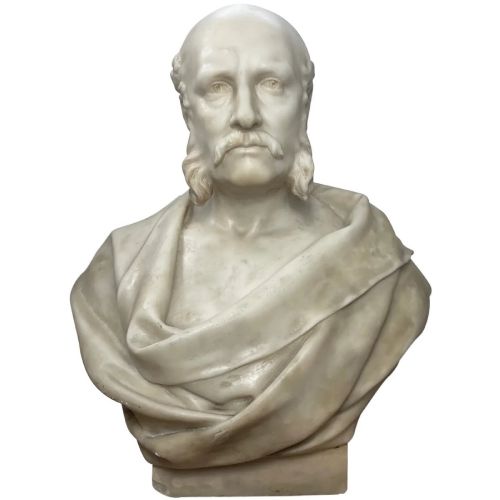
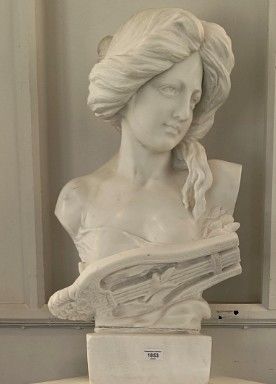
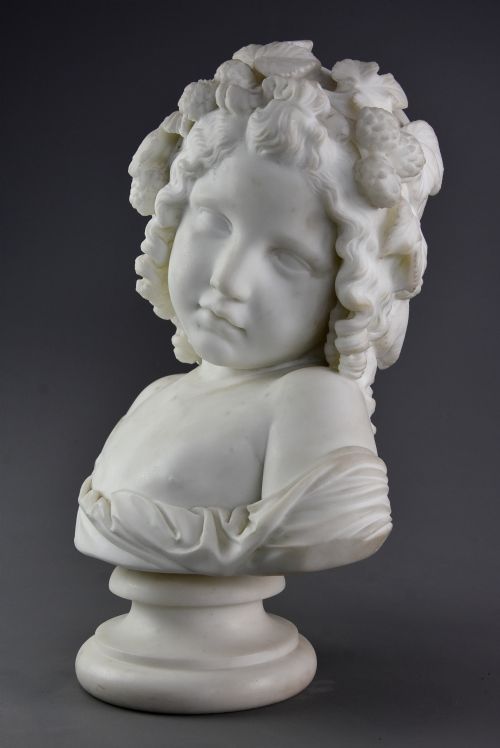
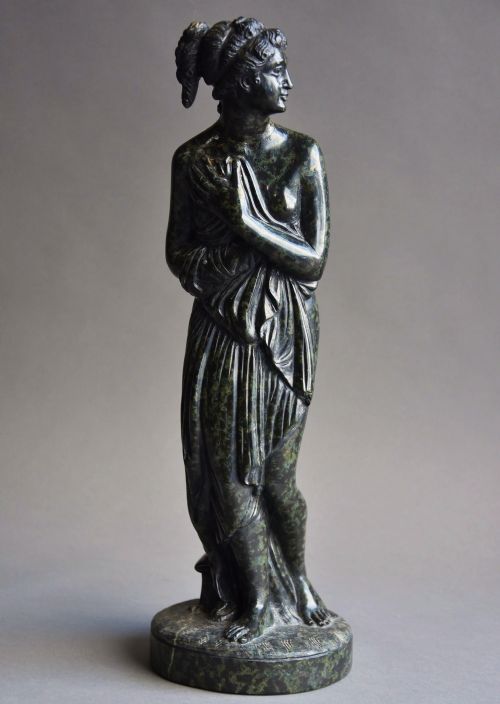
These neoclassical stone statue pieces bring classical antiquity home through carved marble and stone figures.
Neoclassical Stone Statue
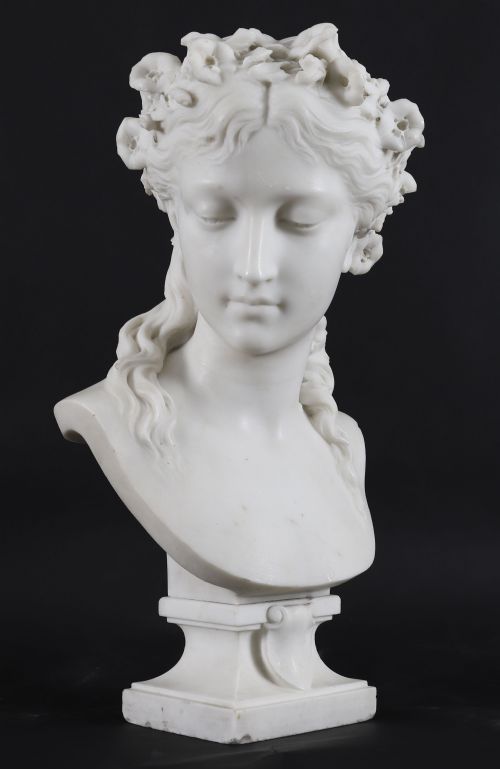
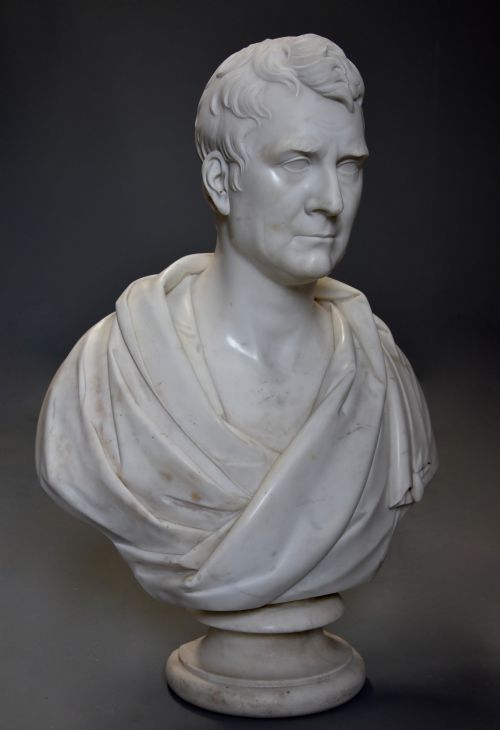
When you examine a neoclassical stone statue, you look at sculpted forms drawing directly from Greek and Roman antiquity. These pieces range from intimate library busts to monumental garden statues and architectural columns.
The selections here frequently comprise 19th-century Italian Grand Tour works alongside Victorian interpretations of classical subjects. Figures of mythological deities, literary heroines and historical figures dominate the material.
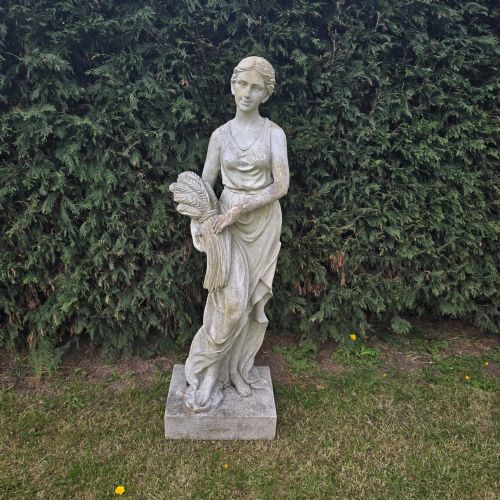
Sculptures appear as standalone figures, paired lions, obelisks and pedestal-mounted busts. They function as focal points in interior rooms or formal garden settings.
How they were made
Carvers shaped these pieces primarily from various forms of stone, utilising fine Carrara marble, white marble, alabaster and green serpentine. Sculptors worked these natural materials by hand, employing chisels and rasps to achieve detailed drapery and facial expressions.
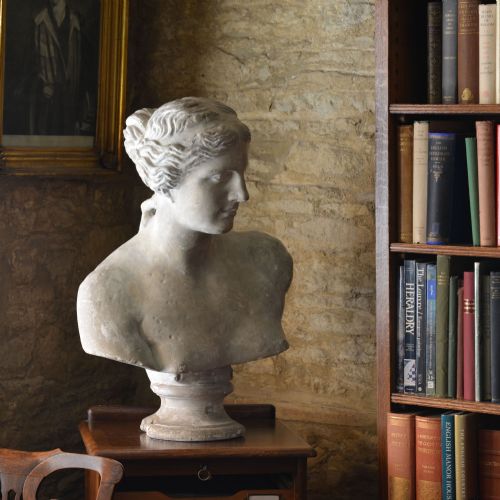
Some works incorporate cast stone or reconstituted stone for garden placement, whilst others utilise plaster for interior display. Certain monumental compositions combine white marble with contrasting mixed marbles and verdo prato for architectural pedestals.
What varies in quality
The distinction between ordinary and exceptional work lies in the depth of carving and anatomical precision. Master carvers render hair, musculature and delicate fabric folds with convincing realism and fluid motion.
Signed works and those attributed to known sculptors or specific Italian schools command greater attention due to documented provenance. The choice of unblemished marble blocks and the integration of matching pedestals elevate the finished presentation.
Barranti Florence·Houdon·Eugene Aizelin·J Francis·Antonio Canova·R Mattei·Carrier Belleuse
The Neoclassical Stone Statue Glossary
- Carrara marble
- A type of white or blue-grey marble quarried in the city of Carrara in Tuscany, prized for its fine grain and consistent texture. Sculptors have utilised this material since antiquity for detailed portraiture and figures.
- Grand Tour
- A traditional trip of Europe undertaken by upper-class young European men of means in the 18th and 19th centuries. Travellers acquired miniature or full-scale marble and serpentine sculptures in Italy to bring home.
- Serpentine
- A group of green silicate minerals often polished to resemble jade. It appears in Italian Grand Tour models and decorative animal carvings.
- Verdo prato
- A dark green Italian marble utilised for decorative bases and figures. It provides a striking contrast to white Carrara marble components.
- Plinth
- A heavy solid base supporting a statue, bust or column. These architectural elements elevate the sculptural work for optimal viewing.
Neoclassical Stone Statue: Frequently Asked Questions
What is a Grand Tour statue?
A Grand Tour statue is a souvenir purchased by travellers visiting cultural sites in Italy during the nineteenth century. These pieces replicated famous ancient sculptures in marble, alabaster and serpentine.
They allowed collectors to display classical taste within their home libraries and drawing rooms.
Where should I place a stone bust?
Stone busts suit entrance halls, libraries and studies where they sit atop sturdy wooden pedestals or marble columns. Interior placements protect finer marble and alabaster surfaces from weathering.
Larger stone examples tolerate outdoor garden settings when weather conditions permit.
How do I identify Carrara marble?
Carrara marble typically displays a white or pale grey ground with soft, feathered grey veining running through the stone. It takes a smooth polish that catches light across carved surfaces.
Nineteenth-century Italian carvers favoured this material for its responsiveness to fine chisel work.
What subjects do these statues depict?
These statues depict Greek and Roman mythological figures, muses, historical leaders and literary characters. Common subjects include Venus, Diana, Julius Caesar and Napoleon Bonaparte.
Allegorical representations of seasons and virtues also appear frequently.