
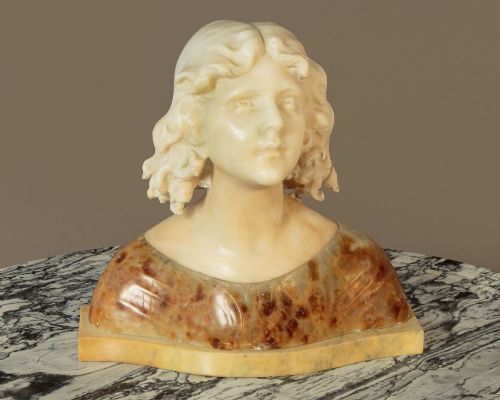


Cream Stone Sculpture
Cream stone sculpture encompasses carved alabaster, marble, soapstone, and plaster figures that bring classical elegance and tactile warmth into any interior.
Cream Stone Sculpture
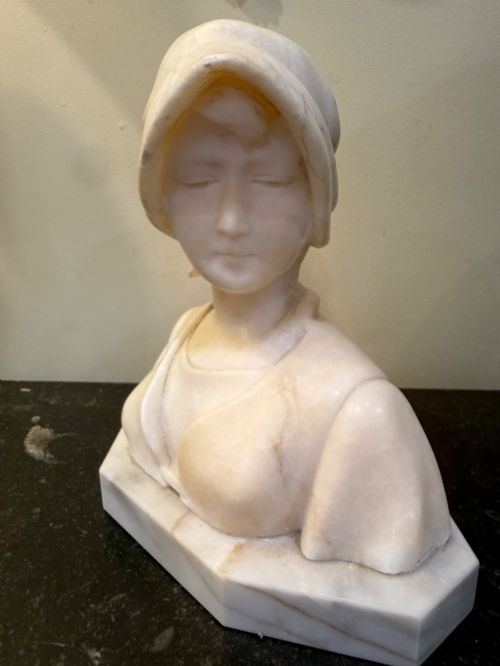
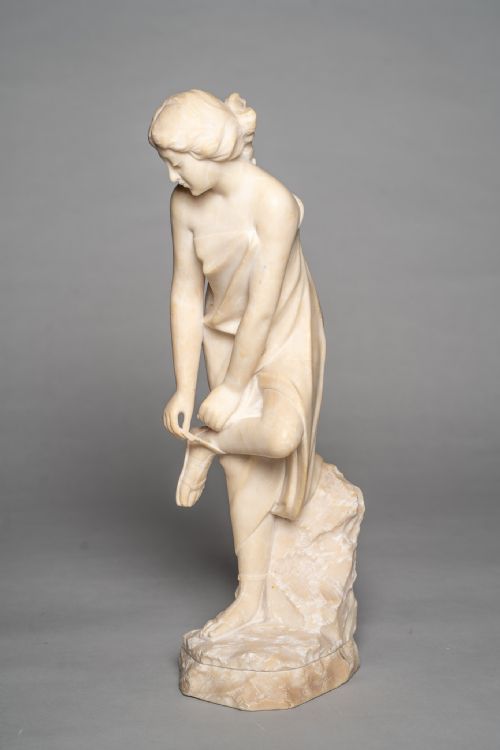
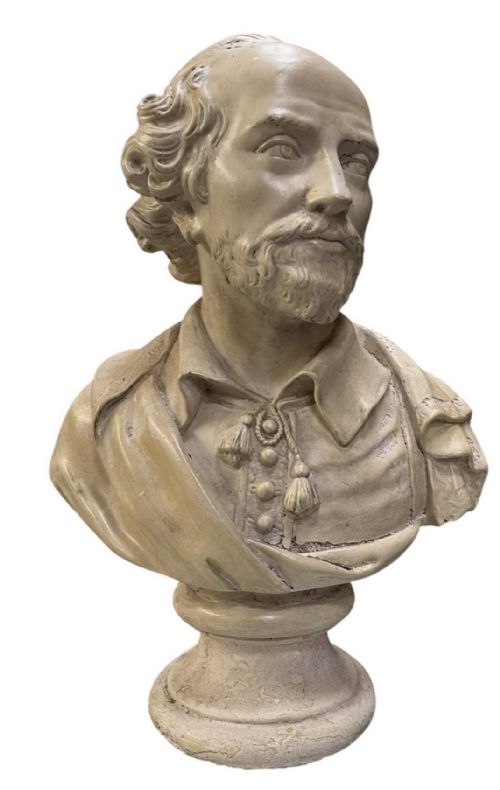
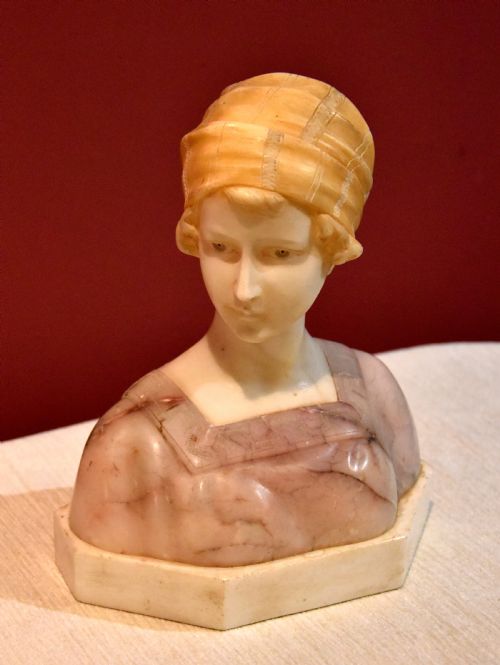
When you search for cream stone sculpture, you encounter a diverse array of figural works, portrait busts, and classical figures spanning multiple centuries. The selection on this page relies heavily on nineteenth-century and early twentieth-century examples, with alabaster and marble appearing most frequently as the primary mediums for these carved pieces.
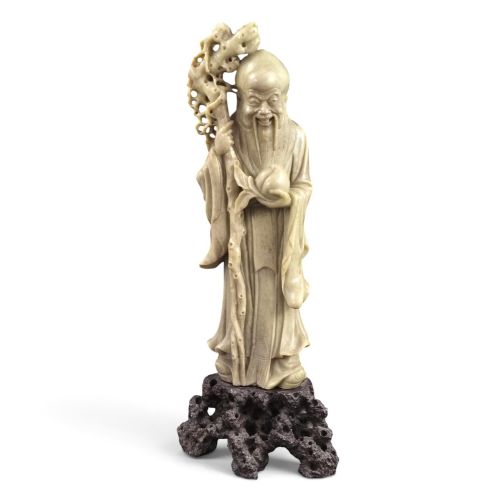
The forms range from intimate Chinese soapstone scholar carvings and Burmese marble Buddhas to grand European portrait busts, mythological figures like Hestia, and allegorical studies. Many of these works originate from Italian and French workshops, capturing classical, Neoclassical, and Art Nouveau aesthetics through skilled hand-carving.
How they were made
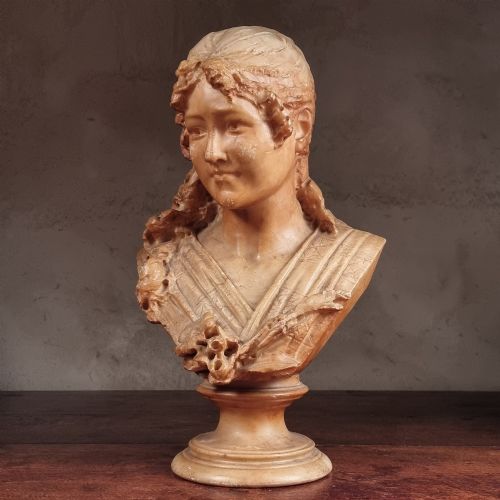
Certain works combine multiple materials, integrating brass details or mounting figures on marble bases, pedestals, and plinths to elevate the presentation. Plaster also appears as a sculptural medium, capturing fine surface detail through casting before receiving surface finishing.
Julius Caesar stands carved in stone alongside a scholarly dragon, a reclining Buddha, and the goddess of the hearth.
What varies in quality
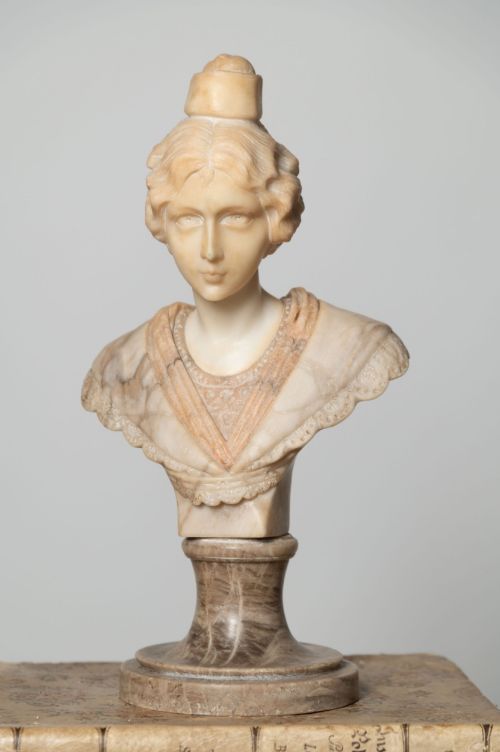
The degree of anatomical precision and expressive depth in the carving separates standard decorative items from superior sculptural works. Finer pieces demonstrate a sensitive handling of soft textures like skin and fabric, achieving subtle transitions in translucent alabaster or detailed rendering in marble.
Attribution and signature markings also influence the standing of a piece, with documented works by known sculptors carrying distinct artistic merit. The proportion, balance, and stability of supporting elements such as pedestals and integrated bases further contribute to the overall execution.
A.Gamay·Raffaelo Monti·Auguste Henri Carli·Fritz Kochendorfer·Mieczyslaw Leon Zawiejski·Gugielmo Pugi·Cipriani
The Cream Stone Sculpture Glossary
- Alabaster
- A fine-grained, relatively soft stone prized for its smooth texture and translucency, frequently utilised for nineteenth-century European bust carving. This material allows light to penetrate just beneath the surface, giving figures a lifelike glow.
- Bust
- A sculpted representation of a person from the chest or shoulders up, often mounted on a matching plinth or base. Portrait busts became immensely popular during the Victorian period for commemorating individuals.
- Shoushan Stone
- A type of Chinese soapstone originating from Fujian province, traditionally utilised for intricate scholar's carvings and figurative sculptures. It is valued for its soft working properties and range of creamy natural hues.
- Tazza
- A shallow saucer-shaped vessel or ornament mounted on a stem and foot, occasionally carved from marble as a decorative tabletop piece. These classical forms reflect Renaissance and Neoclassical revival tastes.
- Death Mask
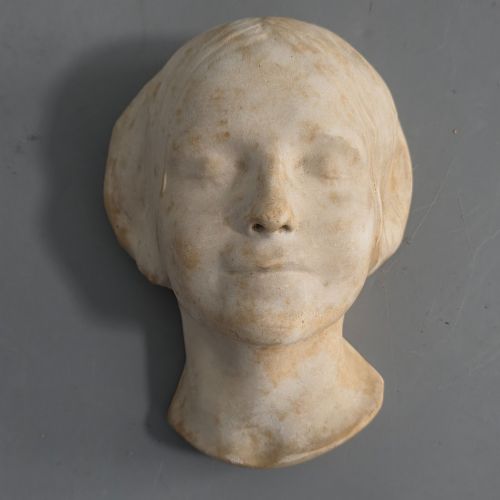
- A cast taken of a person's face shortly after death, sometimes reproduced in plaster or stone as a commemorative memorial object. Famous examples like L'Inconnue de la Seine were widely collected in the nineteenth century.
Cream Stone Sculpture: Frequently Asked Questions
How do I clean alabaster sculpture?
Alabaster is a relatively soft and water-soluble mineral that requires gentle dry dusting with a soft brush. Avoid using water, liquid cleaners, or abrasive cloths which can easily dissolve the surface detail and ruin the polish.
Keep these sculptures away from areas of high humidity or direct moisture. Proper environmental care preserves the translucent quality of the stone for future generations.
Where should I display a heavy stone bust?
These sculptures require sturdy furniture such as a strong sideboard, a dedicated stone pedestal, or a reinforced wooden plinth capable of supporting considerable weight. Ensure the placement sits safely away from high-traffic household paths where accidental knocks might occur.
Positioning the piece near a natural light source enhances the translucent qualities of materials like alabaster and marble. Side lighting often highlights the subtle contours and carving techniques employed by the artist.
How can I tell alabaster from marble?
Alabaster is noticeably softer than marble and can be scratched with a metal coin, whereas true marble resists scratching. Alabaster also possesses a distinct translucency when held near a light source.
Marble tends to display a crystalline structure with darker veining patterns depending on the quarry origin. Examining the underside or unpolished areas helps determine the exact stone composition.
What is the difference between a sculpture and a bust?
A bust specifically depicts a person from the shoulders or chest upward, focusing primarily on facial expression and portraiture. Sculptures encompass full-figure statues, reclining forms, and narrative groups representing mythological or allegorical subjects.
Both forms share similar carving techniques and materials within nineteenth-century decorative arts. Collectors often mix both types to create balanced displays across mantels and display tables.