






Neoclassical Porcelain Sculpture
Neoclassical porcelain sculpture captures classical figures in biscuit or parian bodies, offering buyers refined antiquity for the mantelpiece.
Neoclassical Porcelain Sculpture
Neoclassical porcelain sculpture draws directly on ancient Greek and Roman motifs, translating mythological subjects and historical portraits into ceramic form. When searching this phrase, a buyer meets figures, busts, and groups spanning the eighteenth and nineteenth centuries.
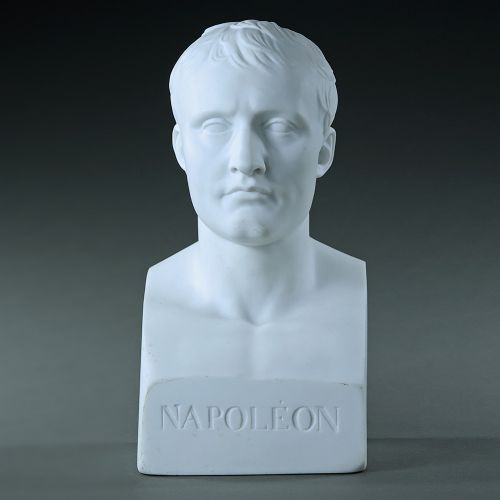
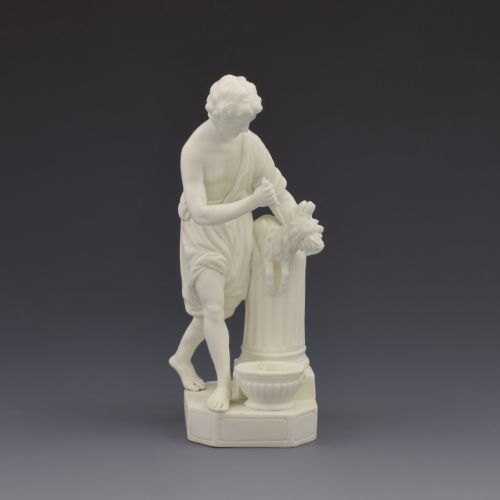
The selections on this page rely heavily on nineteenth-century interpretations, particularly Victorian parian ware and French biscuit porcelain. Figures such as Ariadne, Zeus, and classical maidens dominate the forms available.
How they were made
Makers utilised unglazed biscuit porcelain and parian porcelain to mimic the smooth, matte surface of classical marble. These bodies required careful firing to preserve delicate limbs and drapery without glaze obscuring the modelled detail.
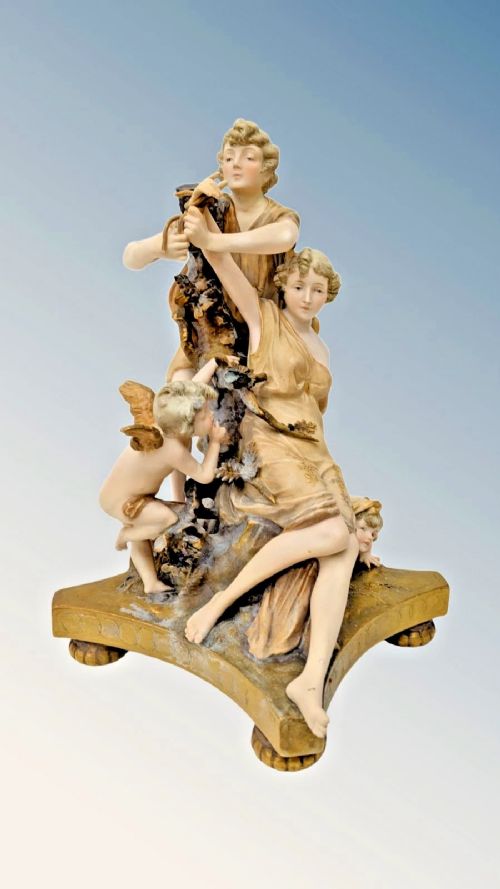
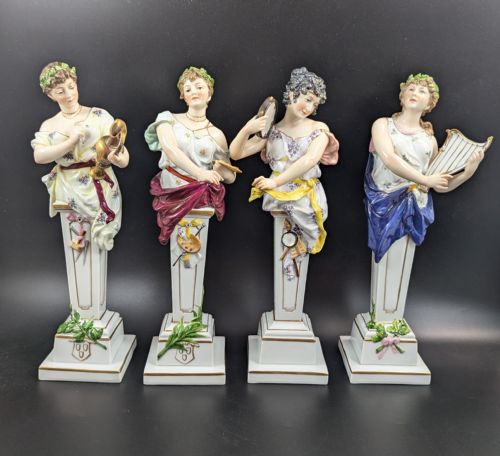
Gold leaf and enamel highlights occasionally appear to accent garments and attributes, though the primary focus remains on the crisp texture of the porcelain itself.
Listings span the eighteenth and nineteenth centuries, featuring materials such as parian porcelain, biscuit porcelain, gold leaf, and enamel.
What varies in quality
Quality rests upon the crispness of the modelling and the fidelity to the classical prototype. Pieces cast from worn moulds lose the sharp folds of drapery and facial expression that define superior work.
The purity of the ceramic body also distinguishes the range, with fine parian and biscuit wares showing an even, stone-like texture across large figures and groups.
Sèvres·Royal Worcester·Derby·Copeland·Meissen
The Neoclassical Porcelain Sculpture Glossary
- Bisque porcelain
- Unfired-looking, unglazed ceramic body with a matte surface, also known as biscuit porcelain. It gained favour for sculptural figures because it resembles carved marble.
- Parian porcelain
- A fine-grained type of biscuit porcelain developed in the nineteenth century to imitate white marble. It contains a high proportion of feldspar, which melts during firing to give a smooth finish.
- Figurine
- A small carved or moulded statuette representing a human or animal form. These often depict allegorical subjects, mythological deities, or classical maidens.
- Gilt
- A thin layer of gold applied to the surface of porcelain as a decorative highlight. It emphasises borders, garments, and attributes on sculptural pieces.
Neoclassical Porcelain Sculpture: Frequently Asked Questions
What is parian porcelain?
Parian porcelain is a vitrified ceramic material developed in the nineteenth century specifically for figures and busts. Its dense, matte finish closely mimics carved white marble.
This material allowed factories to produce affordable yet highly detailed sculptures for Victorian homes.
How do I clean biscuit porcelain?
Biscuit porcelain has an unglazed, porous surface that readily absorbs oils and dirt. Cleaning requires dry methods or very gentle damp wiping without harsh detergents.
Soft brushes help clear dust from the intricate folds of classical drapery without marking the matte ceramic.
Are these pieces glazed?
Most sculptural pieces in this category are unglazed, appearing as biscuit or parian porcelain to resemble classical marble. Glaze would alter the matte texture intended by the modeller.
Some figures feature painted enamel details or gilt highlights, but the primary body remains deliberately unglazed.
How are periods identified?
Periods are determined through factory marks, modelling styles, and the specific composition of the ceramic body. Eighteenth-century figures often show softer paste or early biscuit bodies, while Victorian pieces utilise parian ware.
Subject matter also guides attribution, as nineteenth-century revivals frequently reinterpret earlier models.