


Neoclassical Column Stands
Neoclassical column stands bring architectural dignity to a room, lifting sculpture and lighting with classical order.
Neoclassical Column Stands
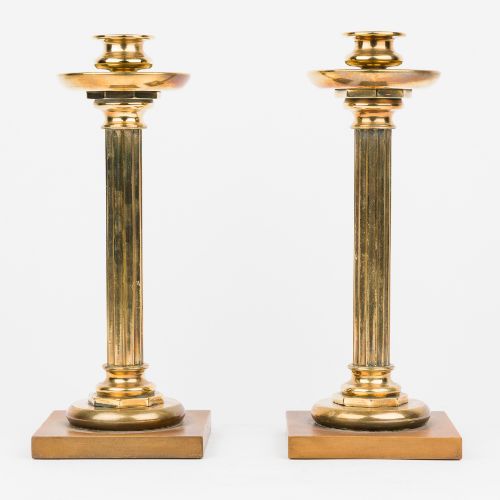
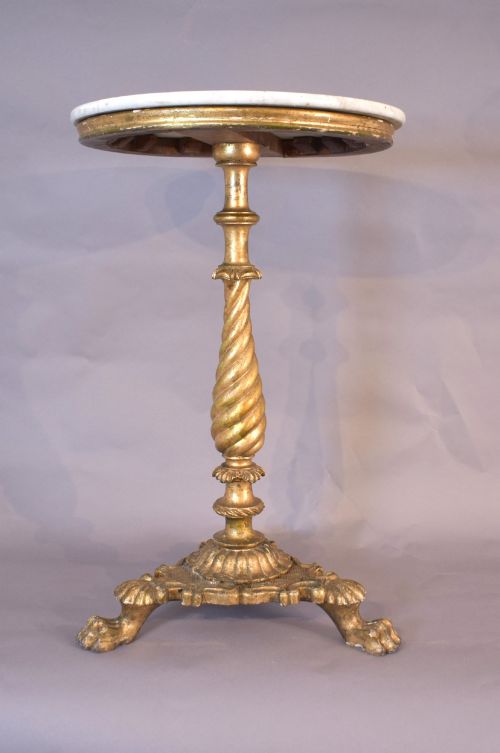
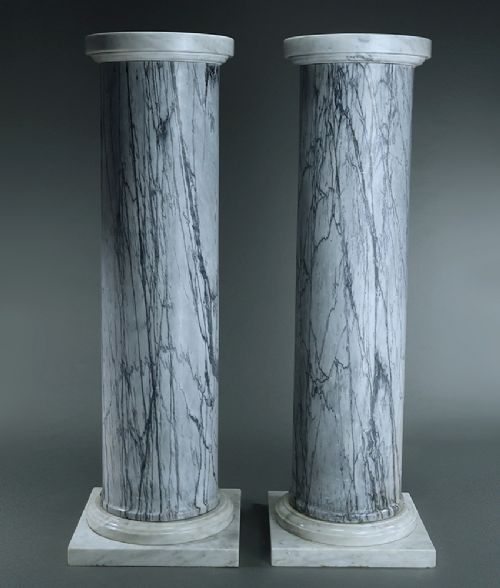
Neoclassical column stands take the form of architectural supports adapted for interior display, serving as pedestals, torcheres, and lamp standards. Buyers search for these pieces to elevate objects or provide upright illumination in a room.
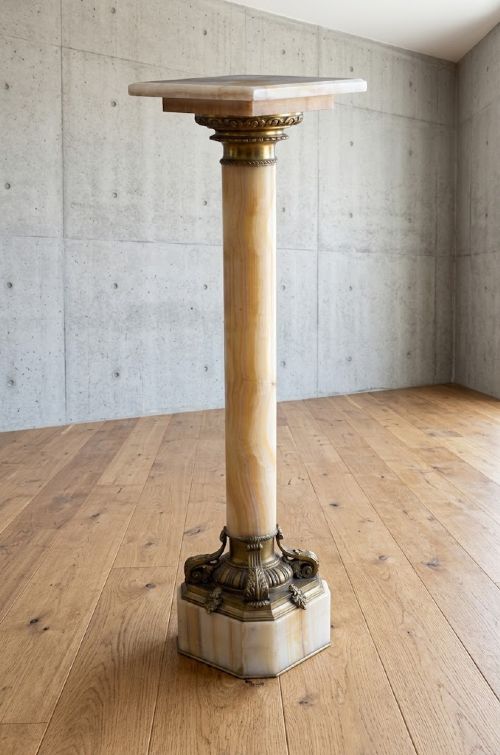
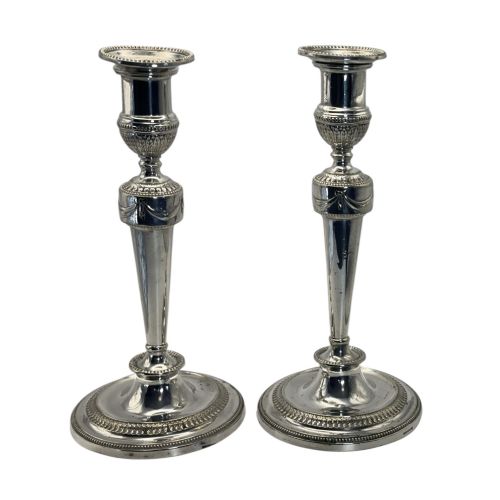
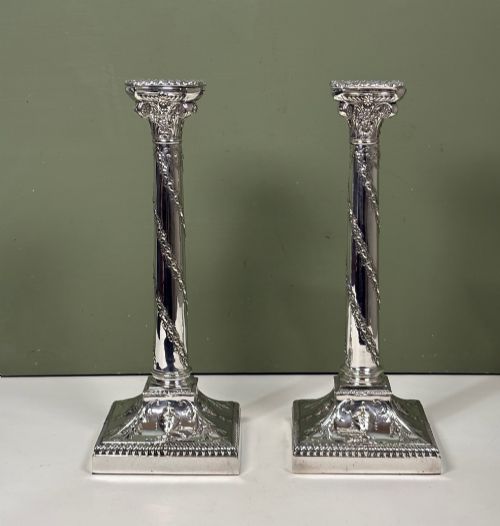
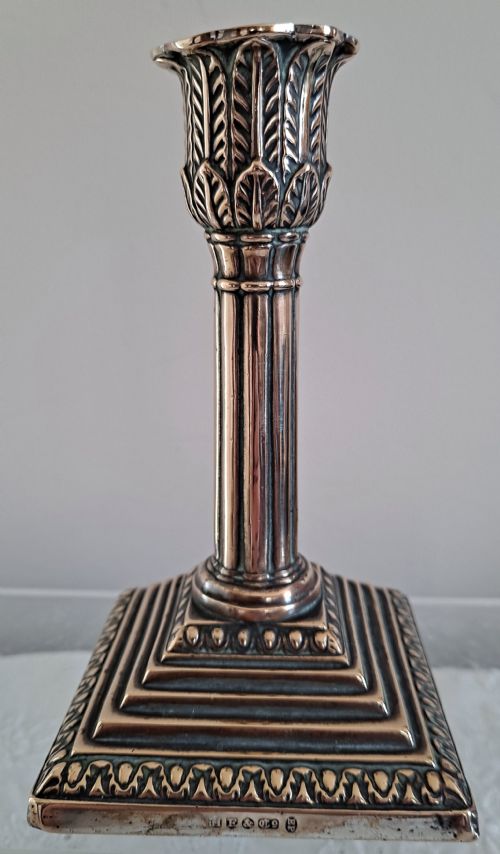
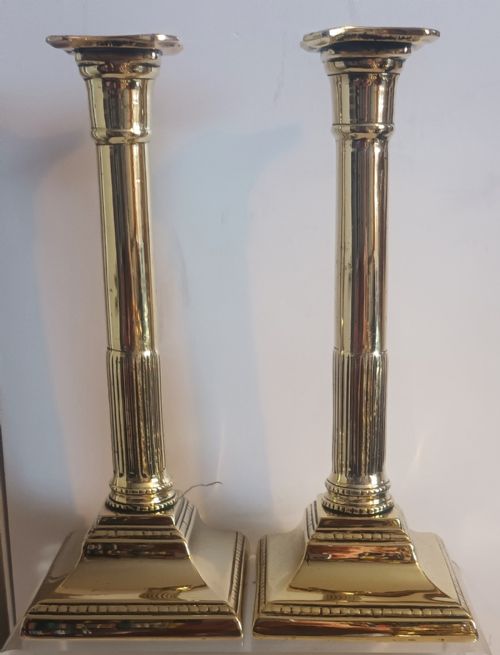
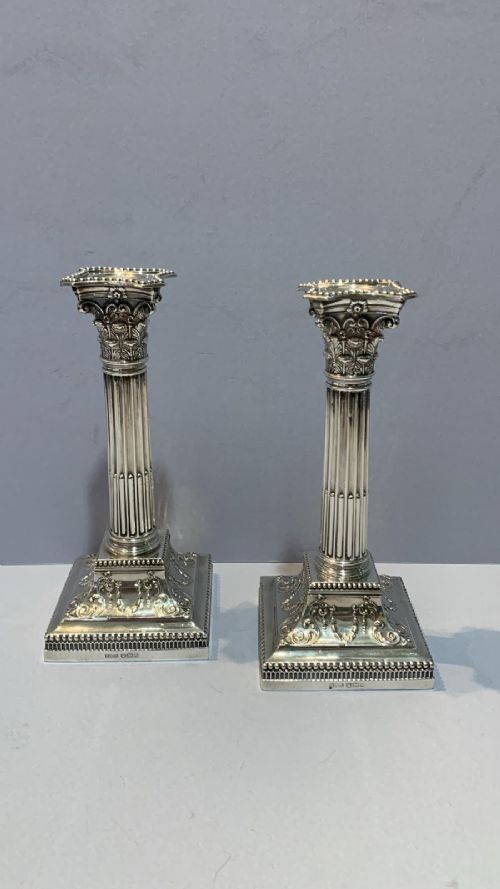
The selection ranges from tall marble columns to brass standards and wooden pedestals spanning the eighteenth, nineteenth, and early twentieth centuries. Candlesticks and smaller column forms also appear frequently alongside larger display plinths.
Origins stretch across English, French, Swedish, and Italian workshops, reflecting revivals from Georgian and Regency eras through to Edwardian and Art Deco periods. Scagliola, onyx, and painted finishes replicate grand architectural materials for domestic spaces.
Materials and Construction
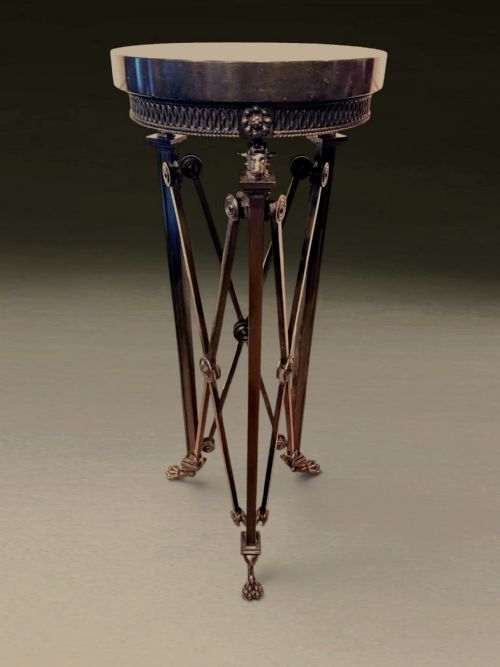
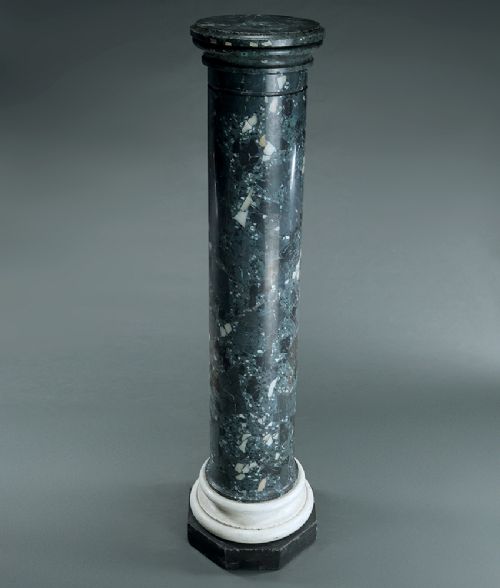
Stone and mineral elements dominate the heavier pieces, utilising solid or scagliola marble, onyx, and alabaster often topped with ormolu or brass collars. Turning lathes shape the cylindrical shafts while mounts are cast in bronze and brass.
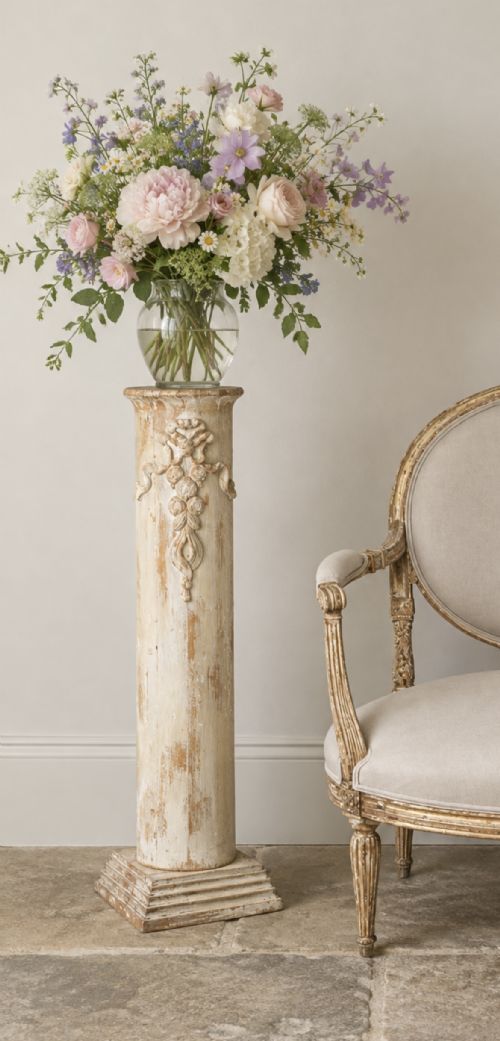
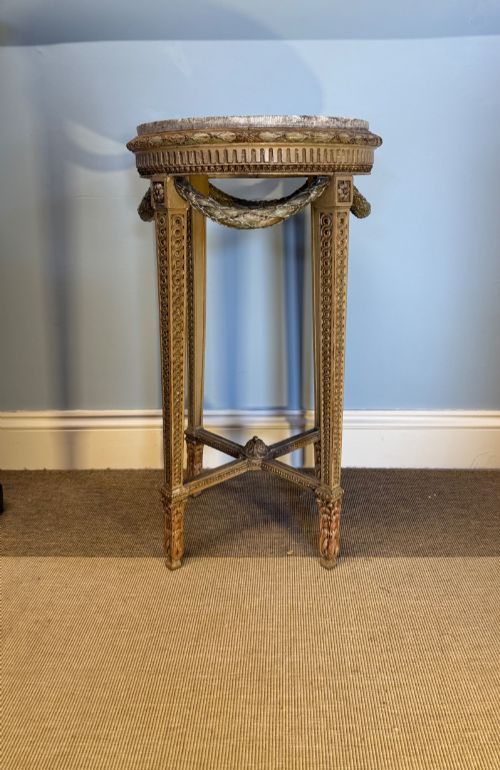
Woodwork relies on hardwoods and painted finishes, employing giltwood, satinwood, and birch for pedestals and occasional tables. Plaster and cast iron also provide durable cores for garden columns and painted interior stands.
Materials across these listings span natural marble, onyx, brass, giltwood, and painted plaster.
Assessing Quality
Quality rests upon the fidelity of the classical proportions and the crispness of the capital mouldings, whether carved in stone or cast in metal. Superior examples display precise joinery in the turning and secure mounting of brass or bronze collars.
The selection of materials dictates the standing of the piece, with matched marble varieties and fire-gilt mounts occupying the upper tier. Painted or faux finishes succeed when the underlying brushwork exhibits depth and restraint rather than flat uniformity.
Mappin and Webb·Humphrey Hopper·Wedgwood
The Neoclassical Column Stands Glossary
- Ormolu
- Gilt bronze mounts applied to furniture and stone columns. This decorative technique adds metallic contrast to marble and wood.
- Scagliola
- A composite substance made from glue, selenite, and pigments to imitate marble. Artisans use this technique to create convincing faux stone columns.
- Torchere
- A tall stand designed to support a light or candle. These slender pieces often feature classical column shafts.
- Verde Antico
- A dark green serpentine marble favoured in classical architecture and Grand Tour columns. It provides a rich mottled texture.
- Corinthian
- An architectural order characterised by ornate capitals decorated with acanthus leaves. Many brass and stone candlesticks adopt this capital style.
Neoclassical Column Stands: Frequently Asked Questions
What is the difference between a pedestal and a column?
Pedestals generally feature square or rectangular bases designed to support busts, urns, and large sculptures. Columns maintain a cylindrical shaft derived from classical architectural orders.
Columns often include distinct bases, fluted shafts, and decorative capitals, whereas pedestals prioritise stability and a broad top surface for display.
How do I choose the right height?
Height selection depends on whether the stand holds a lamp, a bronze bust, or serves as a standalone architectural element. Taller shafts lift light sources above eye level in a seated room.
Shorter pedestals suit heavy marble busts or decorative urns where the object itself requires viewing from a slightly elevated perspective.
Are marble columns heavy to move?
Solid stone and scagliola columns possess considerable weight due to their mineral composition. Many examples separate into distinct base, shaft, and capital sections to aid relocation.
Care must be taken when moving composite pieces to prevent chipping the stone edges or straining the central brass fixing rods.
Where should I place a column stand at home?
These pieces suit corners, entrance halls, or flanking doorways where architectural verticality breaks up flat wall space. Lamp standards function effectively beside seating areas.
Display stands require stable flooring to prevent rocking, particularly when supporting heavy stone or cast iron items.