






Architectural Stone Columns
Architectural stone columns are substantial structural supports and decorative plinths that bring classical symmetry and historic weight to interior and garden spaces.
Architectural Stone Columns
Architectural stone columns encompass carved capitals, garden pedestals, and structural shafts originating primarily from the nineteenth century. These pieces span neoclassical revival, Gothic, and Victorian classical styles, reflecting diverse architectural reuse.
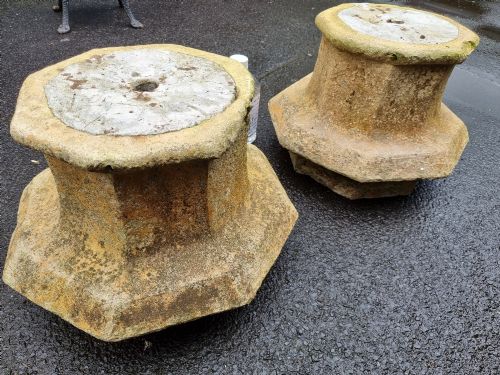
The items found here range from limestone Corinthian capitals and sandstone column halves to large red stone pedestals and composite stone garden plinths. Many items double as pedestals for statuary or anchor grand mantel clocks.
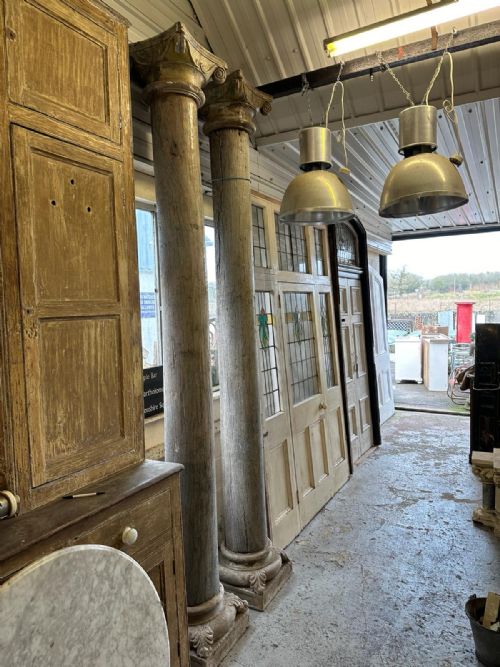
Buyers seeking architectural stone columns will encounter various configurations including pairs of columns with carved stone bases, hardwood capitals, and alabaster shafts. Their origins stretch from French architectural salvage to nineteenth-century domestic settings.
Materials and construction methods
Masonry construction relies on traditional hand-carving techniques applied to hard stone, marble, limestone, alabaster, and sandstone. Artisans shaped these dense geological materials to form robust shafts, fluted surfaces, and ornate capitals.
Composite and reconstituted stone methods appear alongside natural quarried materials, particularly in nineteenth-century garden items. Wood and brass accents occasionally complement the stone elements, notably in composite capitals and clock mountings.
Architectural Stone Columns Retail Price Guide 2026
Typical asking prices for architectural stone columns among the pieces listed under this phrase on Sellingantiques today, from the lower quarter to the upper quarter. They describe what is for sale here now, not the wider market.
Listings feature nineteenth-century items in stone, marble, and limestone, spanning neoclassical, Gothic revival, and Victorian architectural salvage styles.
Evaluating quality and craftsmanship
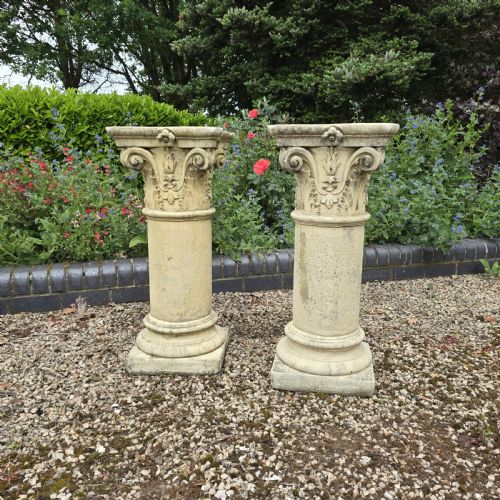
Quality in these pieces rests upon the crispness of the stone carving, particularly within foliage and volutes on Corinthian and Ionic capitals. Deeper, more confident chisel work distinguishes superior sculptural execution from routine masonry.
The choice of material heavily dictates the grade of the piece, with fine-grained marbles and uniform limestones holding sharper details than softer sandstones or composite mixes. Intact structural integrity and matching pairs command greater architectural utility.
The Architectural Stone Columns Glossary
- Base
- The lowest section of a column or pedestal that distributes weight onto the floor or ground. It provides visual stability to the vertical member.
- Corinthian
- A classical order characterised by ornate capitals decorated with double rows of acanthus leaves and small corner volutes. This style originates from ancient Greek and Roman architecture.
- Ionic
- A classical order identified by the twin scroll-like volutes ornamenting the capital. It offers a more slender and decorative profile than the earlier Doric order.
- Architectural Salvage
- Building materials and decorative elements rescued from older structures for reuse. This field preserves historic stonework, columns, and capitals.
Architectural Stone Columns: Frequently Asked Questions
Are these columns suitable for outdoor display?
Many stone and composite columns originated as garden statuary plinths or architectural salvage designed to withstand external weather conditions. Natural dense stones like granite and hard limestone endure rain and frost well.
Softer sandstones, alabaster, or items with delicate wooden components require shelter from persistent moisture to prevent surface erosion and structural degradation over time.
How can I tell the period of a stone column?
Dating relies on tool marks left by stonemasons, the purity of the neoclassical or Gothic revival style, and the specific composition of the stone or marble. Nineteenth-century pieces often display hand-chiseled surfaces that differ from modern machine-cut masonry.
Matching the capital's carving style to documented Victorian or nineteenth-century revival patterns provides further chronological context for unmarked architectural elements.
Why do some columns have wooden or brass parts?
Mixed-media construction occurs in architectural elements and decorative mantel items where wood or metal provides contrast or facilitates specific mechanical movements. Composite items often combine carved stone bases with timber shafts or capitals.
Clock housings and decorative pedestals frequently integrate brass mounts and wooden framing to secure internal clockwork or accent the primary stone body.