






Painted Urn Stands
Painted urn stands bring classical elegance to interiors, combining decorative painted wooden or metal surfaces with raised display platforms.
Painted Urn Stands
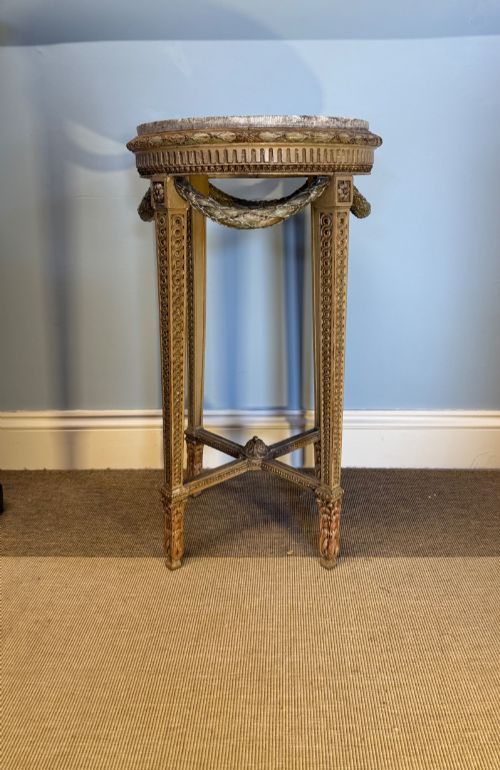
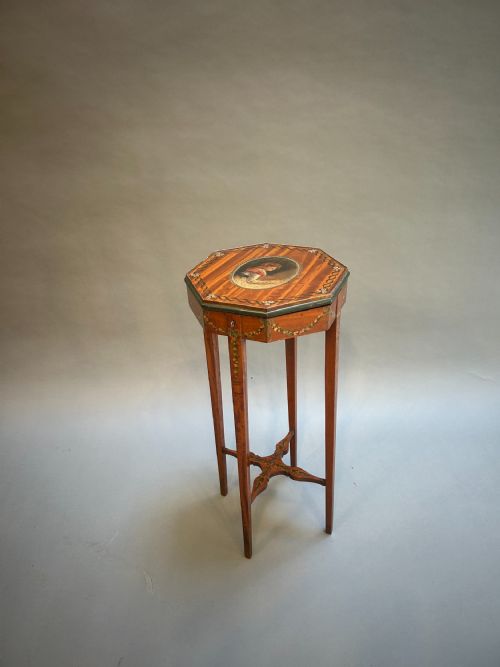
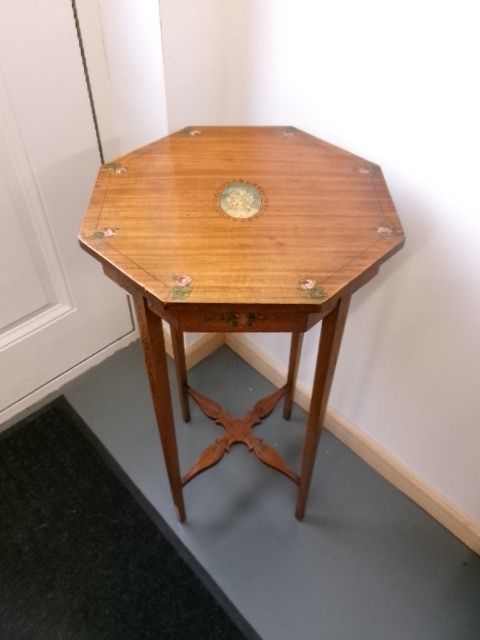
Painted urn stands encompass a variety of elevated display furniture designed to hold decorative vessels, vases, and urns. When searching for painted urn stands, buyers encounter pieces ranging from Victorian occasional tables to Edwardian satinwood items.
Originating across different countries and stylistic revivals, these stands serve primarily to elevate porcelain, terracotta, or ceramic vessels within domestic and garden settings.
Materials and construction
Construction relies heavily on timbers such as satinwood, alongside supportive materials like cast iron, terracotta, and carved wood. Artisans applied hand-painted decoration, enamel work, and gold leaf to wooden surfaces to achieve neoclassical or revivalist aesthetics.
Porcelain and ceramic vessels often accompany these stands, paired with matching original porcelain bases or marble tops. Lacquer over black paint and specialised pottery techniques further define the physical construction visible across the inventory.
Painted Urn Stands Retail Price Guide 2026
Typical asking prices for painted urn stands among the pieces listed under this phrase on Sellingantiques today, from the lower quarter to the upper quarter. They describe what is for sale here now, not the wider market.
Assessing quality and craftsmanship
Quality rests in the precision of the hand-painted decoration and the integrity of the underlying materials, whether finely turned satinwood or heavy cast iron. Finer examples display meticulous brushwork in neoclassical motifs and coherent pairings between the stand and its vessel.
Proportion and structural stability separate standard utility pieces from exceptional decorative works. The presence of original surfaces, integrated stands, and refined joinery distinguishes the superior specimens.
Dunfermline Clay Company·Coalbrookdale·Kato Sanhei
The Painted Urn Stands Glossary
- Satinwood
- A durable, yellowish-grained timber frequently utilised for fine cabinet-making and decorative furniture during the eighteenth and nineteenth centuries. Its smooth surface accepted painted ornamentation exceptionally well.
- Neoclassical
- An artistic style drawing inspiration from the classical art and culture of ancient Greece and Rome. It manifests in symmetrical designs, geometric motifs, and restrained ornamentation.
- Torcheres
- Ornamental stands or pedestals originally intended to support lights or candelabra. In later periods, they evolved to display large vases and urns.
- Moriage
- A Japanese ceramic technique using slip trailing to create raised, textured patterns on pottery. This decoration appears frequently on nineteenth-century Japanese wares.
Painted Urn Stands: Frequently Asked Questions
What are painted urn stands?
Painted urn stands are decorative tables and pedestals designed to elevate vases, urns, and other display vessels.
They utilise materials like satinwood, cast iron, and painted wood to support decorative ceramic and porcelain objects.
How were painted urn stands used?
These pieces functioned primarily as display furniture inside the home or garden.
They raised heavy vessels and decorative items to eye level to showcase fine porcelain, pottery, and plant displays.
How do I date a painted urn stand?
Dating relies on stylistic markers such as neoclassical painted details, timber choices like satinwood, and manufacturing techniques.
Most surviving examples date from the nineteenth and early twentieth centuries, reflecting Victorian and Edwardian revival movements.
Are stands and vases sold together?
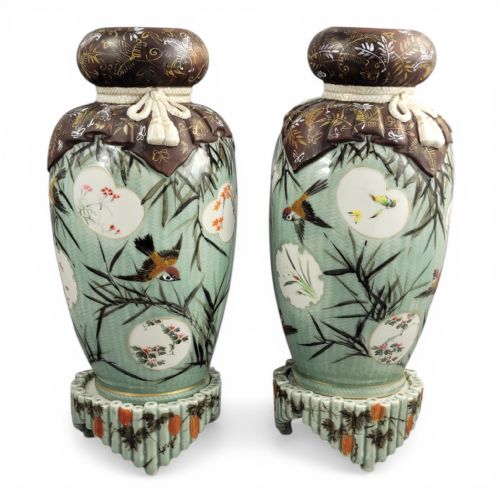
Many listings feature vases paired with their original matching stands, such as Japanese porcelain pieces or garden pedestals.
Other items function as standalone occasional tables, lamp tables, or kettle stands designed to accept various decorative objects.