
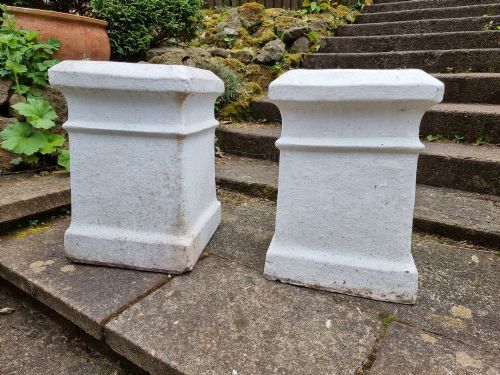
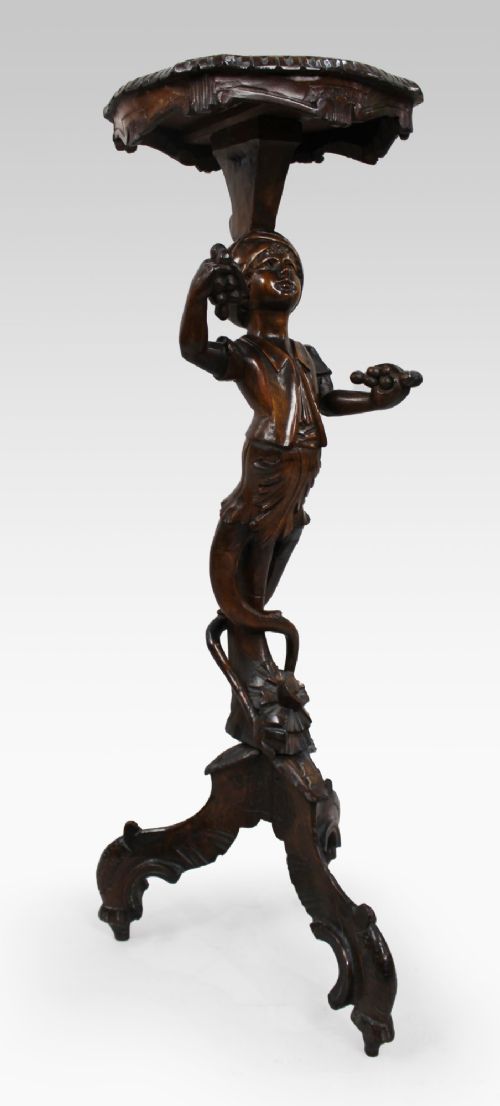
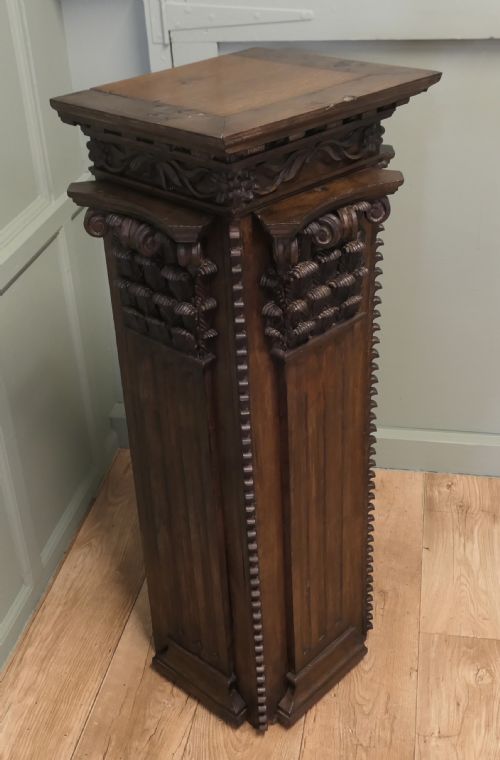
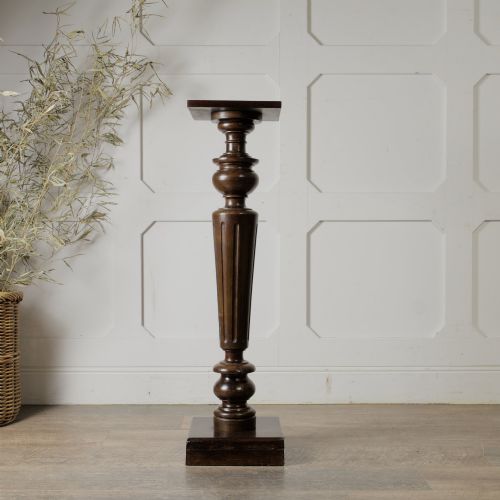
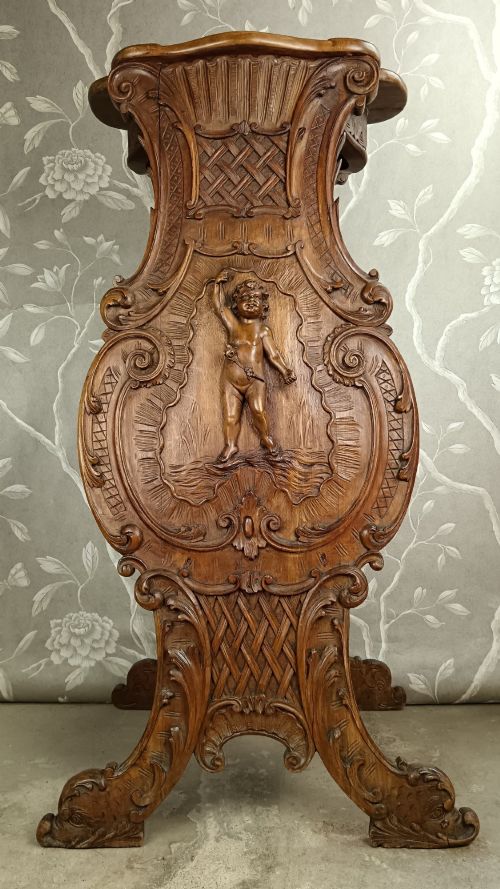
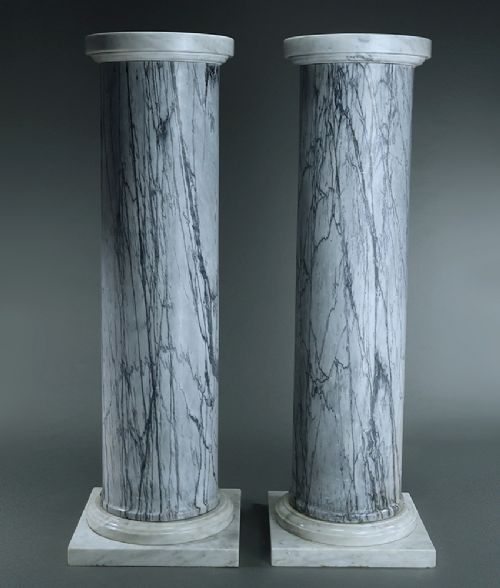
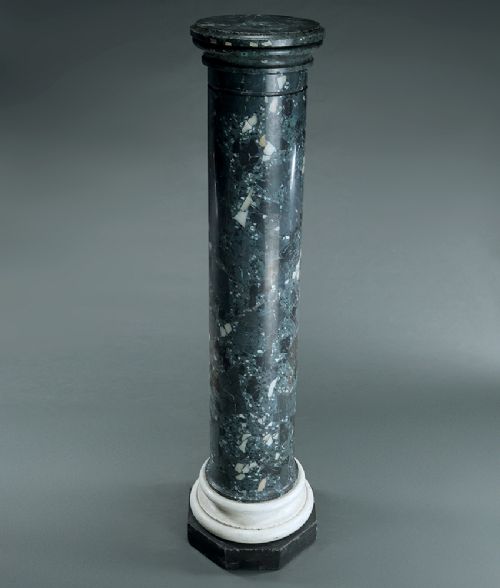
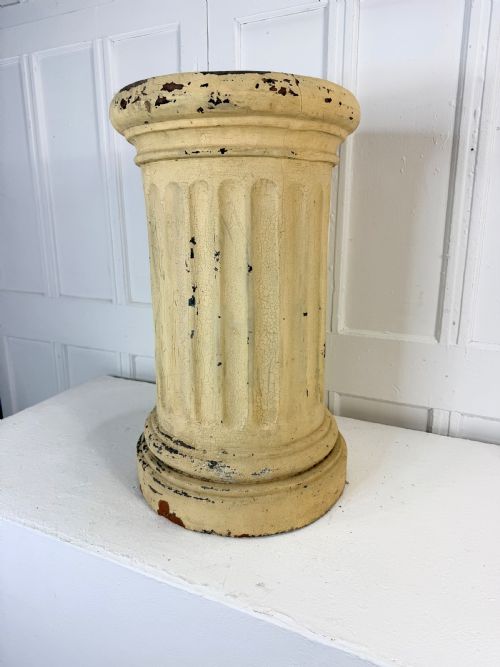
Plinth Plant Stands
Plinth plant stands elevate flora and sculpture with architectural presence, originating in periods from the eighteenth century onwards.
Plinth Plant Stands
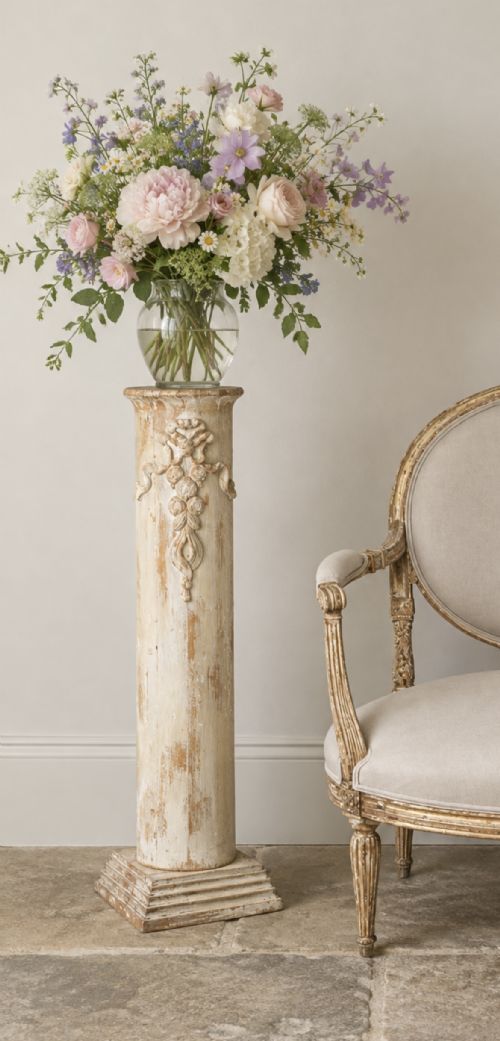
When searching for plinth plant stands, buyers encounter architectural columns, pedestals, and display columns designed to elevate objects in interior and garden settings. These pieces originate across various historical periods, including the eighteenth and nineteenth centuries, taking the form of tall supports for urns, busts, and flora.
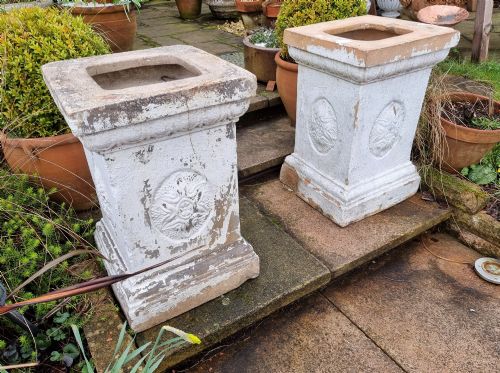
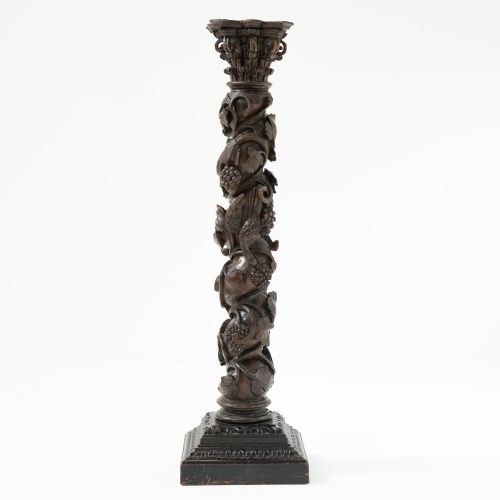
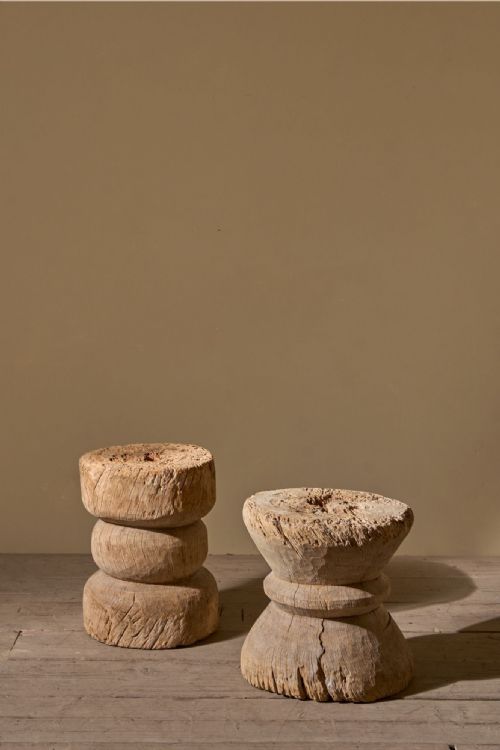
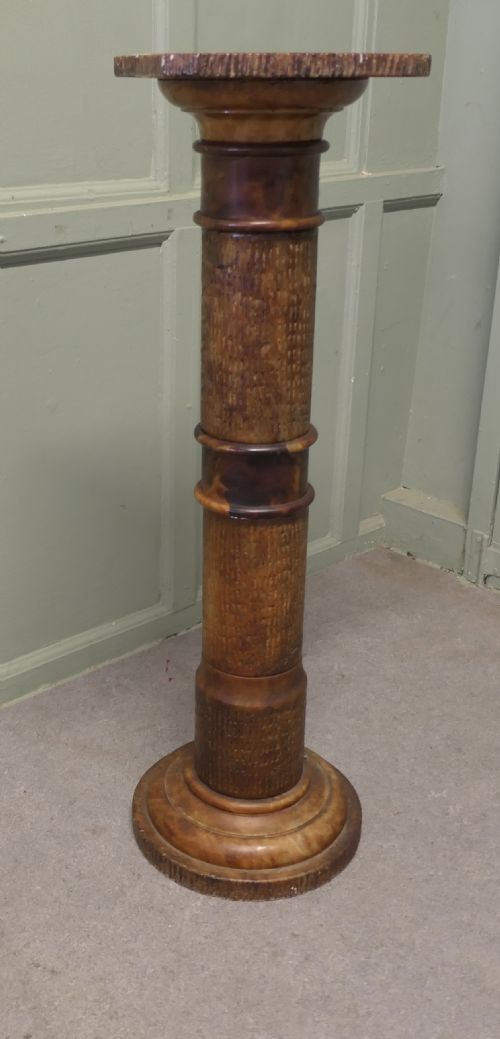
The selections available include turned wooden columns, carved oak examples, and stone or marble shafts fitted with decorative collars. Common formats range from classical revival shafts to rustic wooden side tables and heavy terracotta or cast iron garden planters.
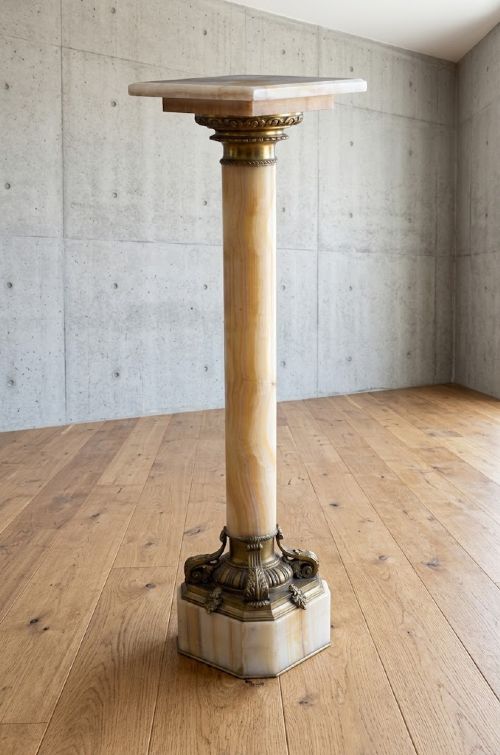
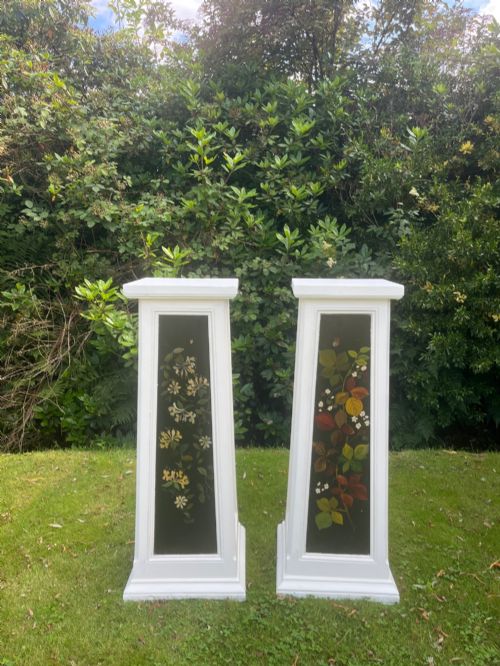
Makers and manufacturers utilised diverse regional traditions, resulting in French onyx pedestals, Swedish birch columns, and Italian walnut stands. Buyers frequently meet paired sets designed for symmetrical interior placement alongside singular monumental display columns.
Materials and construction methods
Carpenters and cabinetmakers shaped solid timbers such as mahogany, oak, walnut, and satinwood using turning lathes and hand carving techniques. Painted pine and ebonised wood surfaces received specialised finishes, including faux marble effects and grain painting.
Stone masons and workers in hard materials cut marble varieties like Bardiglio, Carrara, Verde Antico, and Arabescato into cylindrical shafts and square plinths. Metalwork components, notably ormolu collars and cast iron garden urns, provided structural reinforcement and neoclassical ornamentation.
Chimney pots occasionally served alternative duties as garden pedestals when upended.
Evaluating craftsmanship and materials
Superior examples distinguish themselves through the selection of high-grade materials, such as solid exotic marbles and densely grained hardwoods, rather than painted plaster or softwood. The precision of hand-carving on figural elements and neoclassical capitals indicates the skill level of the original workshop.
Structural integrity depends on stable joinery and balanced weight distribution, ensuring heavy stone tops or cast iron urns remain secure upon their bases. Finer pieces demonstrate careful integration of decorative metal mounts, such as cast ormolu collars fitted flush against stone columns.
Dunfermline Clay Company·Gillow & Co.
The Plinth Plant Stands Glossary
- Ormolu
- Gilded bronze mounts applied as decorative collars or bases on nineteenth-century columns. This technique originated in France and added metallic contrast to marble shafts.
- Solomonic
- A twisted, spiral column design resembling a helix. Carved oak examples of this form appear in eighteenth-century pieces.
- Scagliola
- A composite material made from selenite, glue, and pigments, mimicking natural marble. Grand Tour columns frequently utilised this technique to achieve decorative stone effects.
- Campana
- A bell-shaped garden urn form often mounted upon stone or cast iron plinths. These vessels served classical planting functions in nineteenth-century landscapes.
- Triform
- A three-sided pedestal base configuration providing stability for tall display columns. Eighteenth-century examples often employed this tripartite structural arrangement.
Plinth Plant Stands: Frequently Asked Questions
What were plinth plant stands used for?
These supports elevated potted plants, urns, and sculptural busts to improve visibility within domestic rooms and conservatory spaces. Their architectural presence helped frame interior layouts during the nineteenth century.
Garden variants positioned heavy cast iron urns outdoors, withstanding weather while supporting seasonal plantings. Interior iterations lifted delicate flora and art objects above floor level.
How do I date a marble column?
Dating relies on stylistic markers such as neoclassical proportions, the presence of French ormolu mounts, and the specific variety of marble utilised. Nineteenth-century examples often exhibit distinct revival styles.
Examining the underside, turning marks, and assembly methods helps differentiate nineteenth-century production from later twentieth-century reproductions.
Can these stands support heavy pots?
Solid stone, marble, and cast iron columns possess high weight capacities suitable for heavy planters and large sculptures. Wooden turned pedestals vary in load-bearing strength based on timber density and internal construction.
Inspecting the base configuration and timber thickness confirms whether a specific stand suits heavy exterior terracotta or interior floral displays.
Where should I place a pedestal stand?
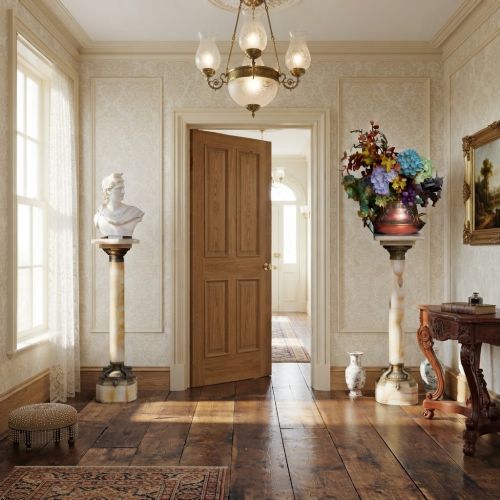
Tall columns suit corners, hallways, and fireplace flanks where vertical height draws the eye upward. Paired columns frame doorways or large windows symmetrically.
Garden pedestals require level outdoor surfaces to maintain balance under heavy cast iron or stoneware planters.