
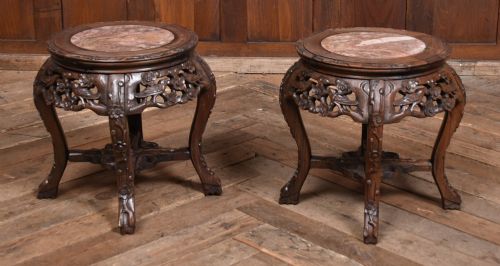


Pair of Display Pedestals
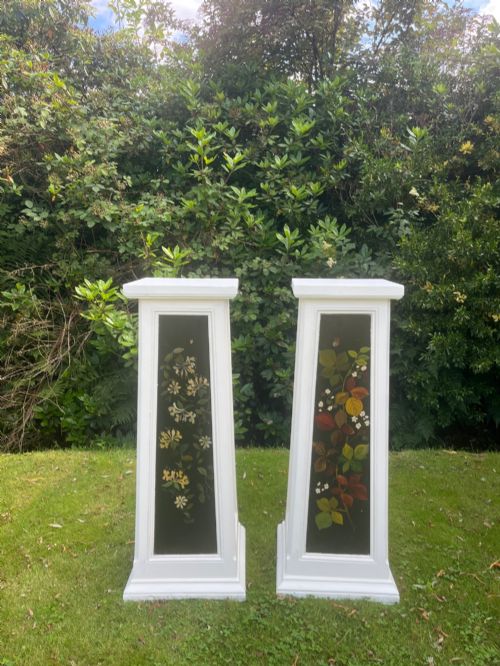
A pair of display pedestals elevates sculpture, pottery and plants to command attention within a room.
Pair of Display Pedestals
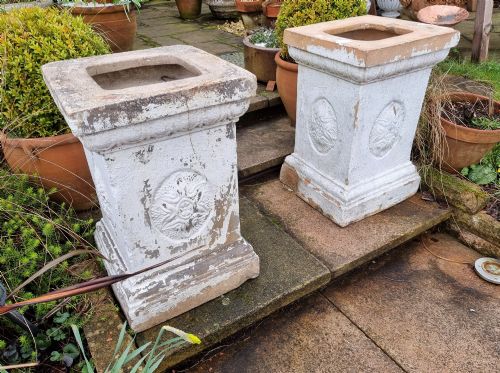
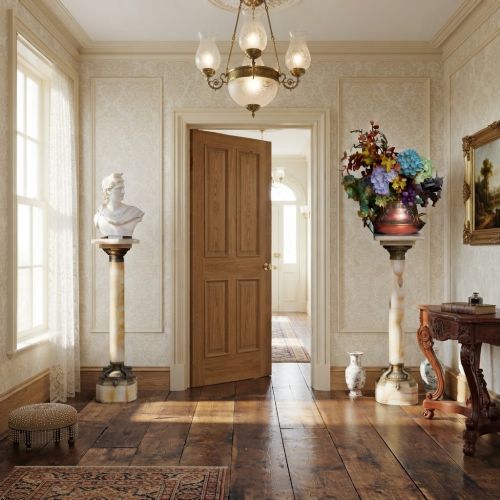
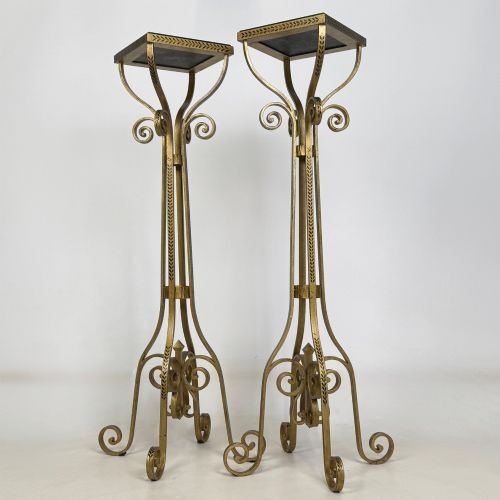
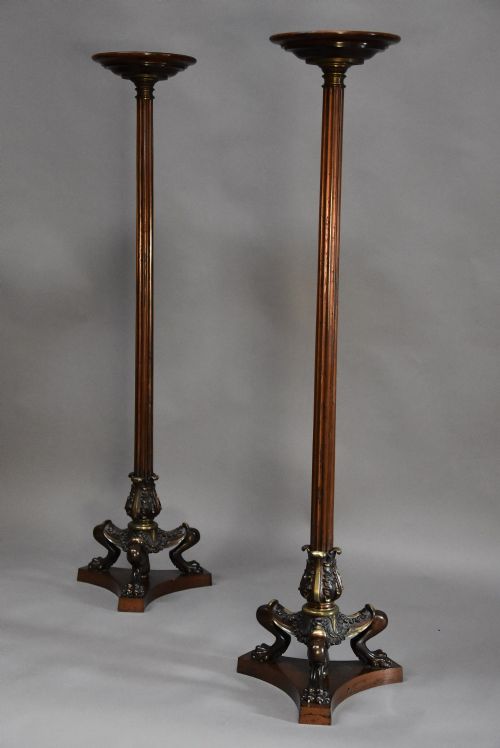
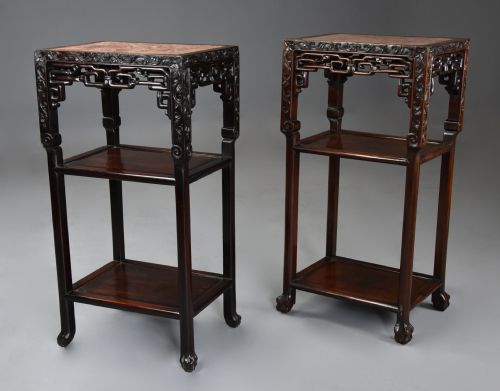
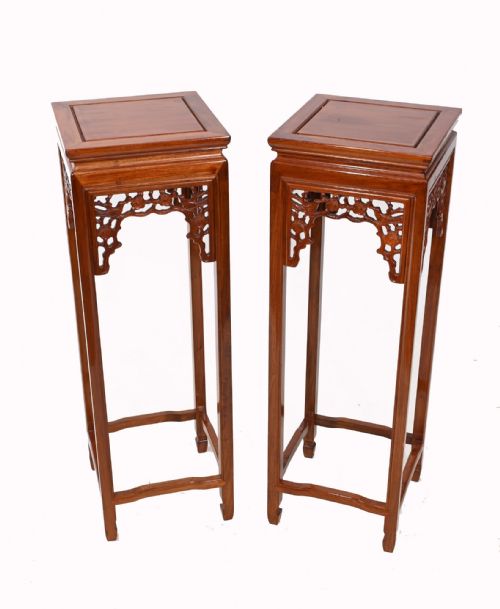
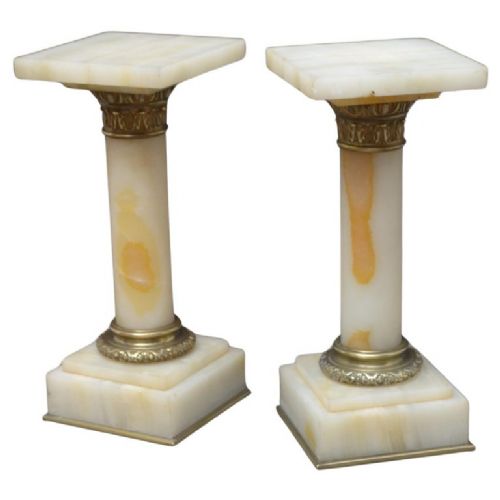
A pair of display pedestals comprises matched columns, torcheres and plant stands designed to support decorative objects, busts and urns. Buyers searching for a pair of display pedestals will encounter freestanding columns and plant stands originating from the nineteenth and early twentieth centuries.
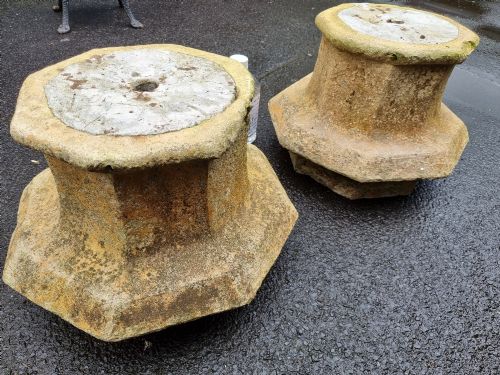
The selections span forms such as torcheres, garden plinths and column pedestals. Materials range from traditional mahogany and hardwood to marble, onyx and cast iron.
Examples appear across styles including Victorian, Edwardian, Neoclassical and Chinese Traditional. These matched supports function as architectural accents within domestic interiors and conservatories.
How they were made
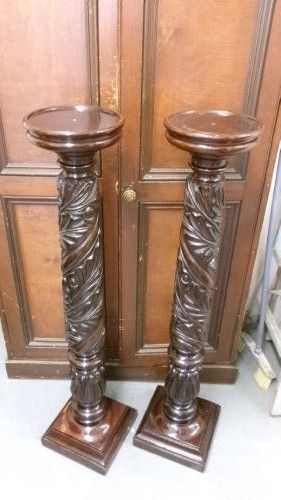
Construction relies heavily on natural materials like marble, onyx, mahogany and exotic hardwoods shaped into columns and plant stands. Artisans turned wood on lathes or carved stone and composite stone into classical and revival forms.
Metal elements such as brass, bronze and ormolu collars reinforce or decorate the stone and wooden structures. Surface finishes include paint, lacquer and intricate inlay work matching Sheraton and Aesthetic Movement traditions.
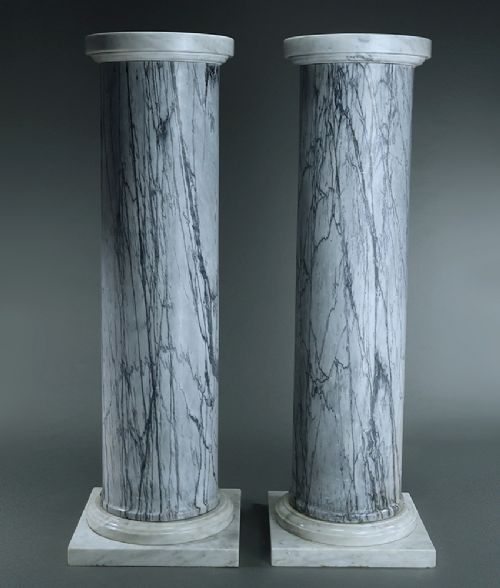
Listings feature nineteenth-century column forms in variegated marble, mahogany and Chinese hardwood.
What varies in quality
Quality differentiates standard utility stands from exhibition pieces through the choice of materials and the precision of carving. High-tier examples utilise highly figured marbles, amboyna, ormolu mounts and finely carved ebony rather than simple painted plaster or cast iron.
Proportion and stylistic execution separate ordinary production from pieces attributed to notable makers or specific revival movements. The crispness of carved detail on hardwood or marble columns dictates the standing of each pair.
Dunfermline Clay Company·George Smith·Thomas Hope·Gillows·Marguerite
The Pair of Display Pedestals Glossary
- Torchere
- A tall stand designed to support a lamp, candle or decorative urn. These slender columns often feature circular tops.
- Plinth
- A heavy rectangular or square block acting as the base for a column, statue or garden urn. They elevate displays from floor level.
- Ormolu
- Gilt bronze mounts applied to furniture and stone columns during the eighteenth and nineteenth centuries. This decorative technique adds metallic contrast to marble.
- Bardiglio
- A grey Italian marble characterised by darker veining and cloud-like patterns. It appears frequently in nineteenth-century column shafts.
- Alabastro egiziano
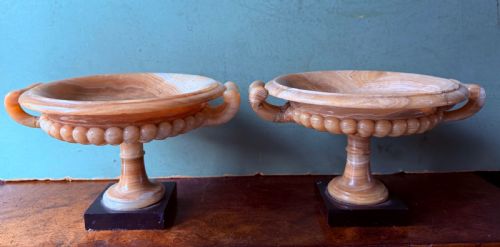
- A dense, highly figured stone used for Grand Tour souvenirs and decorative tazze. It provides striking visual banding on smaller-scale display pieces.
Pair of Display Pedestals: Frequently Asked Questions
Where should I place display pedestals?
These matched supports suit corners, hallways and flanking focal points within a principal room.
They elevate urns, sculptures and large plants to eye level, creating vertical interest.
How do I identify Victorian pedestals?
Victorian examples frequently utilise rich timbers like mahogany, satinwood and amboyna alongside heavy cast iron or carved stone.
Stylistic cues often reference Neoclassical revivals, Classical antiquity or the Aesthetic Movement.
What is the difference between a torchere and a column?
Torcheres are slender stands traditionally built to hold light sources or small decorative pieces above the floor.
Columns mimic architectural orders with capitals and bases, supporting heavier stone or bronze urns and busts.