

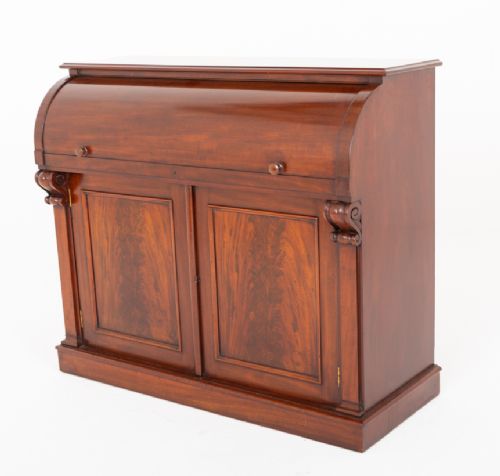
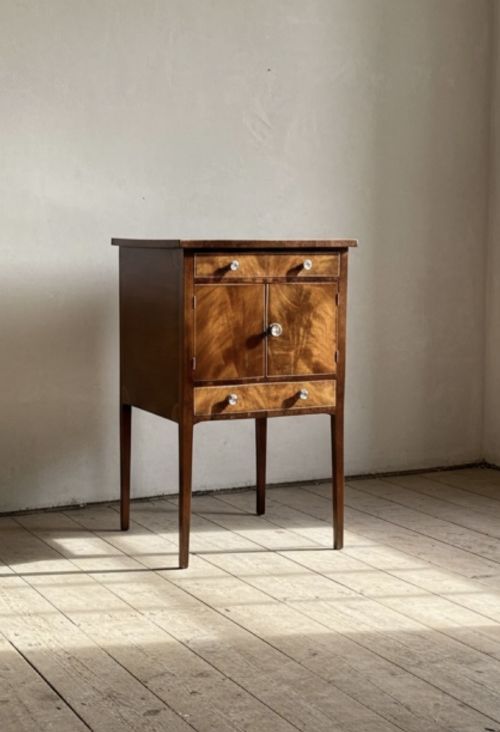
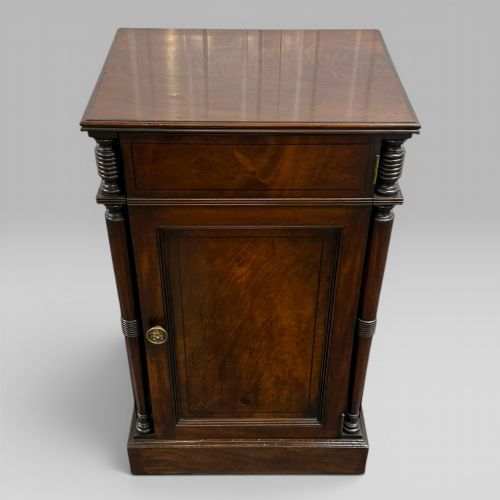
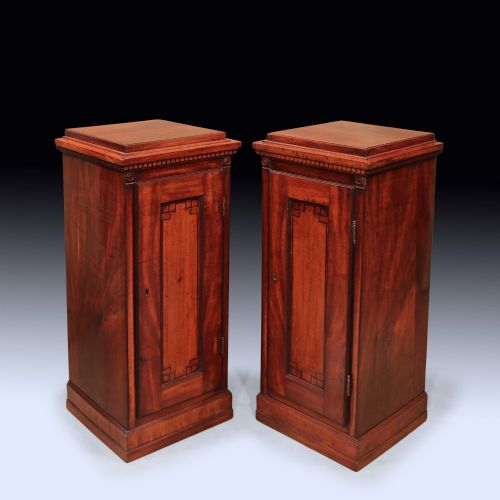
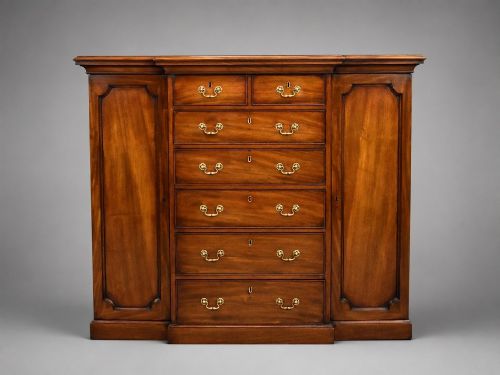


Flame Mahogany Pedestal Cabinet
A flame mahogany pedestal cabinet brings striking cabinet-making timbers and sturdy proportions into a room, serving as a practical bedside or side storage piece.
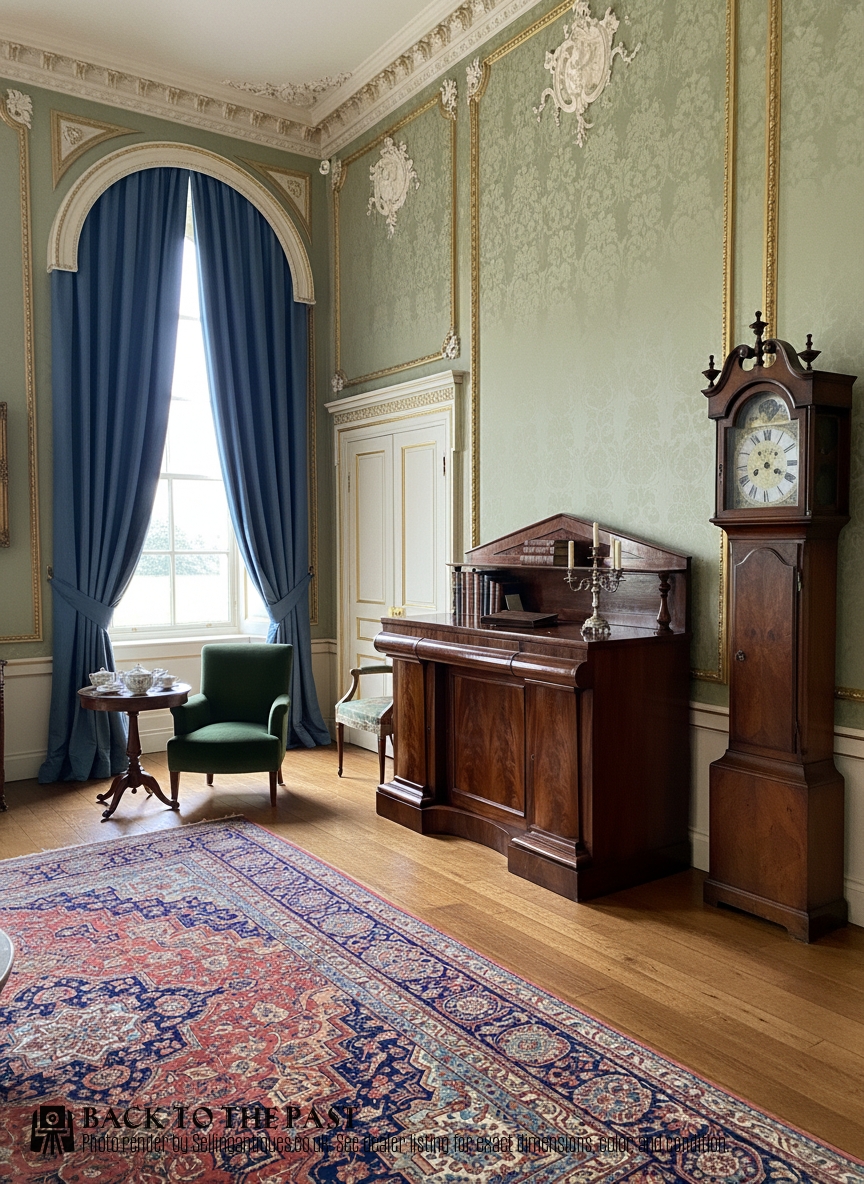
Flame Mahogany Pedestal Cabinet
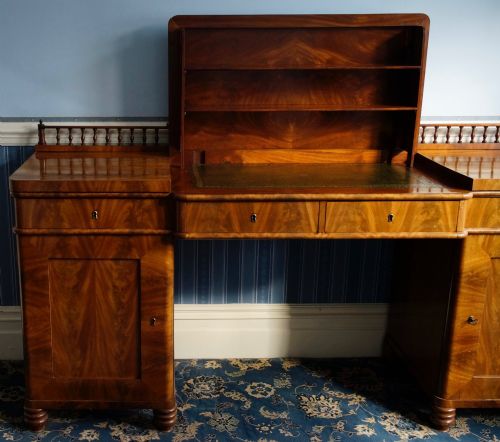
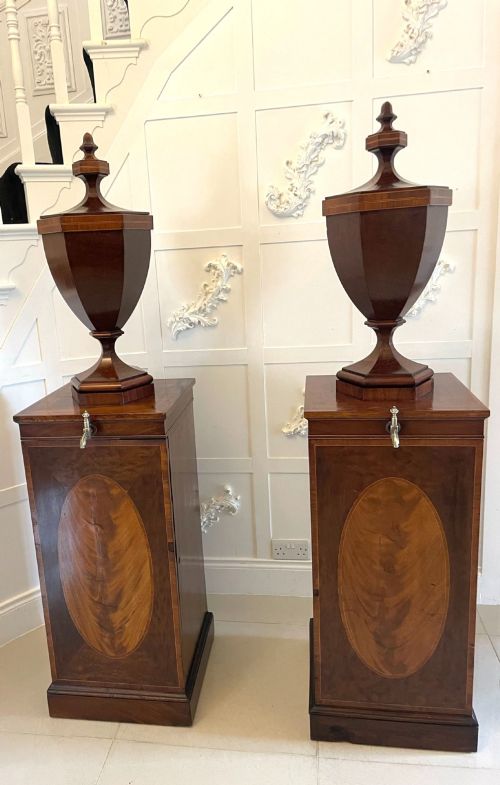
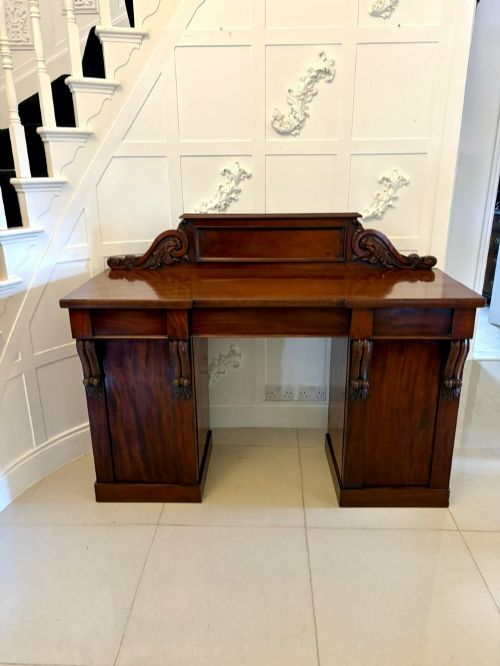
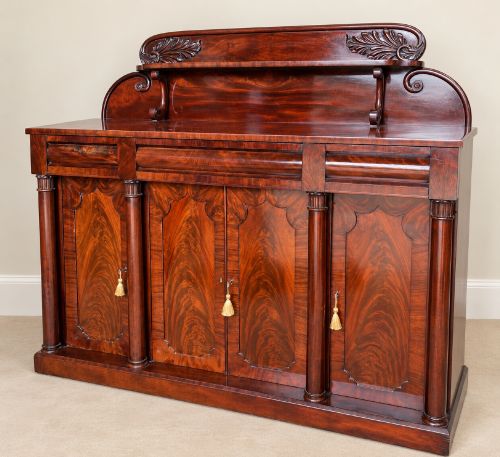
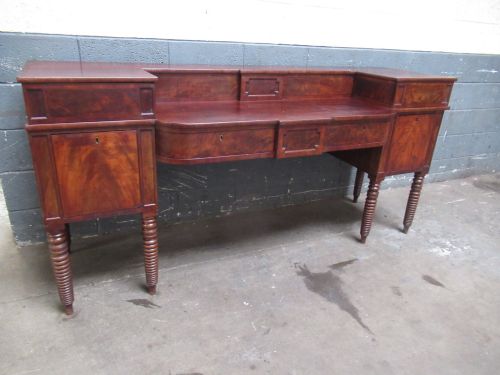
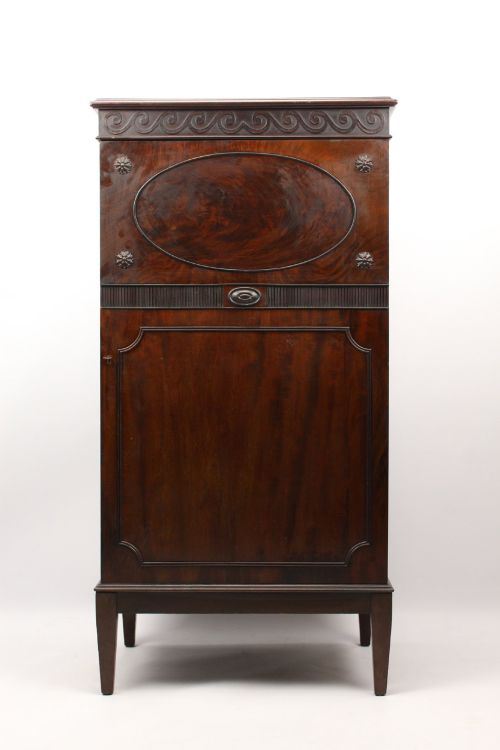
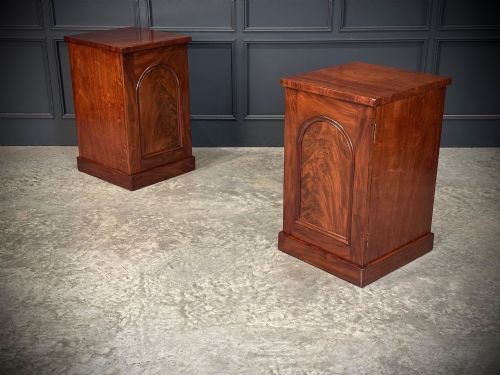
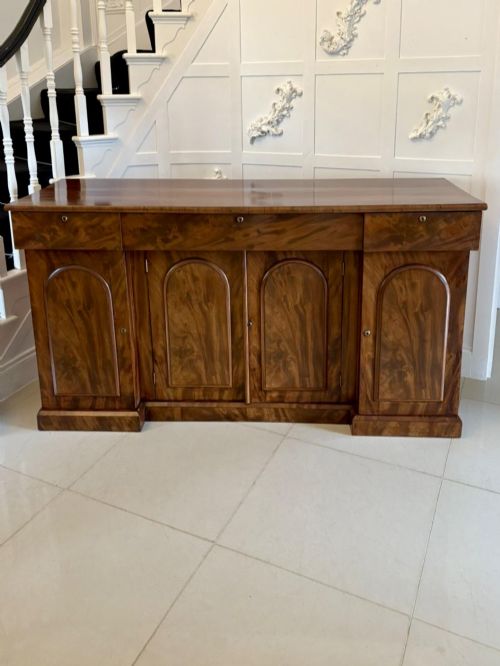
When searching for a flame mahogany pedestal cabinet, you encounter sturdy freestanding cupboards and bedside tables originating primarily across the nineteenth century, including the Regency, Victorian, and Georgian eras. These forms range from cylindrical bedside cupboards and single-door night tables to large pedestal sideboards and side cabinets.
The evidence shows these pieces appearing in various regional British iterations, such as Scottish designs, alongside classical styles like William IV and George III Neoclassical. Most examples on this page function as compact bedside storage or substantial dining room serving pieces.
How they were made
Cabinet-makers constructed these pieces using solid mahogany and flame mahogany veneer, selected for deep, swirling grain patterns across the primary surfaces. Workshops integrated secondary materials such as brass fittings, glass panels, marble tops, and leather inserts into specific forms like desks and sideboards.
Joinery methods depended on the period, ranging from traditional cabinet-making frames for bedside cupboards to substantial pedestals designed to support heavier sideboard tops and stage-backs.
Materials paired with mahogany across these listings include marble, leather, brass, and glass.
What varies in quality
The visual impact of a flame mahogany pedestal cabinet depends largely on the selection and matching of the veneer timbers across the door fronts and drawer panels. Superior examples display balanced, highly figured grain patterns that catch the light, whereas lesser pieces utilise plain timber or unevenly matched veneers.
Construction depth also separates standard utility pieces from exceptional items, with finer cabinets showing meticulous attention to internal drawer linings, original brass hardware, and precise architectural mouldings.
Denby & Spinks·Gillows
The Flame Mahogany Pedestal Cabinet Glossary
- Flame mahogany veneer
- A thin slice of timber cut from the fork of a mahogany tree to produce a distinctive, flickering flame-like grain pattern. This veneer forms the primary decorative surface on finer cabinets and sideboards.
- Pedestal cabinet
- A freestanding, column-like cupboard designed to stand beside a bed or function as part of a larger dining room sideboard arrangement. These pieces typically feature a single door enclosing interior shelving.
- Cylindrical bedside cupboard
- A round bedside cabinet shaped with a curved door following the circular footprint of the piece. Regency makers favoured this smooth form for bedrooms.
- Sideboard
- A long dining room furniture piece used for serving food and storing tableware, frequently incorporating pedestal cupboards at either end. Grander nineteenth-century versions often include stage-backs or extensive carving.
Flame Mahogany Pedestal Cabinet: Frequently Asked Questions
Where did people put pedestal cabinets?
Bedside cabinets and smaller pedestal cupboards generally stood next to sleeping quarters to hold chamber items or books within easy reach. Larger pedestal sideboards anchored dining rooms for serving food.
Pairs of these cabinets frequently flanked larger furniture items or doorways to create balanced symmetrical layouts in period interiors.
Are these cabinets from the Regency era?
Several pieces date directly to the Regency period and carry characteristic classical proportions, clean lines, and subtle stringing or ebony inlay. Other examples belong to the later Victorian, Edwardian, or Georgian eras.
Stylistic markers like cylindrical bodies, brass mounts, and specific bracket feet help distinguish Regency designs from later nineteenth-century revivals.
What is a pedestal sideboard?
A pedestal sideboard combines a long central serving surface with built-in cupboards or pedestals at either end. These grand dining room pieces emerged in various forms during the Georgian and Victorian periods.
Some exceptional variants incorporated wine coolers or plate-warmers directly into the pedestal bases.