
19th Century Pedestal Pair
A 19th century pedestal pair brings symmetry and architectural structure to an interior through matching supports, urns, or tables.
19th Century Pedestal Pair
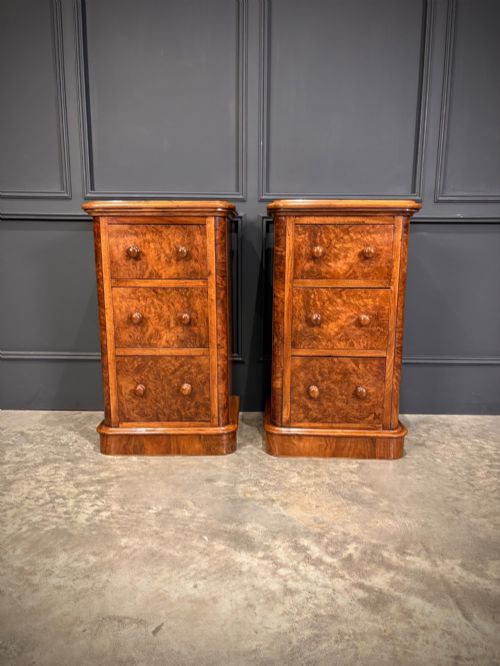
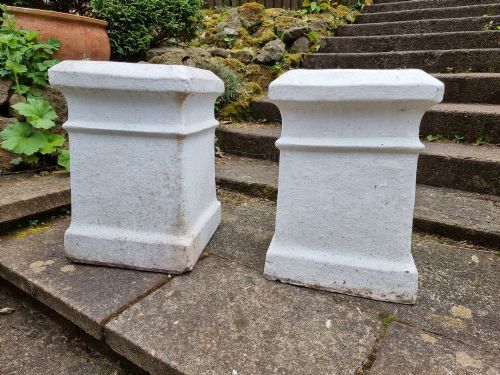
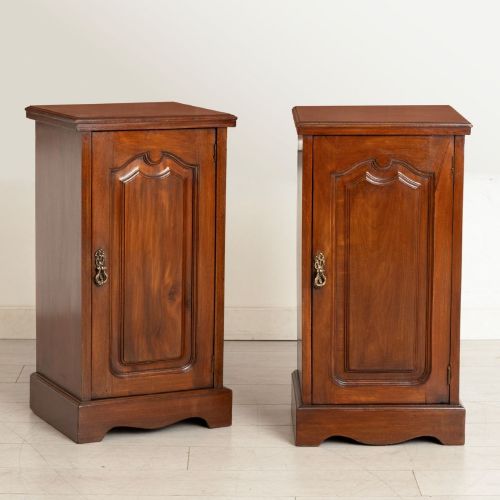
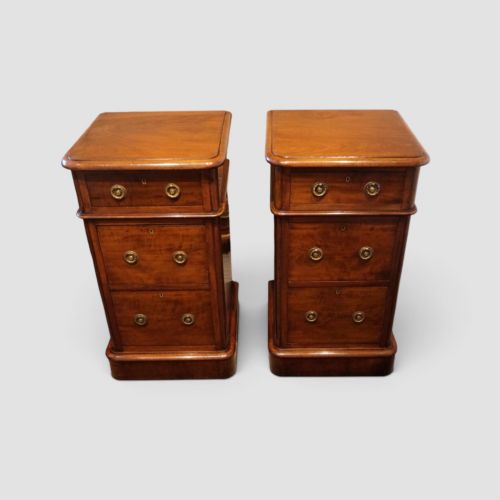
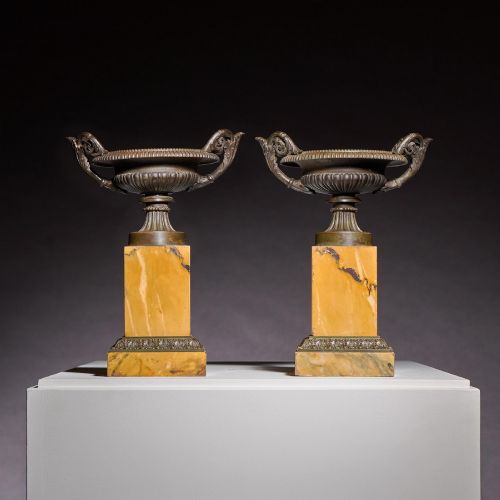
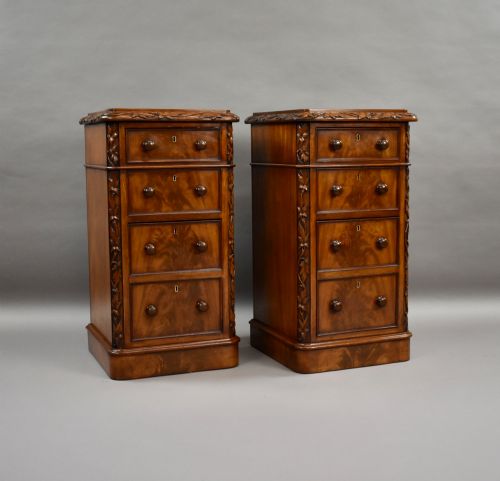
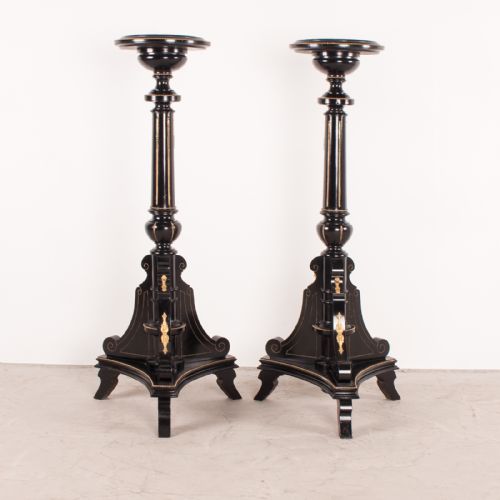
A 19th century pedestal pair spans multiple domestic and decorative functions, appearing as matching bedside chests, side tables, plant stands, and architectural columns. Buyers seeking this phrase encounter items designed to elevate display pieces or serve functional storage roles within a room.
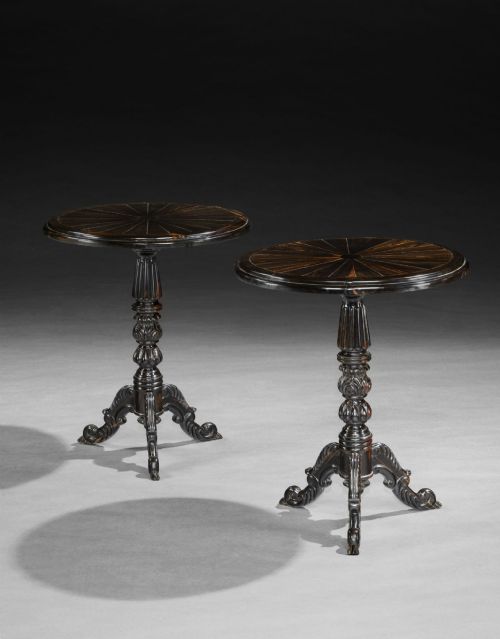
Mahogany and walnut predominate among the wooden forms, alongside ebonised finishes and exotic timbers like rosewood or satinwood. These timber items often take the form of bedside cabinets, cupboards, or tripod tables reflecting Victorian and William IV tastes.
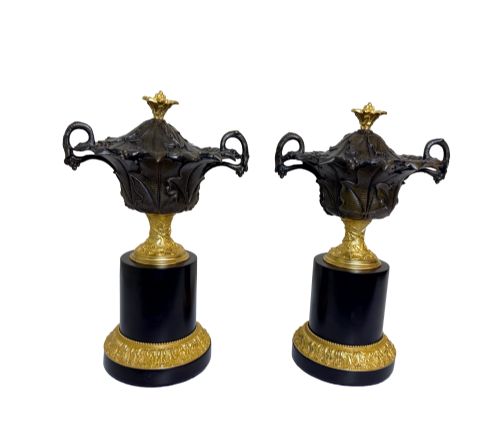
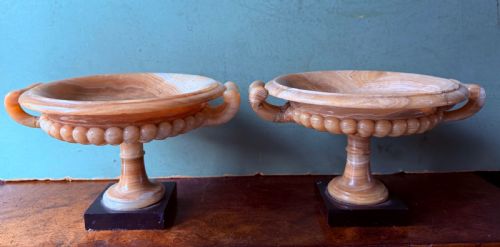
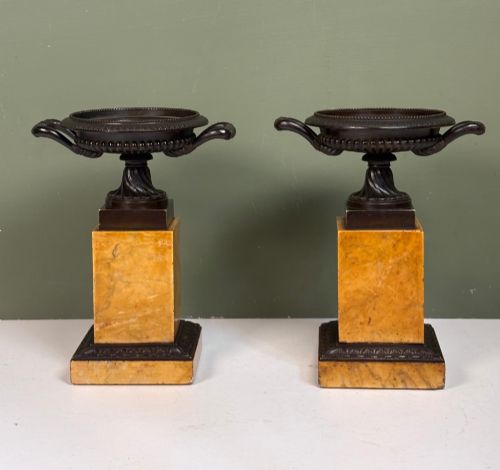
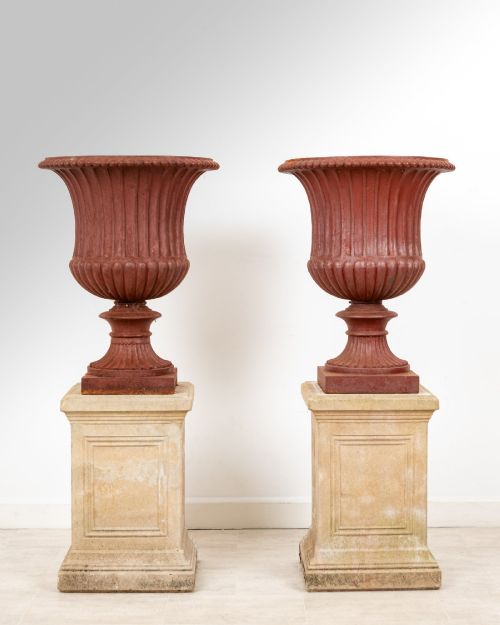
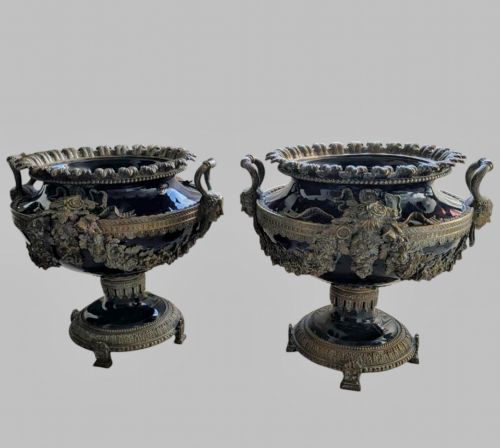
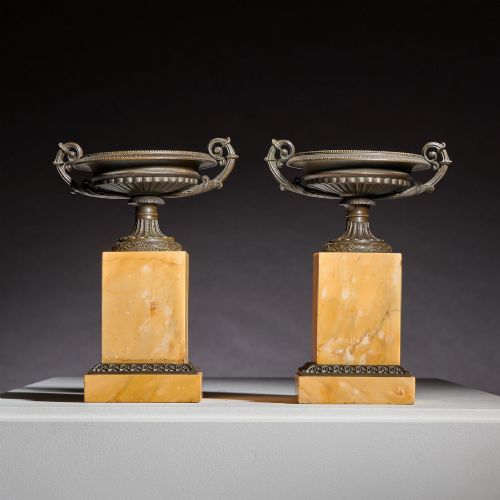
Decorative variations include bronze and marble tazzas, campana urns, and Grand Tour souvenirs mounted on stone blocks. French Empire and Neoclassical influences shape many of the gilt bronze, ormolu, and ceramic jardinières found in this category.
Materials and construction methods
Cabinet makers utilised dense hardwoods such as mahogany, rosewood, and walnut, often applying marquetry inlay or veneers to carcass structures. Drawer units and bedside chests rely on traditional joinery methods suited to heavy domestic use.
Foundries cast bronze, brass, iron, and ormolu mounts to create decorative urns, figures, and torcheres. These metallic elements frequently combine with turned marble columns, alabaster, or carved stone bases.
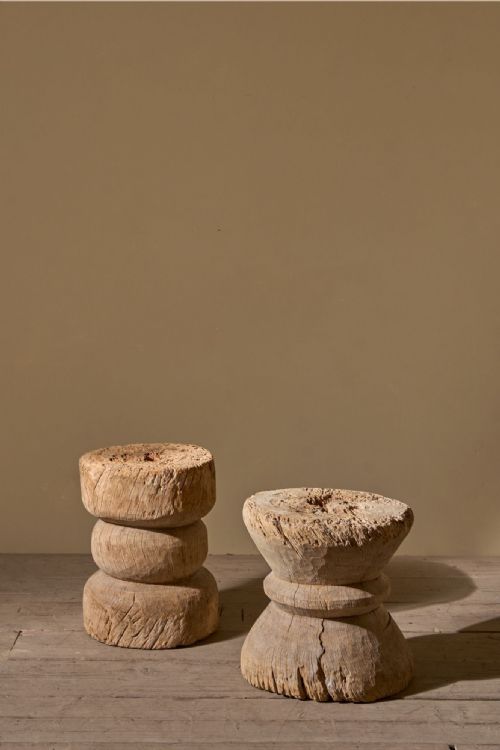
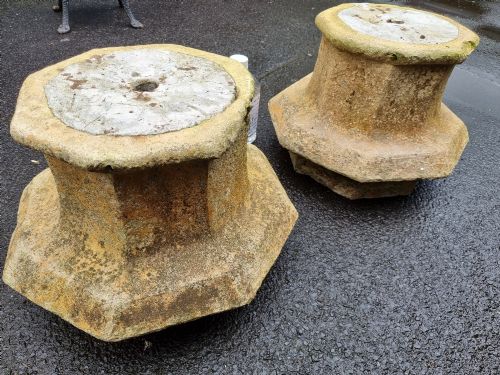
Carvers shaped softer woods and stone into architectural plinths, tripod tables, and Gothic revival garden planters. Lacquer work and surface polishing completed pieces originating from diverse regional workshops.
Among the stately mahogany and marble, a pair of lacquer elephants from Kashmir and carved lacquer figures demonstrate nineteenth-century exoticism at its most charming.
Distinguishing quality across the range
The refinement of cast bronze mounts and the choice of native versus exotic timbers dictate the upper tier of execution. Finer examples display crisp chisel work on ormolu and carefully selected wood grains matching across both halves of the pair.
Proportion and architectural balance separate standard utility items from high-style decorative commissions. Pieces influenced by specific design sources exhibit more intricate carving and harmonious integration between stone, metal, and wood.
Helena Wolfsohn·Valentino Besarel·Jean Antoine Houdon
The 19th Century Pedestal Pair Glossary
- Tazza
- A shallow cup or saucer on a pedestal base, frequently created in bronze, marble, or ceramic during the nineteenth century. These items were often collected as souvenirs on the Grand Tour.
- Campana urn
- A bell-shaped vessel utilised as a decorative garden ornament or interior display piece. They appear in cast iron, terracotta, and bronze.
- Ormolu
- Gilded bronze mounts applied to furniture and decorative objects. The technique involves mercury gilding on a bronze base.
- Torchere
- A tall stand designed to support a candelabrum, lamp, or sculptural vase. They are constructed from carved wood, ebonised timber, or bronze.
- Marquetry
- The art of applying decorative pieces of veneer to a structure to form intricate patterns. This technique frequently decorates table tops and cabinet doors.
19th Century Pedestal Pair: Frequently Asked Questions
What is a 19th century pedestal pair used for?
These matched objects serve to display sculptures, urns, and lamps while introducing balanced symmetry to a room layout. Many surviving examples also function as bedside storage units or decorative plant stands.
Their dual nature allows them to act as architectural statements in hallways or practical furniture pieces within a bedroom setting.
How do I distinguish between Regency and Victorian styles?
Regency designs often draw inspiration from classical Greek and Roman motifs, featuring clean lines, rosewood, and brass inlay. Victorian pieces tend to be heavier in proportion, frequently utilising mahogany, walnut, and more ornate carved details.
Examining the underlying timber and structural ornamentation helps clarify the transition between these nineteenth-century periods.
Where were Grand Tour pedestals made?
Grand Tour items were typically produced in Italy, particularly in workshops around Rome and Florence catering to travelling collectors. These souvenirs imitated classical antiquities using local materials like Sienna marble and alabaster.
British and European visitors acquired them to display classical education and refined taste within domestic interiors.
How should I care for wooden and marble surfaces?
Wooden elements require regular dusting with a dry cloth and occasional treatment with appropriate wax to nourish the timber. Marble and stone surfaces benefit from gentle wiping with a damp cloth without harsh chemical cleaners.
Protecting the finishes from direct sunlight and excessive moisture preserves the patina built up over a century or more.