


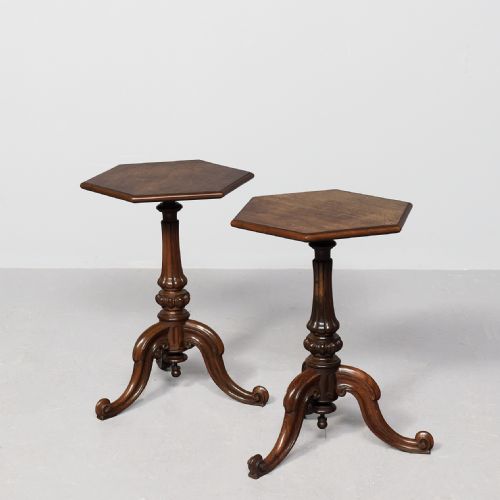
William IV Pedestals
William iv pedestals are substantial nineteenth-century timber supports designed to elevate classical urns, sculptures, or display pieces within a formal interior.
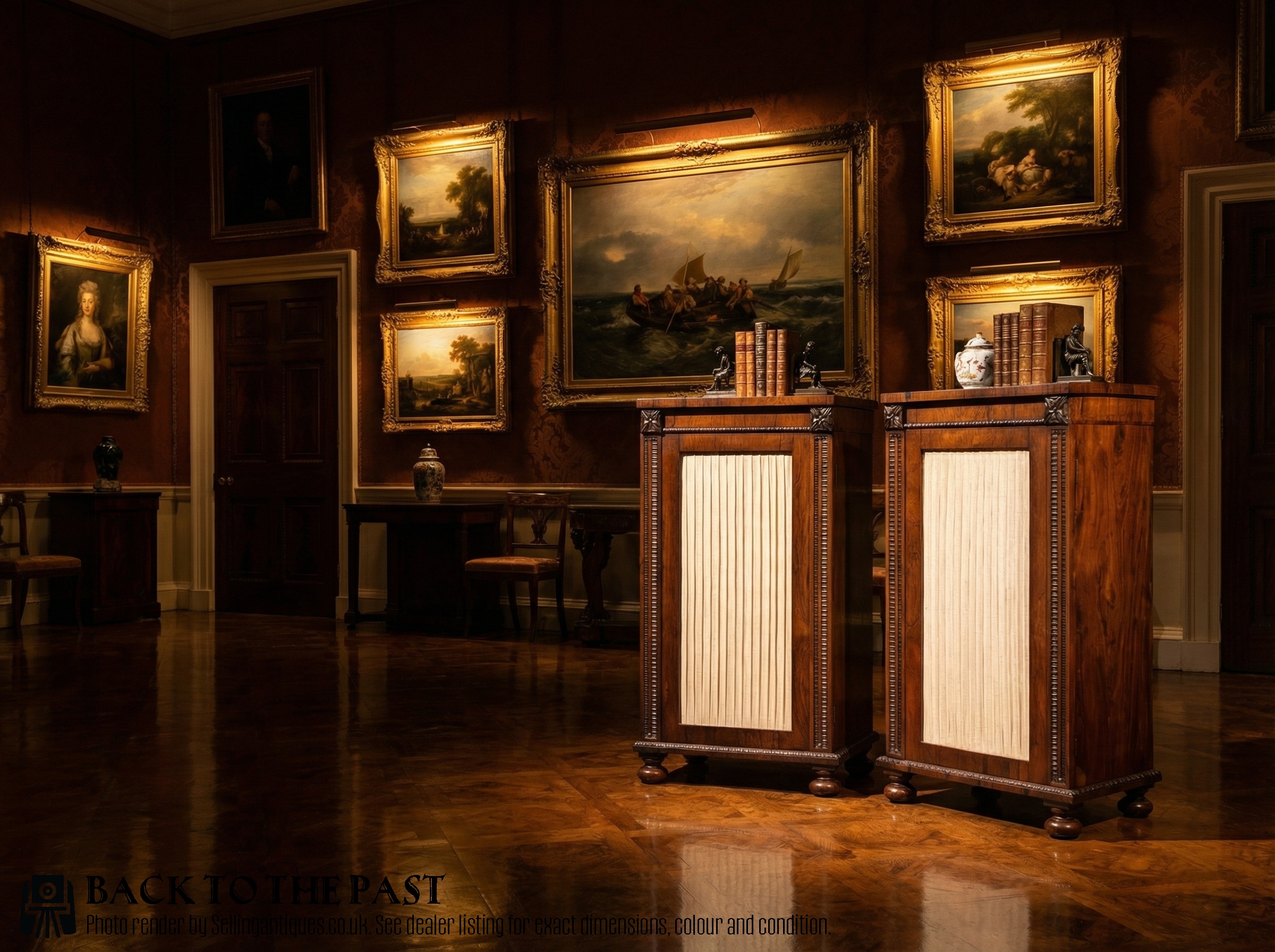
William IV Pedestals
When searching for william iv pedestals, collectors examine heavy architectural supports typically originating from the nineteenth century. These forms display the robust classical proportions and rich timber grains characteristic of the period.
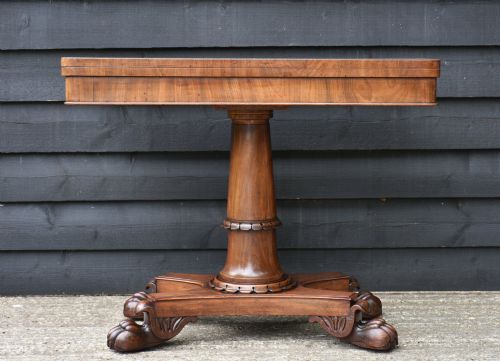
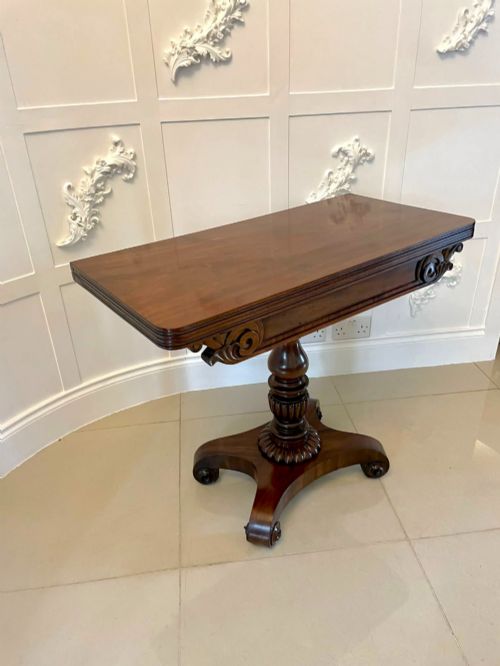
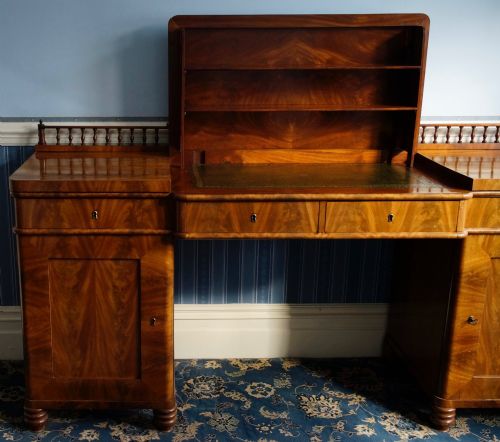
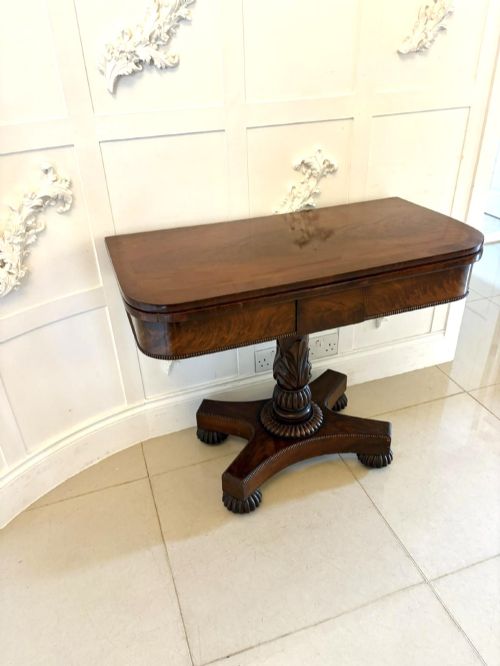
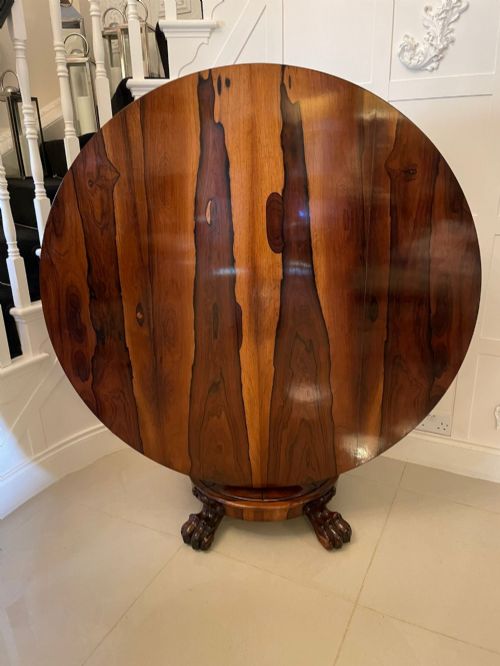
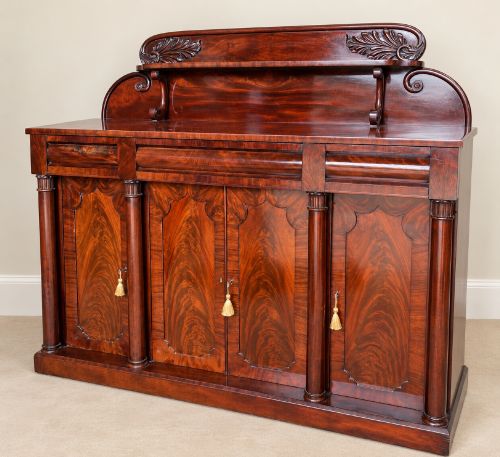
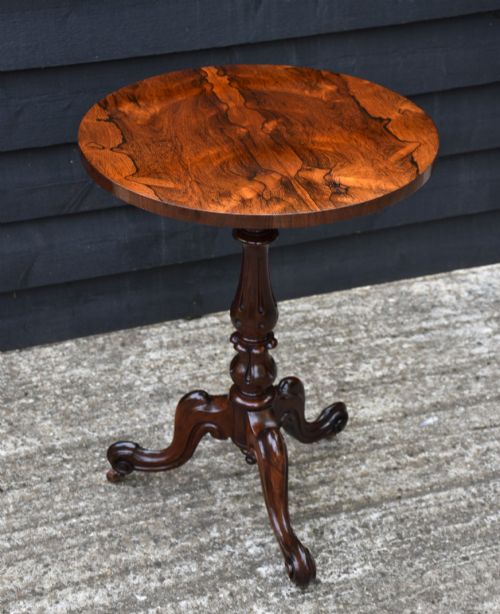
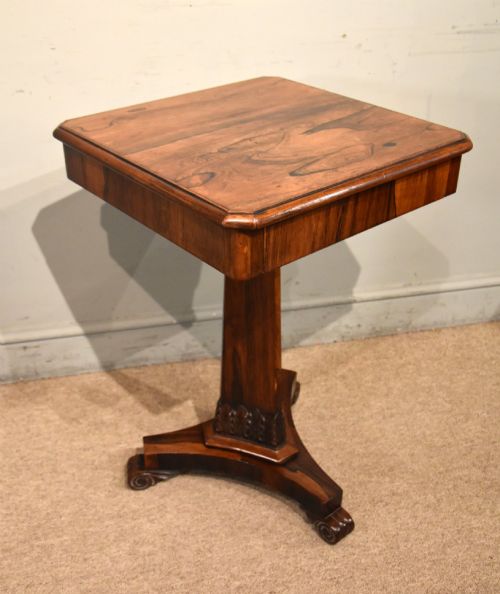
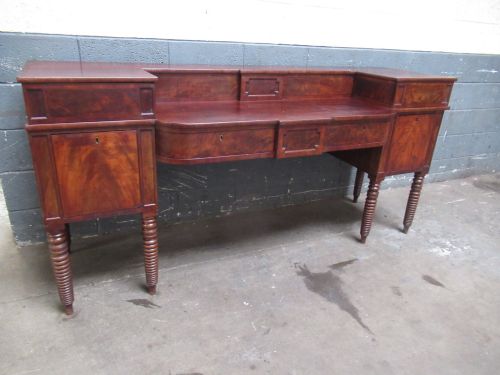
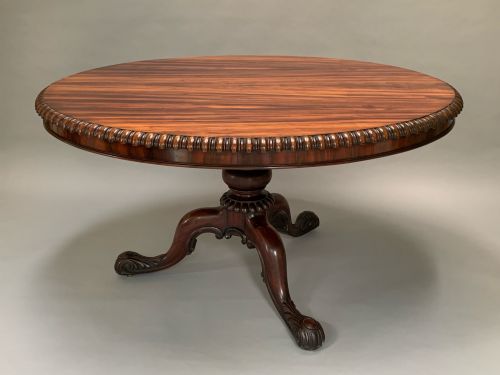
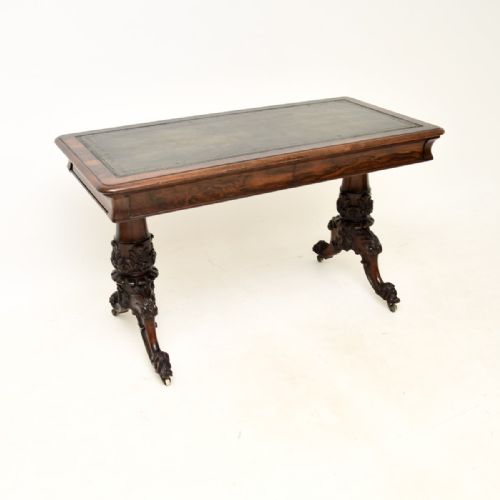
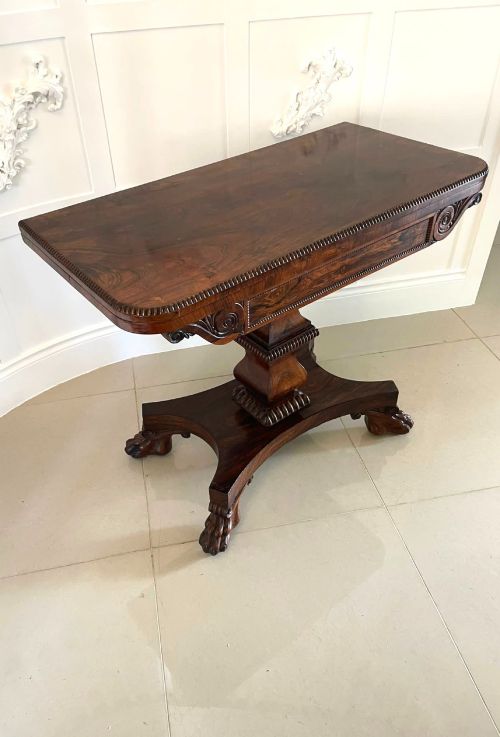
The pieces appearing on this page encompass related foundational furniture such as sideboards, library tables, and dining tables resting on central columnar or triform bases. While strict pedestals appear rarely, the broader category shares the heavy pedestaled understructures and dense cabinet timbers typical of the era.
Makers of the period utilised dense native and imported woods to construct these heavy supports, applying classical revival motifs such as carved scrollwork and bold mouldings. These items functioned to anchor large rooms and provide stable display platforms for decorative objects.
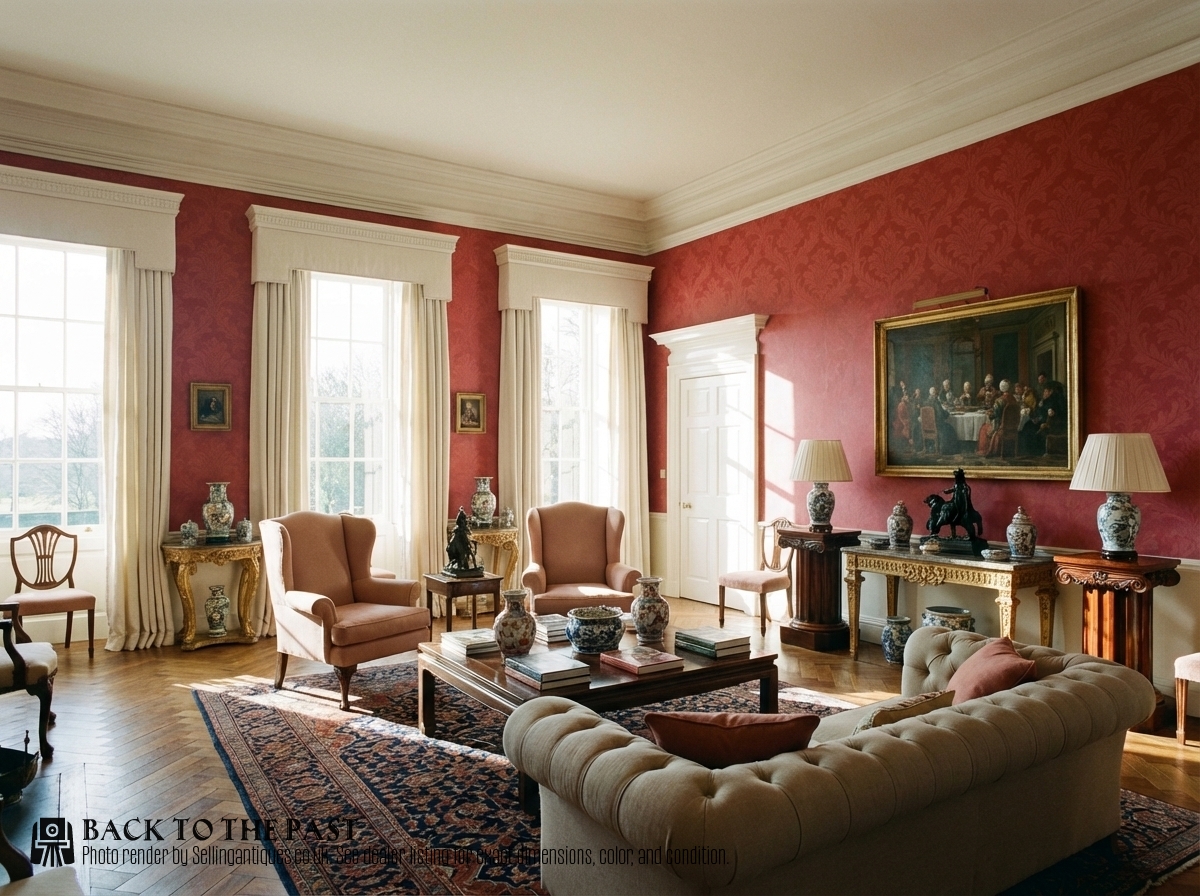
Materials and Construction
Cabinetmakers constructed these pieces primarily from solid mahogany and rosewood, often applying figured mahogany veneer or flame mahogany veneer to large flat surfaces to accentuate the grain pattern. Oak also appears as a secondary timber for internal framing and drawer construction.
The structural integrity relies on substantial central pillars, triform bases, and heavy plinths. Workshops utilised traditional joinery reinforced by heavy internal framing to support the significant weight of stone tops, large dining surfaces, or heavy display items.
Some nineteenth-century tables feature concealed compartments within their massive pedestals, originally intended for storing spirits or sewing equipment.
Evaluating Quality and Detail
Quality separates ordinary workshop output from exceptional cabinet work through the selection of timber veneers. Superior examples display symmetrical flame mahogany or richly figured rosewood chosen specifically for visual impact across prominent surfaces.
Carved ornament defines the upper tier of production. Crisp, deep relief work on scroll feet, capitals, and central pedestals demonstrates superior hand-tool proficiency compared to soft or mechanical replication found on standard commercial items.
Gillows·Mein of Kelso·Williams and Gibton
The William IV Pedestals Glossary
- Flame mahogany veneer
- A distinct timber slicing method that produces a distinctive flame-like pattern across cabinet doors and table tops. This decorative veneer was prized during the nineteenth century for formal reception rooms.
- Triform base
- A three-sided pedestal foot arrangement commonly found beneath circular dining and breakfast tables. This configuration provides stability while offering a sculptural silhouette.
- Teapoy
- A small stand or box fitted with internal compartments for storing loose tea leaves. These containers often rest on single central pedestals matching larger library and occasional tables.
- Torchere
- A tall, slender stand designed to support a candle or light fixture. These vertical supports share the turned pillar construction seen on larger pedestals.
- Library table
- A large freestanding writing table finished on all sides for placement in the centre of a room. These forms frequently incorporate heavy pedestal bases with concealed castors.
William IV Pedestals: Frequently Asked Questions
What is a william iv pedestal used for?
These supports serve as structural bases for heavy tabletops or as independent display plinths for decorative bronzes, urns, and sculptural busts.
In period interiors, they occupied prominent positions in hallways, libraries, and formal dining rooms to elevate objects of interest to eye level.
How do I distinguish william iv from regency pieces?
William iv items generally display heavier, more robust proportions than earlier regency pieces, incorporating bolder carved details and denser timber selections.
Where regency design favoured restrained classical lines, the subsequent style embraced heavier scrolling and more pronounced architectural mouldings.
Are these pedestals suitable for daily use?
The substantial mass and solid timber construction of these pieces provide exceptional stability for modern domestic environments.
Their durable nineteenth-century finishes withstand normal household placement while maintaining the formal appearance intended by their original makers.