


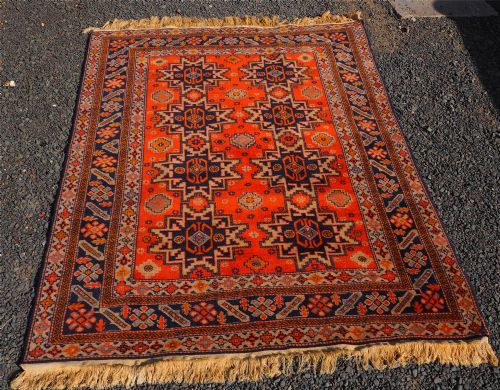
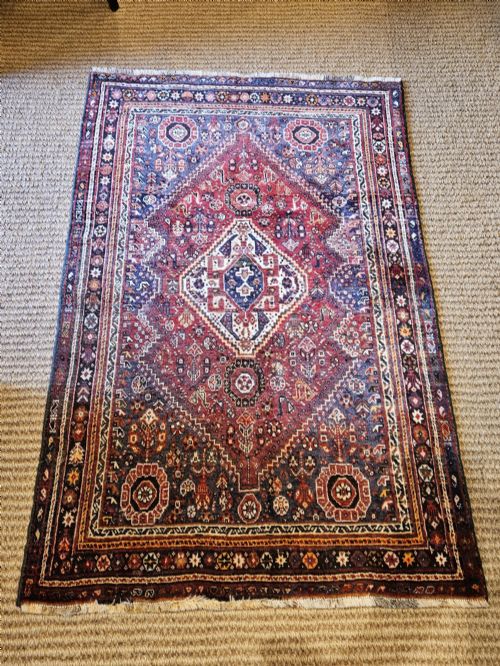
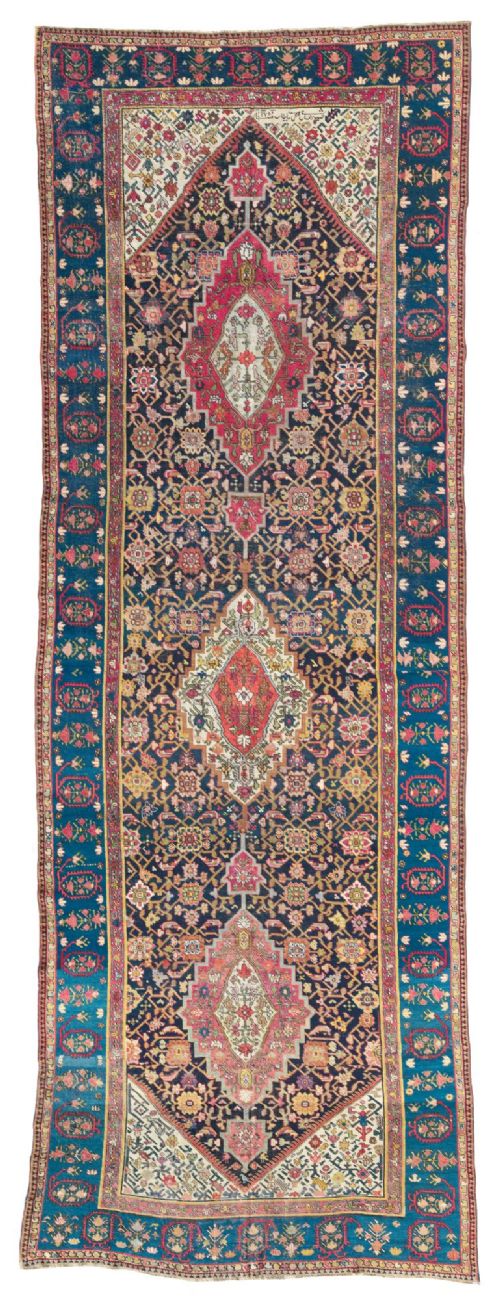
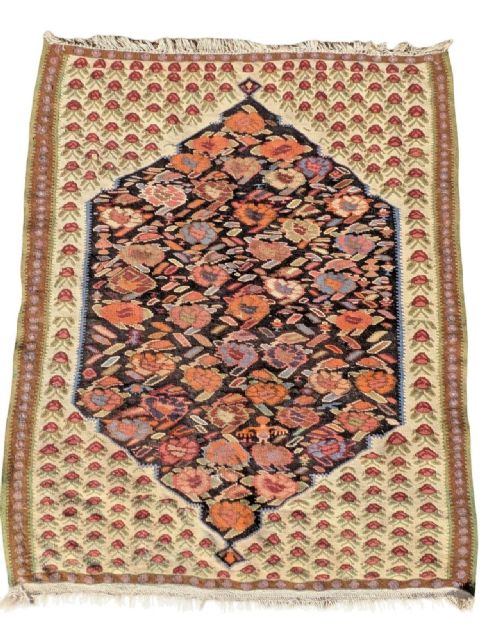
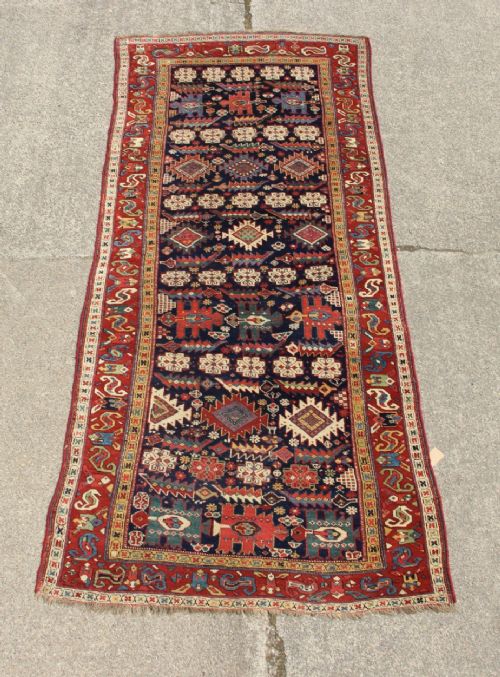
Navy Wool Carpet Runner
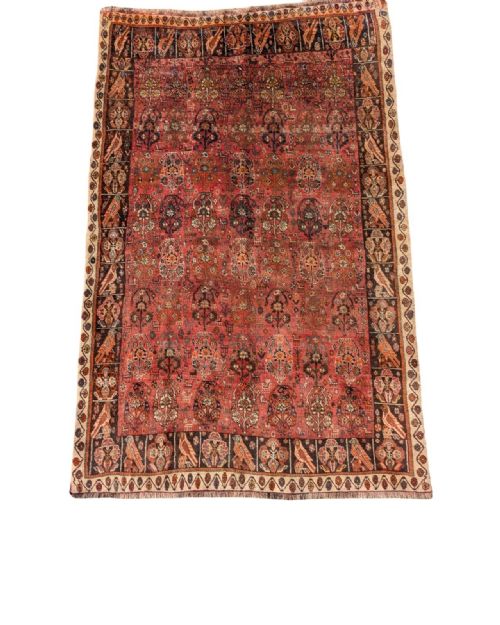
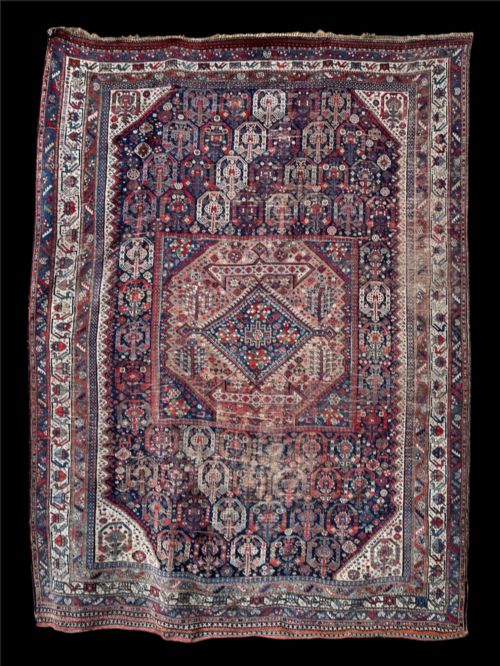
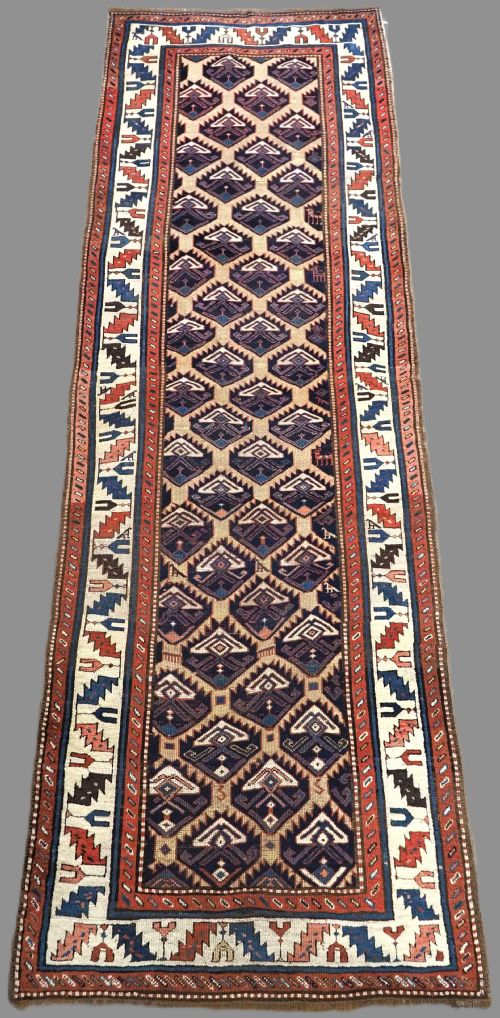
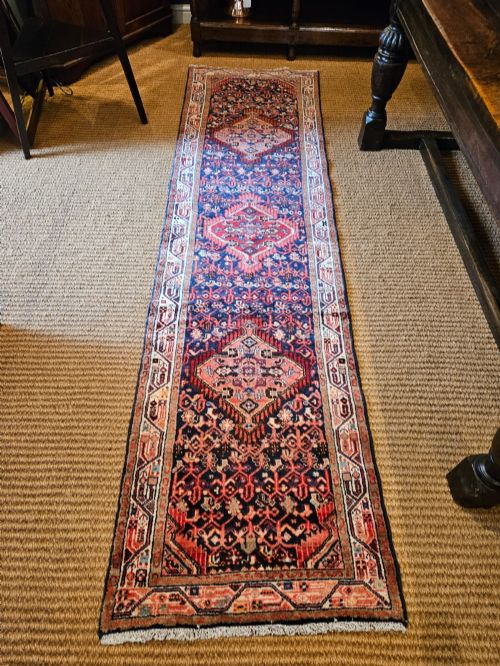
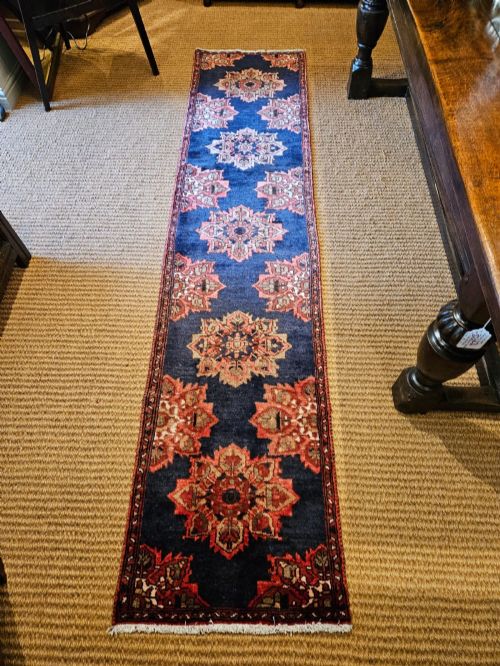
A navy wool carpet runner anchors a long hallway with deep indigo pile and traditional motifs.
Navy Wool Carpet Runner
A navy wool carpet runner provides a durable floor covering suited for narrow passageways, corridors and hallways. When you search for a navy wool carpet runner, you meet long rectangular floor coverings designed to handle high foot traffic while defining narrow spaces.
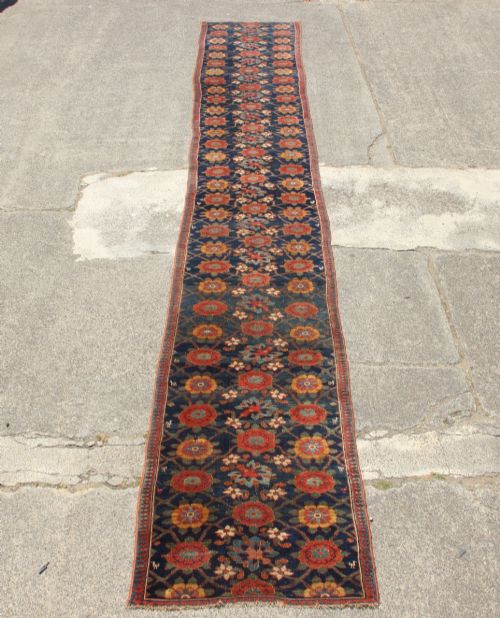
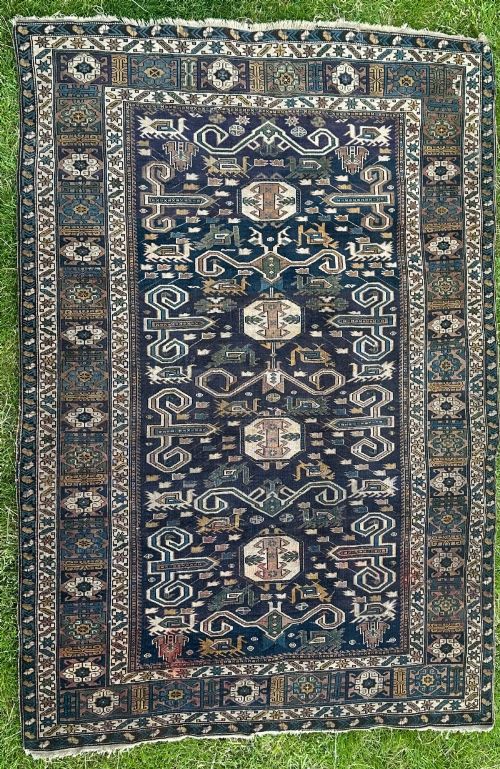
The pieces available on this page draw from traditional Persian, Caucasian and Kurdish tribal weaving traditions spanning the nineteenth and early twentieth centuries. These runners often feature intricate geometric medallions, lattice patterns or all-over floral designs woven in deep blue tones.
Makers from various regional confederacies and village workshops produced these elongated formats using hand-knotted techniques. The resulting textiles bring historical depth and robust construction to modern domestic interiors.
Materials and Construction
Weavers constructed these runners primarily using durable wool and hand-spun wool for the pile, often supported by cotton foundations. The natural lanolin present in traditional wool gives the pile resilience against daily wear and maintains colour depth over decades.
The hand-knotting technique secures individual tufts of wool around warp threads, creating a dense and flexible fabric that withstands constant footfall. Vegetable and natural dye sources yielded the rich navy and indigo hues seen across these historical examples.
Listings feature traditional wool runners and carpets originating from Persian, Caucasian and Kurdish tribal workshops dating from eighteen-eighty to nineteen-thirty.
Assessing Quality and Execution
Knot density and the precision of the geometric or floral layout separate finer village and nomadic weavings from standard utility pieces. Higher knot counts permit sharper definition in intricate lattice and boteh motifs.
The consistency of the hand-spun wool and the stability of the foundational weave determine how well the runner retains its shape along extended dimensions. Uniform pile wear and skilful execution of traditional borders indicate superior workshop or tribal craftsmanship.
The Navy Wool Carpet Runner Glossary
- Runner
- A long, narrow carpet format specifically proportioned for corridors, staircases and hallways. These pieces guide movement through domestic architecture.
- Pile
- The vertical or slanted loops of yarn that form the usable surface of a carpet. In these pieces, the pile consists of hand-knotted wool.
- Kelleh
- A large, elongated rug format traditionally longer than a standard rug but broader than a corridor runner. This form suits spacious hallways and large rooms.
- Boteh
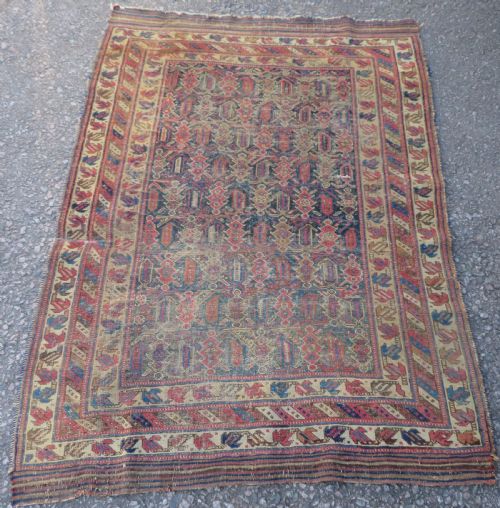
- A stylised floral or almond-shaped motif representing a cypress tree or flower bud. This ancient Persian design appears frequently in traditional village carpets.
- Mina Khani
- A repeating pattern of floral heads connected by a delicate lattice network. It forms an orderly grid across the field of the textile.
Navy Wool Carpet Runner: Frequently Asked Questions
Where should I place a runner?
A navy wool carpet runner fits naturally in corridors, entryways and narrow hallways where long expanses of flooring require warmth and protection.
The elongated format directs movement through the home while adding texture and traditional pattern to transition spaces.
How do I care for wool carpets?
Regular gentle vacuuming without a rotating brush roll helps remove embedded dust from the wool pile without damaging the knots.
Professional cleaning suited for antique textiles preserves the natural lanolin and protects the historical dyes.
What periods do these pieces come from?
The inventory spans the nineteenth century through the early decades of the twentieth century, including pieces woven around eighteen-eighty to nineteen-thirty.
These dates reflect traditional village and tribal production periods across Persian and Caucasian regions.
Are these runners made by hand?
Traditional artisans knotted each piece by hand using wool and cotton materials rather than industrial looms.
Hand-knotting results in a flexible, dense textile structure unique to historical weaving practices.