







Red Floral Wool Runner
A red floral wool runner brings warmth and pattern to a long hallway, offering durable floor coverings woven across Persia, the Caucasus, and Kashmir.
Red Floral Wool Runner
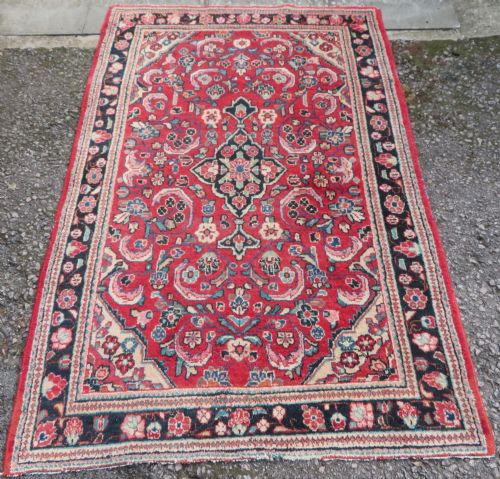
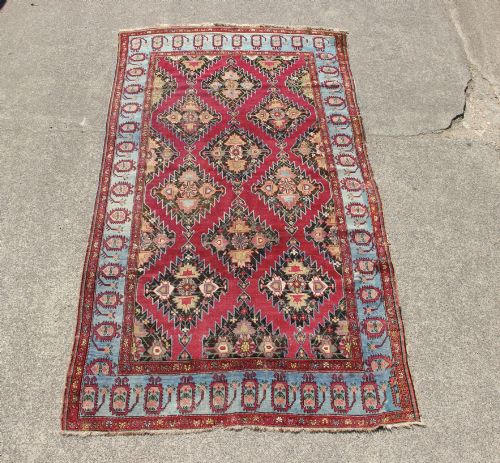
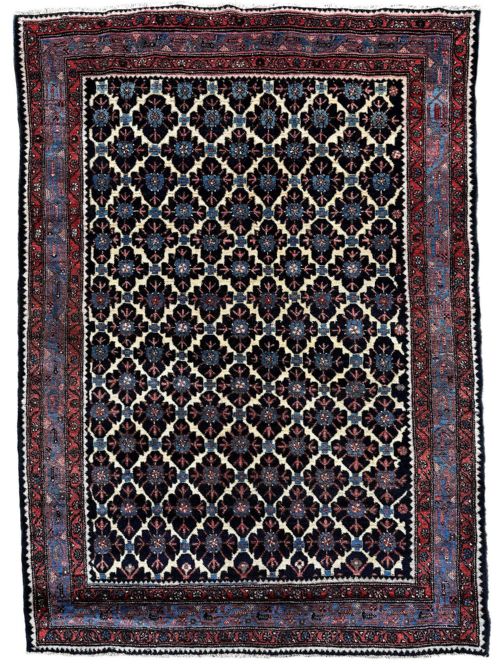
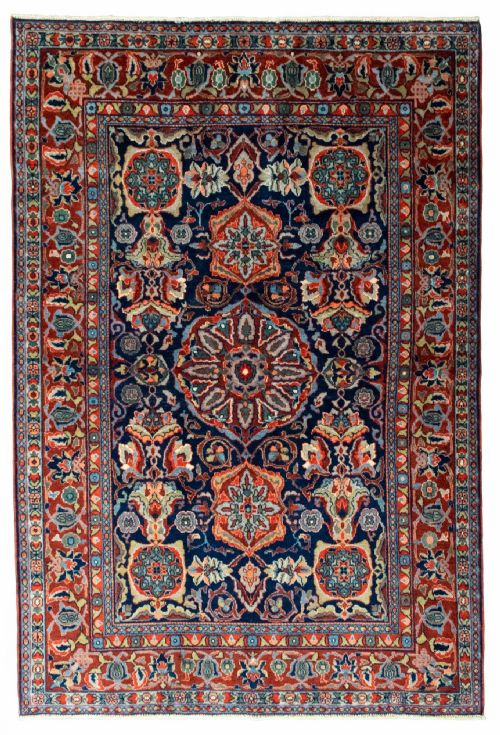
A red floral wool runner serves narrow spaces such as corridors and passageways, displaying traditional botanical motifs and repeating garden patterns. Buyers searching for a red floral wool runner encounter long, narrow formats designed specifically for hallways and high-traffic circulation areas.
The pieces originating from Persian and Caucasian weaving traditions date mainly from the late nineteenth century through the early decades of the twentieth century. Village and city workshops throughout these regions produced varied formats, ranging from narrow Sarouk runners to Gendje and Heriz examples.
Weavers utilised natural wool piles set against crimson and madder grounds, framing floral lattices, vases, and shrub designs. These textiles combine practical floor protection with intricate regional artistry developed over generations.
Materials and construction
The foundation of a red floral wool runner typically relies on sturdy cotton or wool warps and wefts, providing structural stability for the dense pile. Artisans knotted hand-spun wool, occasionally incorporating kork wool or selective silk highlights, to build resilient surfaces that withstand daily passage.
Dyers employed natural substances to achieve rich red tones, deriving crimson and terracotta hues from madder root and other local flora. Skilled hands tied symmetrical or asymmetrical knots across the foundation before clipping the pile to an even height.
Early weavers frequently tucked tiny talismanic motifs into the borders to ward off misfortune, rewarding close inspection with hidden details.
Factors of distinction
Knot density and structural tightness dictate the crispness of the botanical details and the overall longevity of the textile. Finer knotting allows intricate floral lattices and subtle colour gradations to render with sharp clarity.
The selection of wool grade influences the tactile softness and the depth of the red dye absorption. Superior fleeces retain lanolin, which imparts a natural sheen and helps the pile resist wear over decades of use.
The Red Floral Wool Runner Glossary
- Runner
- A long, narrow carpet format intended for hallways, stairs, and corridors. This shape balances linear architectural spaces with continuous patterns.
- Pile
- The vertical or slanted loops of yarn that form the usable surface of a carpet. Hand-knotted piles provide cushioning and display the woven design.
- Knot density
- The count of individual knots per square unit, indicating the precision of the work. Higher counts usually permit more intricate floral drawing.
- Warp
- The stationary longitudinal threads stretched across a loom before weaving begins. These parallel threads carry the tension of the finished textile.
- Weft
- The horizontal threads passed alternately over and under the warp threads to lock the knots in place. Together with the warp, they form the structural grid.
Red Floral Wool Runner: Frequently Asked Questions
Where should I place a runner?
These narrow textiles suit hallways, corridors, and galley kitchens where floor space is elongated. Their proportions guide movement through a home while protecting timber or stone flooring.
Ensure you measure the passage width and length carefully, leaving a uniform border of exposed floor around the edges of the carpet.
How do I care for wool runners?
Vacuum the surface gently using a suction-only attachment without a rotating brush bar to protect the delicate pile and fringe ends. Rotate the piece periodically to distribute foot traffic evenly across the length.
Address spills immediately by blotting with a clean, dry cloth rather than rubbing. Professional cleaning should be undertaken by specialists familiar with antique textiles.
How are different regional styles identified?
Regional attribution relies on examining the palette, border arrangements, and specific botanical motifs woven into the field. Persian workshops often feature curvilinear vine scrolls and central medallions, whereas Caucasian pieces tend towards geometric precision and stylized floral lattices.
Structure, including the twist of the yarn and the colour of the selvedges, provides further clues to a carpet's geographical origin.
Are these runners durable enough for daily use?
Hand-knotted wool textiles woven with sturdy cotton foundations are inherently resilient and built to handle regular foot traffic. The natural elasticity and lanolin content of traditional wool help the fibres recover from compression.
Using a quality underlay beneath the textile prevents slipping and reduces friction between the floorboards and the foundation.