


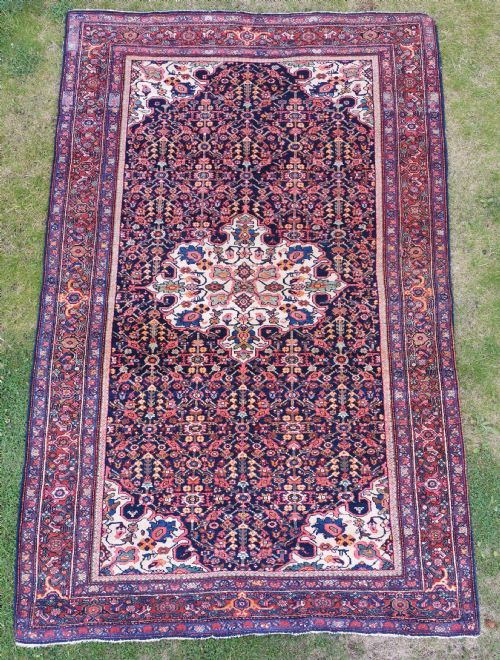
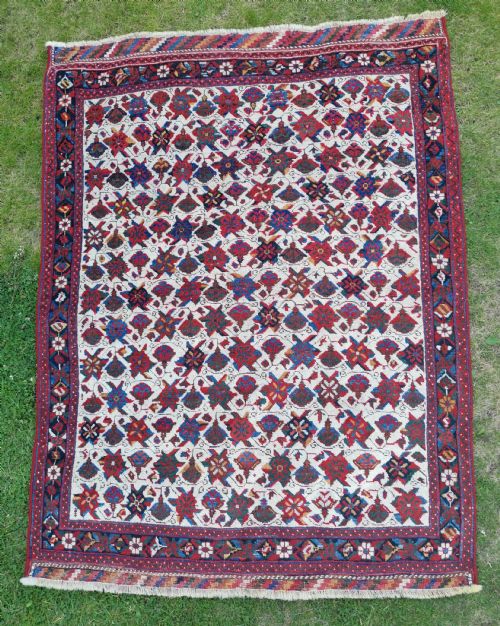
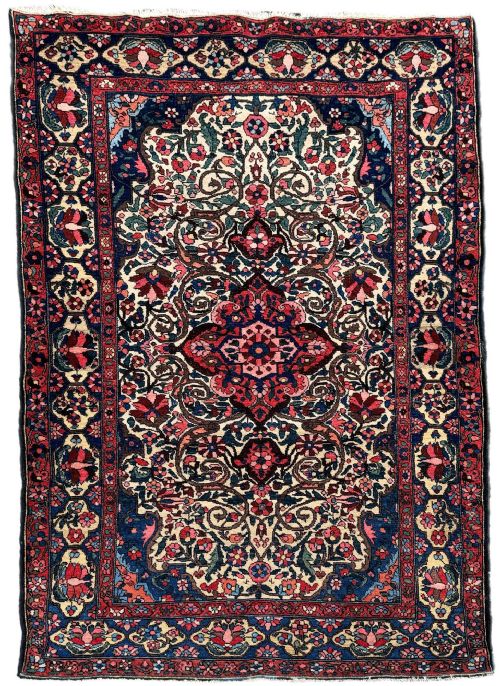
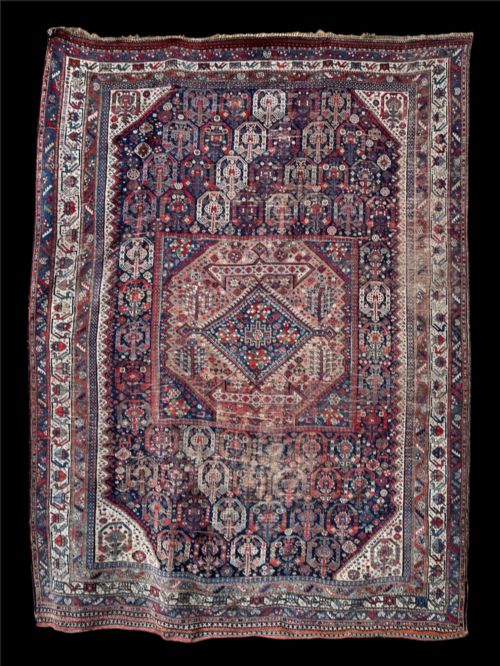
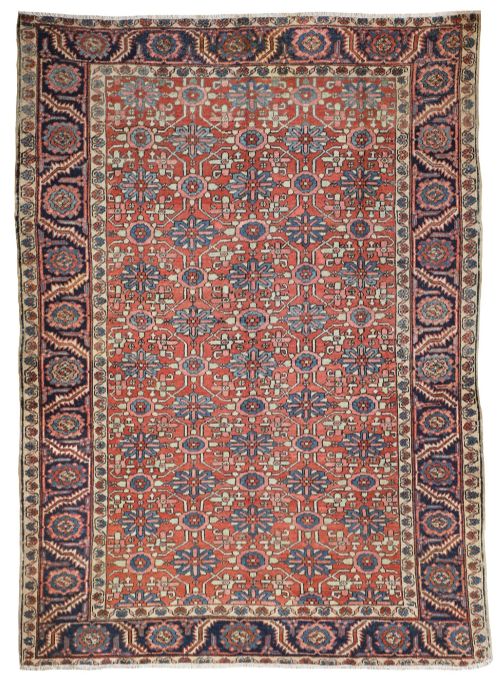
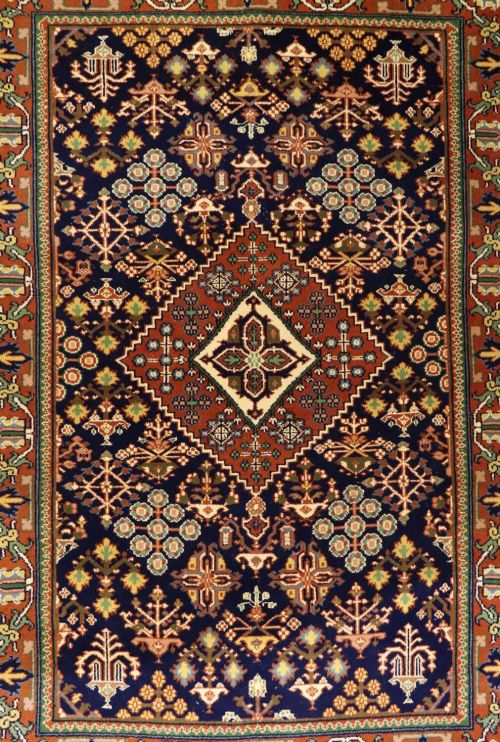
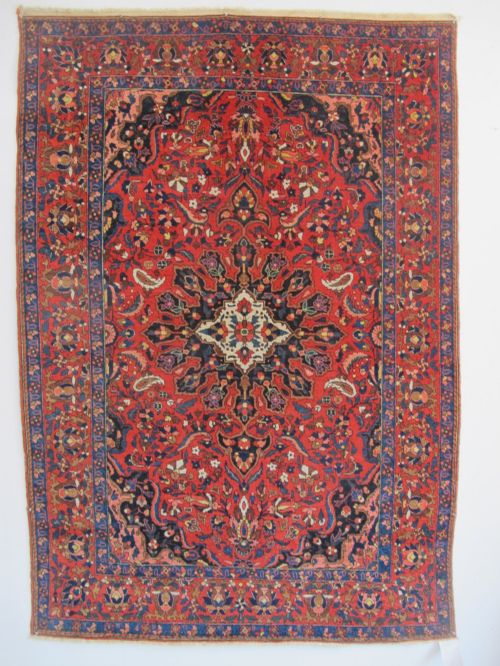
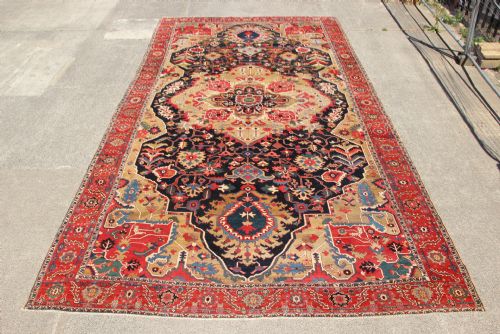
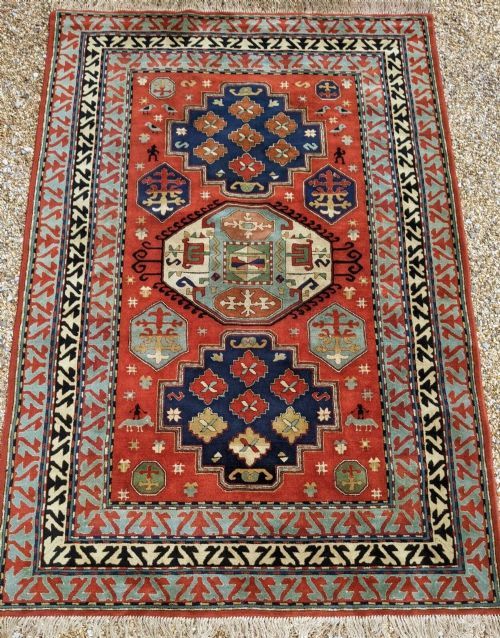
Navy Blue Area Carpet
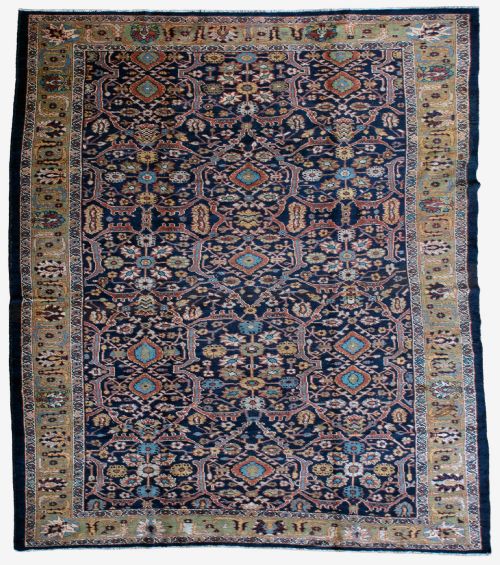
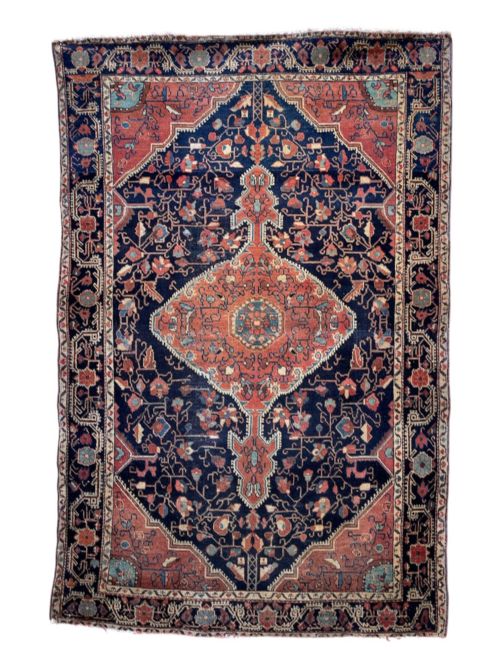
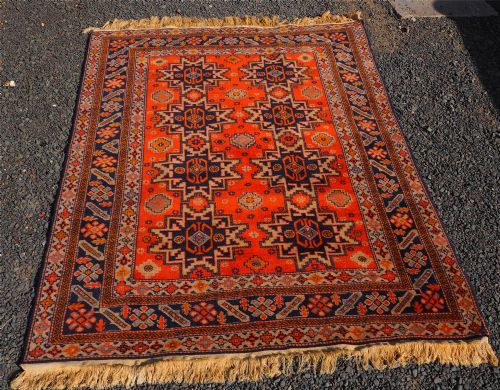
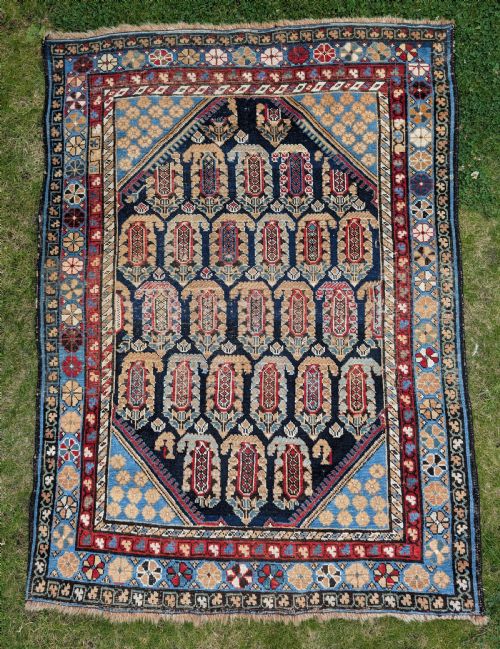
These navy blue area carpet choices bring rich indigo tones and intricate patterns to a floor, grounding a room with historical depth.
Navy Blue Area Carpet
A navy blue area carpet encompasses large floor coverings originating from Persian and Caucasian weaving traditions, spanning periods from the nineteenth century through the mid twentieth century. Buyers seek these pieces to introduce deep indigo hues and traditional motifs into residential spaces.
The selections on this page appear as rugs and carpets in various dimensions, utilising wool and cotton materials. Persian styles such as Heriz, Afshar, Khamseh, and Jozan predominate alongside Caucasian tribal variants.
Makers and weavers from different regional confederacies and towns produced distinct geometric and medallion designs. Each piece reflects the specific village or tribal aesthetic of its origin.
What Varies in Quality
Knot density and precision of the geometric or medallion layout distinguish the finer examples from simpler tribal pieces. Tighter knotting allows for sharper pattern definition and greater resilience under foot traffic.
The nuance and depth of the indigo and navy blue dye work also separate standard rugs from exceptional ones. Subtle variations in tone indicate skilled dye extraction and application by the weaver.
Several carpets preserve the exact footprint of nomadic looms where weavers sat cross-legged, singing patterns into reality.
The Navy Blue Area Carpet Glossary
- Warp
- The vertical threads stretched on a loom that form the structural foundation of a carpet. Weavers tie knots around these parallel strands.
- Weft
- The horizontal threads passed across the warp strands to lock the knots in place. This material secures the rows of pile.
- Pile
- The upright cut or looped yarn fibres that create the soft upper surface of the carpet. Wool forms this tactile layer.
- Medallion
- A prominent central ornamental design motif placed in the middle of the carpet field. Many Persian styles organise their overall layout around this focal shape.
Navy Blue Area Carpet: Frequently Asked Questions
Where were these carpets made?
These carpets originate from various regions across Persia and the Caucasus, including Heriz, Afshar, Khamseh, and Caucasian tribal areas.
Local weavers produced them in villages, nomadic camps, and town workshops using traditional regional designs.
What materials do they use?
The pieces utilise wool, hand-spun wool, and cotton across their pile and structural foundations.
Wool typically forms the soft upper pile while cotton provides a strong base for the warp and weft.
How do I care for an old carpet?
Protect the textile by placing it in low moisture areas and using a suitable underlay to prevent sliding.
Vacuum gently without a rotating brush bar to keep the wool pile intact.
How can I identify the style?
Styles are recognised through specific design characteristics such as geometric medallions, all-over patterns, or tribal motifs.
Differences in border arrangements and colour palettes also help distinguish Heriz, Caucasian, and Afshar types.