


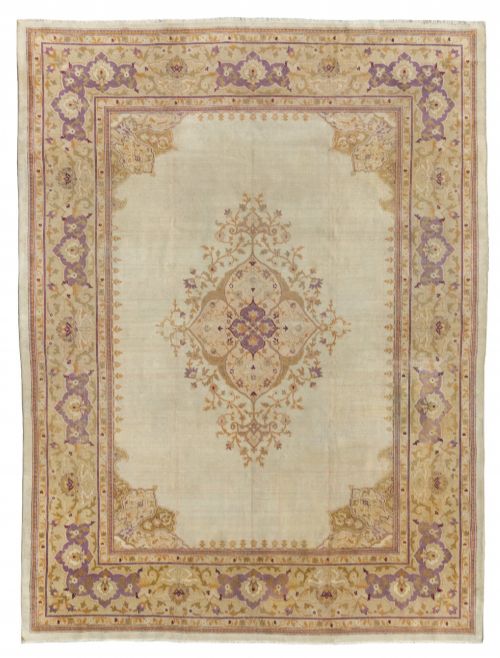

Large Woven Carpet
A large woven carpet brings a floor to life through centuries of dye work and pattern.
Large Woven Carpet
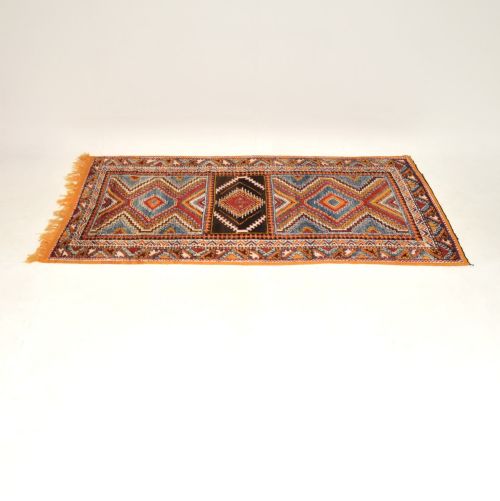
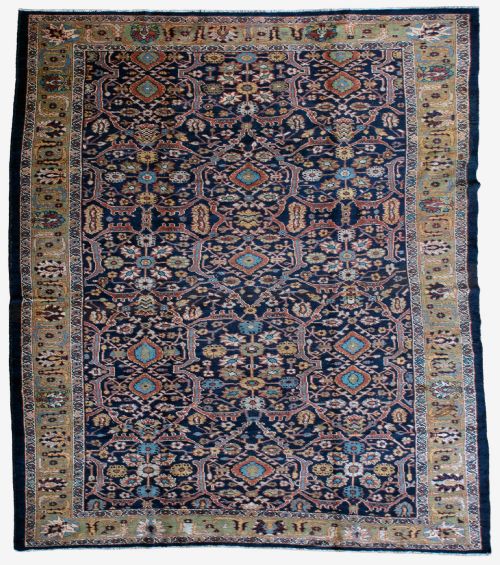
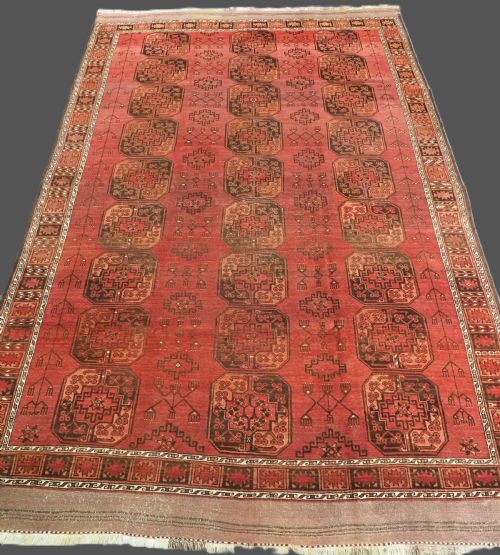
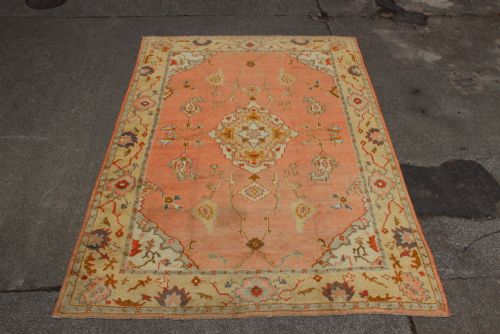
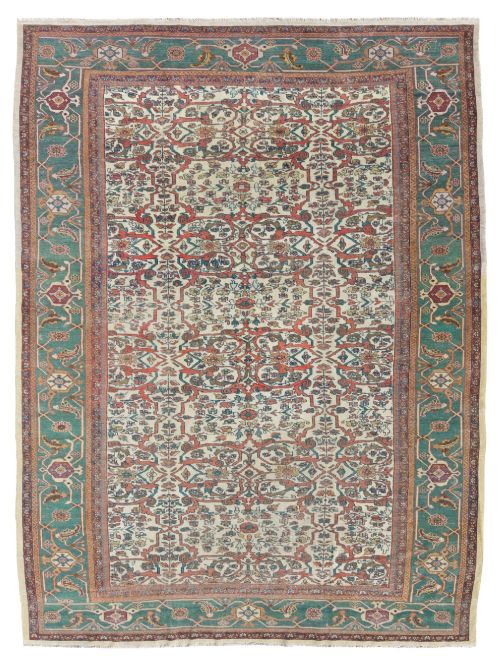
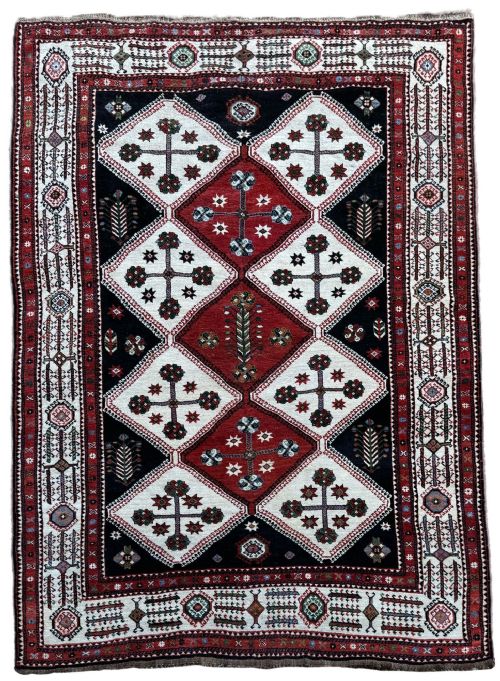
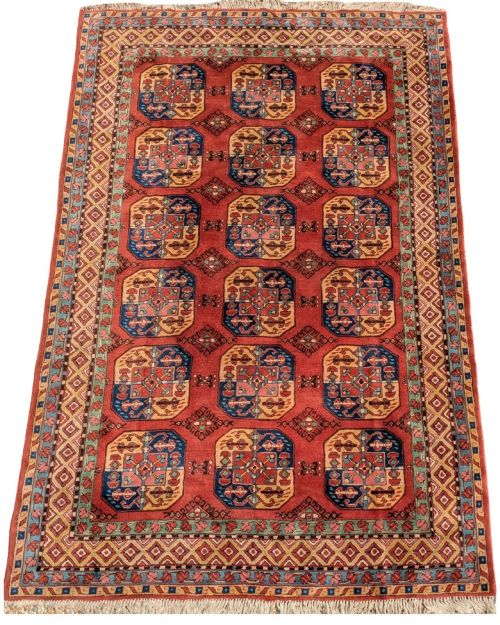
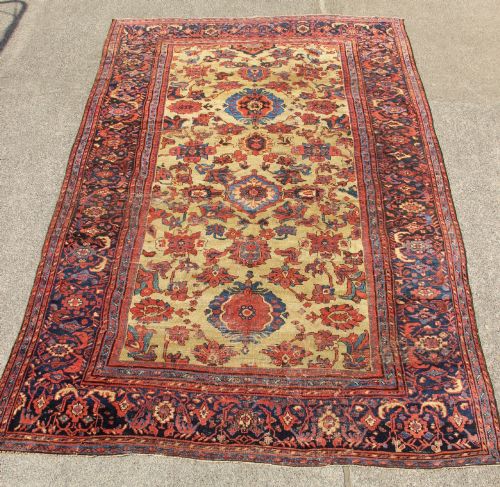
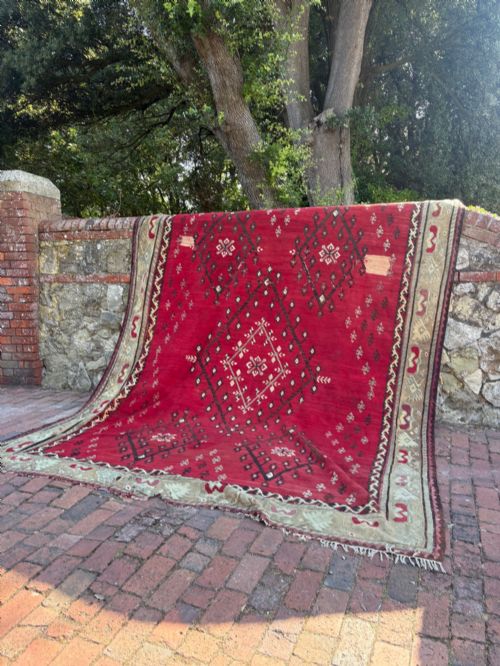
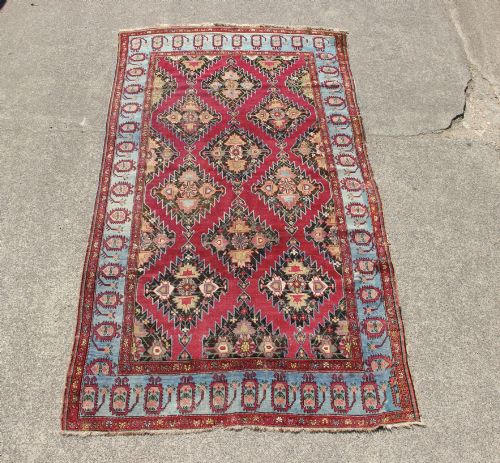
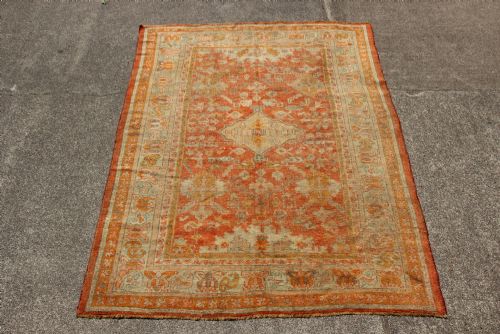
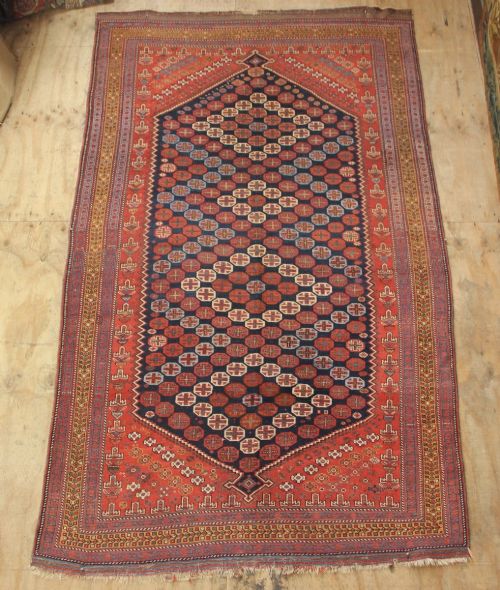
A large woven carpet serves as a substantial floor covering, often measuring several metres in length and width to anchor a spacious room. When you examine this selection, you encounter pieces originating from Persian, Turkmen, Anatolian, and European workshops and nomadic groups.
The common form in this group is the room-sized carpet, spanning centuries from the mid-nineteenth era into the early twentieth decades. Makers produced these floor coverings to withstand heavy daily use whilst displaying intricate geometric and floral compositions.
Materials and Construction
Weavers constructed these large carpets primarily using wool and cotton foundations, deploying hand-spun wool for the pile to ensure durability and texture. Many pieces incorporated natural dyes derived from plants and minerals, yielding deep, enduring tones across the surface.
The method relied on hand-knotting or flatweaving techniques executed on vertical or horizontal looms. Artisans tied individual knots tightly onto warp and weft threads, creating a dense pile that held complex tribal and traditional motifs.
The documented periods stretch from the mid-nineteenth century through the nineteen-thirties.
Distinctions in Quality
Quality rests upon the density of the knotting and the preparation of the wool, where hand-spun fibres provide greater resilience and depth of colour. Tighter foundations allow intricate curves and sharp geometric lines to remain crisp and legible across the expanse of the carpet.
The choice of dyes also divides the work, as natural dye stuffs mellow gracefully over time compared to early synthetic alternatives. Consistency in the spinning and dyeing processes ensures the wool wears evenly under foot traffic.
The Large Woven Carpet Glossary
- Pile
- The upright loops or cut ends of yarn that form the usable surface of a carpet. It provides cushioning and displays the patterned design.
- Warp
- The vertical threads stretched tightly on a loom before weaving begins. These form the structural skeleton of the carpet.
- Weft
- The horizontal threads passed alternately over and under the warp threads. They lock the knots or rows firmly in place.
- Natural Dyes
- Colourants extracted from plants, insects, and minerals rather than chemical laboratories. They produce subtle tonal variations known as abrage.
- Flatweave
- A textile constructed without a pile by interweaving warp and weft threads directly. Examples include certain kilims found in this category.
Large Woven Carpet: Frequently Asked Questions
How do I clean a large woven carpet?
Regular gentle vacuuming without a beater bar removes surface dust trapped within the wool pile. Professional specialist cleaning remains necessary for deep washing to protect natural dyes.
Water and harsh chemical detergents damage traditional fibres and cause colours to bleed. Keep the carpet away from prolonged direct sunlight to prevent fading.
What is the difference between a rug and a carpet?
Carpets generally denote larger floor coverings designed to occupy a substantial portion of a room. Rugs often refer to smaller formats or specific regional runner shapes.
Both utilise similar hand-knotting or flatweaving methods depending on their tribal or workshop origin.
How can I identify a tribal carpet?
Tribal carpets display geometric motifs, repeating medallions, and abstract animal or plant symbols rather than formal court designs. Nomadic weavers relied on memory and local traditions rather than drawn cartoons.
These pieces often feature slightly irregular lines and spontaneous colour shifts reflecting the maker's immediate environment.
Where were these carpets made?
Production centres span across Persia, Anatolia, the Caucasus, and Central Asia through various towns, villages, and nomadic confederations. Specific regions such as Heriz, Oushak, and Ersari developed distinct colour palettes and weaving structures.
European centres like Aubusson also contributed classical Western interpretations during the nineteenth century.