
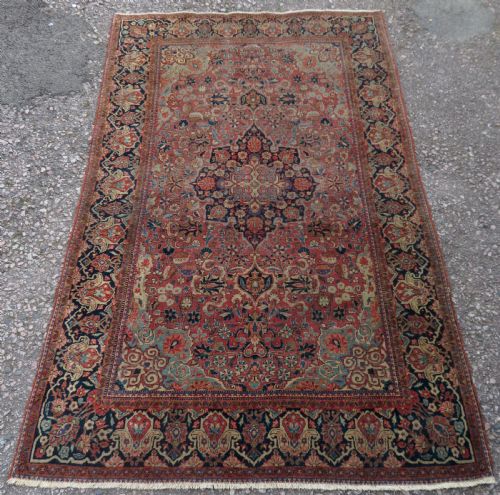
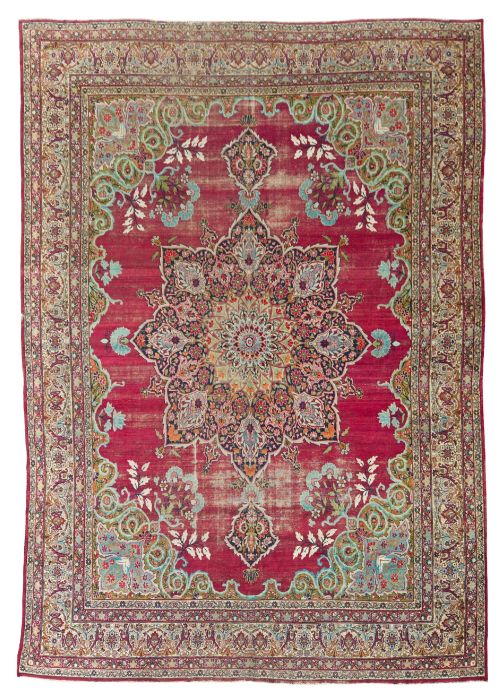
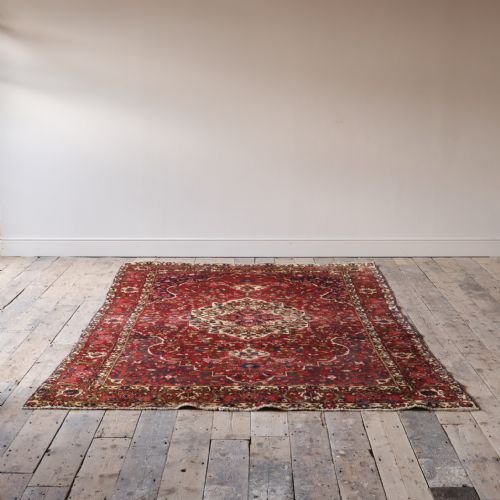

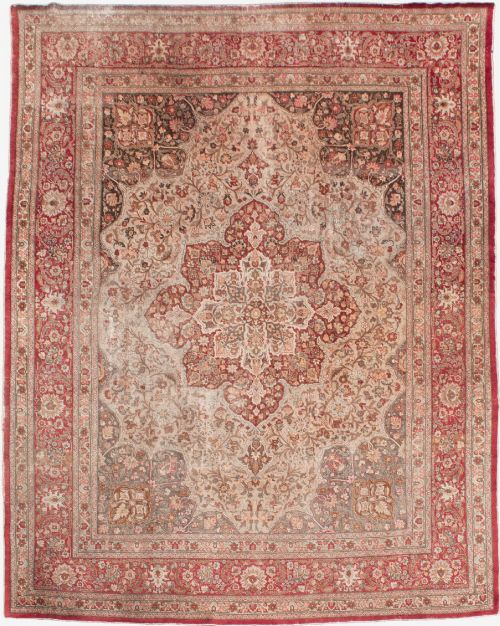
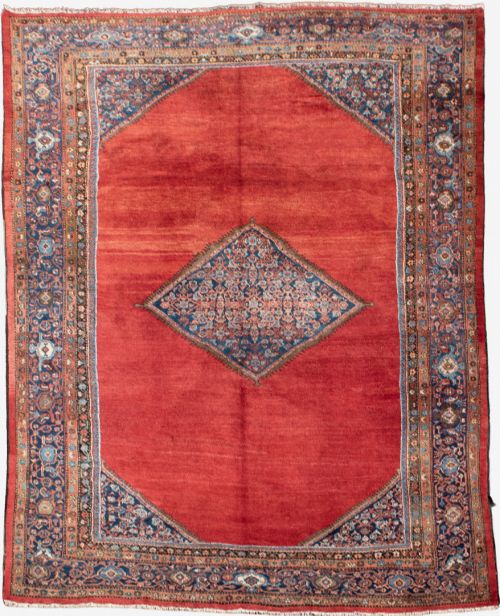

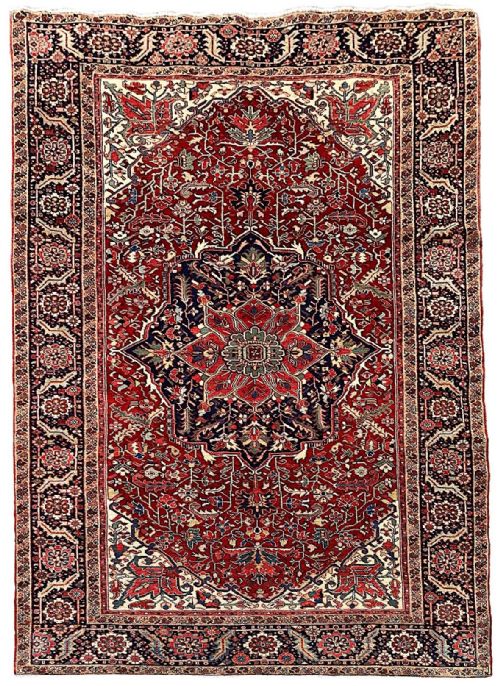
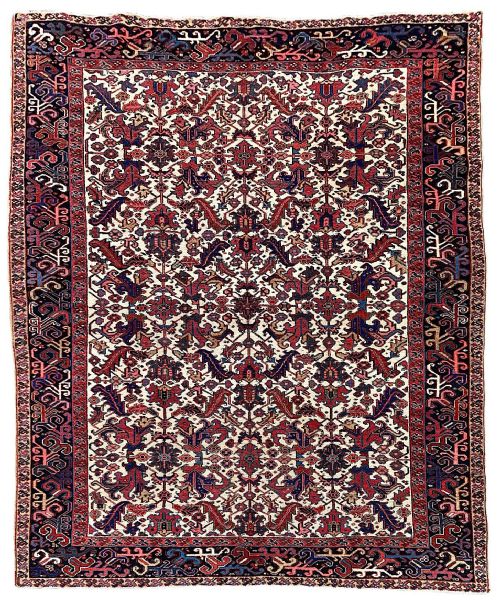
Traditional Room Rug
A traditional room rug grounds a large space with heavy wool pile and intricate village or workshop patterns.
Traditional Room Rug
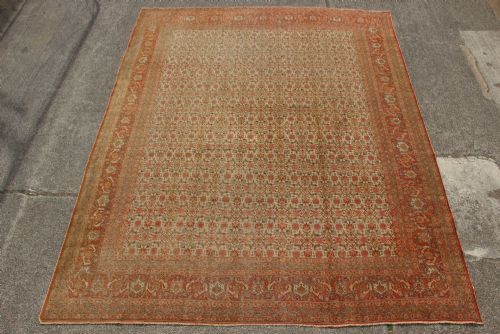
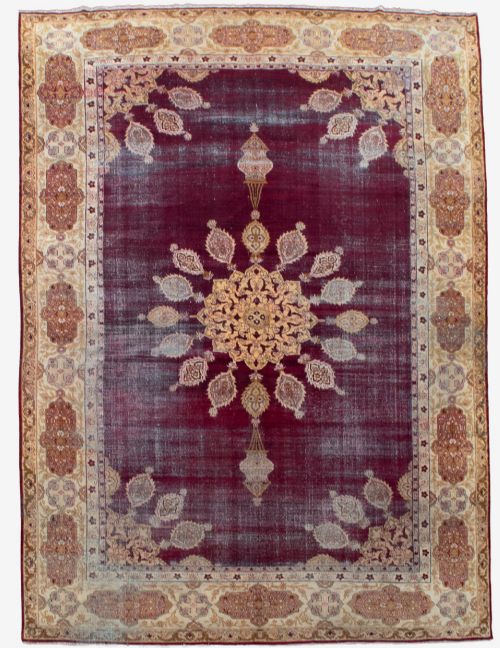
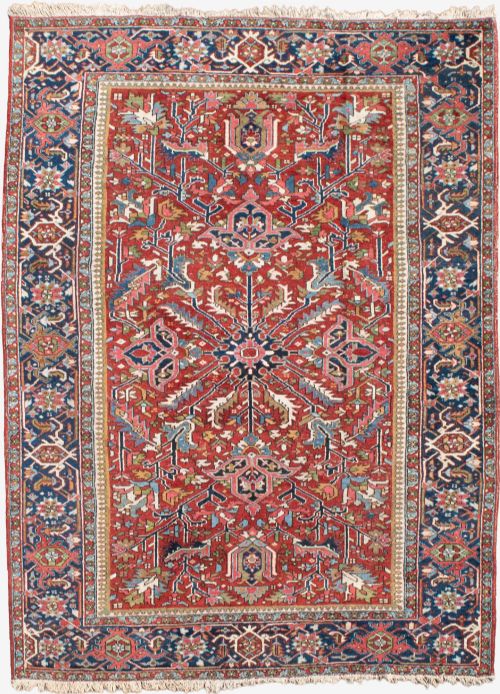
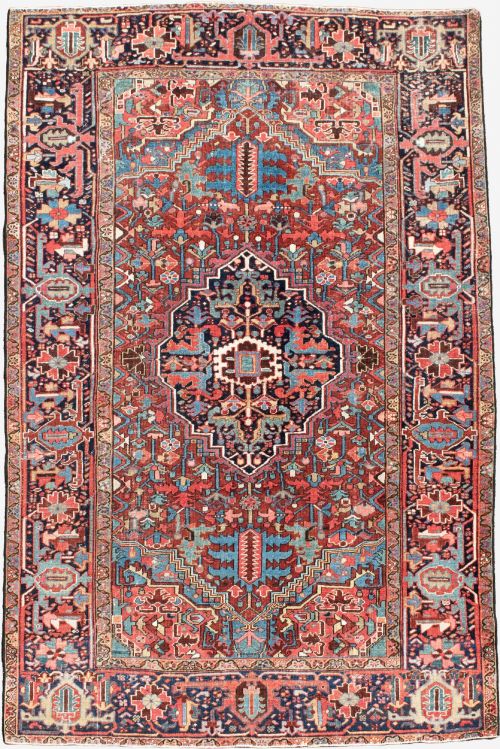
A traditional room rug brings generous proportions and dense knotting into large domestic spaces. When searching for a traditional room rug, buyers encounter substantial country house carpets and room-size room rugs originating from Persia, Turkey, and India.
The inventory on this page spans several decades from the late nineteenth century through to the mid-twentieth century. Most examples scale up to room dimensions, featuring established regional names like Heriz, Tabriz, Oushak, and Amritsar.
These floor coverings served functional purposes in substantial reception spaces, where thick pile provided insulation and cushioning underfoot. Today, they define the proportions of sitting rooms and dining halls by anchoring the surrounding furniture.
Materials and Construction
Weavers constructed these large carpets predominantly using wool for the pile and foundation, occasionally incorporating cotton for warp and weft threads to add structural stability. Selected pieces integrate silk elements alongside wool to highlight specific details within the design.
Hand-knotting techniques dominate the construction, securing the fibre tightly to the foundation warp and weft grids. Natural dyes provided the characteristic rich palettes of madder reds, indigo blues, and earthy tones found across the Persian and Turkish regions.
Several carpets recorded here measure over five metres in length, designed originally for sprawling country house drawing rooms.
Distinctions in Quality
Quality rests upon the density of the knotting and the fineness of the wool used in the pile. Tighter knots permit sharper delineation of intricate medallion and floral motifs across the field.
The harmony and saturation of the dyework separate the finer examples from standard production. Artisans utilising superior mordants and dye stuffs achieved lasting depth of colour that ages gracefully across decades of foot traffic.
The Traditional Room Rug Glossary
- Warp
- The vertical threads stretched on the loom that form the foundation framework of the rug. Fringe ends represent the exposed extremities of these foundational threads.
- Weft
- The horizontal threads passed across the warp strands after each row of knots to bind the structure firmly together. Proper weft tension ensures the rug lies flat on the floor.
- Pile
- The upright cut ends of the yarn that form the usable surface texture of the carpet. Wool pile thickness dictates the plushness felt underfoot.
- Medallion
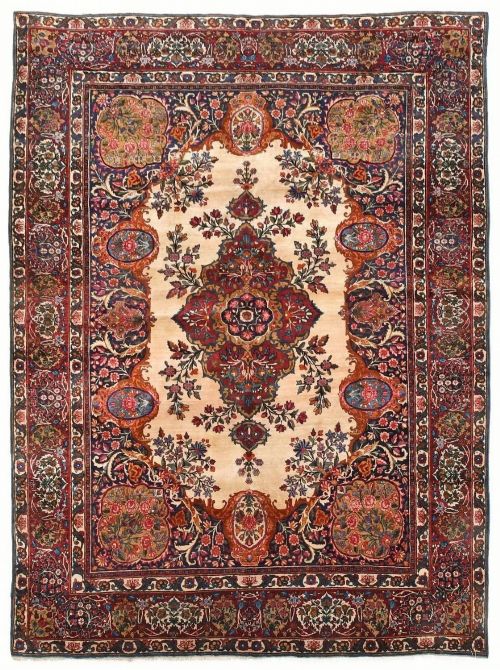
- The prominent central ornamental design element found in the middle of many Persian and Turkish carpets. This focal motif often mirrors corner spandrels in its design.
- Spandrel
- The triangular corner pattern areas situated in the outer field corners surrounding a central medallion. Weavers frequently fill these spaces with secondary floral or geometric motifs.
Traditional Room Rug: Frequently Asked Questions
How do I choose the right room size?
Measure your floor space to allow a uniform border of exposed flooring around the perimeter of the rug. Large room carpets function best when furniture legs sit comfortably on top of the pile.
Consider the traffic flow in your room when selecting dimensions. A proper room rug should anchor the main seating arrangement without crowding the skirting boards.
Are these carpets suitable for heavy foot traffic?
Traditional room rugs constructed from hand-spun wool and sturdy cotton foundations handle everyday domestic use with resilience. The natural lanolin in older wool pile resists dirt and maintains structural integrity over generations.
Place a quality underlay beneath the rug to reduce friction between the backing and the floorboards. This simple step extends the active lifespan of the pile significantly.
How do I identify a Heriz carpet?
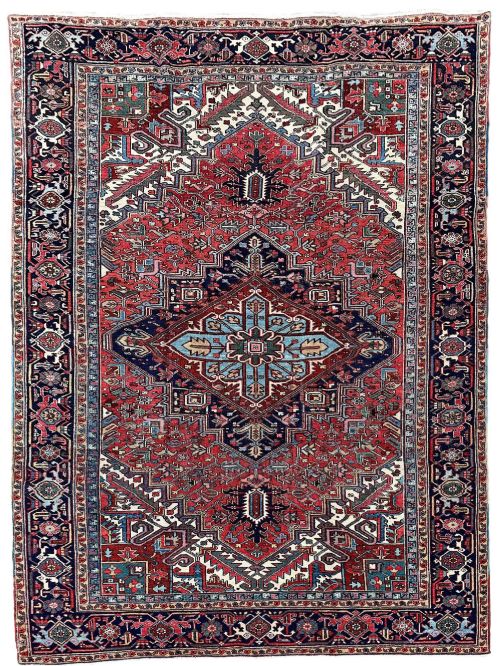
Heriz carpets typically display bold, geometric central medallions set against terracotta or rust fields. Their robust construction often incorporates heavier cotton foundations to withstand village use.
Look for stylized angular floral motifs and substantial corner spandrels rather than delicate curved lines. These distinctive traits separate Heriz production from urban workshop counterparts.
What is an Oushak carpet?
Oushak carpets originate from western Turkey and feature softer, more open floral designs rendered in muted pastel or pink ground tones. Artisans traditionally employed slightly larger knots and lustrous wool.
These rugs suit interiors that benefit from subdued palettes and expansive fields. Their decorative presence tends to feel more relaxed than formal Persian room carpets.