




Antique Iranian Carpet
These antique iranian carpet examples bring centuries of weaving tradition into a room, offering rich regional designs and natural materials.
Antique Iranian Carpet
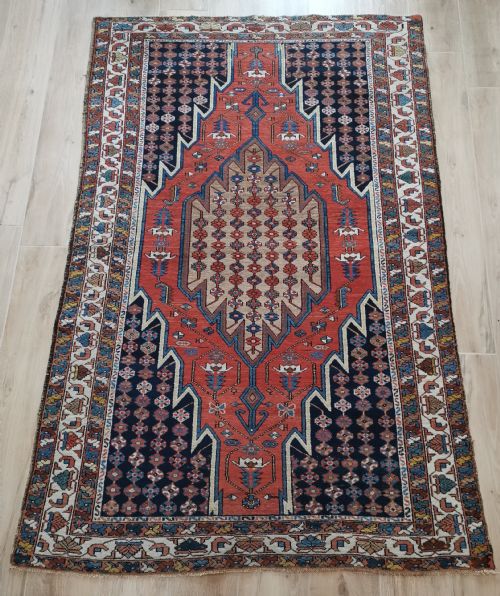
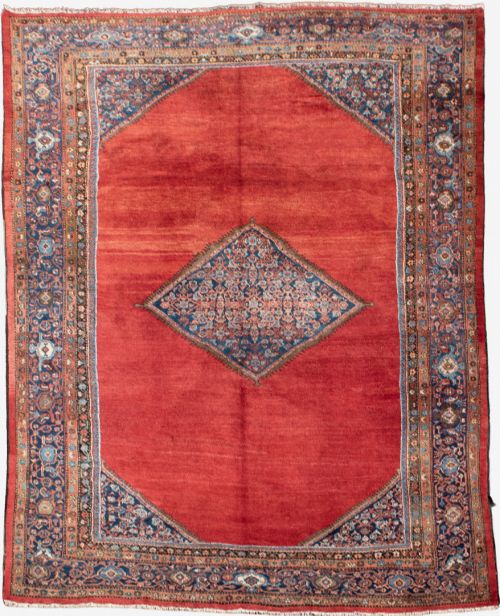
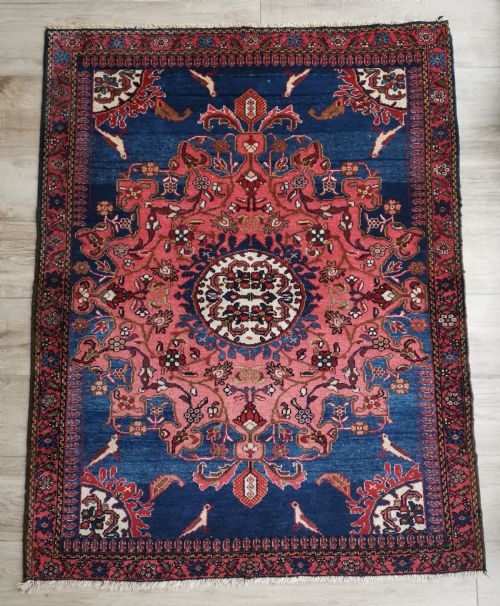
When you search for an antique iranian carpet, you are looking at floor coverings woven across various Persian regions, dating from the nineteenth century into the mid-twentieth century. The pieces available span multiple styles and sizes, from large room-sized carpets down to runners and smaller tribal rugs.
You are most likely to encounter Heriz carpets, alongside regional varieties such as Ferahan, Kashan, Bakhtiari, and Hamadan pieces. These floor coverings reflect specific village and city weaving traditions that developed distinct structural patterns and colour palettes over generations.
The selection ranges from grand room-sized carpets dated to the eighteen-eighties and eighteen-nineties up to smaller nineteenth-century tribal works and twentieth-century productions. Each piece carries the distinct geometric or floral motifs associated with its place of origin.
How They Were Made
These floor coverings utilise natural fibres, primarily employing wool for the pile, supported by cotton foundations, with occasional silk elements used in specific fine workshop productions. Hand knotting secures the pile to the warp and weft threads, creating a dense and durable textile structure.
Dyers sourced colours from local plants and minerals, resulting in the soft, varied hues found across nineteenth-century tribal works and formal city carpets. Weavers worked from traditional mental templates or regional designs, passing down specific knotting techniques and border motifs within communities.
Nomadic weavers sometimes wove stray livestock hairs directly into the wool pile, leaving a tiny organic signature of their daily mountain life.
What Varies In Quality
Knot density and structural tightness set finer workshop carpets apart from coarser village productions, affecting how sharply the patterns resolve across the surface. Materials also dictate grade, with supple wool and silk inclusions commanding greater refinement than heavier, utilitarian weaves.
Design execution and colour consistency separate standard room-sized carpets from exceptional collector pieces. Well-balanced proportions, clear regional iconography, and harmonious natural dye variations distinguish the upper tier of these textiles.
Hajji Jalili
The Antique Iranian Carpet Glossary
- Pile
- The upright yarn loops that form the soft surface of the carpet. This layer bears the direct wear of foot traffic and displays the woven design.
- Warp
- The vertical foundation threads stretched tightly on the loom before weaving begins. All other threads are built around this structural skeleton.
- Weft
- The horizontal threads passed across the warp strands after rows of knots are completed. This holds the knots firmly in place and gives the carpet body.
- Medallion
- A large central ornamental motif placed in the middle of the field. Many regional rugs centre their composition around this dominant shape.
- Kelleh
- A long, narrow room-sized carpet format traditionally used alongside larger floor coverings. This rectangular proportion suits specific hallway or gallery spaces.
- Prayer rug
- A small textile featuring a mihrab arch design indicating the direction of Mecca. Weavers created these specific pieces for devotional use.
Antique Iranian Carpet: Frequently Asked Questions
How do I clean an antique carpet?
Regular gentle vacuuming without a beater bar removes surface dust and grit that can damage the wool fibres over time. Professional specialist washing is required for deeper cleaning to prevent dye migration and shrinkage.
Avoid harsh chemical detergents or DIY steam cleaning methods, as these can permanently alter the natural dyes and weaken the cotton foundation. Professional conservators handle these textiles using traditional immersion washing techniques tailored to antique Persian wool and silk.
Where were these carpets used?
These textiles served practical flooring functions in Persian homes, public buildings, and nomadic tents, insulating stone or packed earth surfaces. Large room-sized carpets anchored formal reception spaces, while runners fitted long corridors and smaller tribal rugs suited portable living quarters.
Today, buyers place these pieces in living rooms, studies, and bedrooms to add warmth, texture, and historical depth to modern interiors. Their robust wool construction allows them to endure everyday domestic use when placed in appropriate low-traffic zones.
How do I date an old rug?
Dating relies on examining structural characteristics, wool quality, dye palettes, and stylistic evolution within specific weaving centres. Nineteenth-century pieces often display organic natural dyes and finer handspun wool, whereas twentieth-century examples may incorporate transitional synthetic colour elements or different knotting tensions.
Comparing the border motifs, medallion structures, and signature regional designs against documented historical pieces helps narrow down the production era. Subtle irregularities in the weave often confirm hand-production methods typical of older village and tribal workshops.
Are tribal rugs different from city carpets?
Tribal rugs feature geometric motifs, memory-driven designs, and softer, varied colour palettes produced by nomadic or semi-nomadic groups. These pieces often display charming asymmetries and coarse, heavy wool structures well suited to practical daily life.
City carpets involve formal workshop production with precise floral patterns, intricate curved lines, and higher knot densities planned on paper cartoons. These urban pieces utilise refined materials like fine wool and silk to achieve sharp, formal decorative schemes.