


Nautical Canvas Wall Art
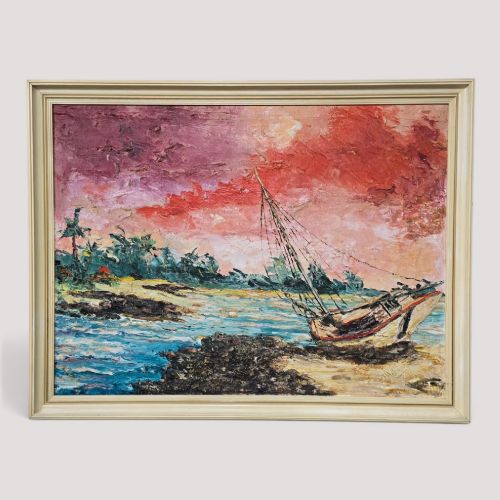
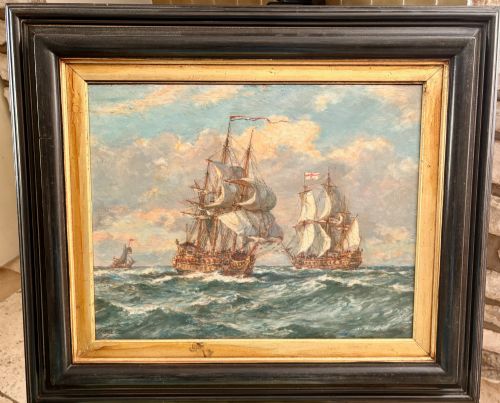
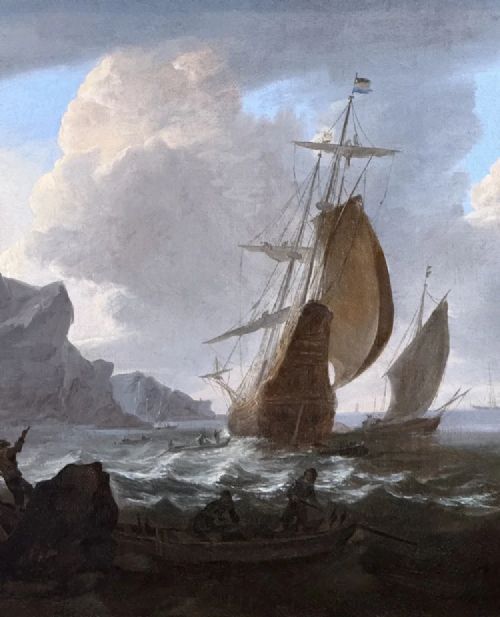
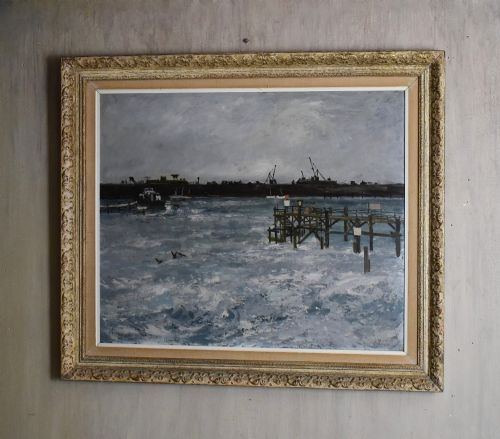
These oil paintings and canvases capture the movement of ships and coastal light across centuries of maritime history.
Nautical Canvas Wall Art
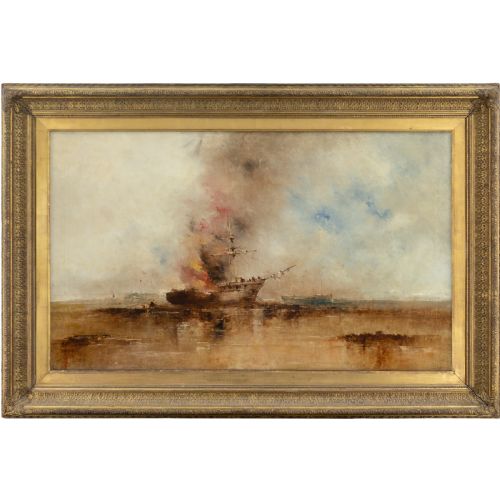
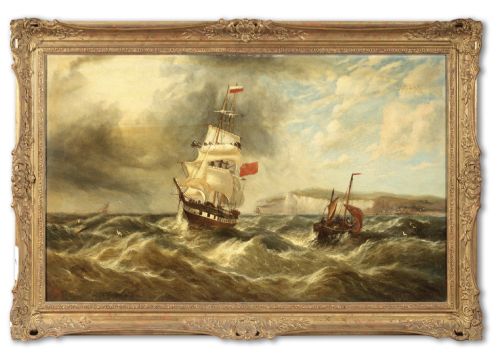
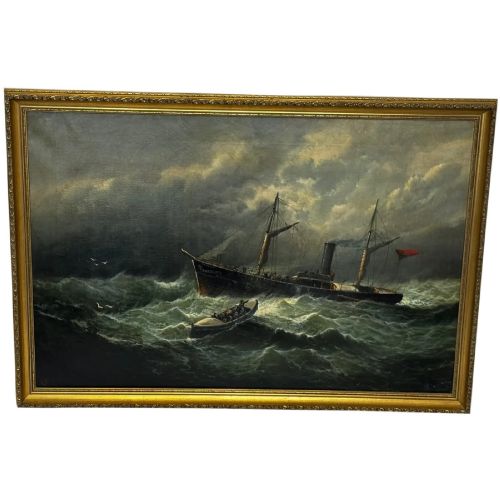
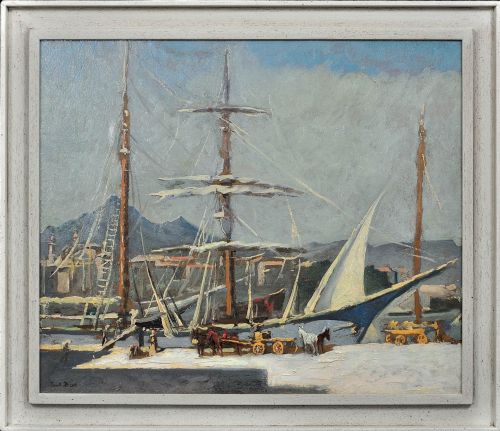
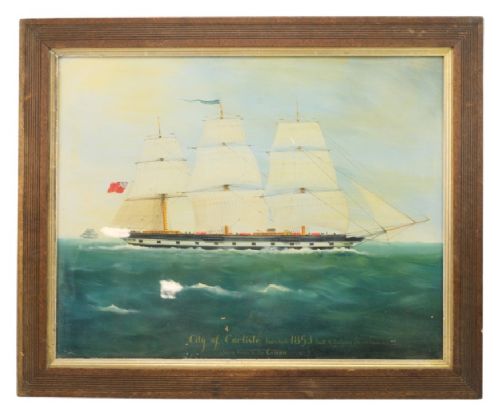
When searching for nautical canvas wall art, a buyer encounters centuries of maritime painting ranging from turbulent Victorian shipwrecks to mid-twentieth-century harbour scenes. The most common pieces on this page span the nineteenth and twentieth centuries, depicting merchant vessels, naval encounters, and calm coastal inlets.
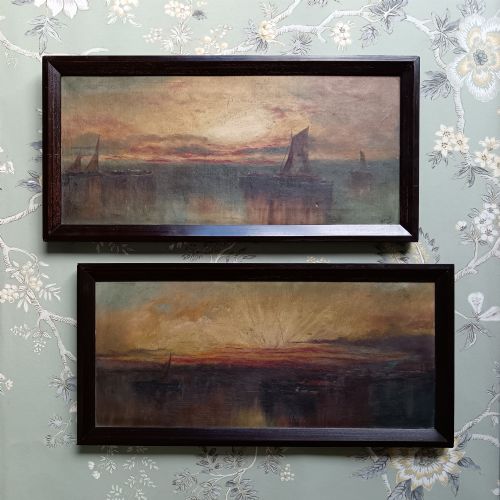
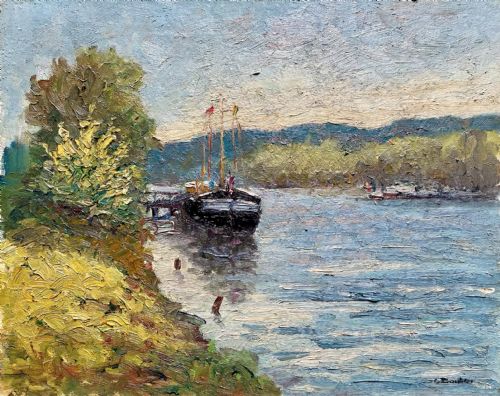
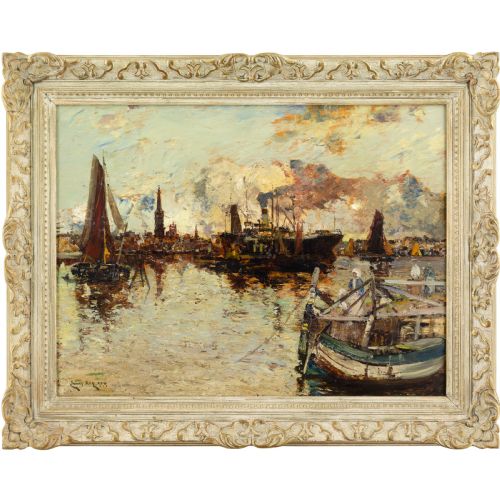
The subjects extend from detailed portraits of named sailing ships to atmospheric views of Dutch boats in gales and French impressionist riverscapes. Works on this page frequently originate from British, French, and Dutch schools, reflecting the deep maritime traditions of these nations.
Collector interest centres on historical accuracy in rigging and architecture combined with accomplished brushwork. Whether depicting a three-masted schooner or industrial steamships, these canvases document the evolution of seafaring through oil paint.
Materials and construction
The works listed rely primarily on oil paint applied to woven canvas supports, occasionally utilising wooden boards or panels for smaller studies. Artists built up these compositions using rich oil pigments that allowed for both delicate glazing on calm seas and heavy impasto texture on crashing waves.
Original frames in wood and giltwood frequently accompany these paintings, providing structural support and period context for the canvas. The preparation of the ground and the quality of the linen canvas determine how well the oil medium retains its flexibility and tone over generations.
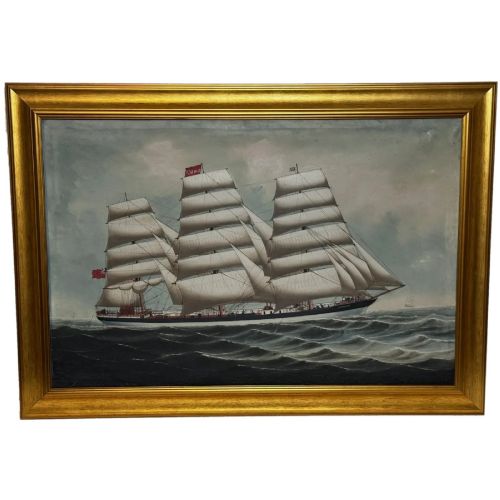
Several canvases record merchant captains who clearly insisted their vessels face gale-force winds with immaculate white sails fully hoisted.
Assessing quality in maritime canvases
Quality in these maritime works rests on the artist's command of atmospheric light, fluid dynamics, and vessel anatomy. Superior canvases demonstrate a convincing rendering of water weight and wind pressure on sails, distinguishing skilled observers of the sea from formulaic copyists.
The strength of a composition lies in the balance between the vessel and its environment, where the handling of distant skies and rolling waves anchors the subject. Well-preserved surfaces retain crisp detail in the rigging and subtle tonal shifts in marine atmospheres without heavy overpainting.
Lemuel Francis Abbott·Abraham Hulk I·Charles Napier Hemy·John Wilson Carmichael·Bonaventura Peeters
The Nautical Canvas Wall Art Glossary
- Impasto
- Paint applied thickly to a canvas, standing out in relief from the surface. This technique frequently appears in depictions of turbulent seas and foaming waves.
- Pierhead painting
- A specific genre of ship portrait created for captains and owners, typically showing a vessel outside a specific port. These works prioritize accurate architectural and nautical detail.
- Marine art
- Artistic representation of ships, shipping, and coastal environments. This broad category includes naval battles, port scenes, and open ocean landscapes.
- Giltwood
- Wood carved and covered with a thin layer of gold leaf or gold paint. Frames utilising this finish are common on nineteenth-century maritime paintings.
- Post-Impressionism
- An art movement extending beyond impressionism that focused on expressive forms and symbolic use of colour. Works in this style capture light and water with intensified palettes.
Nautical Canvas Wall Art: Frequently Asked Questions
How do I identify the date of a maritime canvas?
Dating relies on examining the vessel type, rigging style, and clothing of any figures depicted within the scene. Costume and ship architecture changed rapidly between the Georgian, Victorian, and Edwardian eras.
Signatures, framing materials, and stretcher construction on the reverse of the canvas also provide reliable chronological markers for the work.
What is the difference between a marine painting and a seascape?
Marine paintings explicitly feature human presence through ships, boats, docks, or naval engagements at sea. The vessel forms the primary focus of the narrative.
Seascapes, conversely, concentrate on the natural environment of the ocean, coastline, and weather without necessarily including watercraft.
How should I hang and light an oil painting on canvas?
Oil canvases require stable indoor environments away from direct sunlight and dramatic fluctuations in humidity or temperature. Maintaining consistent conditions prevents the canvas from slackening and protects the oil pigments.
Lighting is best achieved using dedicated picture lights with low heat emission, positioned to avoid glare across the varnished surface.
Why are some ships in these paintings specifically named?
Many nineteenth-century marine works functioned as portraits commissioned by shipowners, captains, or insurance underwriters to document specific vessels. These paintings recorded the exact appearance and flag of a merchantman or warship.
Artists often inscribed the ship's name directly onto the canvas or frame to ensure its identity remained clear.