


Napoleon III Plant Stand
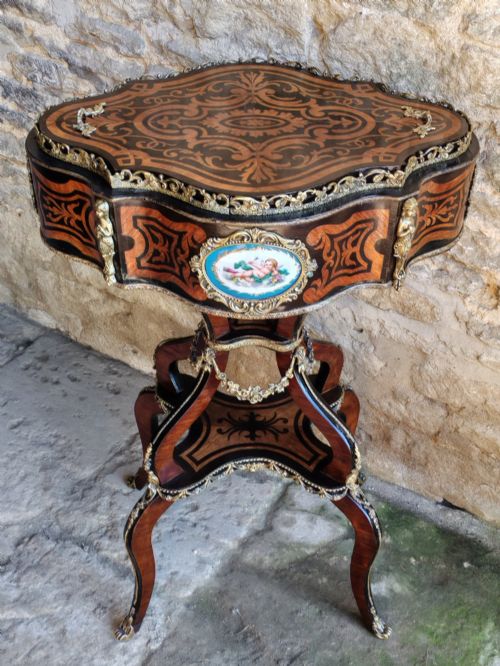
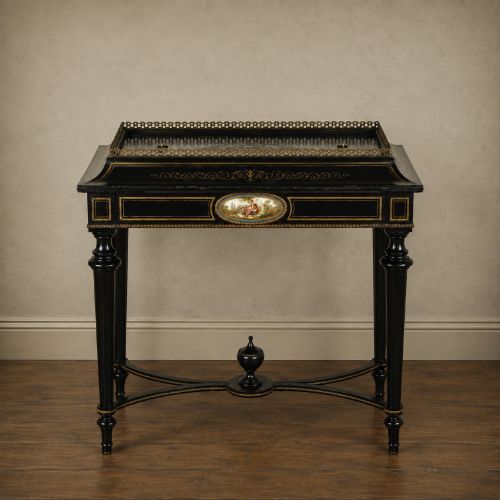
These walnut, ebonised and ormolu-mounted pieces bring French revival elegance and decorative plant display straight into the nineteenth-century interior.
Napoleon III Plant Stand
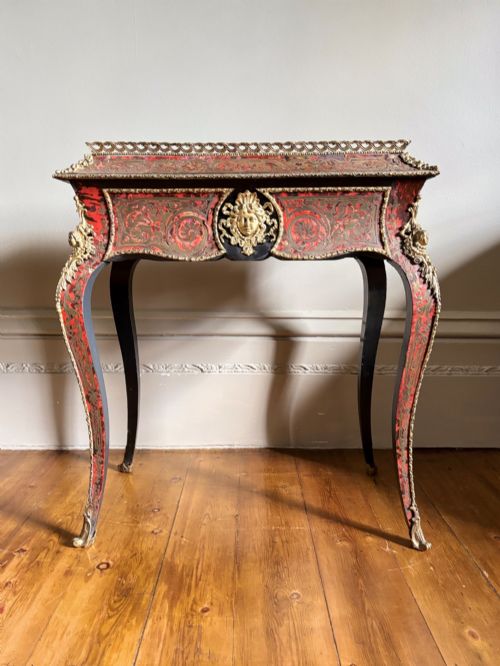
A napoleon iii plant stand combines practical display with elaborate nineteenth-century French styling, appearing frequently as a jardiniere, pedestal or side table designed to hold indoor plants and flowers. These furnishings originate primarily from the nineteenth century, spanning decades such as the eighteen-fifties through the eighteen-nineties under Victorian and French revival influences.
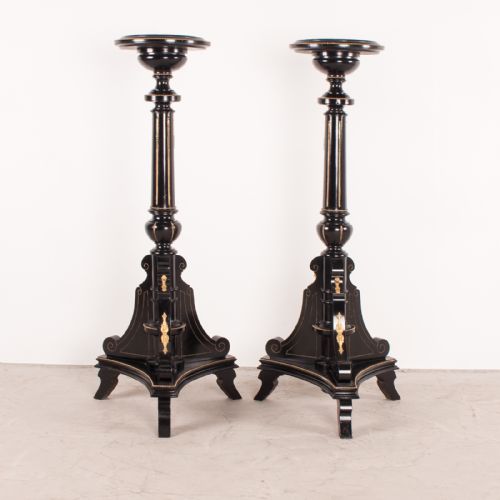
Makers and designers configured these stands in varied forms including etageres, wine coolers and torcheres alongside dedicated planter tables. Walnut, ebonised wood and kingwood form the primary structural bodies, often elevated by brass, ormolu mounts and gilt columns.
Buyers encounter surfaces embellished with marquetry inlay, onyx tops or painted porcelain plaques, creating distinctive focal points for period rooms. The selection ranges from round gilt tables to large rococo pedestals and free-standing sevres-type plaque decorated stands.
How they were made
Carpenters constructed the carcasses using timbers such as walnut, kingwood and ebonised wood, frequently applying intricate marquetry and aboyna inlay across the surfaces. This woodworking formed the stable foundation for decorative elements.
Artisans integrated cast ormolu and brass mounts, gilt column supports and metal liners to protect the wood from moisture during plant display. Painted porcelain plaques and onyx tops were then set into the frames to complete the ornament.
What varies in quality
Quality separates pieces through the precision of the marquetry inlay and the crispness of the cast ormolu mounts rather than basic utility. Finer examples display detailed hand-painted porcelain plaques and substantial marble or onyx tops fitted securely into the timber frame.
The choice of dense hardwoods like ebonised walnut or kingwood alongside heavier metal mounts distinguishes more ambitious workshop production from simpler domestic carpenter work.
The Napoleon III Plant Stand Glossary
- Jardiniere
- A decorative stand or container designed to hold plants and flowers indoors. Many nineteenth-century French examples include metal liners for practical use.
- Ormolu
- Gilded bronze mounts applied to furniture for decorative enrichment. Artisans cast and chased these metal elements to catch the light.
- Marquetry
- Inlaid wood veneers arranged in pictorial or geometric patterns across table tops and stands. Craftsmen utilised contrasting timbers to build up the design.
- Etagere
- A piece of furniture featuring multiple open shelves for display. These tiered stands offered space for small ornaments and plants.
- Torchere
- A tall decorative stand traditionally used to support a light source or vase. Nineteenth-century versions frequently served as plant pedestals.
Napoleon III Plant Stand: Frequently Asked Questions
What is a napoleon iii plant stand?
A nineteenth-century French display piece designed to hold indoor plants, combining timber construction with metal mounts and decorative plaques.
These stands take forms such as jardiniere tables, etageres and pedestals reflecting revival styles.
How were these stands used originally?
Wealthy households utilised them to display ferns and flowering plants within entertaining rooms and parlours.
The metal liners protected the fine wood surfaces from water damage during watering.
What materials appear on these pieces?
Workshops employed ebonised wood, walnut and kingwood as the primary structural timbers for the frames and tables.
Surface decoration frequently includes ormolu mounts, marquetry inlay, onyx tops and painted porcelain plaques.
How do I identify the period?
Nineteenth-century pieces exhibit characteristic French revival motifs, including Louis XV and Louis XVI styling alongside rococo details.
The combination of ebonised finishes, ormolu mounts and porcelain plaques points directly to this era.